
💜 Pink Pearl Hyacinth
What it looks like
Why this variety
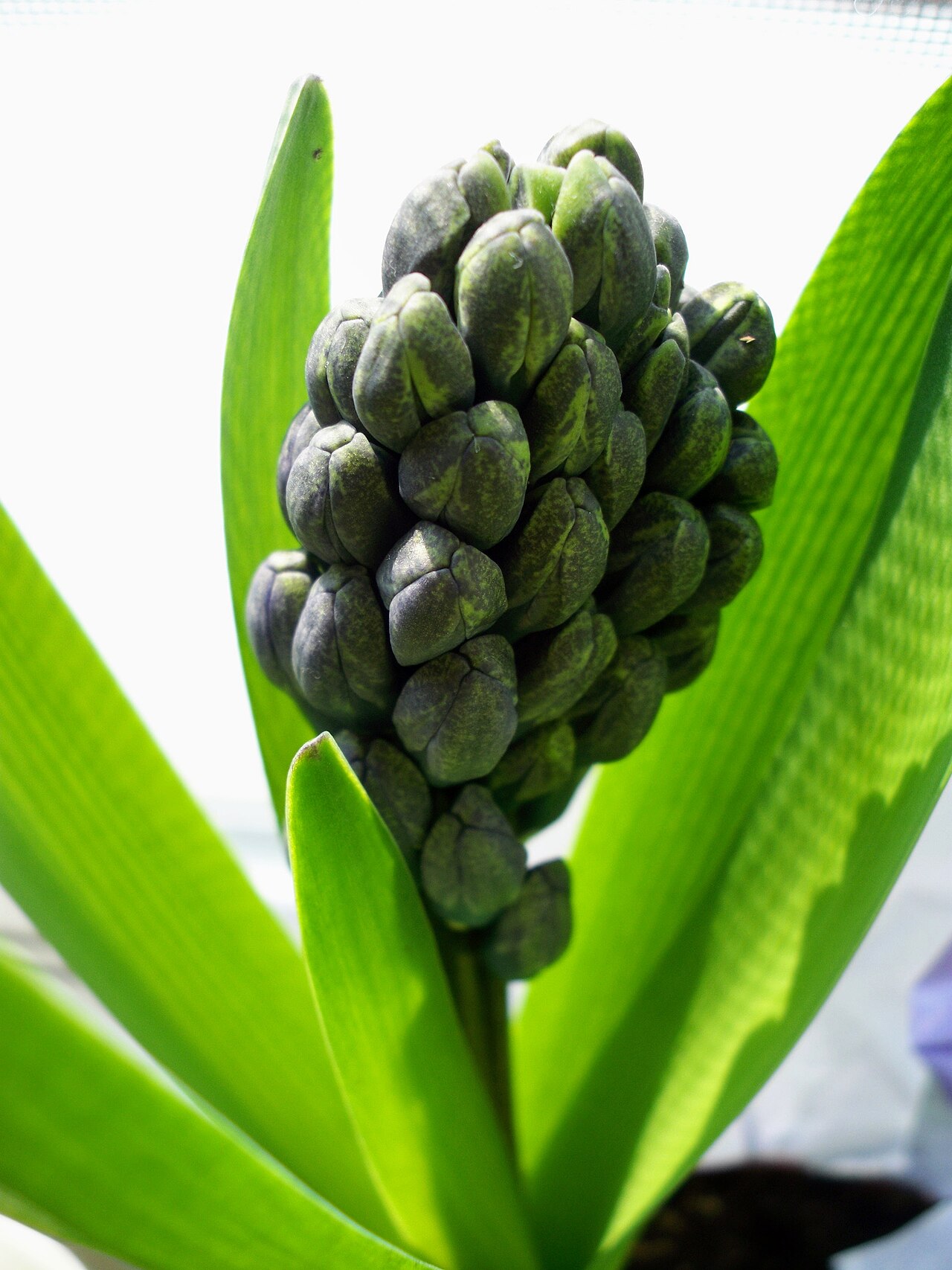
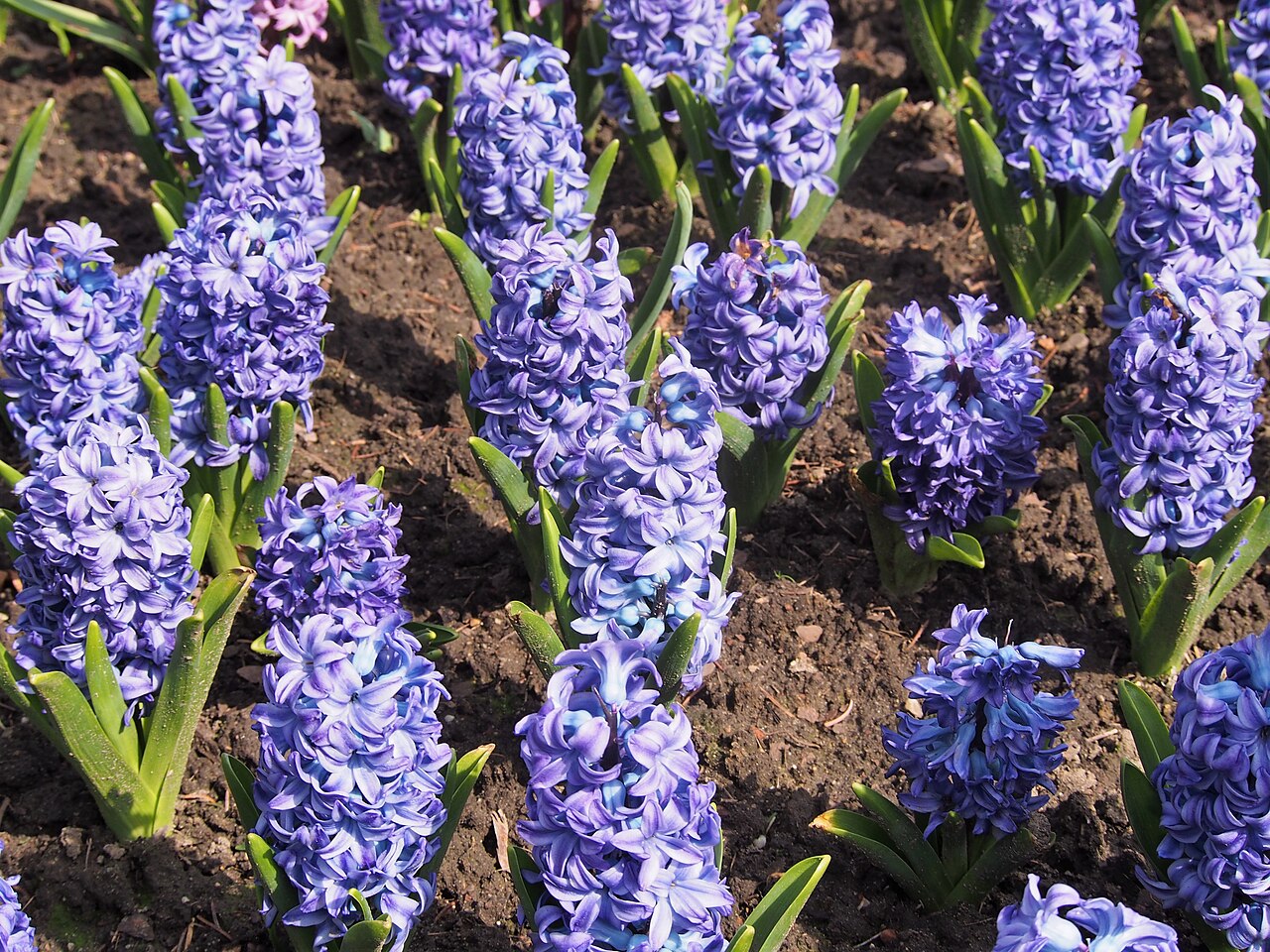
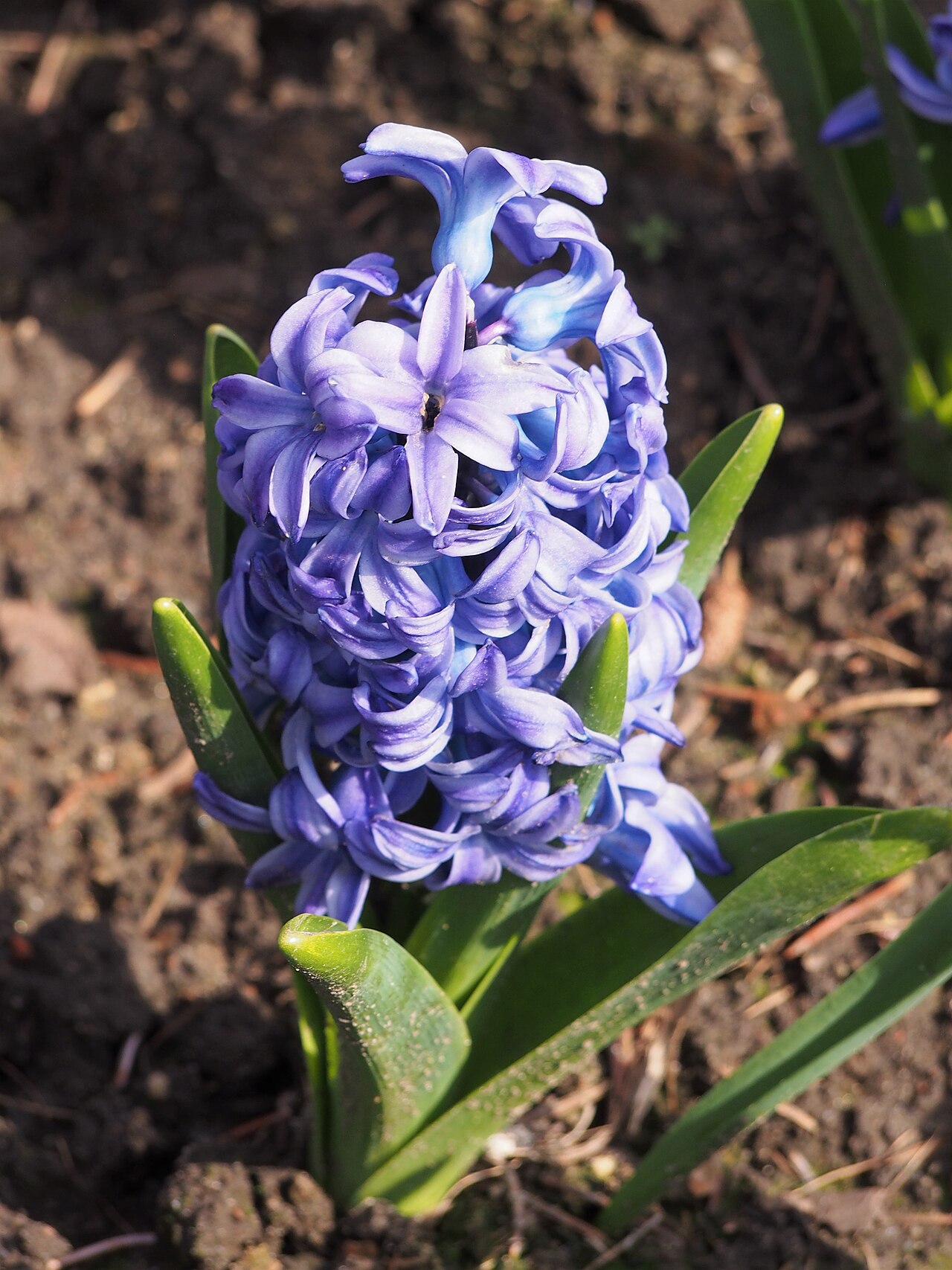
Pink Pearl is the pink hyacinth against which other pinks are measured: soft, clear pink spikes, 8 to 12 inches tall, in mid-spring, with the same intense hyacinth perfume as Blue Jacket, on a plant that forces beautifully in pots and blooms reliably in the ground where winters are cold. It is the most planted pink hyacinth in the trade, and it has stayed there because it does the simple thing supremely well — a pink spike that perfumes a room, pairs with blue and white for a spring trio, and looks like spring itself in a pot by the door.
The trade-off is the same hyacinth bargain: 12 to 14 weeks of chill required, rot in wet soil, bulbs toxic if eaten and irritating to skin — gloves on, tasting off. Pink Pearl’s pale pink also fades faster in hot sun than Blue Jacket’s navy, so give it sun to part shade, well-drained soil, and a sheltered spot, and leave foliage to yellow after bloom if you want return flowers. In a pot, treat it as a one-season show and compost after bloom without guilt.
If you are new to choosing between cultivars, the Varieties Matter guide explains why the name after the plant matters as much as the plant itself. Pink Pearl is a perfect example: it is not just a hyacinth in the abstract, it is a hyacinth with a specific job, a specific history, and specific strengths.
Florida honesty: hyacinth is a North Florida trial in the ground, not a statewide promise, but Pink Pearl is a statewide pot plant if forced: refrigerate bulbs (away from fruit) for 12 to 14 weeks, pot them, and enjoy fragrant pink spikes on a patio. In North Florida, plant bulbs in fall in well-drained soil and treat bloom as a triumph. South of the Panhandle, force in pots and do not expect garden return — the perfume is the same either way.
How to grow
Plant bulbs in fall, 6 inches deep, pointy end up, in sun to part shade and well-drained soil — hyacinths need 12 to 14 weeks of winter chill below about 45°F to bloom, so in warm climates, refrigerate bulbs (away from fruit) before potting and forcing. Work worm castings into the bed at planting, and wear gloves when handling bulbs — they irritate skin and are toxic if eaten, and they are not onions.
Set plants 6-8 inches apart, bulbs 6 inches deep in soil with a pH around 6.0-7.0. Work worm castings into the bed at planting and mulch to hold moisture. A well-fed hyacinth plant rewards that care directly: steadier growth, better bloom, and a show that actually shows up.
Water & feeding
Keep soil moist in spring while the plant is growing, then let it dry as foliage dies back — hyacinth bulbs rot in summer wetness. Water at the soil line, mulch lightly, and feed lightly: castings at planting is plenty. For forced pots, water sparingly after bloom and compost the bulb without guilt.
Common problems
- Failure to bloom without winter chill — hyacinths need 12 to 14 weeks below about 45°F; in warm zones, refrigerate bulbs and force in pots.
- Bulb rot in wet soil — plant in sharp drainage, never where rain ponds.
- Toxic bulbs and skin irritation — hyacinth bulbs are toxic if eaten and irritate skin; wear gloves and never mistake them for onions.
- Flopping spikes in wind — shelter spikes or stake them; top-heavy blooms fall in storms.
- Ethylene damage in storage — do not store hyacinth bulbs near fruit, whose ethylene gas ruins bloom.
Harvest
Cut spikes for bouquets in mid-spring, when florets are fully open — hyacinth flowers last well in water and perfume a room, suiting small, fragrant arrangements for a bedside table. Leave foliage to yellow after bloom for return flowers, or compost a forced pot bulb without guilt. Do not eat bulbs, and wear gloves when handling them.
Browse all plant & pest guides
Saving seeds
Pink Pearl is the pink hyacinth against which other pinks are measured: soft, clear pink spikes, 8 to 12 inches tall, in mid-spring, with the same intense hyacinth perfume as Blue Jacket, on a plant that forces beautifully in pots and blooms reliably in the ground where winters are cold. It is the most planted pink hyacinth in the trade, and it has stayed there because it does the simple thing supremely well — a pink spike that perfumes a room, pairs with blue and white for a spring trio, and looks like spring itself in a pot by the door. As a named hyacinth it is kept true by bulbs, not by seed: plant bulbs in fall, 6 inches deep, pointy end up, in sun to part shade and well-drained soil, and leave foliage to yellow after bloom so the leaves feed next year’s bulb. The full method is in the Propagation section of the Hyacinth guide.