
💙 Imperial Blue Plumbago
What it looks like
Why this variety
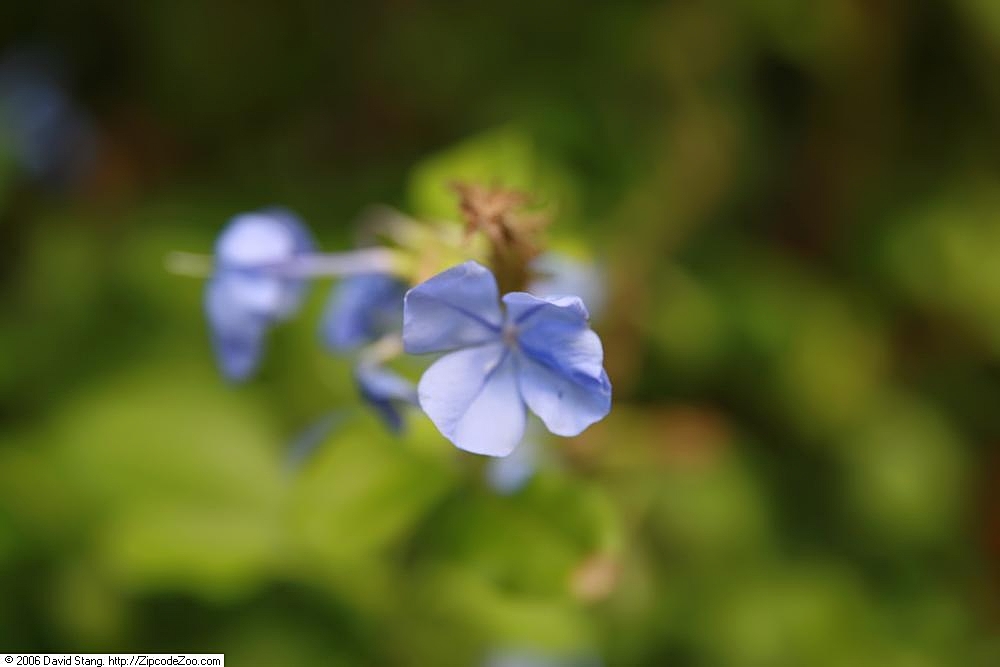
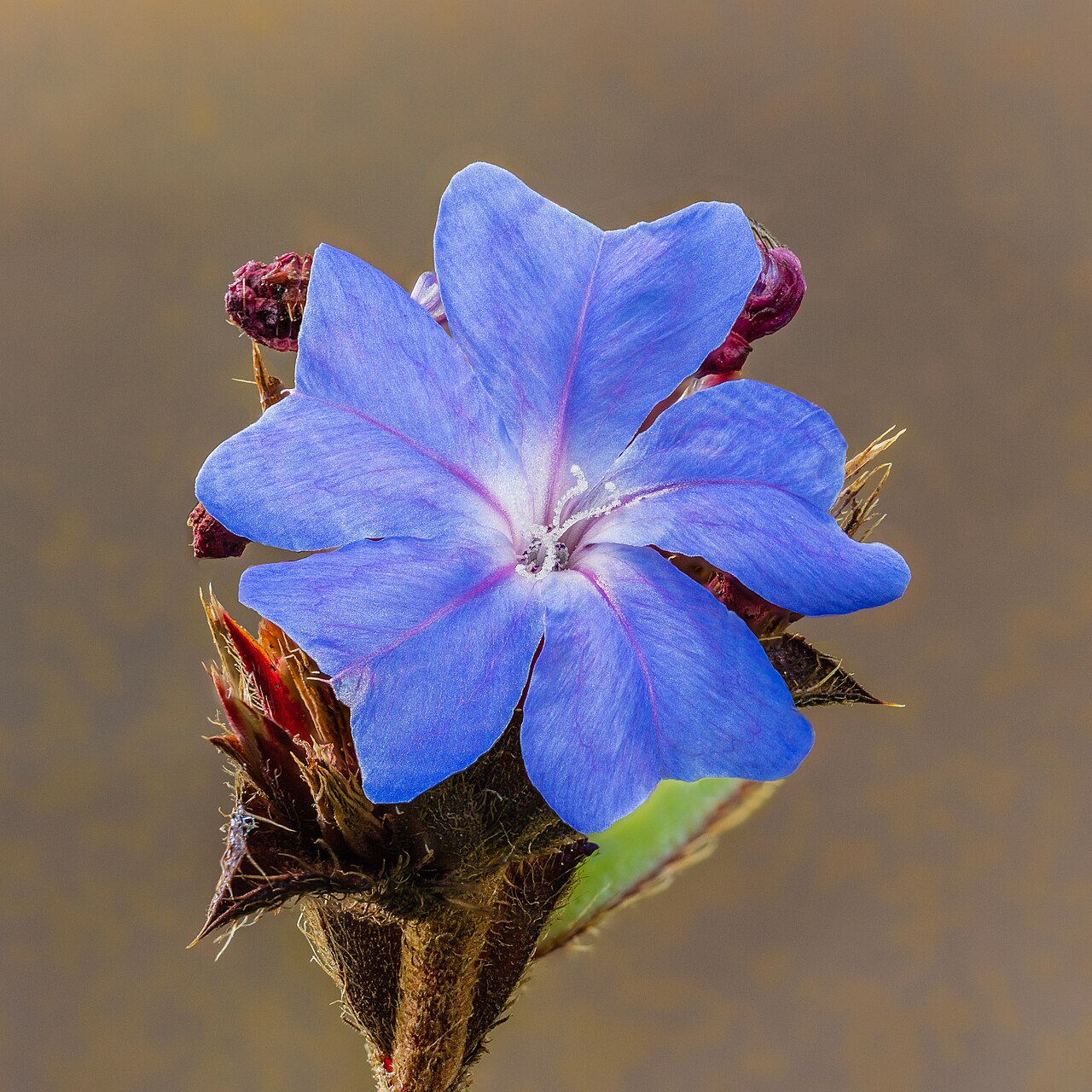
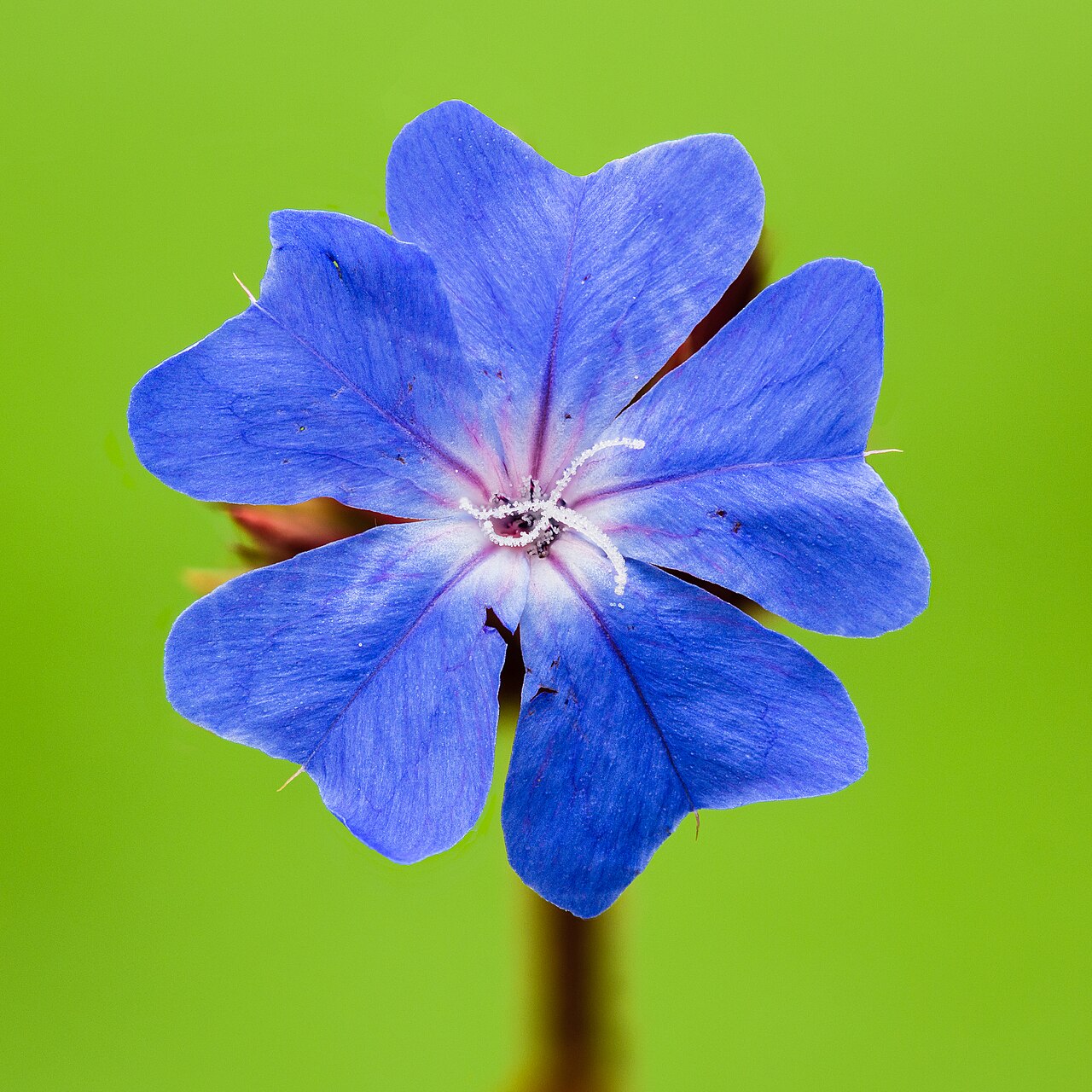
Imperial Blue is the plumbago most gardeners picture when they hear the name: clusters of true, intense, cobalt-blue flowers — a blue so clear it looks Photoshopped — massed over soft green foliage on a vigorous shrub that can reach 6 to 10 feet in a warm climate. The flowers are phlox-like, five-petaled, and produced in terminal clusters that keep coming as long as the weather stays warm, which in frost-free Florida means nearly all year. Butterflies love it, bees work it, and a plumbago hedge in full bloom is one of the great blue walls of the southern garden.
The trade-off is vigor and tenderness: Imperial Blue grows fast, sprawls if you let it, and freezes back in a hard frost — though it usually regrows from the base in spring. Give it sun, drainage, and room, prune after bloom to keep it shrubby rather than sprawling, and do not plant it where a rampant shrub will swallow a walk. It is not a plant for a tiny bed, but for a sunny fence, a poolside hedge, or a big container, it is the easiest blue in the garden.
If you are new to choosing between cultivars, the Varieties Matter guide explains why the name after the plant matters as much as the plant itself. Imperial Blue is a perfect example: it is not just a plumbago in the abstract, it is a plumbago with a specific job, a specific history, and specific strengths.
Florida honesty: plumbago is a genuine statewide Florida plant — it loves heat, tolerates drought once established, and blooms nearly year-round south of the frost line. In North Florida it may freeze back in a hard winter; cut out dead wood in spring and it regrows fast. In Central and South Florida, give it sun and room and prune to keep it in bounds, because a happy plumbago does not know when to stop.
How to grow
Plant in spring in full sun to part shade and well-drained soil — plumbago is a heat-loving shrub that wants sun, drainage, and room, not shade or wet feet. Work worm castings into the planting hole, mulch lightly, and water through the first season until established. Prune after bloom to keep it shrubby rather than sprawling, and cut out frost-damaged wood in spring.
Set plants 3-4 feet apart in soil with a pH around 6.0-7.5. Work worm castings into the bed at planting and mulch to hold moisture. A well-fed plumbago plant rewards that care directly: steadier growth, better bloom, and a show that actually shows up.
Water & feeding
Water through the first season, then water in drought — established plumbago is fairly drought-tolerant, but a young shrub that dries out stalls and blooms thinly. Water at the soil line, mulch lightly, and feed lightly: castings at planting plus a balanced organic feed in spring is enough. Overfeeding makes soft, leggy growth that needs pruning.
Common problems
- Freezing back in hard winters — cut out dead wood in spring; the shrub regrows from the base in warm zones.
- Sprawling out of bounds — prune after bloom to keep it shrubby, and do not plant it where a rampant shrub will swallow a walk.
- Sticky stems and calyx — glandular hairs trap insects and leave fingers tacky; wear gloves when deadheading heavily.
- Whiteflies and aphids in hot weather — blast with water and encourage predators before reaching for sprays.
- Short life in wet soil — plumbago rots in soil that stays wet; plant in sharp drainage or raised beds where summer rain ponds.
Harvest
Cut stems for bouquets from spring into fall, when clusters are fully colored — plumbago flowers last a few days in water and suit loose, cottage-style arrangements, though the sticky calyx means you should handle stems with care. Deadhead spent clusters for rebloom, prune after bloom to keep the shrub shapely, and cut out frost-damaged wood in spring. The real harvest is color: a plumbago hedge in full bloom is a blue wall that butterflies visit all day.
Browse all plant & pest guides
Saving seeds
Imperial Blue is the plumbago most gardeners picture, clusters of true, intense, cobalt-blue flowers, and seedlings won’t hold that clear blue — plant a nursery-grown shrub and propagate by cuttings, pruning after bloom to keep it shrubby. The Saving seeds section of the Plumbago guide covers seed for the species generally.