
💙 Plumbago
What it looks like
How to grow
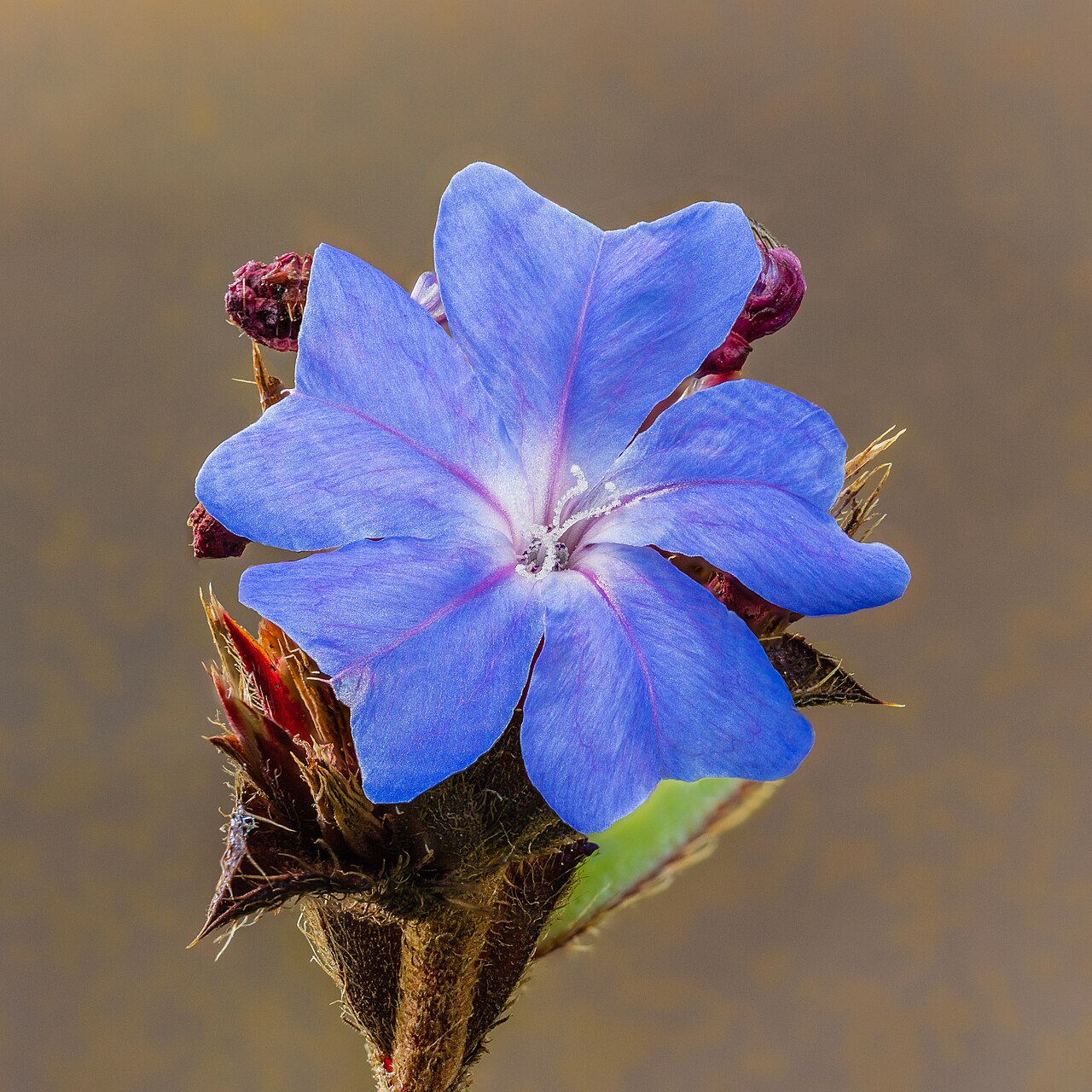
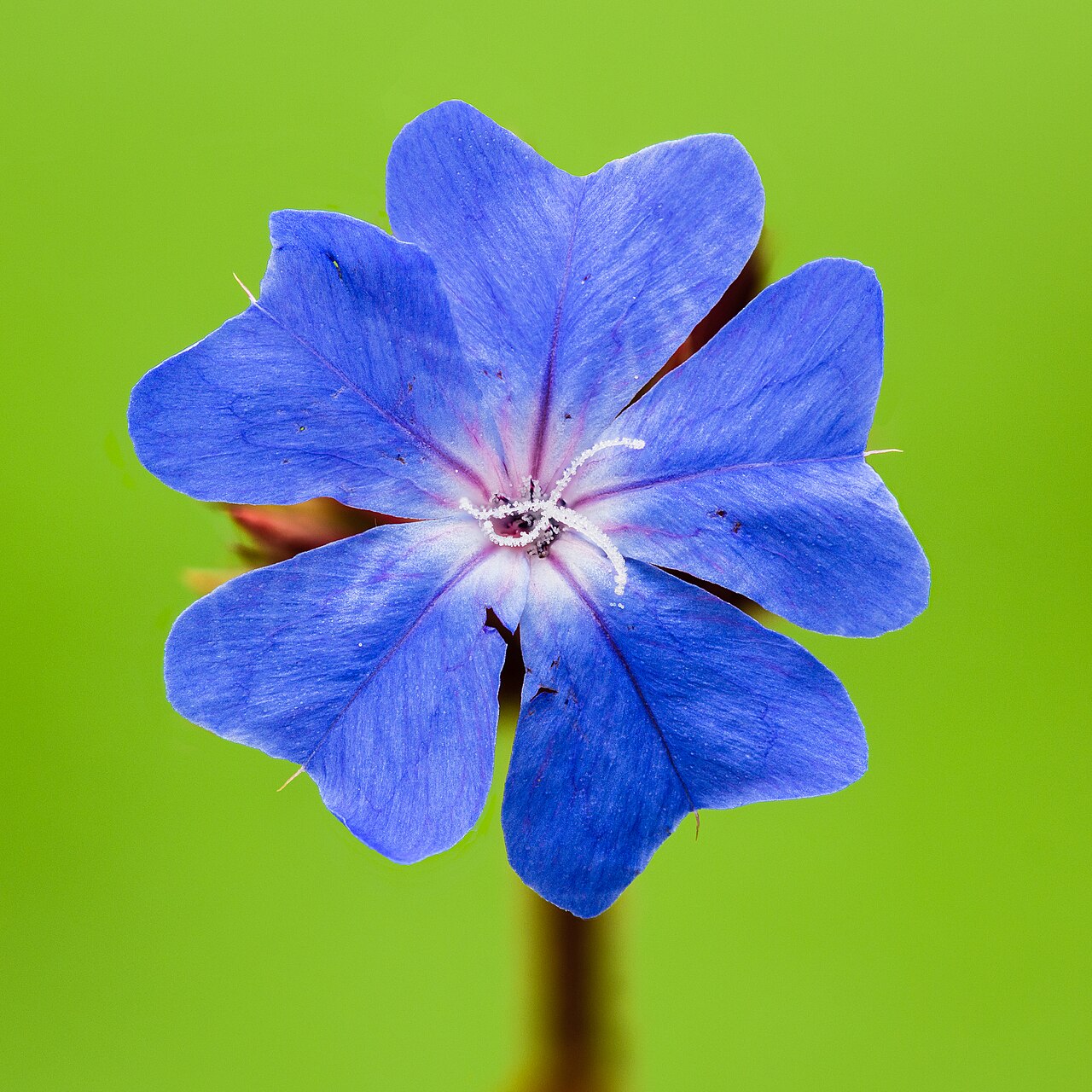
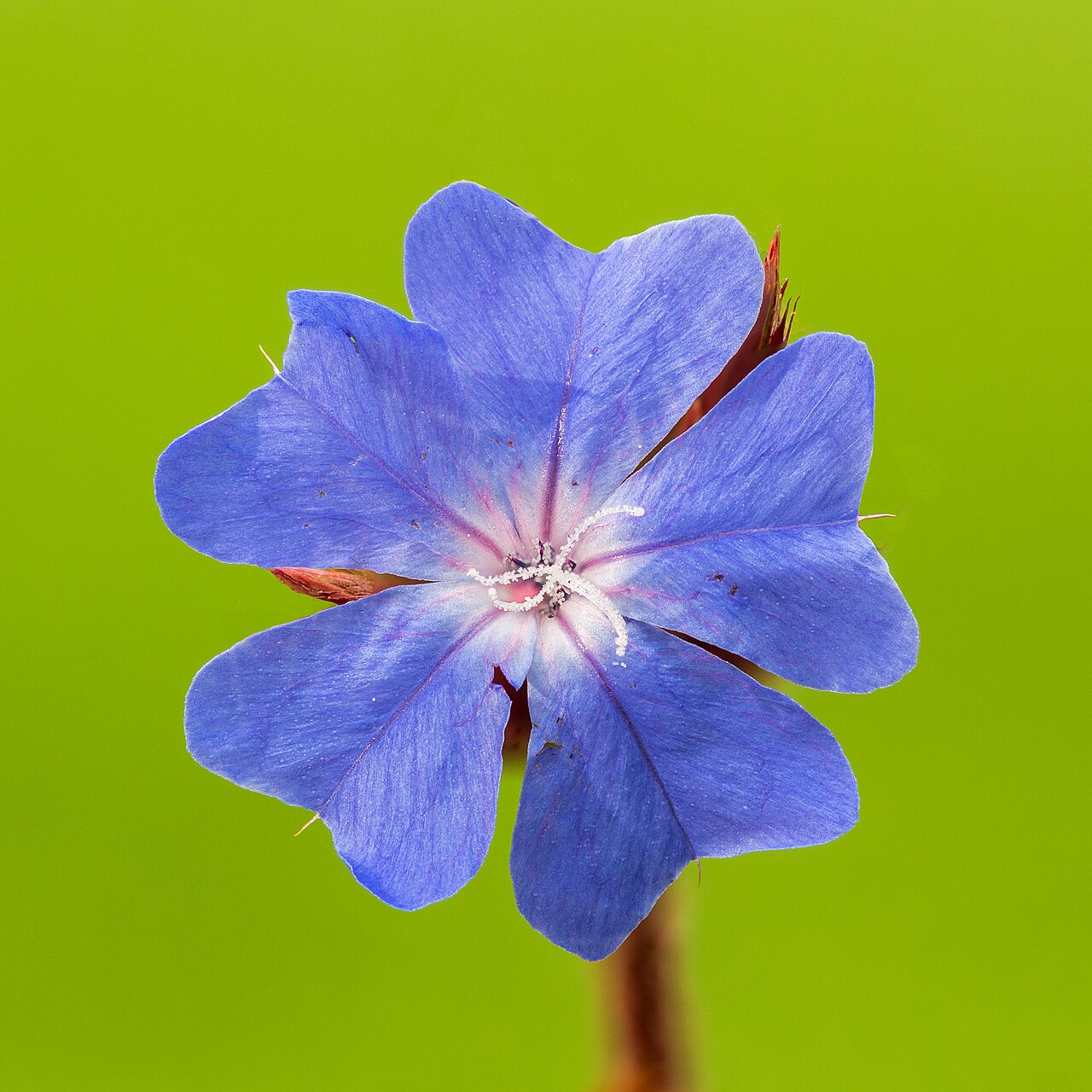
Cape plumbago is a sprawling, semi-woody evergreen shrub with soft green leaves and clusters of phlox-like sky-blue (or white) flowers that bloom nearly year-round in frost-free climates and from spring to frost elsewhere. It grows 6-10 feet tall and 8-10 feet wide if left alone, with arching stems that can be trained on a trellis, cascaded over a wall, or kept as a mounding shrub with regular pruning. Plant in spring in full sun for the heaviest bloom — part shade works, with fewer flowers — in well-drained, sandy or loamy soil. In zones below 8, grow it in a container and overwinter indoors, or treat it as an annual.
Water & feeding
Water regularly for the first season, then water about once a week in dry weather; established plumbago is drought tolerant but blooms best with steady moisture. Feed lightly with a balanced slow-release fertilizer twice a year in spring and early fall — heavy nitrogen pushes leaves at the expense of flowers. Prune in late winter or early spring to shape, since plumbago flowers on new wood; it rebounds quickly from a hard cutback.
Common problems
- Frost damage — in zones 7-8, plants may be killed to the ground but often regrow from the roots; mulch heavily in fall.
- Leggy, sprawling growth — prune regularly and give it space; plumbago spreads by rhizomes and will wander.
- Scale and mites — occasional; treat with insecticidal soap or horticultural oil.
- Yellow leaves — usually soil that is too alkaline; plumbago prefers slightly acidic to neutral soil.
Harvest
Do not eat plumbago: all parts are poisonous if ingested, and contact can cause skin irritation in sensitive people — wear gloves when pruning. The harvest is flowers, cut freely for bouquets all season, and butterflies and bees visiting the blooms.
Browse all plant & pest guides
Saving seeds
Plumbago seed hides in small, dry capsules that form after the sky-blue flowers fade, and the capsules are sticky — they cling to clothing and fur, which is how the plant spreads itself in the wild. Let the capsules dry fully on the plant until they turn brown and papery, then snip them into a paper bag and crush them gently to release the small, dark seed. One shrub makes plenty of seed, so be picky: save from the plant with the bluest flowers and the healthiest growth.
Sow indoors in late winter or spring, or nearly year-round in South Florida where plumbago grows as a perennial shrub. The seed needs warmth: sow on the surface of moist seed-starting mix and barely cover it, then keep it at 70 to 75°F and evenly moist. Germination takes 2 to 3 weeks, and the seedlings are delicate at first, so water with a mister and give them bright light from the start. Once seedlings have two sets of true leaves, pot them up carefully and grow them on until they are sturdy enough to plant out after the last frost.
The honest headline is that seedlings vary — flower color, vigor, and habit all shift a little from the parent — and if you want an exact copy of a favorite shrub, take cuttings instead. Plumbago cuttings root readily in a few weeks, which is why most growers who have a good plant never bother with seed. Seed is for the mixed border and the happy accident, where a slightly different blue is a bonus rather than a disappointment.
Store dry seed in a paper envelope in a cool, dry place; in Florida humidity, a sealed jar with a silica packet keeps it viable longer. Seed keeps for a couple of years, but fresh seed germinates fastest. And in Florida, give seedlings a sunny, well-draining spot — plumbago sulks in wet feet and shade, and a plant started from seed needs its best shot in its first year.
Varieties
Every named variety of Plumbago with its own growing guide:
- Alba Plumbago — The white plumbago: pure white flowers on the same vigorous, heat-loving shrub — cooler, calmer, and luminous at dusk.
- Imperial Blue Plumbago — The deep blue standard: intense cobalt-blue flowers in dense clusters on a vigorous, heat-loving shrub that blooms nearly year-round in frost-free gardens.