
🥬 Improved Lilywhite Sea Kale
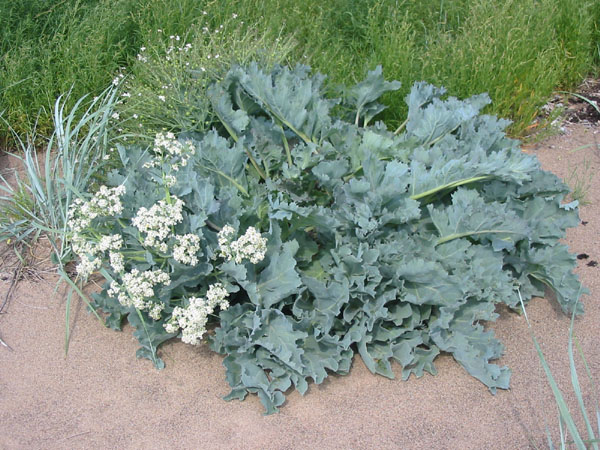
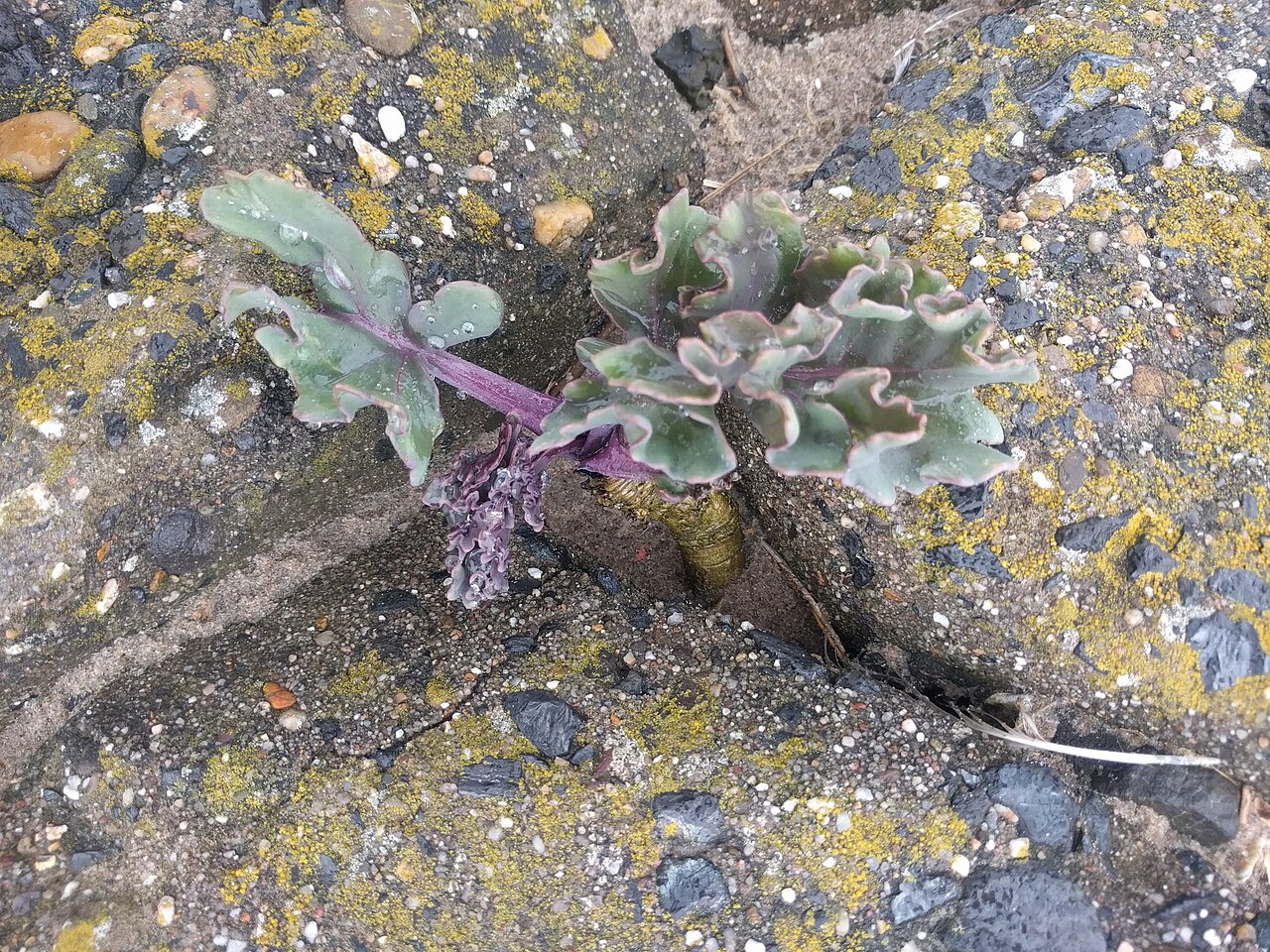
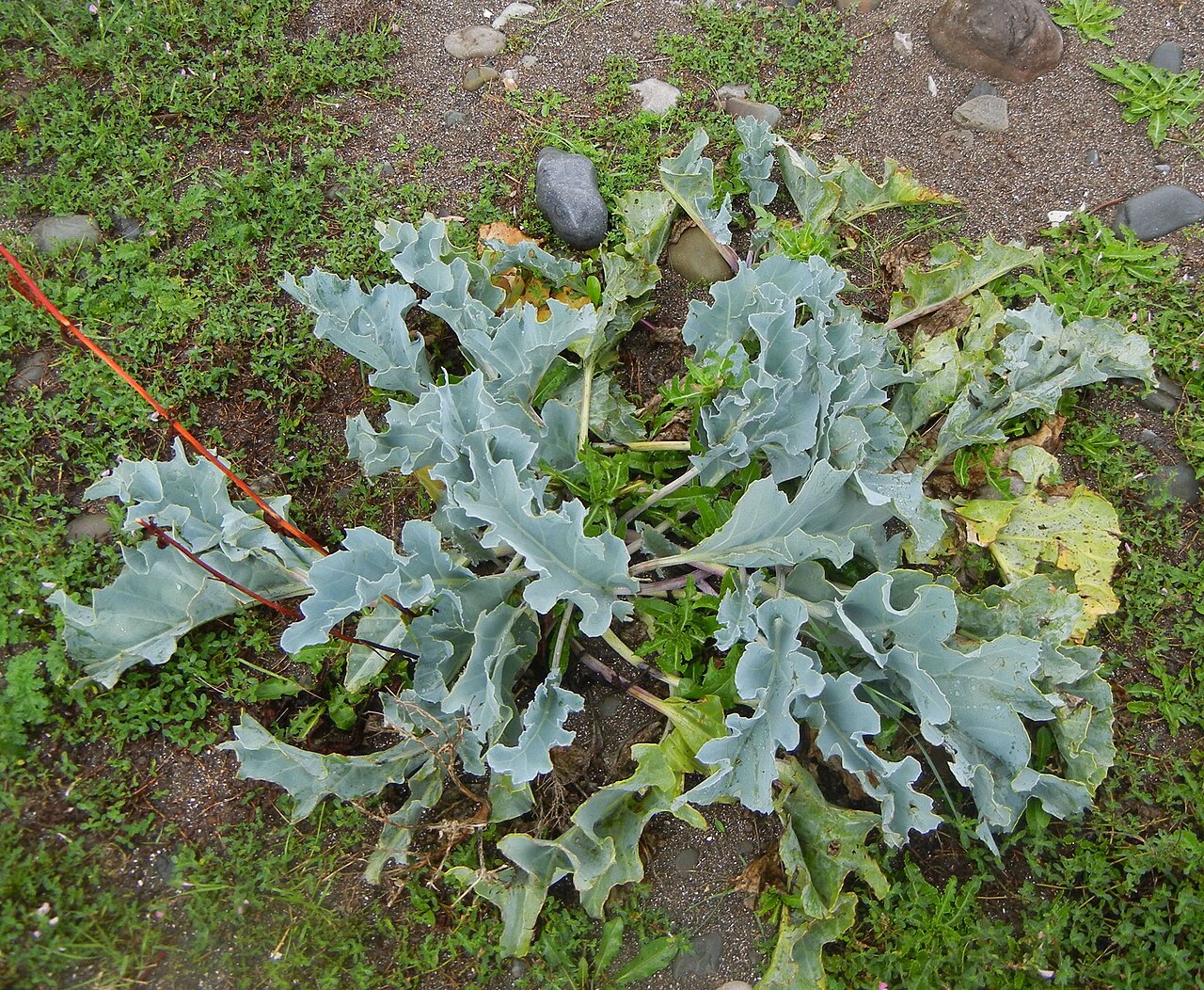
What it looks like
Why this variety
Improved Lilywhite is a modern reselection of the classic Lily White strain, bred over several cycles from a number of Lily White sources for the most vigorous and drought-resistant plants, with a much finer flavor than wild sea kale — and, usefully, shoots that stay relatively mild even without light exclusion. It is sold as a named reselection rather than an old strain, which makes it the sea kale to plant if you want the classic’s virtues with a little more vigor and a little less fuss about blanching.
Mildness without blanching is a genuine improvement: where old Lily White needs a pot over the crown to be at its best, Improved Lilywhite gives you tender, mild shoots with less work, which means more gardeners actually get the harvest instead of admiring the idea of it. The vigor helps too — a stronger plant establishes faster, tolerates a dry spell better, and gives you a bigger crown sooner, which is the whole game in a perennial vegetable.
If you are new to choosing between cultivars, the Varieties Matter guide explains why the name after the plant matters as much as the plant itself. And if you want the whole clan at a glance, the broader Sea Kale guide covers sea kale generally.
How to grow
In Florida, sea kale is a coastal perennial playing an away game: in its native shingle beaches it loves sun, salt wind, and sharp drainage, and in a humid garden it wants that same drainage plus afternoon shade and room to breathe. Treat it as a north-of-the-state trial — plant it in a raised bed of sandy, well-drained soil, mulch with something airy, and do not expect a beach plant to enjoy a soggy summer. The reward for getting it right is a long-lived perennial that gives you blanched spring shoots, summer leaves, and broccoli-like flower shoots from one crown, year after year.
Plant in spring in sandy, well-drained soil, 24 inches apart, and let it establish for a full year before harvesting — the reselection’s vigor does not excuse a first-year harvest, it just rewards the wait more generously. Mulch lightly, water in dry spells while it establishes, and blanch in the second spring for the finest shoots, or pick unblanched shoots for a still-mild harvest if you skipped the pot.
Water & feeding
Sea kale hates wet feet more than it hates drought — sharp drainage is non-negotiable, and a soggy crown rots. Water deeply but infrequently once established, mulch lightly so air still moves, and feed with compost in spring; a sea kale that sits in puddles is a sea kale on its way out.
Common problems
The same sea kale cautions apply: drainage first, slugs second, cabbage whites third. Improved Lilywhite’s drought tolerance helps once established, but it does not make a soggy crown safe — sharp drainage is still non-negotiable, and a crown sitting in wet soil in summer is a crown on borrowed time.
Harvest
Cut shoots in the second spring, pale and crisp if blanched, still mild if not, and pick young leaves and summer flower shoots through the season. Leave the crown to strengthen year by year — an Improved Lilywhite crown, well sited, is a decade-long investment that pays you back every spring with a vegetable most gardeners have never tasted.
Nerdy fact: Sea kale seed has a famously short shelf life — germination drops noticeably after a single year — which is why old gardeners sowed it fresh and saved seed every season. Improved Lilywhite seed is no exception: sow it fresh, sow it soon, and do not trust a packet that has spent two summers in a drawer, because it has spent them becoming compost.
Saving seeds
Improved Lilywhite is a modern reselection of the classic Lily White strain, bred over several cycles from a number of Lily White sources for the most vigorous and drought-resistant plants, so saved seed comes true — plant in spring in sandy, well-drained soil and let it establish for a full year before harvesting. The full method is in the Saving seeds section of the Sea Kale guide.