
🌊 Sea Kale
What it looks like
How to grow
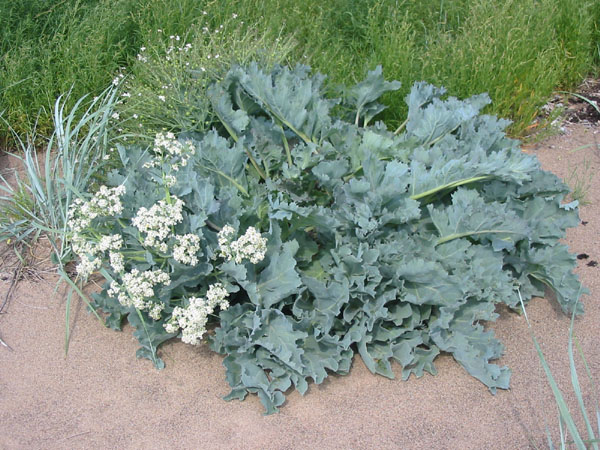
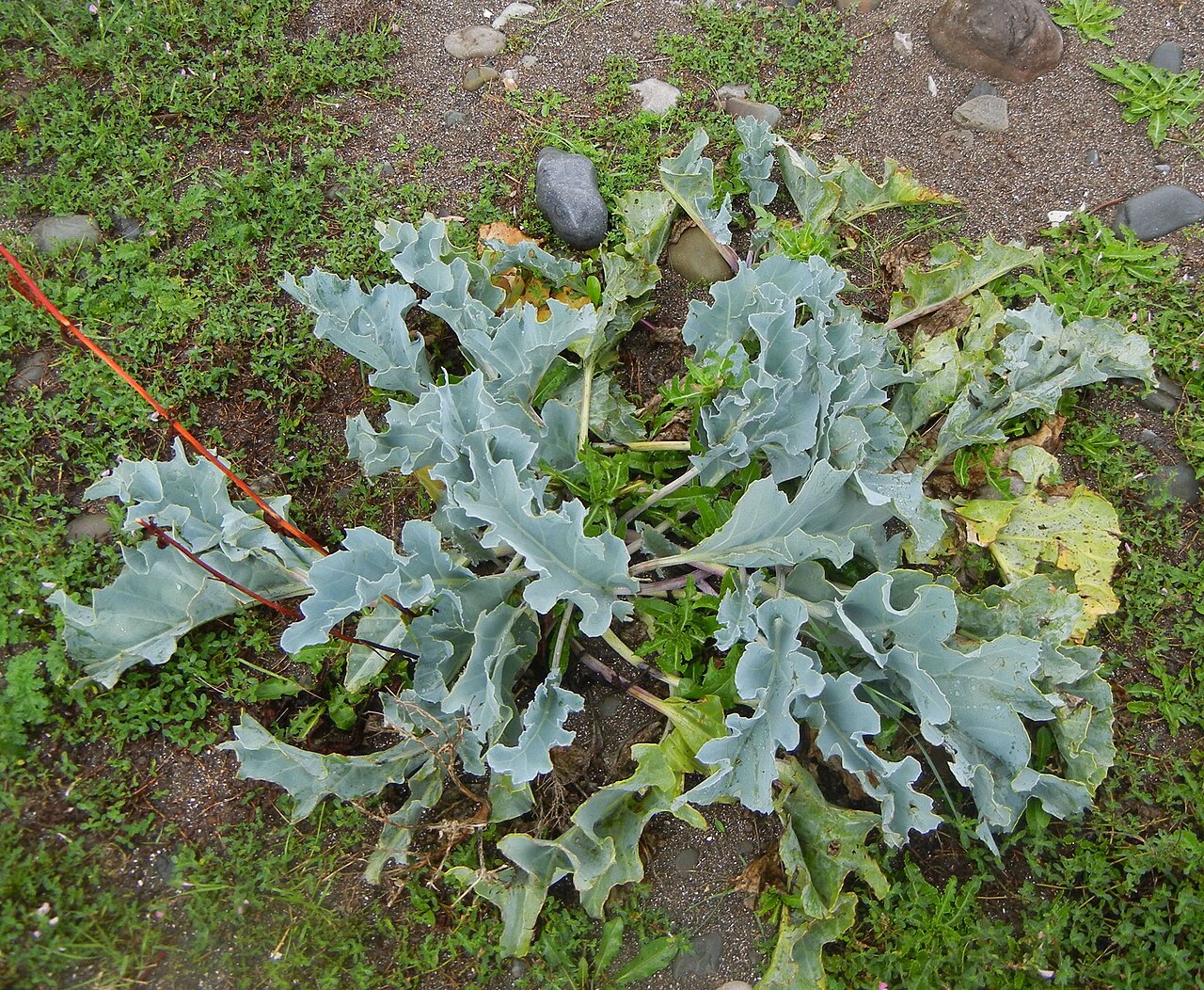
Sea kale is a clump-forming perennial brassica from European seashores, grown for blanched spring shoots, young leaves, flower buds, and even roots. Start from crowns, root cuttings (thongs), or seed in spring — seed germination is erratic and benefits from a cold period — and plant in full sun in deep, fertile, very well-drained soil; sea kale will not survive waterlogging, but it tolerates drought, salt, and wind once established. Space plants 2–3 feet apart. Like asparagus, sea kale must not be harvested until its third year, or you will weaken the plant; after that, a clump can produce for a decade or more. It prefers cooler summers and may need afternoon shade in hot regions.
Water & feeding
Water about an inch a week while establishing and in dry spells; established plants are fairly drought-tolerant. Add an inch of compost before planting and top-dress annually. Excellent drainage matters more than rich, wet soil.
Common problems
- Harvesting too early — wait until year three, or plants never recover their vigor.
- Waterlogging — the one fatal condition; use raised beds in heavy soil.
- Cabbage pests — generally few problems, but watch for caterpillars and flea beetles.
- Exhaustion from forcing — force shoots only on mature plants, and leave at least a third of the leaves to rebuild strength.
Harvest
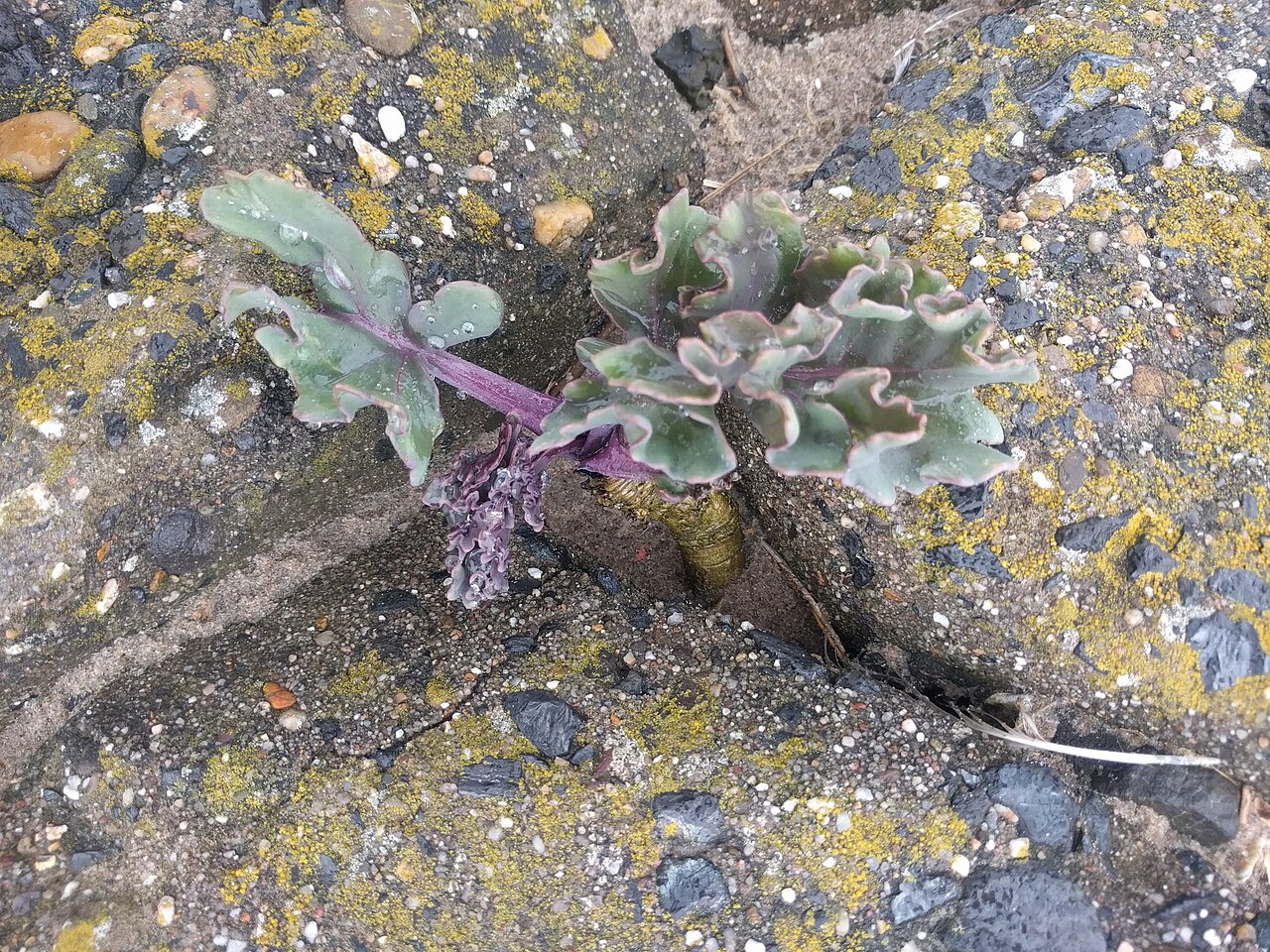
For blanched shoots, cover crowns with a forcing pot or bucket in late winter; in 4–6 weeks cut shoots at 6–9 inches, when pale and tender, and cook like asparagus with butter or béchamel. Unblanched young leaves taste like collards, flower buds cook like broccoli, and roots from mature plants can be boiled or steamed. Remove flower shoots on plants you are harvesting for leaves, so energy goes to foliage.
Browse all plant & pest guides
Saving seeds
Sea kale seed comes with a locked door, and the lock is the shell. Each seed sits inside a corky, buoyant pericarp built to float at sea, and that shell is what keeps germination slow and erratic. The fix is simple: gently crack the outer shell with a nutcracker or a mortar and pestle to expose the small black seed inside, or give the seed two weeks of moist refrigeration to soften the pericarp first. Sow in pots in a cold frame in March or April, in a sandy, well-draining mix, and keep it moist but never waterlogged.
Even with the shell cracked, germination is slow — Plants for a Future reports 3 to 26 weeks at 15°C, so sow more than you need and do not throw the tray out after a month of nothing. Prick seedlings into individual pots as soon as they are big enough to handle, and plant them out once they are at least 10 cm tall. Sea kale grows a long taproot like a carrot and hates being moved once it is established, so choose the final spot early and plant it there. Young plants are very attractive to slugs, so some protection is usually needed.
Division is the reliable route for a plant you already own — dig the root clump in spring or autumn and cut off sections, each with at least one growing point. Root cuttings, the “thongs” of the vegetable world, work the same way. Seed is for starting from scratch and for genetic diversity, and it is the only way to get a plant that is not a clone of someone else’s.
Save seed from a healthy plant and let the seed ripen fully before collecting. Sea kale is self-fertile, so one plant can set seed on its own. And the Florida honesty: sea kale is a cool-climate perennial for zones 6 to 9, happiest on a windy shingle beach in England, and it struggles in Florida heat and humidity. Your best shot is north Florida, sandy soil, full sun with afternoon shade, and realistic expectations — treat it as a cool-season experiment, not a sure thing.
Varieties
Every named variety of Sea Kale with its own growing guide:
- Lily White Sea Kale — The classic sea kale — pale blanched shoots, lily-white foliage, and the Victorian standard.
- Improved Lilywhite Sea Kale — The reselected sea kale — finer flavor, vigorous and drought-tolerant, and mild even without blanching.
- Ordinary Pink-Tipped Sea Kale — The pink-tipped sea kale — rosy leaf edges, sturdy shoots, and the traditional market-garden strain.