
🥬 Ordinary Pink-Tipped Sea Kale
What it looks like
Why this variety
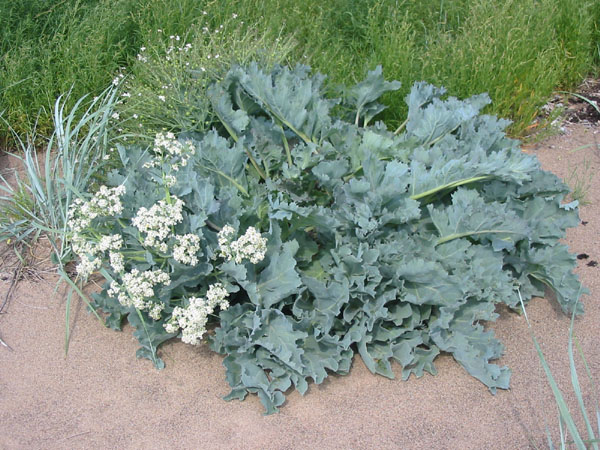
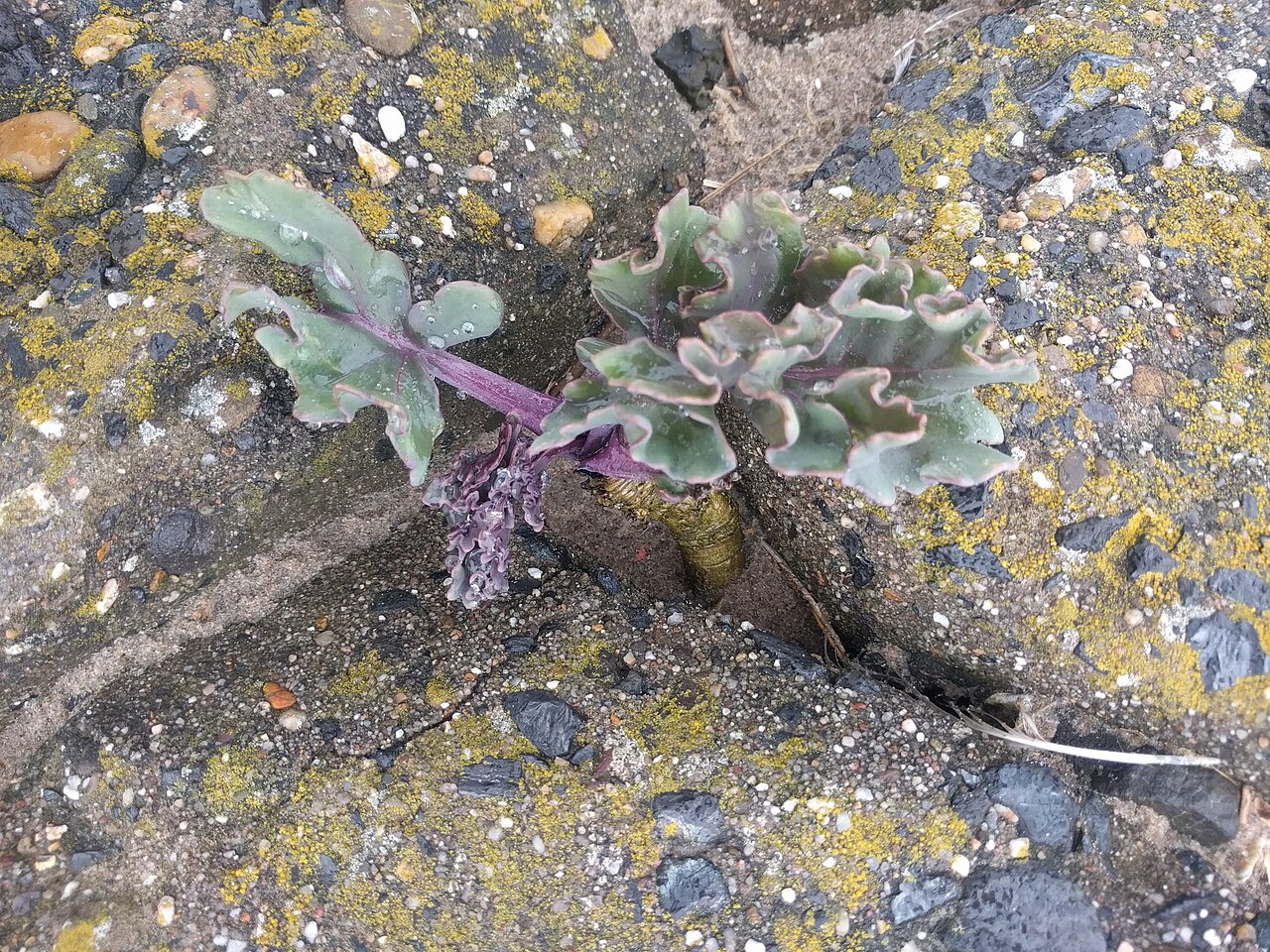
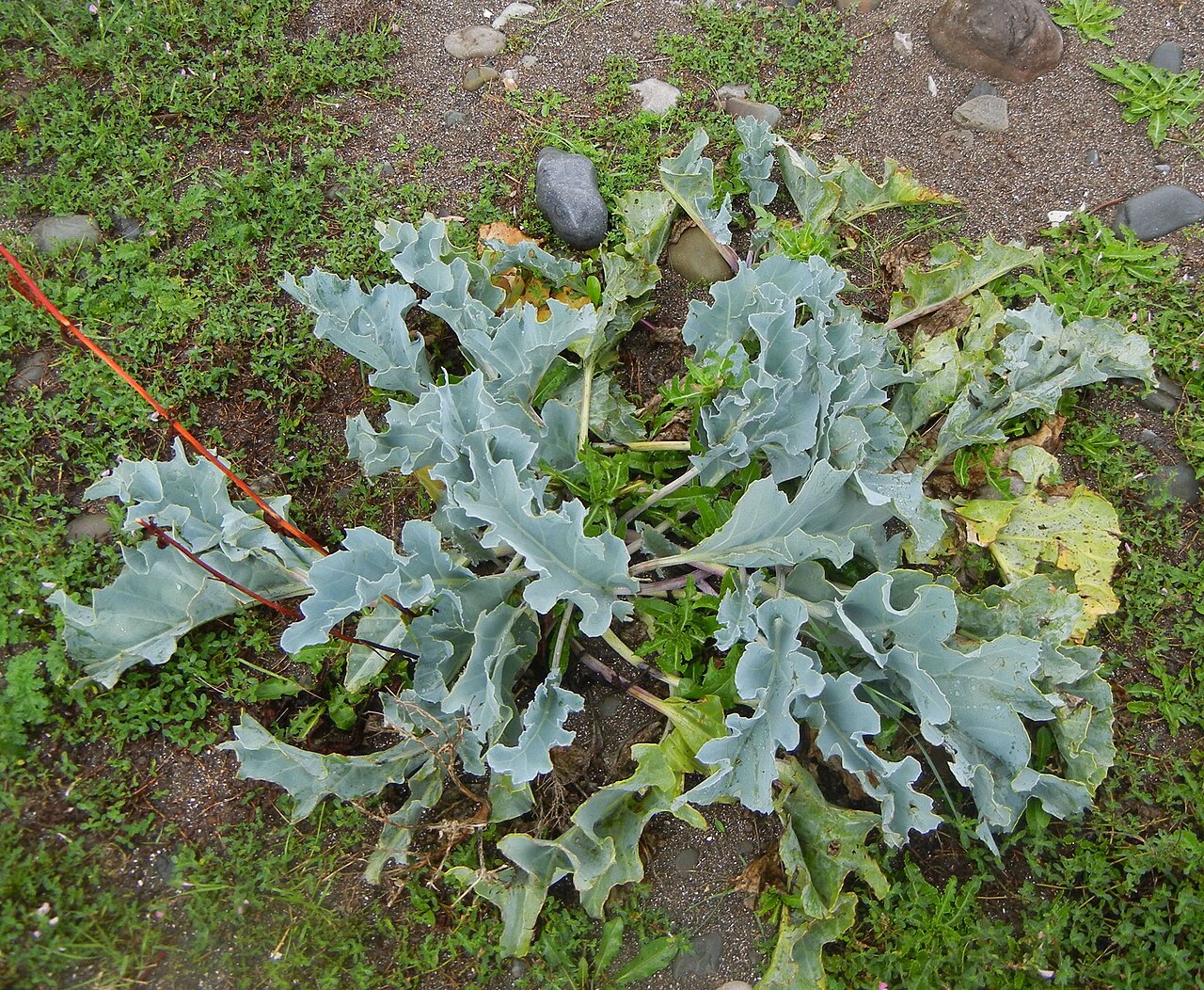
Ordinary Pink-Tipped is one of the traditional sea kale strains, distinguished — as the old garden literature puts it — mainly by foliage color: where Lily White is pale, Pink-Tipped carries a rosy blush on the leaf edges and shoot tips, a difference that is ornamental as much as culinary but that makes the plant easy to spot in a mixed bed. It is sold as a traditional strain rather than a single registered cultivar, and it has persisted because it is a sturdy, reliable shoot producer in the market-garden tradition.
The pink blush is more than decoration: it signals a plant with a slightly different pigment profile, and gardeners who grow several strains often find Pink-Tipped a touch hardier in exposed spots, with shoots that hold up well to cutting and cooking. The flavor is the classic sea kale profile — mild, cabbage-asparagus, refined when blanched — and the pink tips make the raw shoots pretty enough to serve as garnish before they ever reach the pot.
If you are new to choosing between cultivars, the Varieties Matter guide explains why the name after the plant matters as much as the plant itself. And if you want the whole clan at a glance, the broader Sea Kale guide covers sea kale generally.
How to grow
In Florida, sea kale is a coastal perennial playing an away game: in its native shingle beaches it loves sun, salt wind, and sharp drainage, and in a humid garden it wants that same drainage plus afternoon shade and room to breathe. Treat it as a north-of-the-state trial — plant it in a raised bed of sandy, well-drained soil, mulch with something airy, and do not expect a beach plant to enjoy a soggy summer. The reward for getting it right is a long-lived perennial that gives you blanched spring shoots, summer leaves, and broccoli-like flower shoots from one crown, year after year.
Grow it like other sea kales: plant in spring in sandy, sharply drained soil, space 24 inches apart, and do not harvest in year one. Blanch in the second spring for pale, tender shoots — the pink blush fades under cover, which is normal — or harvest unblanched for a sturdier green. Feed with compost in spring, mulch lightly, and give it room: a mature sea kale crown is a big, bold plant that does not appreciate neighbors crowding its elbows.
Water & feeding
Sea kale hates wet feet more than it hates drought — sharp drainage is non-negotiable, and a soggy crown rots. Water deeply but infrequently once established, mulch lightly so air still moves, and feed with compost in spring; a sea kale that sits in puddles is a sea kale on its way out.
Common problems
Drainage, slugs, and cabbage whites are the recurring trio, and Pink-Tipped handles them like its kin — well in drained soil, less well in a puddle. The pink-tipped foliage can also scorch in fierce, unshaded sun, so in a hot climate, afternoon shade is a kindness, not a compromise.
Harvest
Cut blanched shoots in spring at 3–6 inches, pick young leaves for cooking greens, and take the summer flower shoots like broccoli. Leave the crown perennial, and let one plant flower fully if you want seed — sea kale seed is short-lived, so sow it fresh the same season, and keep the strain going the old-fashioned way: by saving it yourself.
Nerdy fact: The pink in Pink-Tipped is anthocyanin, the same pigment family that colors red cabbage and autumn leaves, laid down in the leaf margins where light hits hardest. It is, in effect, the plant’s sunscreen made visible — a coastal plant wearing its sun protection on its edges, where the sea wind and the sun hit first.
Saving seeds
Ordinary Pink-Tipped is one of the traditional sea kale strains, distinguished — as the old garden literature puts it — mainly by foliage color: where Lily White is pale, Pink-Tipped carries a rosy blush on the leaf edges and shoot tips, a difference that is ornamental as much as culinary but that makes the plant easy to spot in a mixed bed. It is sold as a traditional strain rather than a single registered cultivar, and it has persisted because it is a sturdy, reliable shoot producer in the market-garden tradition. As an open-pollinated traditional strain it comes true from seed: plant in spring in sandy, sharply drained soil, space 24 inches apart, and do not expect a beach plant to enjoy a soggy summer — in Florida, treat it as a north-of-the-state trial in a raised bed. The full method is in the Saving seeds section of the Sea Kale guide.