
🍋 Improved Meyer Lemon
What it looks like
Why this variety
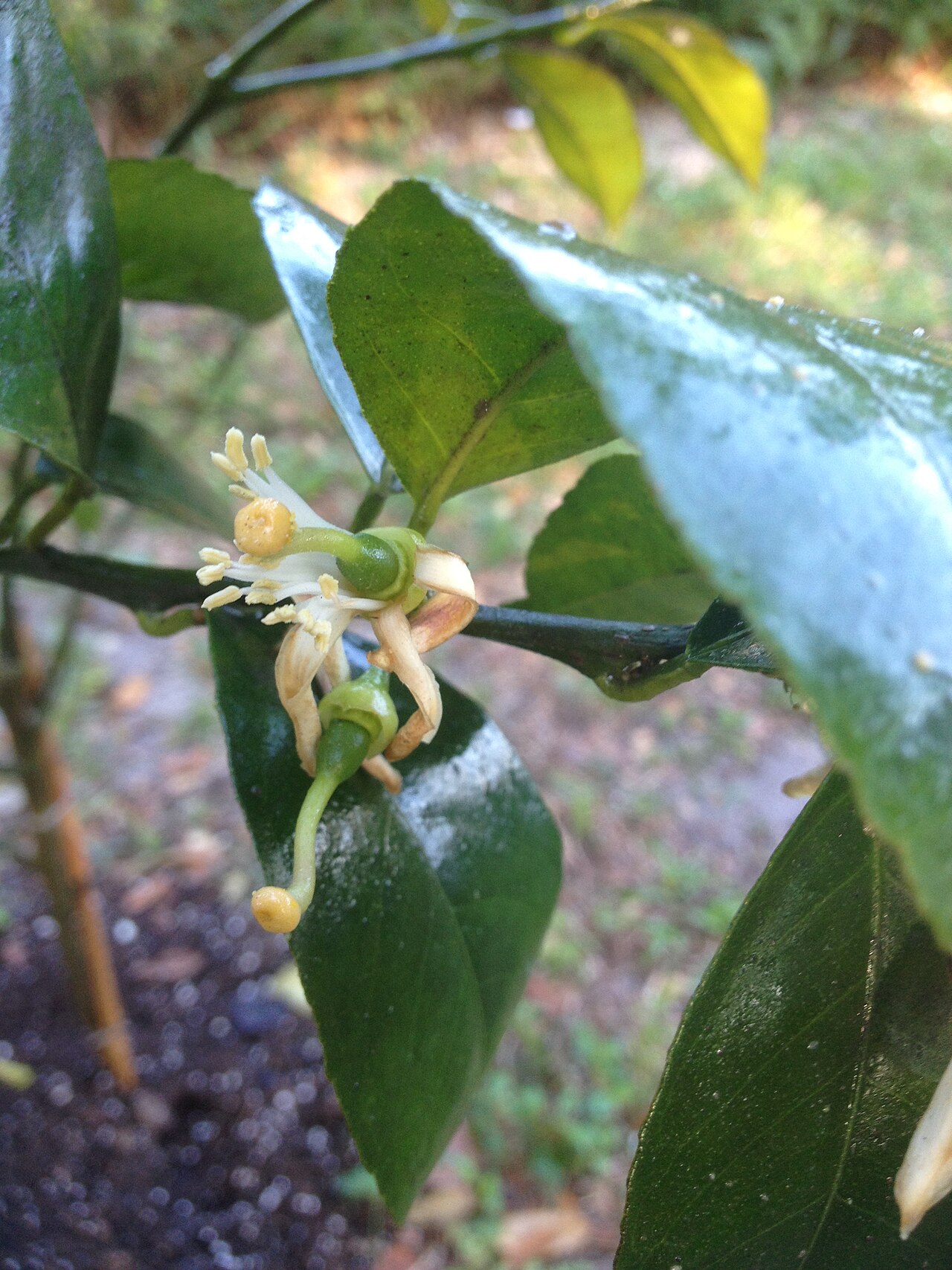
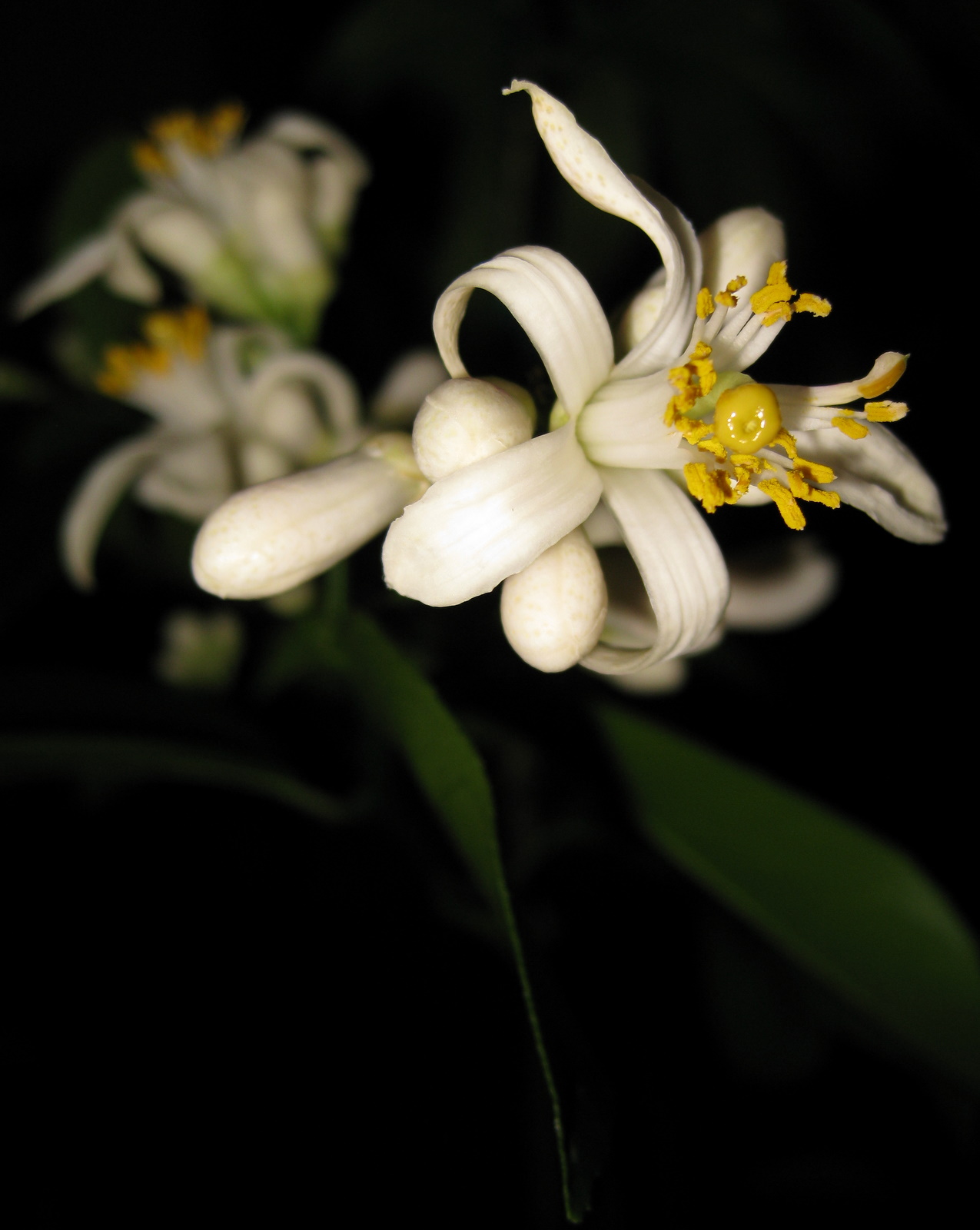
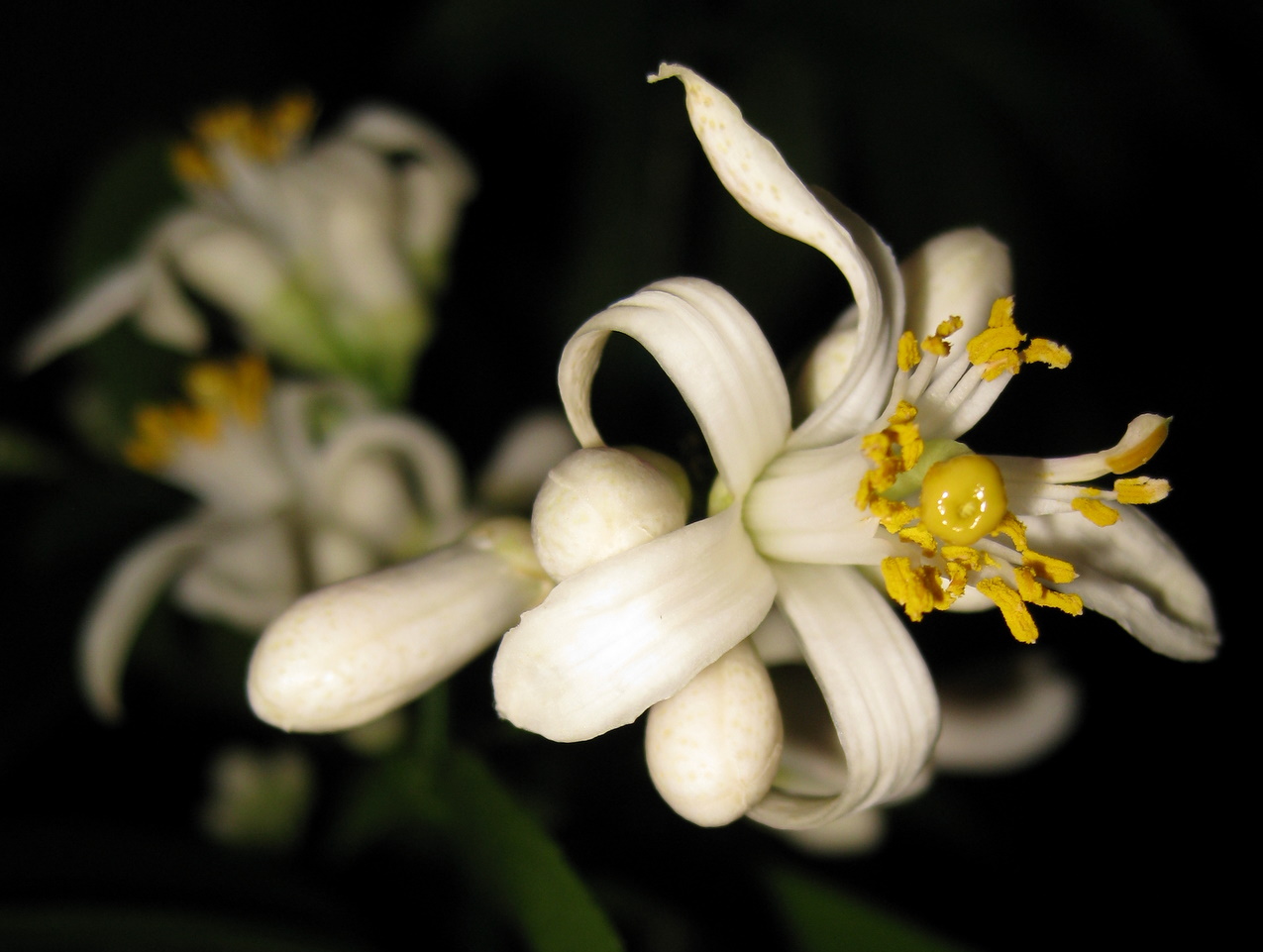
Improved Meyer Lemon is not quite a lemon and not quite a mandarin — it is a cross between the two, and that parentage is the whole story: sweeter and less acidic than a true lemon, fragrant, thin-skinned, and so productive that a healthy tree seems to be flowering, fruiting, and ripening all at once. The ‘Improved’ part matters: the original Meyer carried citrus tristeza virus, and the improved selection is a virus-free clone, which is why reputable nurseries sell ‘Improved Meyer’ and not just ‘Meyer.’
In Florida, Meyer is the most cold-hardy of the lemon and lime group, surviving to the mid-20s Fahrenheit once mature, which makes it plantable in the ground across much of the state with frost protection in North Florida, and a superb container tree everywhere else — a pot you wheel under cover on freeze nights is a perfectly respectable citrus strategy. It fruits nearly year-round, with a main crop in winter and spring, and the fruit holds on the tree well, so you pick as you cook rather than in a panic.
If you are new to choosing between cultivars, the Varieties Matter guide explains why the name after the plant matters as much as the plant itself.
How to grow
Citrus in Florida comes with one giant asterisk: citrus greening (HLB), spread by the Asian citrus psyllid, has reshaped citrus growing across the state. That does not mean you cannot grow a backyard citrus tree — it means you start with certified disease-free nursery stock, watch for psyllids, and keep the tree vigorous, because a stressed tree declines faster. Plant in the sunniest, warmest spot you have, ideally with a south or southwest exposure and some reflected warmth from a wall or patio, in well-drained soil. Citrus roots drown in standing water faster than almost any other fruit tree’s.
Plant in the warmest, sunniest spot you have, feed as a citrus (several small feeds across spring and summer), and watch for greening symptoms and psyllids like any Florida citrus grower. Meyer is vigorous and compact — 6 to 10 feet — so it fits small yards that could never host a full-size orange tree, and its fragrant blossoms alone justify the space.
Space trees for their mature size — a full-size citrus tree wants at least a 12-by-12-foot patch of sky — and protect young trees from freezes with frost cloth and water before a cold night (wet soil holds heat better than dry soil). Prune lightly: citrus mostly needs dead wood removed and the canopy kept open enough for air, not the hard annual haircuts some fruit trees demand.
Water & feeding
Water deeply and infrequently, letting the top few inches dry between waterings; shallow daily sprinkles build shallow roots and invite root rot. New trees need water weekly through their first dry season, and container trees need it far more often — a pot in Florida sun dries out with impressive speed.
Feed citrus several times a year with a citrus fertilizer, split across spring and summer rather than dumped in one dose, and watch for micronutrient deficiencies — yellowing between leaf veins often means zinc or manganese, and Florida’s sandy, high-pH pockets lock those up. Castings help soil life, but they do not replace the citrus feed; use both, and skip fertilizer in late fall, when tender new growth would walk straight into a freeze.
Common problems
- Citrus greening (HLB) — yellowing, blotchy mottled leaves, lopsided bitter fruit, and slow decline, spread by the Asian citrus psyllid. There is no cure: buy certified disease-free trees, scout for psyllids, keep trees vigorous, and remove confirmed trees so they do not infect neighbors.
- Asian citrus psyllid — tiny insects on new flush that spread greening. Watch new growth, encourage beneficial insects, and treat flush carefully if psyllids appear.
- Citrus canker — raised, corky lesions on leaves and fruit in wet weather. Avoid overhead watering, do not work wet trees, and buy clean nursery stock.
- Root rot (Phytophthora) — follows poor drainage and overwatering. Plant high, drain well, and water deeply but infrequently.
- Freeze damage — the northern Florida citrus killer. Cover young trees, water before freezes, and plant cold-hardy varieties at the edge of their range rather than tender ones.
Harvest
Pick when fruit turns full yellow and feels slightly soft — Meyer lemons color up before they are fully sweet, so taste-test rather than trusting color alone. The fruit holds on the tree for weeks, so harvest as needed; refrigerated fruit keeps a couple of weeks, and the thin peel zests beautifully.
Citrus holds well on the tree compared with most fruit, so taste-test rather than stripping the tree at once. Fruit picked at full color and sweetness keeps a couple of weeks refrigerated, and the peel zests beautifully if you grow without heavy sprays.
Browse all plant & pest guides
Saving seeds
Improved Meyer Lemon is not quite a lemon and not quite a mandarin — it is a cross between the two, and the ‘Improved’ part matters: the original Meyer carried citrus tristeza virus, and the improved selection is a virus-free clone, so plant a certified disease-free nursery tree, never a seedling. The Saving seeds section of the Meyer Lemon guide covers seed for the species generally.