
🍋 Meyer Lemon
What it looks like
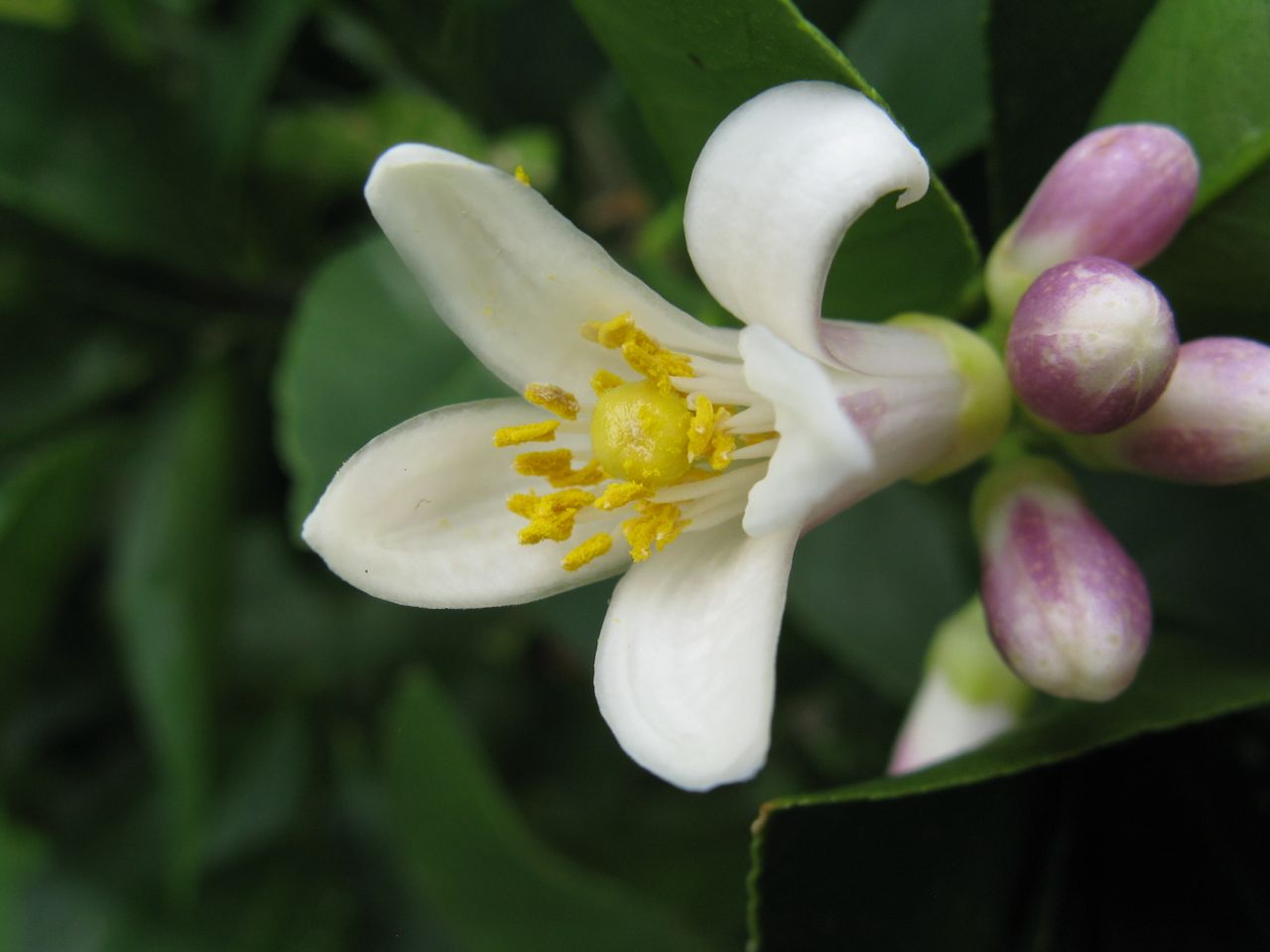
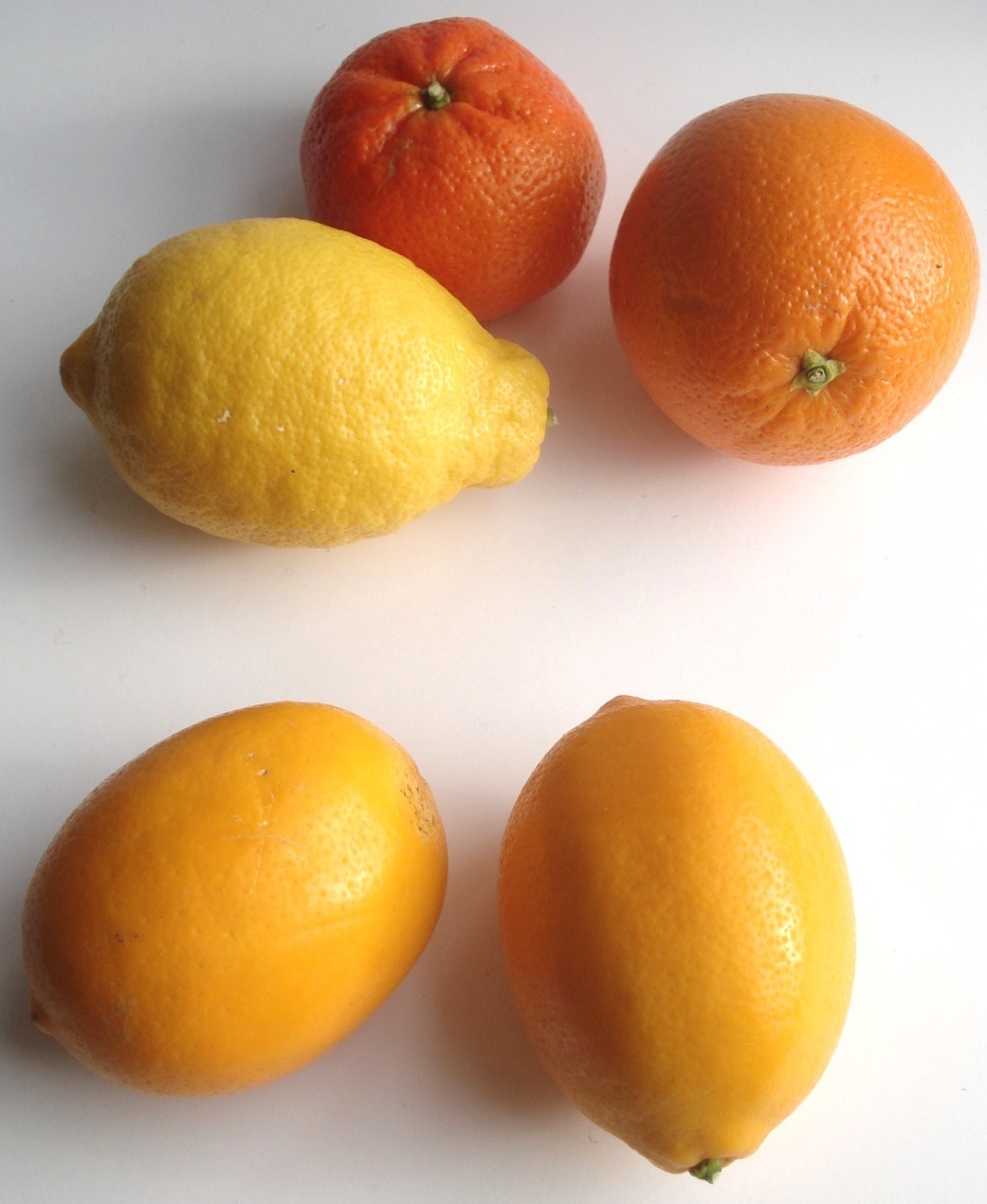
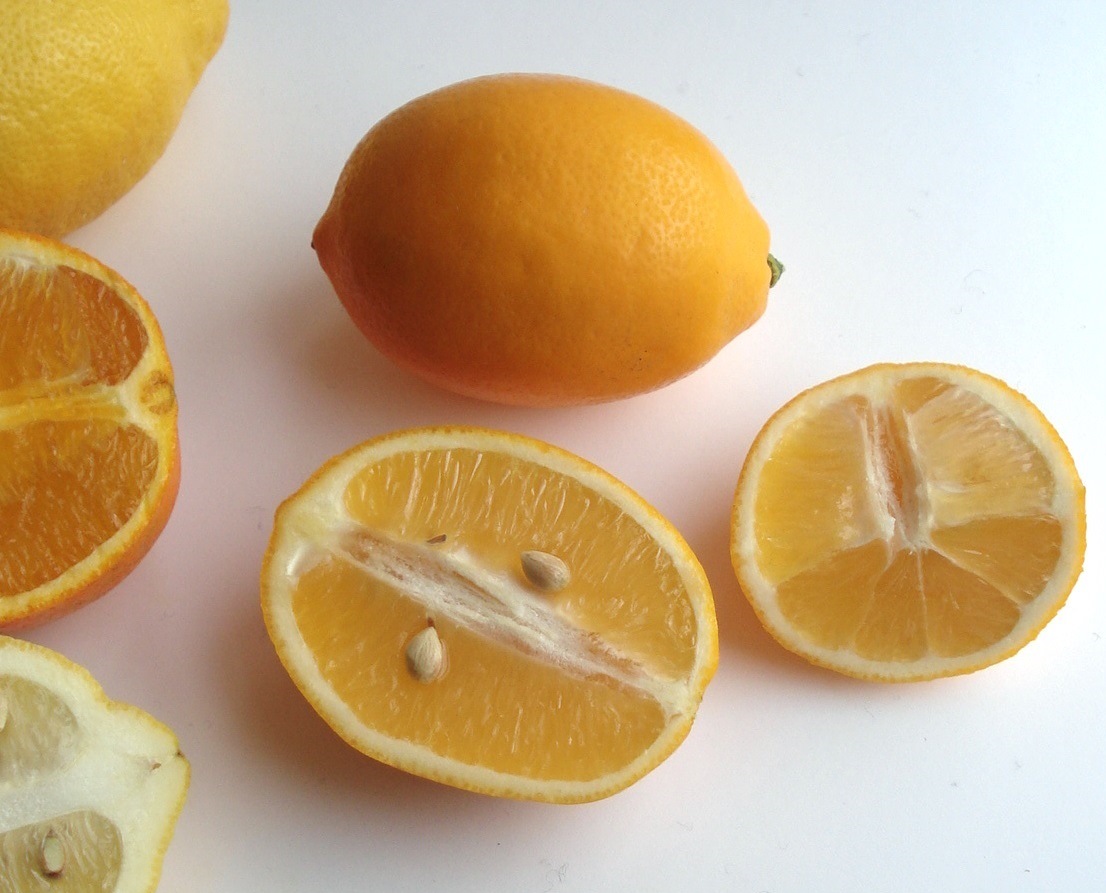
How to grow
Meyer lemon is a hybrid of lemon and mandarin orange, which explains everything about it: thinner skin, sweeter and less acidic juice, a floral scent, and a tree that stays smaller and fruits younger than a true lemon. Grow it in full sun in well-drained, slightly acidic soil, in zones 9-11 outdoors or in a large pot elsewhere — it is the most popular container citrus for a reason, since it fruits heavily in a pot and moves inside for winter. It is self-fertile, nearly thornless, and nearly everbearing in warm climates, flowering and fruiting in flushes through much of the year. Buy certified disease-free stock, and in citrus-quarantine states, buy only from approved sources. Today nearly every Meyer sold by a reputable nursery is the virus-free Improved Meyer selection, which replaced the original introduction after it was found to carry citrus tristeza virus. Prune lightly to keep it open and to remove crossing branches.
Water & feeding
Water deeply when the top few inches dry, more in summer and while fruit swells, less in winter. Container trees dry faster and need checking often, but never let them sit in water. Feed with a citrus fertilizer in spring and summer; potted trees need feeding more often than in-ground trees.
Common problems
- Frost — move pots in before cold weather; in-ground trees in marginal zones need covering.
- Citrus leafminer, scale, and aphids — inspect new growth and treat with horticultural oil or soap.
- Citrus greening (HLB) — buy certified stock; no cure exists.
- Overwatering in pots — the classic container mistake; drainage and a drying interval matter more than a schedule.
Harvest
Pick when fruit turns fully yellow-orange and gives slightly; Meyer lemons ripen to a deeper gold than true lemons and feel softer. Use the juice and zest in cooking, baking, and drinks — the sweeter juice needs less sugar than Eureka lemon juice. Fruit holds on the tree for weeks, so pick as needed.
Browse all plant & pest guides
Saving seeds
Here is the honest headline: a seed from your Meyer lemon will not grow a Meyer lemon. Meyer is a hybrid of lemon and mandarin orange, and its seedlings are a genetic lottery — you may get something lemony, something orangey, or something that tastes like neither parent. A grafted tree is the only way to a true Meyer lemon, and that is worth saying before you save a single seed.
That does not mean the seed is useless. It makes a fine rootstock, it makes a fine experiment, and it makes a fine tree for a patient gardener who likes surprises. To save it, cut a ripe fruit and pick out the plumpest seeds. Rinse off the pulp, and sow the seed fresh — citrus seed loses viability fast once it dries, so do not leave it on the counter for a week. Sow about half an inch deep in a warm, moist mix, and keep it warm: germination usually comes in a few weeks in warm soil and drags in cool soil.
Grow the seedling on in a pot for its first year, in the same bright spot the parent enjoys. It will fruit in a few years if it fruits at all, and the fruit will be whatever the genes decided — sour, sweet, seedy, or seedless. If a seedling turns out wonderful, the way to keep it is to graft it, not to save its seed, because its own seedlings will roll the dice again.
If you do want to store seed, dry it only briefly — a day or two at most — and jar it cool and dark. Florida humidity is the enemy of stored seed, and citrus seed is already impatient about storage, so sowing fresh is always the better bet. The seed you save is not a Meyer lemon. It is a question mark with leaves, and sometimes a question mark is exactly the right thing to plant.