
🌳 Ivory Silk Japanese Lilac Tree
What it looks like

Why this variety
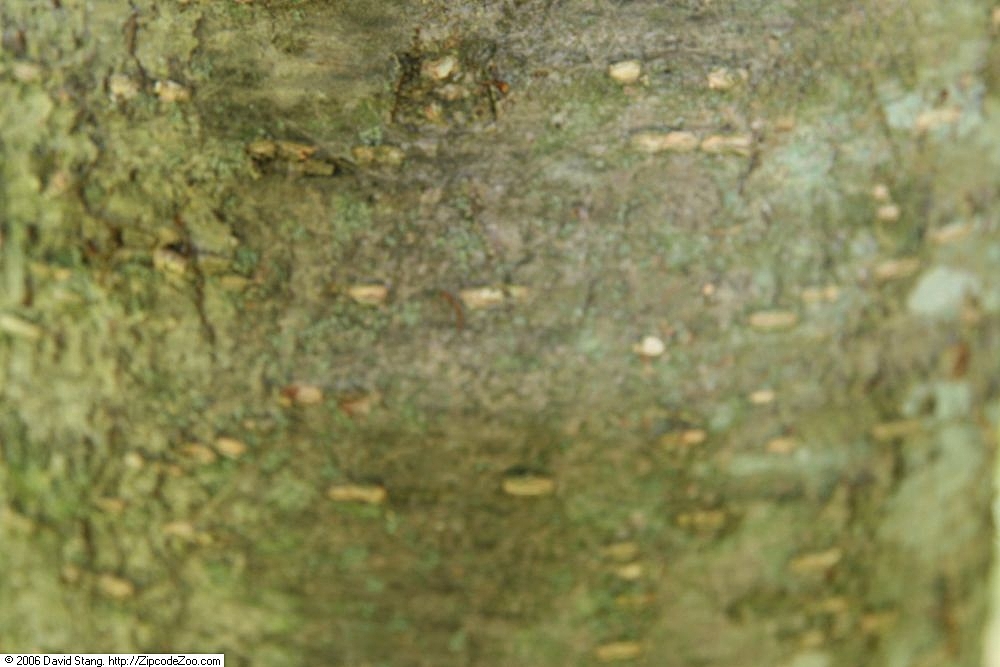
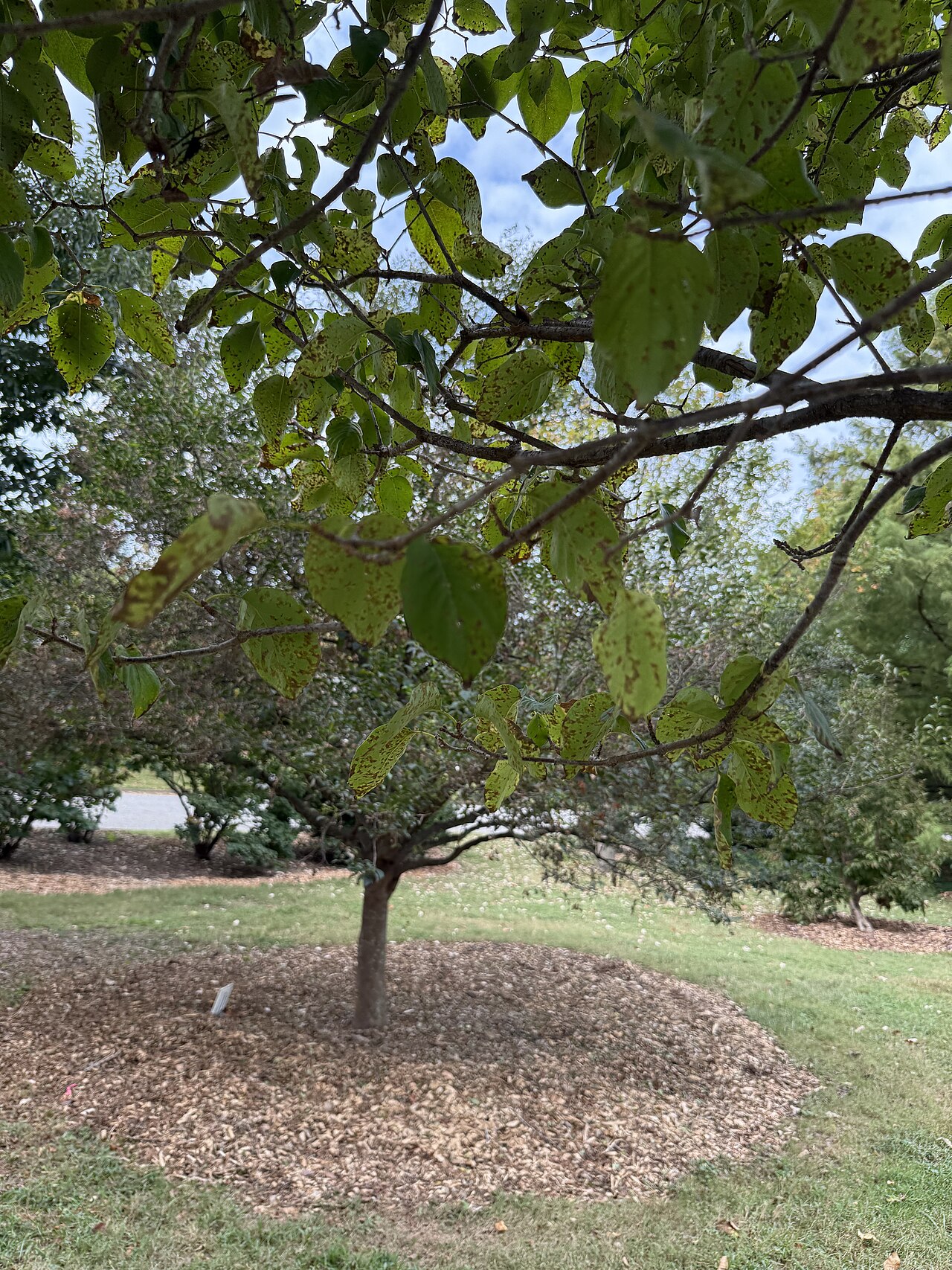
Ivory Silk is the lilac tree that made lilac trees respectable: a selection of the Japanese tree lilac, chosen for dense, upright growth and huge, creamy-white flower plumes in early summer — weeks after common lilacs have finished — with a light, sweet fragrance that carries on a warm evening. Unlike shrub lilacs, this is a real small tree, fifteen to twenty-five feet tall, with cherry-like bark that peels in horizontal strips and a tidy, oval crown, which is why cities plant it as a street tree: it tolerates heat, drought, pollution, and poor soil better than almost any other flowering tree its size, and it asks for almost nothing once established.
The trade-off is chill and identity. Ivory Silk needs winter cold to bloom well, which limits it in Florida to a North Florida trial, and it is not a common lilac: its flowers come in summer plumes, not spring clusters, and its scent is lighter than a shrub lilac’s perfume — gardeners expecting a giant lilac bush will be surprised, pleasantly or not. It also seeds freely in some regions, so deadhead after bloom if seedlings appear, and give it room: a twenty-foot tree is not a foundation shrub, no matter how pretty its flowers are.
If you are new to choosing between cultivars, the Varieties Matter guide explains why the name after the plant matters as much as the plant itself. Ivory Silk is a perfect example: it is not just a japanese lilac tree in the abstract, it is a japanese lilac tree with a specific job, a specific history, and specific strengths.
Florida honesty: Japanese lilac tree is a North Florida trial, not a statewide tree. It needs winter chill that Central and South Florida do not deliver, and even in the Panhandle a warm winter can thin the bloom. Plant Ivory Silk in full sun with well-drained soil in the coldest part of a North Florida yard, and treat a summer of ivory plumes as a win. South of North Florida, plant a summer-flowering tree that does not need chill, like crape myrtle, and admire lilac trees in photographs.
How to grow
Plant a nursery tree in fall or spring in full sun and well-drained soil, with fifteen to twenty feet of room — Japanese lilac tree is a small tree, not a shrub. Work worm castings and compost into the planting hole, water deeply through establishment, and stake while young if the site is windy. Prune for structure while young, establishing a single leader and removing crossing branches, and deadhead after bloom if seedlings appear. Do not plant it under wires or tight against a house: a twenty-foot tree planted in a ten-foot space is a future removal, not a landscape plan.
Set plants 15-20 feet apart in soil with a pH around 6.0-7.5. Work worm castings into the bed at planting and mulch to hold moisture. A well-fed japanese lilac tree plant rewards that care directly: steadier growth, better bloom, and a show that actually shows up.
Water & feeding
Water deeply to establish, then water moderately — Japanese lilac tree is drought-tolerant once established and sulks in wet soil, so overwatering is the mistake to avoid after the first two years. Water at the soil line, mulch to hold moisture in the first seasons, and feed lightly: castings at planting plus a spring top-dress is usually enough. In a dry spring, water deeply to support bloom; in a wet season, drainage is the care program, and a lilac tree in a soggy hollow will bloom thinly no matter how much you feed it.
Common problems
- Failure to bloom without winter chill — a warm winter means sparse bloom; in Florida this limits lilac trees to a North Florida trial.
- Seedling volunteers — lilac trees seed freely in some regions; deadhead after bloom if seedlings appear.
- Weak structure from fast growth (Summer Snow) — prune for a single leader while young, removing crossing branches.
- Leaf spot in wet, crowded plantings — space for air, water at the soil line, and remove affected leaves.
- Outgrowing small spaces — a twenty-foot tree is not a foundation shrub; plant it where it has room to become a tree.
Harvest
There is no fruit harvest — Japanese lilac tree is grown for summer flower plumes and bark, and the seasonal work is pruning for structure while young and deadheading after bloom if seedlings appear. Cut a few flowering branches for indoor bouquets in early summer, when plumes are fully open — lilac tree flowers perfume a room lightly and suit tall arrangements. Leave the tree standing through winter for its cherry-like bark, which peels in horizontal curls and gives the tree a second season of interest after the leaves fall.
Browse all plant & pest guides
Saving seeds
Ivory Silk is the lilac tree that made lilac trees respectable, a selection of the Japanese tree lilac chosen for dense, upright growth and huge, creamy-white flower plumes, and seedlings won’t hold that form — plant a nursery tree in fall or spring in full sun and well-drained soil. The Saving seeds section of the Japanese Lilac Tree guide covers seed for the species generally.