
🌸 Japanese Lilac Tree
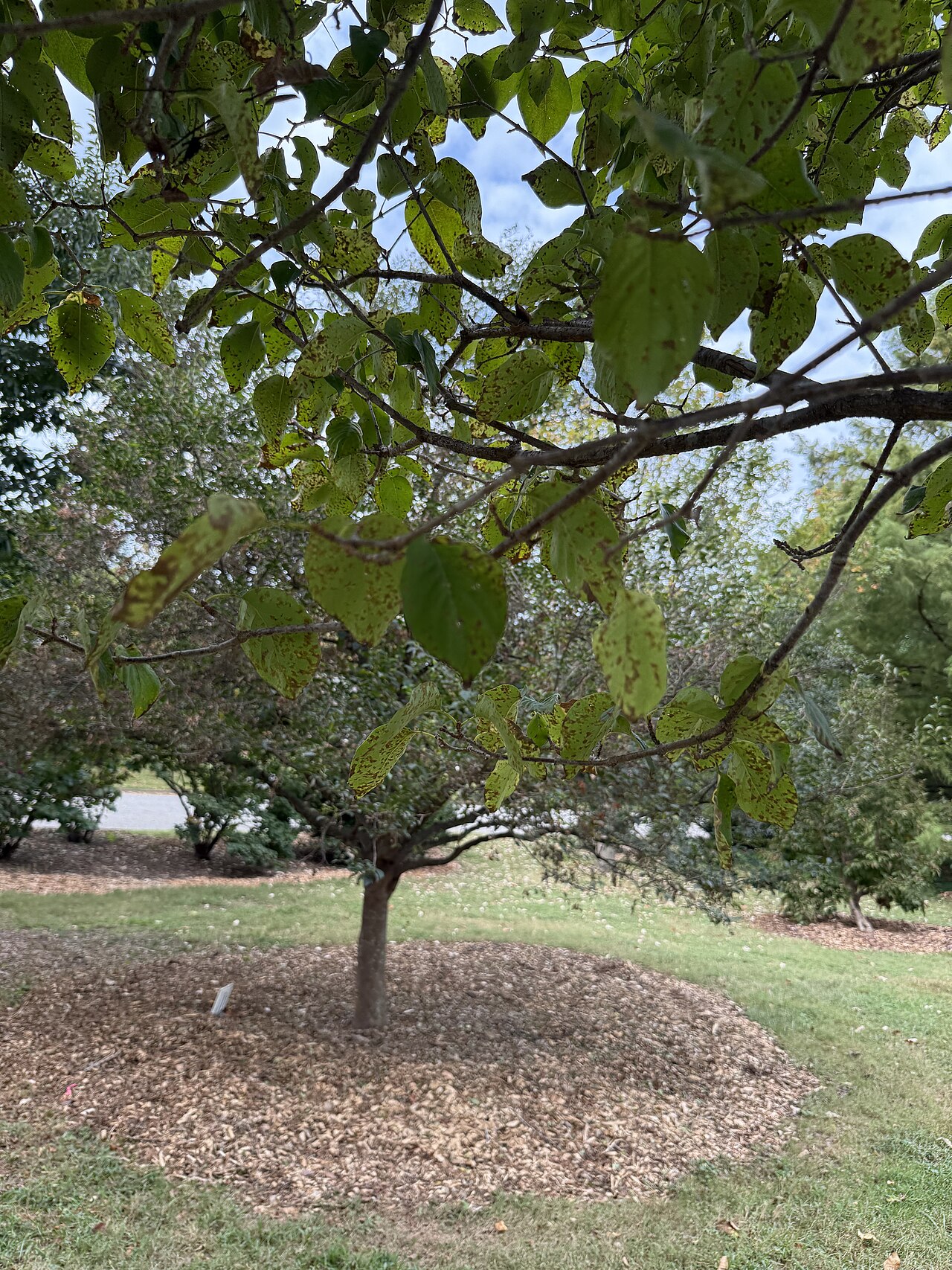
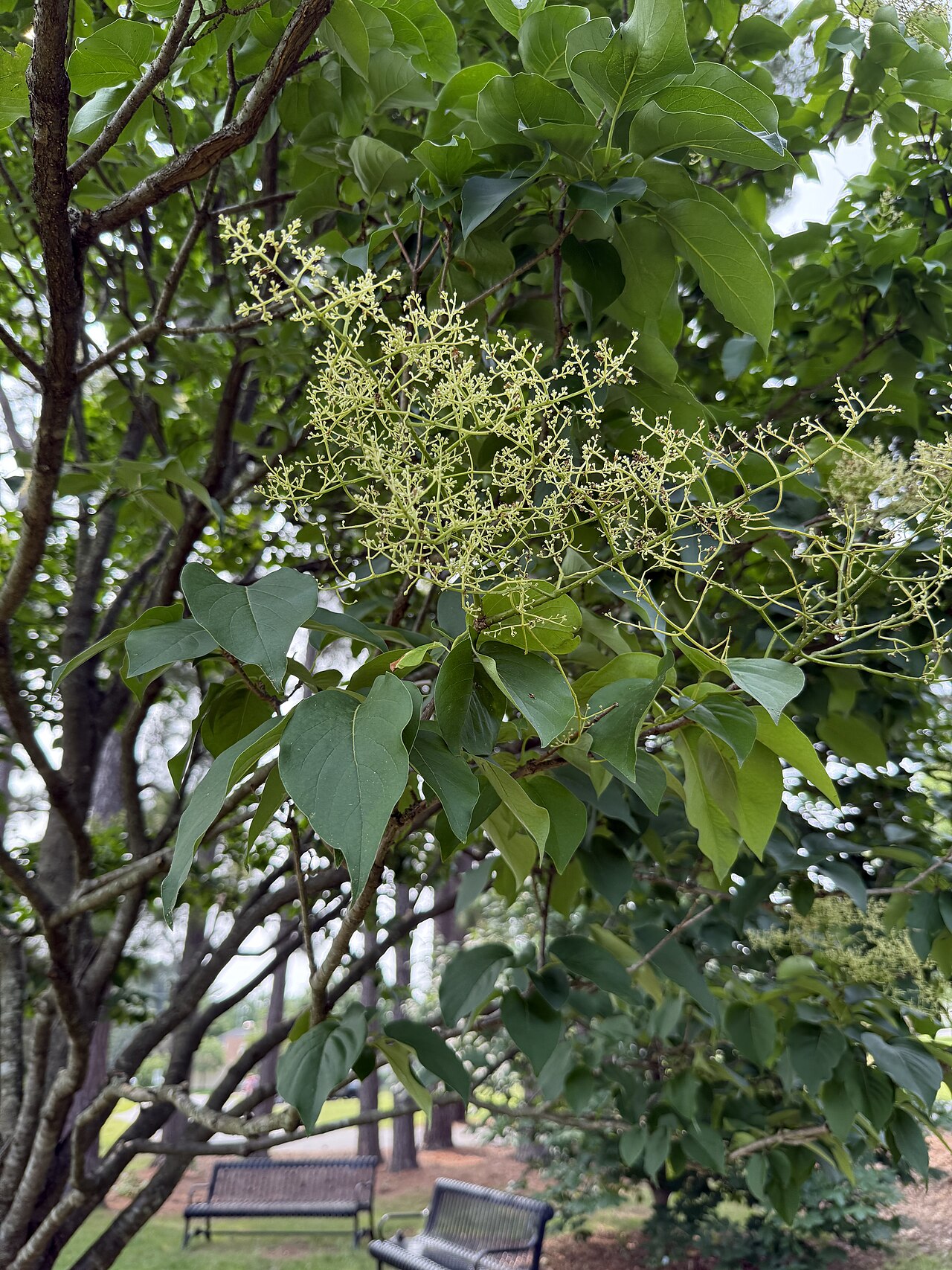
What it looks like

How to grow
Japanese tree lilac is the lilac for gardeners who want a small, single-trunk tree rather than a suckering shrub: 20-30 feet tall, with big, creamy-white flower panicles in early summer, after the common lilacs have finished, and glossy, cherry-like bark with horizontal lenticels. The popular cultivar Ivory Silk is the usual nursery offering and stays a touch smaller. Plant in full sun in well-drained soil; it tolerates clay, compacted soil, salt and city pollution better than most flowering trees, which is why it is a favourite street tree in cold climates. It is not a southern tree — it needs cold winters and struggles in the heat of zones 8 and above.
Water & feeding
Water deeply through the first growing season, then water in dry spells; it tolerates moderate drought once established but blooms best with steady moisture. Feed lightly in spring only if growth is weak, and mulch to keep roots cool. Prune just after flowering, removing dead wood and keeping a single leader while young.
Common problems
- Lilac borer in stressed or wounded trees — avoid trunk wounds from mowers and keep the tree vigorous.
- Bacterial blight — prune out affected shoots in dry weather and clean tools between cuts.
- Powdery mildew in humid, crowded sites — improve air movement with spacing and prune for openness.
- Poor bloom in shade or in too-warm climates — give it full sun and accept that this is a cold-climate tree.
Notes
Unlike shrub lilacs, Japanese tree lilac does not sucker into a thicket, so it suits a front-yard specimen spot or a narrow street lawn. Its summer bloom arrives when few other trees are flowering, which makes it a pollinator magnet in June.
Browse all plant & pest guides
Saving seeds
Japanese lilac tree seed is a low-drama project, which is a pleasant surprise in a genus that can be fussy about other things. The tree sets its seed in small, dry capsules that cluster where the creamy flower panicles were, and those capsules ripen in fall. Collect them once they have turned brown and dry on the tree, before they split open and scatter the contents. Clip whole clusters into a paper bag, let them finish drying indoors for a week or so, then crush the capsules gently and shake out the small, winged seeds. Winnow away the papery chaff over a sheet of white paper — the seed is light, so work indoors away from any breeze, or the breeze will do your winnowing for you and take the seed with it.
Dry the seed completely before it goes into storage. Spread it thin on paper in a dry room until it feels papery and hard, then keep it in a labeled envelope or an airtight jar with a desiccant packet, cool and dark. In Florida humidity this step is not optional: seed stored even slightly damp will mold in a closed container. Used within a year or two, properly dried seed holds its vigor well; after that, sow it more thickly and expect thinner results.
Fresh seed sown outdoors in fall is the simplest route — plant it, mulch lightly, and let winter do the chilling. For stored seed, give it a cold spell first: sources disagree on the exact length, so take the honest range of roughly one to three months of cold-moist stratification in the fridge, in damp vermiculite or a damp paper towel inside a sealed bag, at ordinary fridge temperature. Check the bag occasionally; the medium should stay moist, never soggy. Some references report germination without any chilling at all, but a cold spell makes results more reliable, so treat it as cheap insurance rather than a debate.
Sow shallow, barely covering the seed with a dusting of fine mix, because buried seed tends to rot before it sprouts. Keep the tray moist and warm, roughly 65–75°F, in bright indirect light, and expect sprouts in about two to four weeks after stratification. Prick seedlings out into individual pots once they are big enough to handle, and grow them on for a season or two before planting out — a seedling is not a tree yet, and it appreciates a sheltered first year or two.
Two honesty notes before you fill the seed rack. First, seed grows the species type. Named cultivars such as ‘Ivory Silk’ are grafted or budded in the nursery, and their seedlings will not repeat the parent’s exact flower form or habit, so if you want another tree exactly like a named one, buy a grafted plant. Seed is for species trees, rootstocks, and patient experimenters. Second, seedlings take years to reach flowering size — commonly the better part of a decade — so this is a project for someone who enjoys the growing as much as the blooming. The payoff is a tree no one else has, raised from your own yard.
Varieties
Every named variety of Japanese Lilac Tree with its own growing guide:
- Ivory Silk Japanese Lilac Tree — The ivory lilac tree: creamy white flower plumes on a small, tough street tree, the lilac for summer instead of spring.
- Summer Snow Japanese Lilac Tree — The snow-white lilac tree: pure white summer plumes on a fast, upright tree, the lilac tree for a quick canopy.