
🪜 Jacob’s Ladder
What it looks like
How to grow
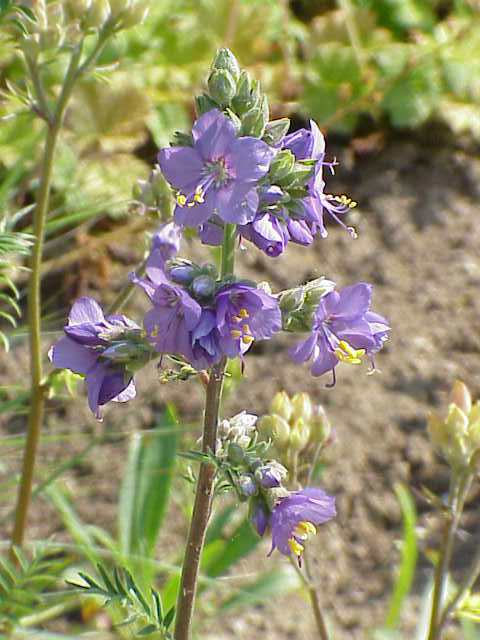
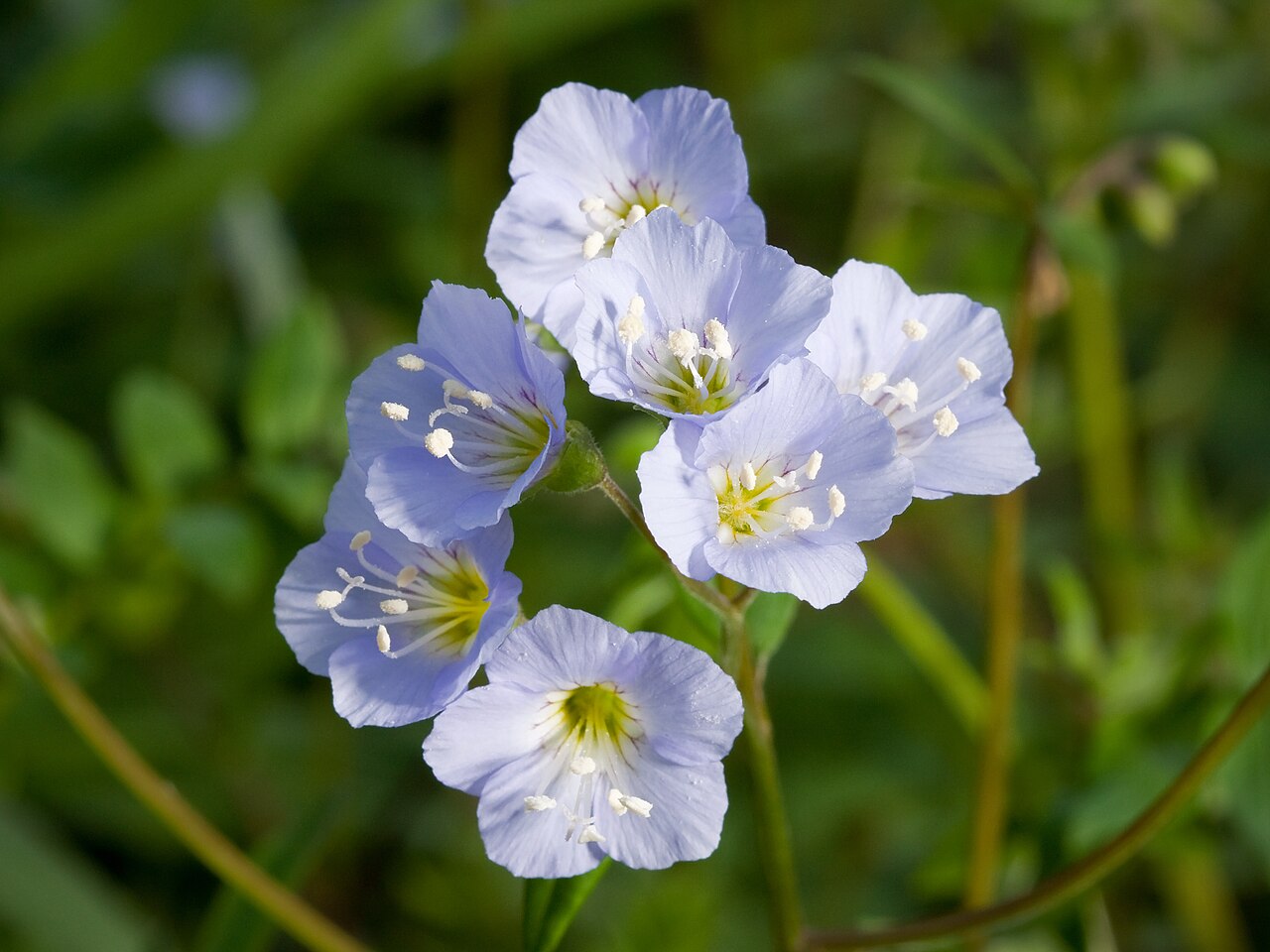
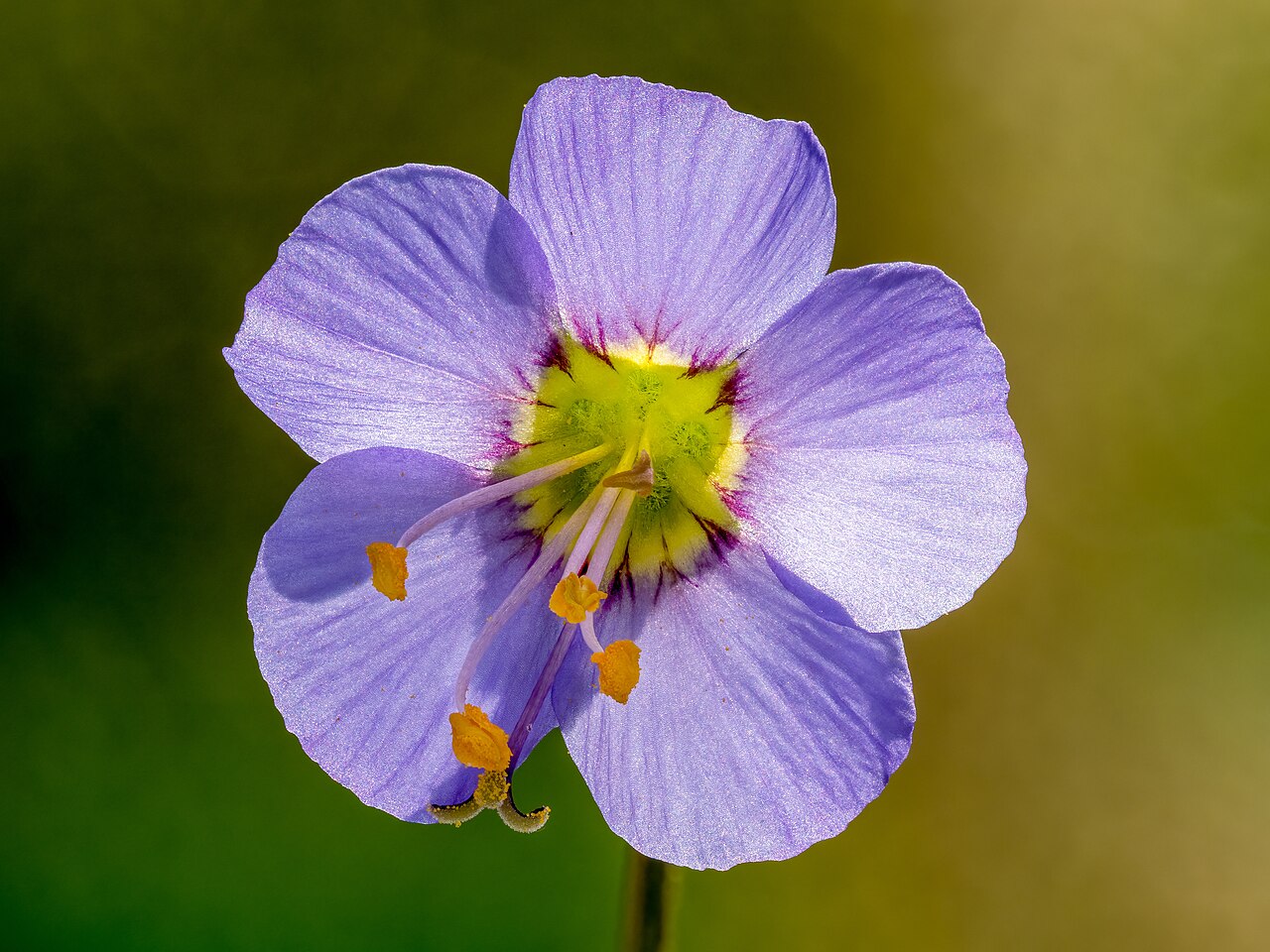
Jacob’s ladder is named for its leaves: pinnate leaflets arranged in pairs like rungs of a ladder, topped in late spring with clusters of small five-petaled flowers in true blue, purple, pink, or white. Garden types grow 12–18 inches tall (some species taller) and suit the cool, moist, shady border. Plant in spring or early fall in part shade — full sun only in cool climates with moist soil — in fertile, well-drained soil enriched with compost. It dislikes heat and drought, so in hot-summer regions give it afternoon shade and steady moisture. Space 12–18 inches apart. The native creeping Jacob’s ladder (P. reptans) is a fine groundcover form; the taller P. caeruleum is the classic border plant.
Water & feeding
Keep soil evenly moist; Jacob’s ladder wilts fast in dry soil and goes dormant early in drought. Mulch to hold moisture and feed with compost in spring. Water in dry spells — this is not a plant to forget in July.
Common problems
- Heat and drought stress — afternoon shade and consistent water are the fix.
- Self-seeding — deadhead if you do not want seedlings, or let a drift form.
- Short life in hot climates — treat as a short-lived perennial and renew from seed or division.
- Slug damage — occasional; traps or barriers help.
Notes
Deadhead after bloom to prevent excessive self-seeding and sometimes encourage a second flush. Cut back tattered foliage in summer and fresh growth often follows. Divide in spring or fall every few years, and sow seed in fall or spring for new plants — seed needs light to germinate, so barely cover it.
Browse all plant & pest guides
Saving seeds
Jacob’s ladder seed has one firm requirement: a cold spell before it will wake up. How long a cold spell is where the sources start arguing with each other — the answer depends on which Polemonium you are growing. The European P. caeruleum is usually quoted at 2–4 weeks of cold, while the North American P. reptans wants about 60 days. This guide covers the genus broadly, so plan on the longer end: a month to two months of cold, moist chilling is the safe bet, and if you sow outdoors in fall and let winter do the work, you do not have to measure at all.
Collect the seed from the small dry capsules as they turn brown in late summer — each capsule holds about three seeds, and they scatter easily, so bagging a ripening cluster in a bit of organza is the tidy way to catch them. To stratify indoors, mix the seed with barely damp vermiculite or peat moss in a sealed bag and refrigerate it for 4–8 weeks, checking now and then that the mix stays moist, never soggy. Then sow thinly on a well-draining seed mix, barely covering the seed — it needs light to germinate — and keep it bright, cool, and evenly moist. Expect sprouts in 2–4 weeks after chilling, though some seed straggles for months; do not throw the tray out in frustration, it may just be slow.
Division is the faithful route if you want more of the exact plant you already have: lift and split the clump in spring or fall every few years, and each division will bloom true to the parent. Seed-grown plants vary a little, which is half the charm if you are building a woodland drift, and once established the plants self-seed gently, so a colony slowly expands on its own. Deadhead after bloom if you would rather it did not wander.
In Florida, be honest with yourself about this one: Jacob’s ladder is a cool-climate perennial that wants moist, rich soil, part shade, and summers that are not a furnace. In most of Florida it is a short-lived experiment rather than a permanent resident — give it the coolest, shadiest, moistest spot you have, grow it in a pot you can move to shade in summer, and enjoy it while it lasts.