
🌰 Jefferson European Hazelnut
What it looks like
Why this variety
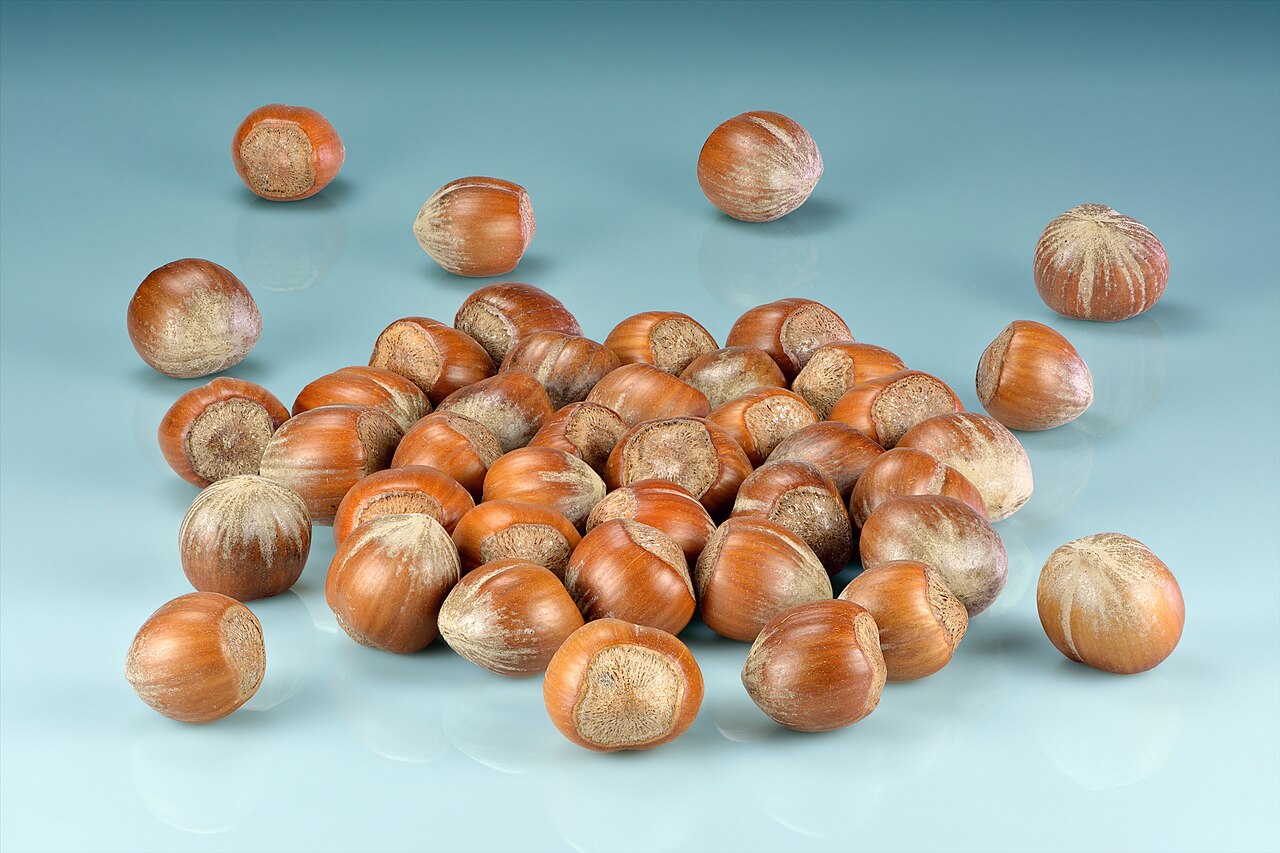
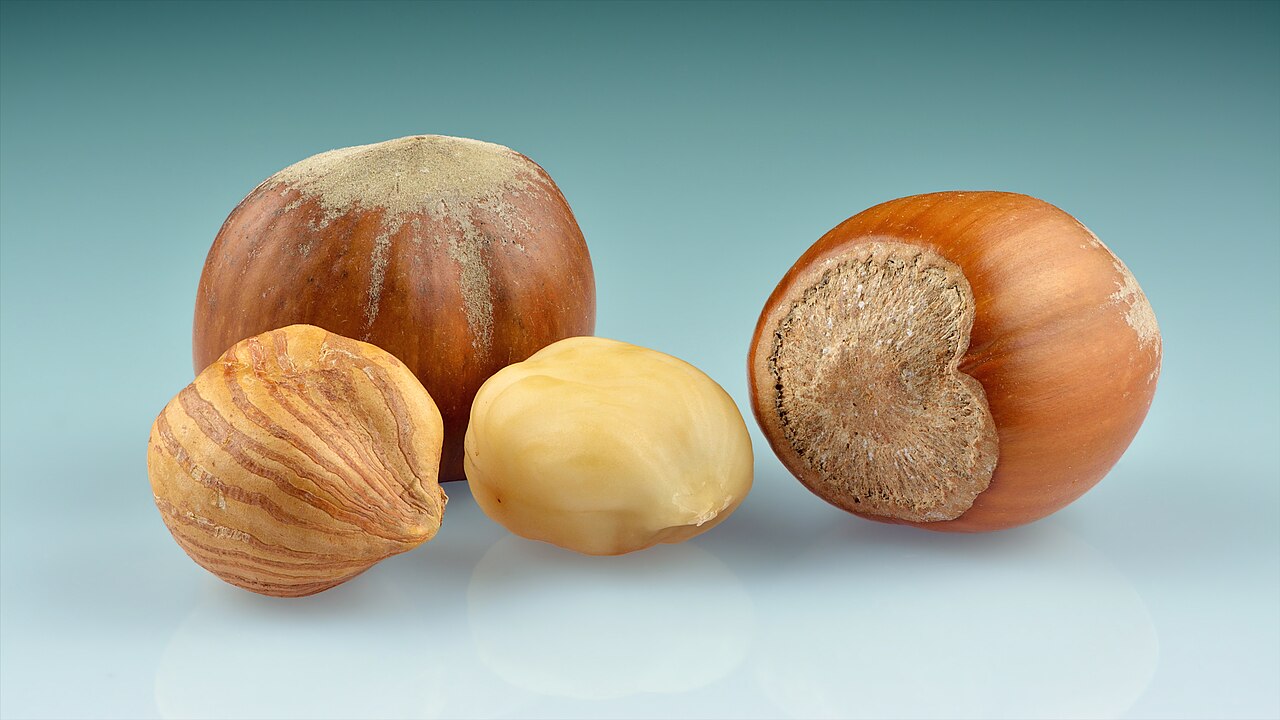
Jefferson is the hazelnut the Oregon hazelnut industry bet the farm on, and the bet paid off. Released by Oregon State University, it was bred to replace Barcelona as the workhorse of American hazelnut growing, and it did: it is now the leading filbert variety grown in the United States. The nuts are large, flavorful, and — the detail growers brag about — they fill their shells well, with fewer blanks, shriveled kernels, and moldy nuts than the old standard. If you have ever cracked a hazelnut to find a sad, shriveled ghost inside, you know why that matters.
The headline trait is disease resistance. Jefferson carries the single dominant resistance gene from the old pollinizer ‘Gasaway’, which gives it resistance to eastern filbert blight, the fungal canker disease that wiped out the eastern hazelnut industry and still threatens orchards today. It also shows high resistance to big bud mite. One honest caveat, straight from Oregon State: new strains of the blight fungus have learned to overcome the Gasaway gene on some trees, so resistance is a powerful advantage, not a force field — scout, prune out suspicious cankers, and do not plant it and walk away forever.
The trade-off is pollination fussiness. Jefferson blooms late, and it blooms for a long time, which is great for dodging late spring frosts but means it needs partners that shed pollen across its whole receptive period. Commercial growers plant York or Yamhill for the early part of the bloom and Eta or Theta for the late part. A lone Jefferson is a handsome shrub that will mostly hand you empty husks, so budget for at least one compatible partner — and remember hazelnuts are wind-pollinated, so plant partners within about 60 feet. If you are new to choosing between cultivars, the Varieties Matter guide explains why the name after the plant matters as much as the plant itself.
Florida honesty: this is a North Florida trial plant, not a statewide promise. European hazelnut needs winter chill and cool summers that most of the state simply does not offer, so treat any planting south of the Panhandle as an experiment with a shrug built in, and give it the coolest, best-drained spot you have.
How to grow
Plant Jefferson in full sun in well-drained, fertile loam, and give it room: a mature shrub runs 12–18 feet tall and wide, and it suckers from the base, so a hedge or orchard row needs its elbow room. Set plants 12–15 feet apart, work worm castings into the planting hole, and mulch to hold moisture while it establishes. Train it either as a multi-stemmed shrub or, by removing suckers and keeping a few main stems, as a small tree — the tree form is easier to harvest under and mow around.
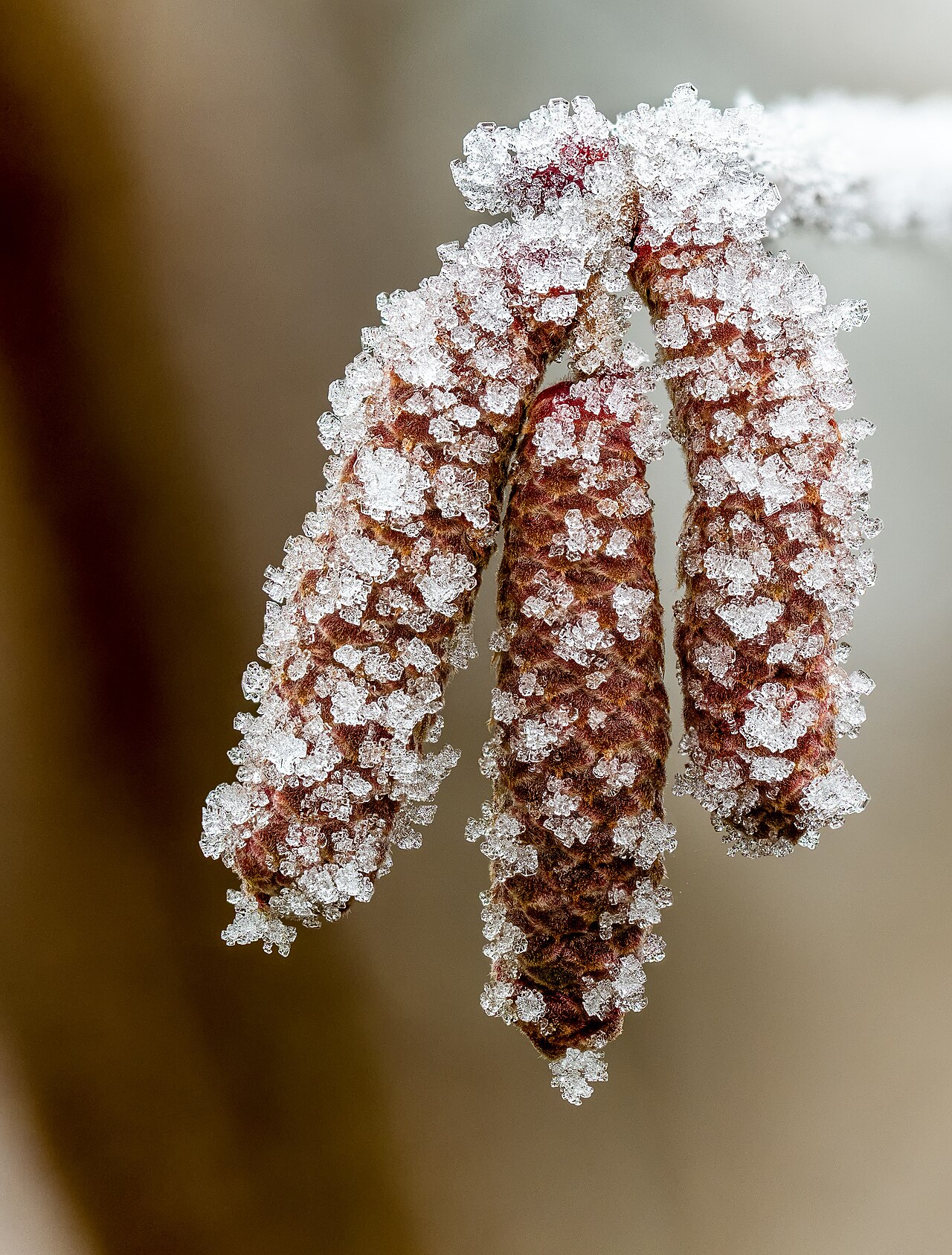
Prune in late winter while the plant is dormant: remove dead, crossing, and blight-suspicious wood, thin crowded stems to let air and light in, and keep suckers under control unless you want a thicket. Hazelnuts flower on the previous season’s wood and the catkins appear in late winter, before the leaves, so do not prune hard in spring and accidentally remove the crop. Expect a few years before serious bearing from a young plant, then annual crops that get better as the shrub matures.
Water & feeding
Water to establish, then water steadily through dry spells — hazelnuts fruit best with consistent moisture, and drought during nut fill gives you small, poorly filled kernels. Water at the soil line and mulch, but do not waterlog the roots; hazels tolerate damp ground better than most fruit trees, yet standing water still invites root trouble. Feed lightly: castings at planting and a modest spring feed are plenty, because rich soil mostly buys you leafy growth at the expense of nuts.
Common problems
- Eastern filbert blight — even resistant Jefferson deserves annual scouting; prune out cankers well below the swelling, disinfect tools between cuts, and destroy the prunings.
- Pollination failure — a lone tree, or partners that bloom at the wrong time, means empty husks; match Jefferson with York or Yamhill plus Eta or Theta.
- Suckers taking over — hazels sucker freely from the base; cut unwanted suckers at ground level, or you will own a thicket.
- Squirrels and jays harvesting first — the wildlife tax is real; net, or accept that you share the crop.
- Biennial tendency after a huge crop — a monster year can be followed by a light one; steady water and light annual pruning even it out.
Harvest
Gather nuts in late summer to early autumn, when the husks loosen and the nuts drop or twist free easily — Jefferson’s nuts fill their shells well, so a heavy, solid-feeling nut is the sign you waited long enough. Husk them promptly, dry them in a single layer in a warm, airy place for a week or two until the kernels snap rather than bend, and store the dried nuts in their shells in a cool, dry place, where they keep for months. Roast at low heat for baking, grind for praline and nut butter, or eat them fresh out of the shell, which is where most of the crop mysteriously disappears.
Do not rush the harvest: nuts picked green shrivel in storage and taste starchy, not rich. And do not leave fallen nuts on damp ground, where mold moves in fast — pick up promptly, dry thoroughly, and the pantry rewards you all winter.
Back to the European Hazelnut growing guide
Browse all plant & pest guides
Saving seeds
Jefferson is the hazelnut the Oregon hazelnut industry bet the farm on, released by Oregon State University to replace Barcelona, and it carries the single dominant resistance gene from the old pollinizer ‘Gasaway,’ giving it resistance to eastern filbert blight — seedlings won’t hold that resistance, so plant a nursery-grown tree and prune in late winter while the plant is dormant. The Saving seeds section of the European Hazelnut guide covers seed for the species generally.