
🫐 Juniper
What it looks like
How to grow
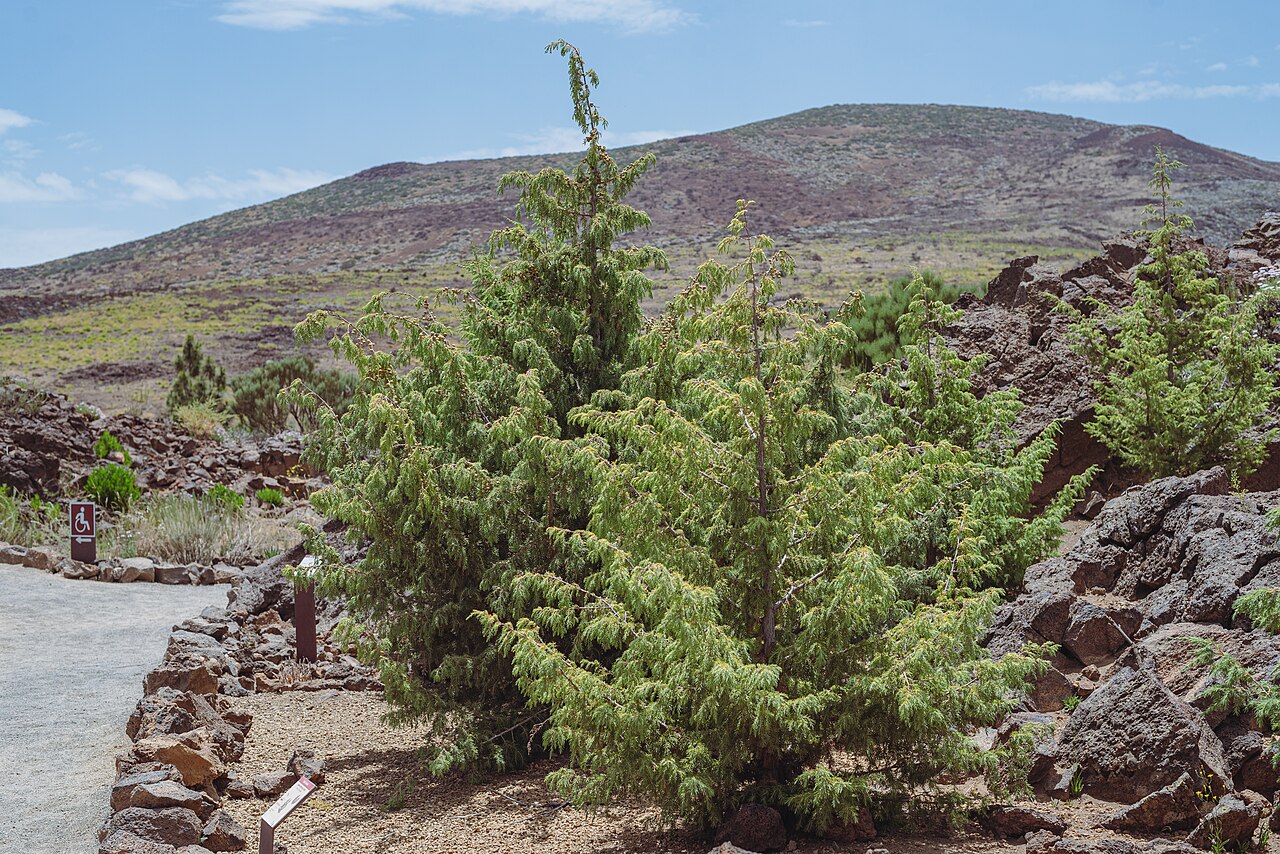
Plant in spring or fall in full sun and well-drained soil — juniper’s one non-negotiable is drainage. Wet feet and humid, still air are what kill junipers, not cold or heat. Creeping juniper (J. horizontalis) is the classic slope and bank cover; upright ‘Skyrocket’ and ‘Blue Point’ are narrow screens; shore juniper handles coastal wind and salt. Do not plant junipers near apple or crabapple trees if you can avoid it: cedar-apple rust cycles between the two hosts.
Water & feeding
Water to establish; mature junipers are genuinely drought-tolerant and need little supplemental water. Overwatering in clay soil is the most common home-garden mistake with this genus.
Common problems
- Cedar-apple rust (orange galls in spring) where apples/crabapples grow nearby
- Phomopsis tip blight in wet, crowded plantings — improve airflow and avoid overhead watering
- Bagworms stripping foliage — hand-pick bags in winter before eggs hatch
Harvest
Prune in early spring before new growth, shaping lightly. Never cut back into bare, needleless wood — junipers do not regrow from old wood the way yews do, and a hard cut leaves a permanent hole.
Saving seeds
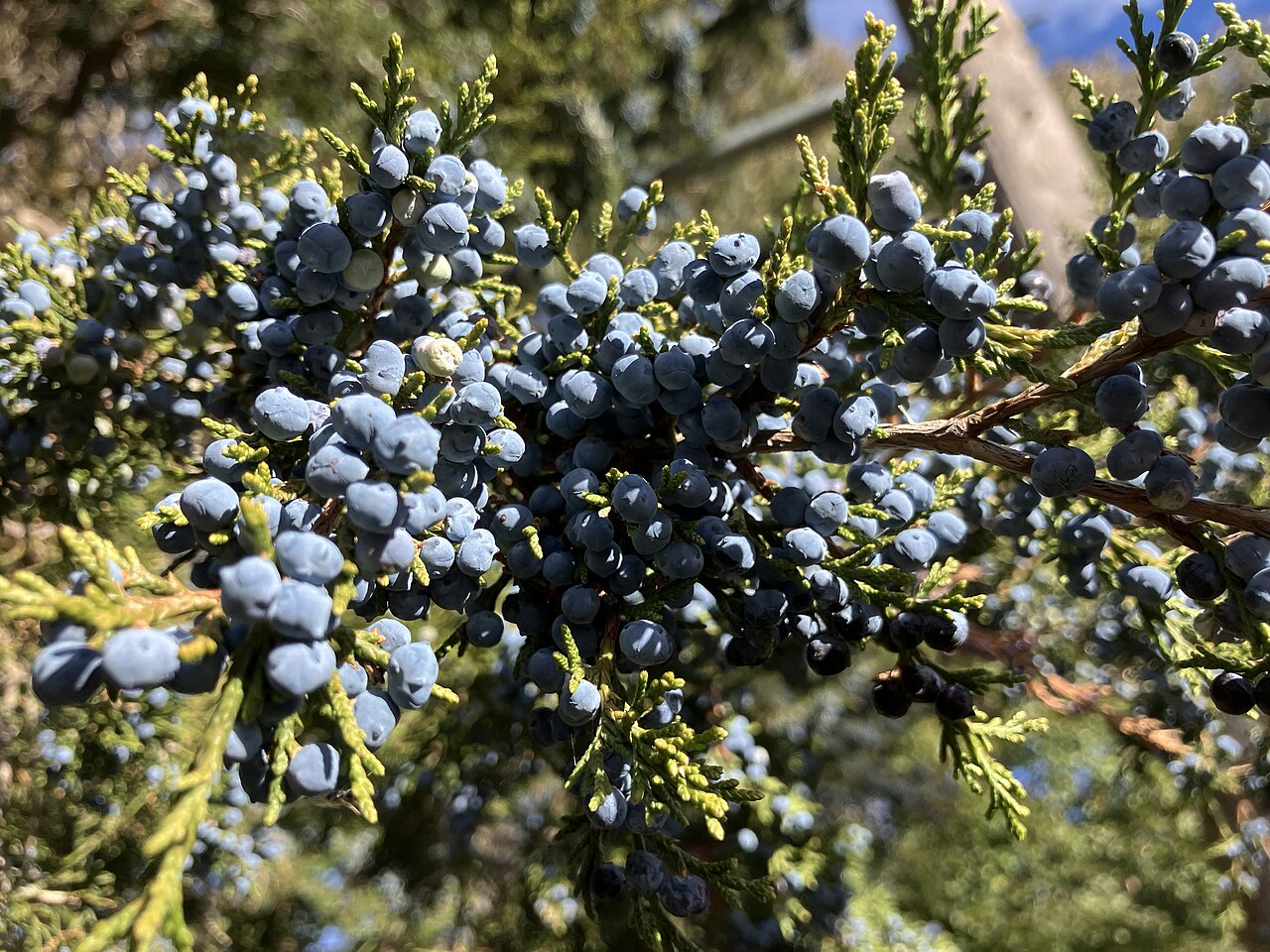
Juniper seed is a patience test, and the first thing to know is the timeline: the fleshy blue “berries” are really cones, and they take about two years to ripen. Only pick berries that are dark blue to nearly black, soft, and full — green berries are immature and need another year on the plant. Collect in late autumn into early winter, and remember junipers are usually dioecious, so only female plants bear berries at all, and a male needs to be somewhere nearby for pollination to have happened.
Cleaning is the fiddly part, because the pulp is sticky and resinous. Soak the berries in water for a day or two, then rub them on a screen to separate seed from pulp, and rinse well. A float test helps: pulp and empty seeds float and can be skimmed off, while good seed sinks. Dry the clean seed thoroughly before storage — in Florida humidity, spread it thin and give it real drying time, then keep it in a labeled envelope or jar with a desiccant packet, cool and dark. Stored dry and cool, juniper seed keeps for years.
Then comes dormancy, and here the sources honestly disagree. Simple guides say a month or two of cold stratification will do it. Nursery protocols are far more demanding: a warm moist period followed by six to eight months of cold. And one Forestry Commission trial found germination spread over five years, with the peak more than two years after sowing. The truth is that juniper has deep, double dormancy — seed coat and embryo both — and no single fridge schedule cracks it reliably. A practical home approach is to give the seed a warm moist spell of about two months, then a cold moist spell of about three months in the fridge in damp sand, then sow shallowly in a tray and keep it moist and warm, around 60 to 70 degrees. Or sow outdoors in autumn and let two winters do the work. Either way, expect slow, staggered germination over months, and do not discard the flat in frustration — seedlings can still appear a year or two later.
Two more honest notes. Seedlings will not match a named cultivar: if you want a particular juniper — a blue columnar form, a golden spreader — take semi-hardwood cuttings instead, which root in roughly three to four months and keep the parent exactly. And a Florida note: many junipers sulk in our humidity and heat, while eastern redcedar types handle Florida well, so match the species to the climate before you invest two years in its seed.