
🍋 Kaffir Lime
What it looks like
How to grow
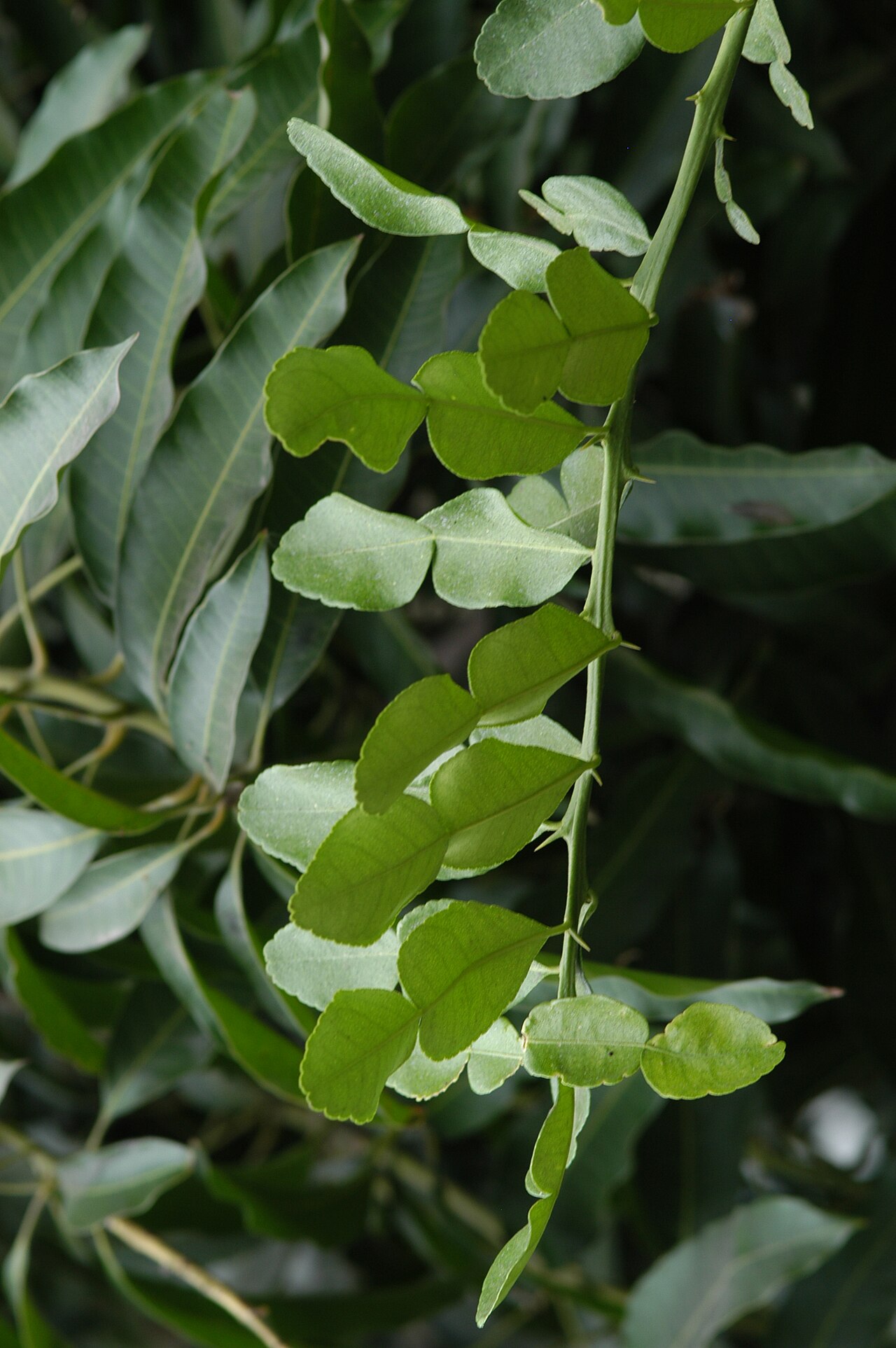
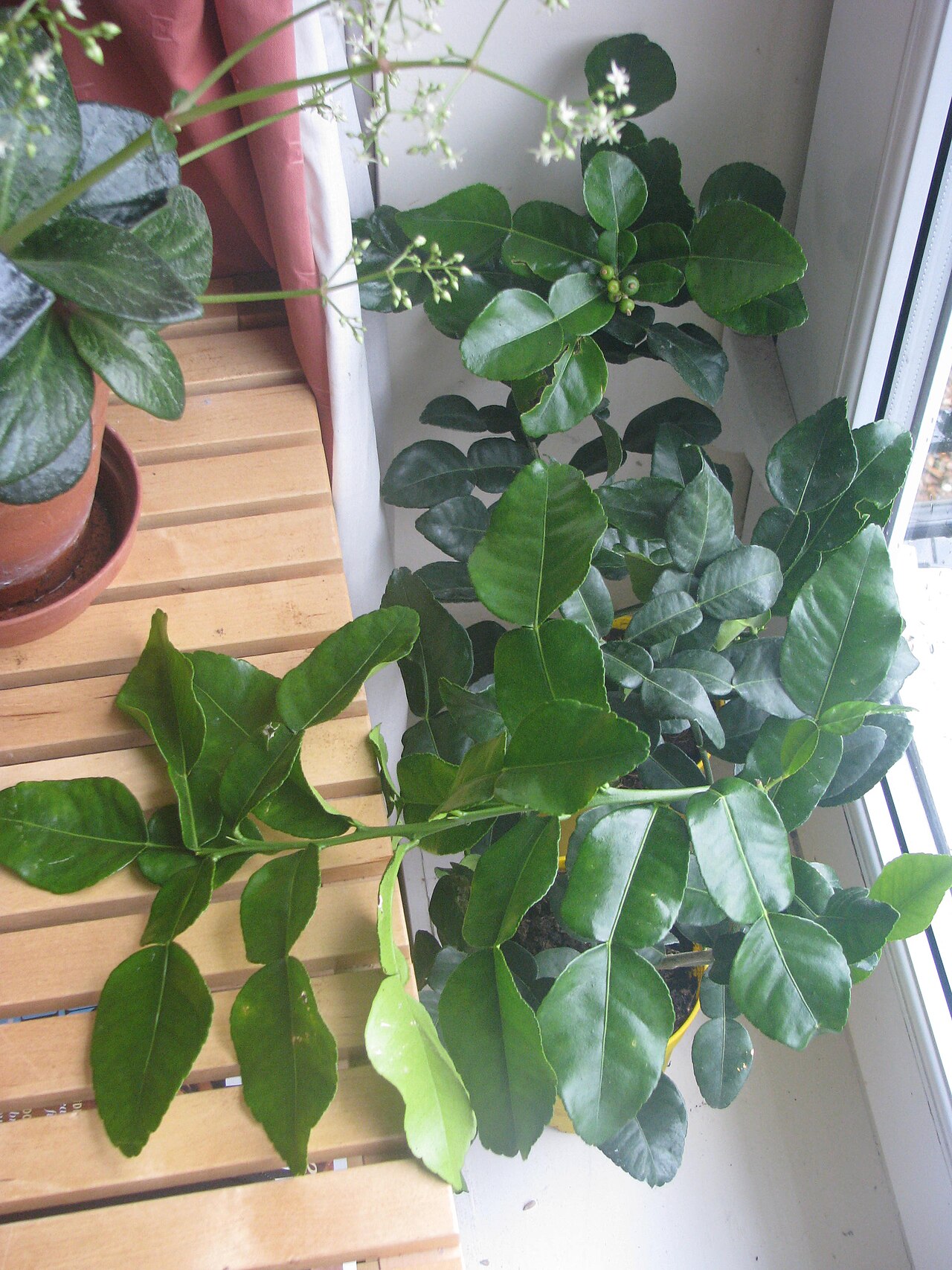
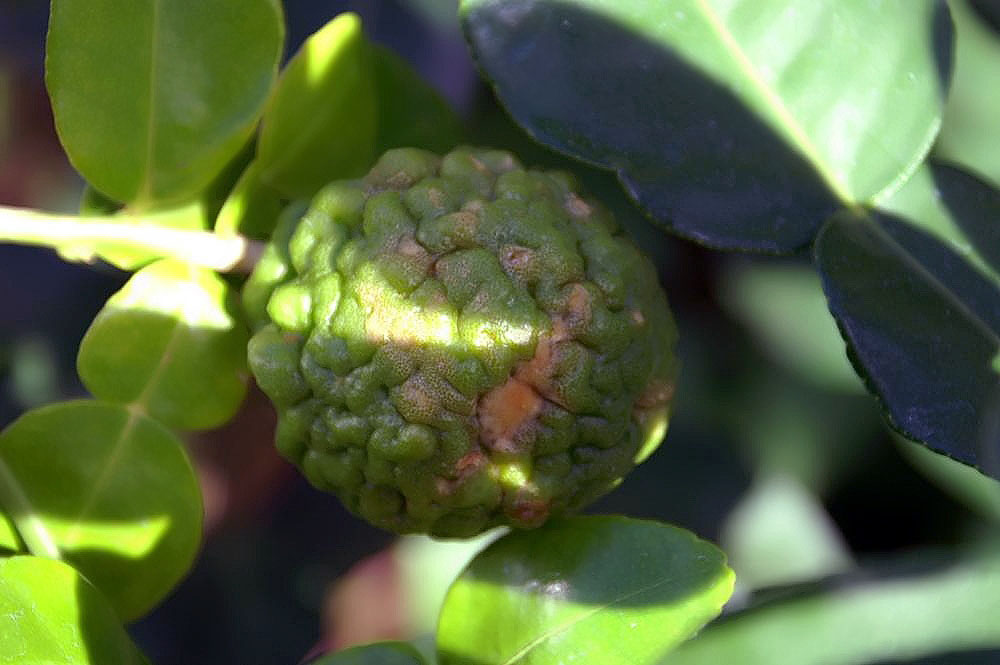
Kaffir lime, also called makrut lime, is a Southeast Asian citrus grown as much for its distinctive double-lobed, hourglass leaves as for its knobbly, intensely aromatic fruit. The leaves, torn or sliced, flavor Thai curries, soups, and rice; the zest flavors curry paste, and the juice is little used in cooking. Grow it in full sun in well-drained, slightly acidic, organic-rich soil, in zones 9-11 outdoors or in a pot elsewhere — it is frost-sensitive and damaged by prolonged cold below about 40°F. It is self-fertile, thorny, and slow to moderate in growth; grafted trees fruit sooner than seedlings. Prune to keep it open and to harvest leaves, which encourages fresh growth. Buy certified disease-free stock and follow citrus movement rules in quarantine states.
Water & feeding
Water about 1-2 inches a week in the growing season, letting soil dry slightly between waterings; overwatering causes root rot. Mulch to hold moisture. Feed with a citrus fertilizer through the warm season; container trees need regular feeding.
Common problems
- Frost — move pots in before cold weather.
- Citrus leafminer, aphids, and scale — inspect new growth and treat with horticultural oil or soap.
- Citrus greening (HLB) — buy certified stock; there is no cure, so prevention matters.
- Iron chlorosis in alkaline soil — test pH and use chelated iron if leaves yellow between veins.
Harvest
Pick leaves any time the tree is growing, choosing mature, dark green, fragrant leaves; tear or finely shred them for cooking, and freeze extras — frozen leaves keep flavor better than dried ones. Pick fruit when fully grown and yellow-green; use zest, not juice, for most cooking.
Browse all plant & pest guides
Saving seeds
Kaffir lime is one of the friendlier citrus to grow from seed, thanks to a quirk called polyembryony: most citrus seeds carry several embryos, and most of those embryos are nucellar clones of the mother tree — genetically identical copies, not the product of pollination. That means kaffir lime seedlings often come close to true, with the parent’s leaf shape and aroma intact. But “often” is doing real work in that sentence. A few embryos in each seed are sexual, the product of pollination, and those seedlings will differ from the parent — and the proportion varies by variety, so nobody can promise you a percentage. The honest approach is to grow several seedlings, crush a leaf of each as they grow, and keep the ones that smell right.
Use fresh seed only. Citrus seed loses viability fast when it dries out, so take plump, unblemished seeds from a ripe fruit, wash off the pulp, and sow right away — do not dry them for storage the way you would bean seed. Sow about a quarter inch deep in sterile, well-drained mix, keep it warm at roughly 70 to 80 degrees, and keep the mix consistently moist but never soggy. Germination usually comes in a few weeks. Seedlings tend to be thorny, upright, and slow, and a seedling tree can take many years to fruit — but kaffir lime is grown for its leaves, not its fruit, so that penalty stings less here than it would for an orange: you can start picking leaves long before the tree ever thinks about fruiting.
For a named cultivar, or for a tree you can count on, grafting is still the gold standard. Budding or grafting onto a hardy rootstock locks in the exact leaf aroma, gives you roots suited to your soil, and produces a faster, more predictable tree than any seedling. A seedling also makes a perfectly good rootstock itself — grow a batch of seedlings, graft your best budwood onto the strongest, and you have the best of both methods.
If you must hold seed for a few days, keep it moist in a bag in the fridge and never let it dry out — dried citrus seed is usually dead citrus seed. And a Florida humidity note: warm, damp seed trays are damping-off territory, so use sterile mix, give seedlings airflow, and water from below or carefully at the base rather than keeping the surface constantly wet. Label your seedlings by their mother tree and the date, because in two years you will not remember which pot was which, and the leaf-crush test only works if you know what you are comparing.
Varieties
Every named variety of Kaffir Lime with its own growing guide:
- Variegata Kaffir Lime — The variegated kaffir lime: cream-splashed leaves on the Thai cooking lime, the kaffir lime that is ornamental and edible at once.