
🐍 Konkan Sweta Snake Gourd
What it looks like
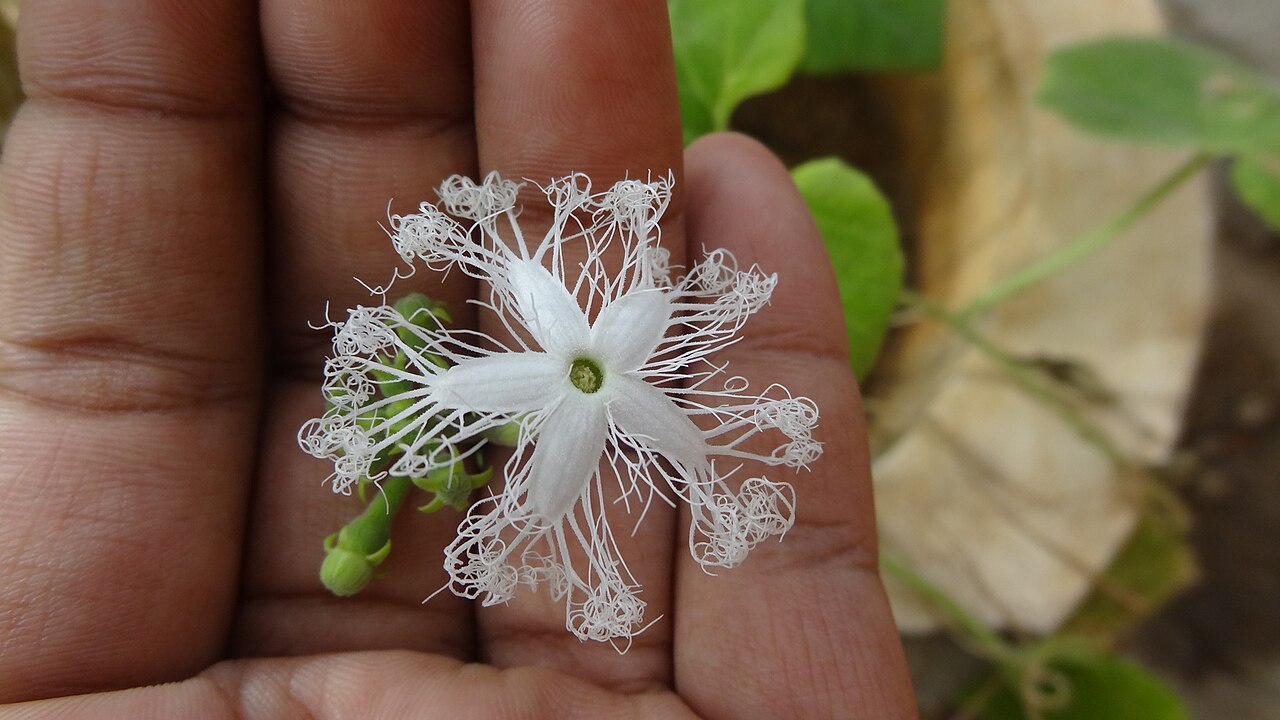
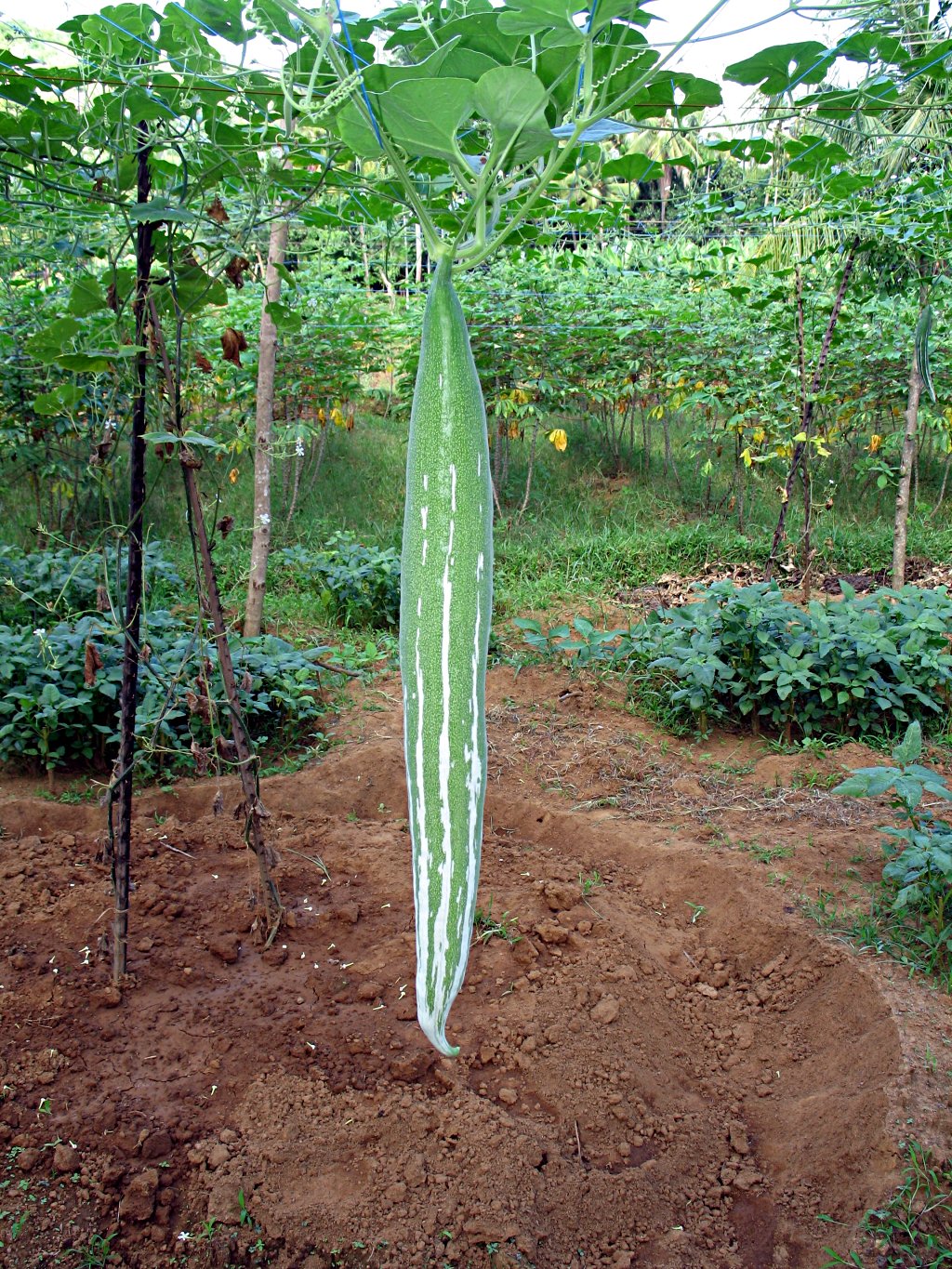
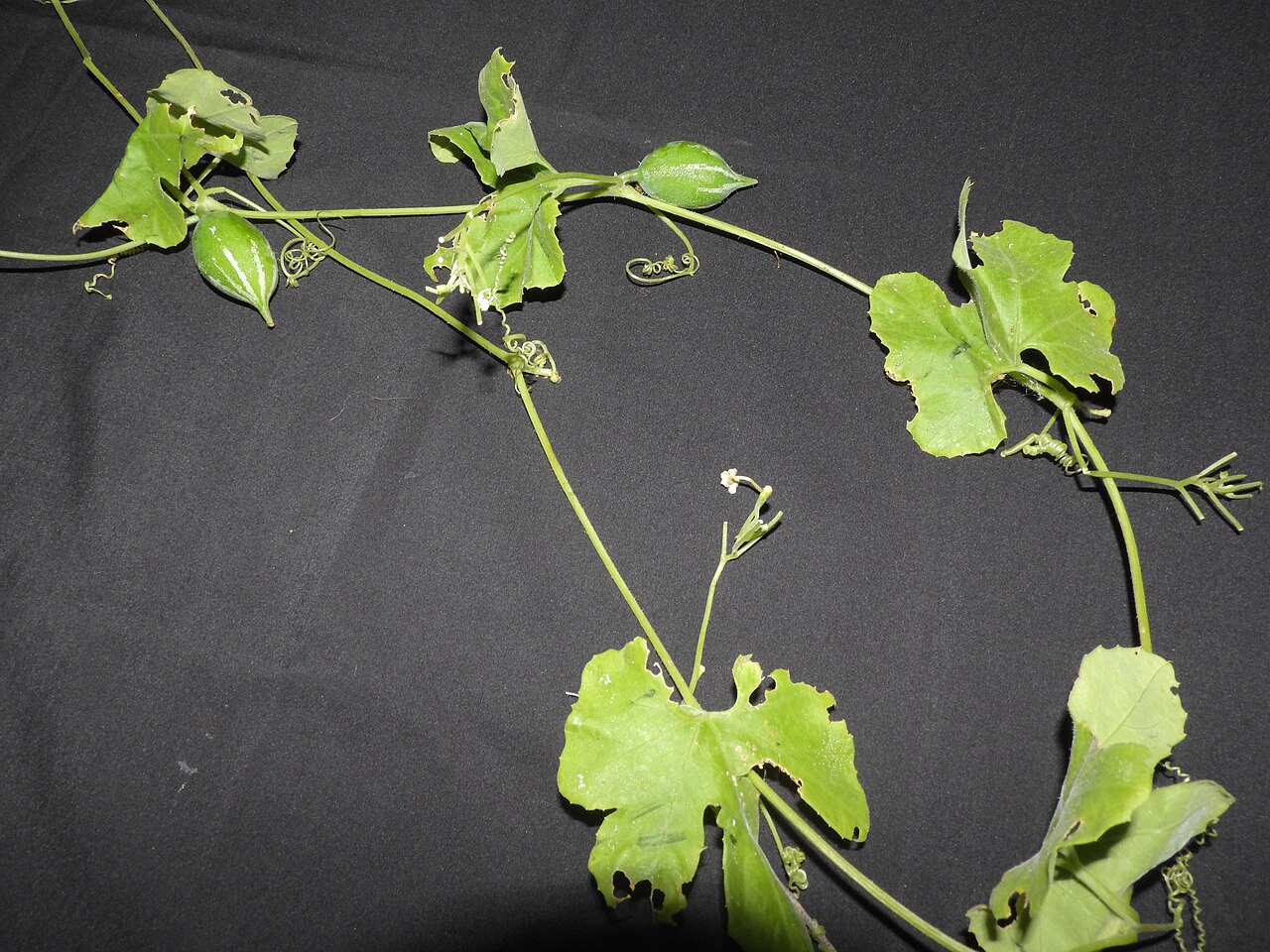
Photos show the species, snake gourd (Trichosanthes cucumerina), since no cultivar-specific photo is hosted for this variety yet.
Why this variety
Konkan Sweta is a named Indian selection from the Konkan coast of Maharashtra, developed at Dapoli: fruit 90-100 cm long with a whitish surface and green stripes, yielding about 25-27 tonnes per hectare in 125-130 days. It is a rainy-season variety — bred for exactly the hot, humid, wet conditions that make other cucurbits mildew and quit.
That rainy-season breeding is why it belongs in a Florida conversation. Konkan Sweta was selected where summers are wet, and it carries that tolerance with it. Its pale, striped fruit is also genuinely beautiful hanging off a trellis — a vegetable that earns its place in an ornamental garden, not just a kitchen one.
Florida translation: plant Konkan Sweta for the rainy season, on a high trellis with airflow, and give it the full season it needs — this is a long-season variety, not a quick crop.
How to grow
Soak seed overnight, sow in warm soil after frost, and trellis high — 90-100 cm fruit must hang to grow straight. Space hills about 3 feet apart and keep the bed mulched; in a rainy-season planting, drainage matters as much as water, so do not plant it in a spot that puddles.
Water & feeding
Water regularly, especially during flowering and fruit development, and mulch well. Feed with compost at planting and side-dress during fruiting; avoid high-nitrogen fertiliser, which encourages vines over fruit. Irrigate in dry spells — a snake gourd vine that dries out while fruit is sizing gives you twisted, woody fruit.
Common problems
- Cold soil: wait for warm soil — seedlings stall below 68°F.
- Poor fruit set: flowers open at night for moth pollinators — hand-pollinate in screened gardens in the evening.
- Fruit flies and rodents on overripe fruit: pick young and promptly.
- Powdery mildew in humid weather: space for airflow and water at the base.
Harvest
Pick immature fruit while tender, before the skin toughens and the fruit colours. Cook like other snake gourds — curries, stir-fries, soups — and use within 10-14 days of picking.
Browse all plant & pest guides
Saving seeds
Konkan Sweta is a named Indian selection from the Konkan coast of Maharashtra, developed at Dapoli, an open-pollinated cultivar developed through selection from local landraces, so saved seed comes true — soak seed overnight, sow in warm soil after frost, and trellis high, keeping it isolated from other snake gourds since the species cross-pollinates. The full method is in the Saving seeds section of the Snake Gourd guide.