
🥬 Kyoto Mizuna Mizuna
What it looks like
Why this variety
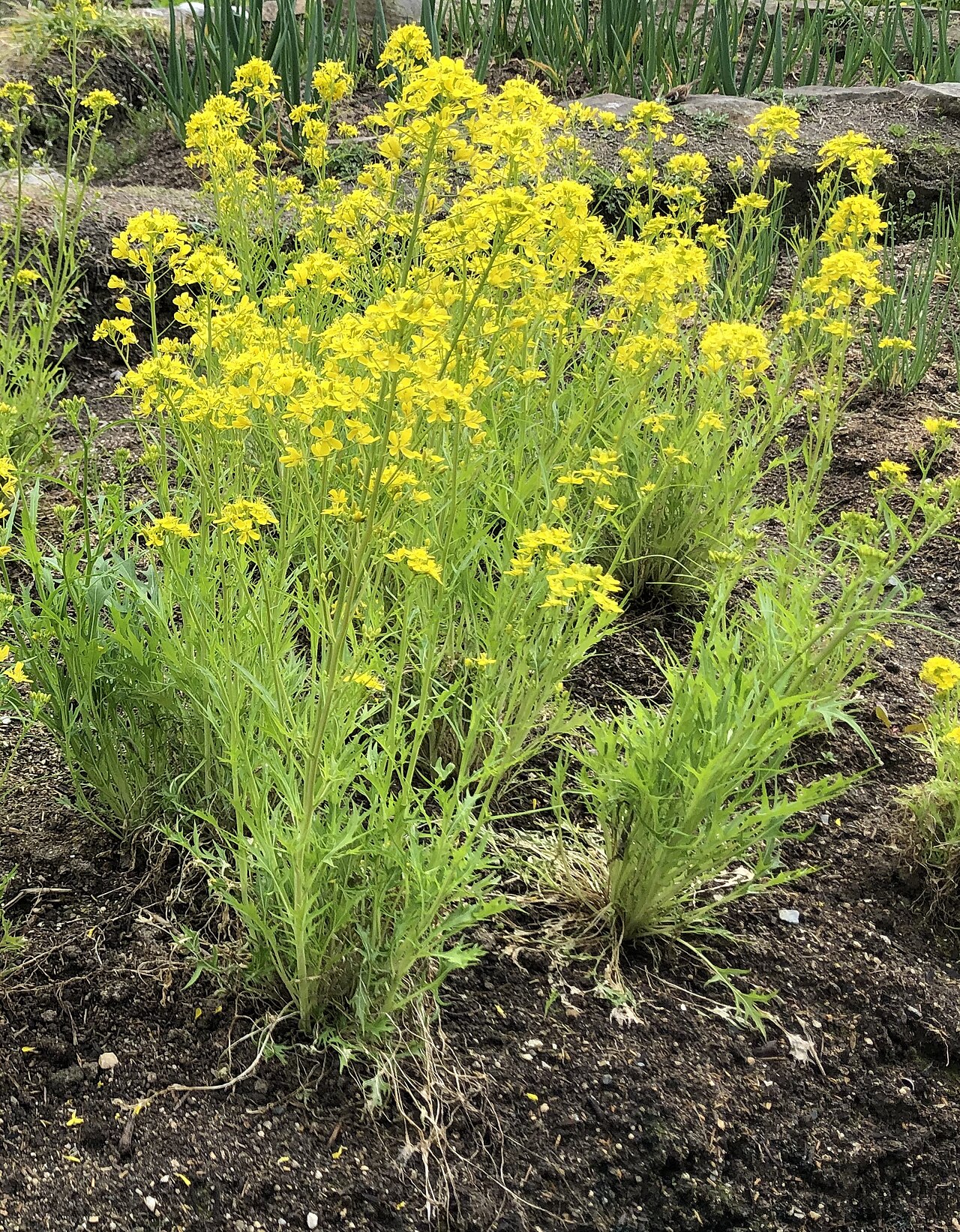
Kyoto Mizuna is the traditional mizuna from the Kyoto region of Japan, listed by Asian seed houses like Kitazawa: deeply cut, feathery leaves with a delicate texture and a mild, clean mustard flavor, grown for centuries as a salad and garnish green. If Early Mizuna is the workhorse, Kyoto is the original — the variety that defines what mizuna is supposed to taste like.
Delicacy is the point: Kyoto’s leaves are finer and more tender than the broader commercial types, which makes them the mizuna for raw salads, garnishes, and the Japanese hot-pot dishes where the green is dipped briefly and eaten almost raw. A tender leaf rewards gentle cooking — or none at all.
If you are new to choosing between cultivars, the Varieties Matter guide explains why the name after the plant matters as much as the plant itself. And if you want the whole clan at a glance, the broader Mizuna guide covers mizuna generally.
How to grow
In Florida, mizuna is a cool-season star: sow it from fall through early spring, cut leaves as you need them, and let it regrow — it is one of the most forgiving cut-and-come-again greens. A spring sowing that bolts is not a failure, it is a lesson in timing, and the fall sowing will forgive you.
Sow directly or transplant 6–8 inches apart in rich, moist soil, and keep the soil consistently moist — Kyoto’s fine leaves wilt faster than coarser types if the bed dries out. Succession-sow through the cool season, and give afternoon shade in a warm spell.
Water & feeding
Mizuna grows fast and drinks steadily. Keep the soil evenly moist, mulch to hold that moisture, and feed with compost at planting and again halfway to harvest. Dry soil plus heat is the recipe for bolting, so water before the leaves wilt, not after.
Common problems
Flea beetles can riddle fine leaves fast, so row cover is worth it even for a short crop. Slugs like the low, dense rosettes too, especially in damp weather. Heat bolts Kyoto quickly — plant for fall and winter in warm climates, and harvest young in spring.
Harvest
Harvest baby leaves at 20 days for the most delicate salads, or full-size at 40 days. Kyoto regrows after cutting if the crown is left intact, so a bed picked lightly can give two or three rounds before it bolts.
Nerdy fact: Kyoto has grown mizuna for so long that the green is part of the city’s food identity — kyo-yasai, Kyoto vegetables, are a protected culinary tradition, and mizuna is one of its stars, which makes your salad bowl a small piece of a very old kitchen.
Saving seeds
Kyoto Mizuna is the traditional mizuna from the Kyoto region of Japan, listed by Asian seed houses like Kitazawa, deeply cut, feathery leaves with a delicate texture and a mild, clean mustard flavor, grown for centuries as a salad and garnish green, and it is seed-grown, so saved seed comes true — sow directly or transplant 6 to 8 inches apart in rich, moist soil, and succession-sow through the cool season. The full method is in the Saving seeds section of the Mizuna guide.