
🟠 Leikora Sea Buckthorn
What it looks like
Why this variety
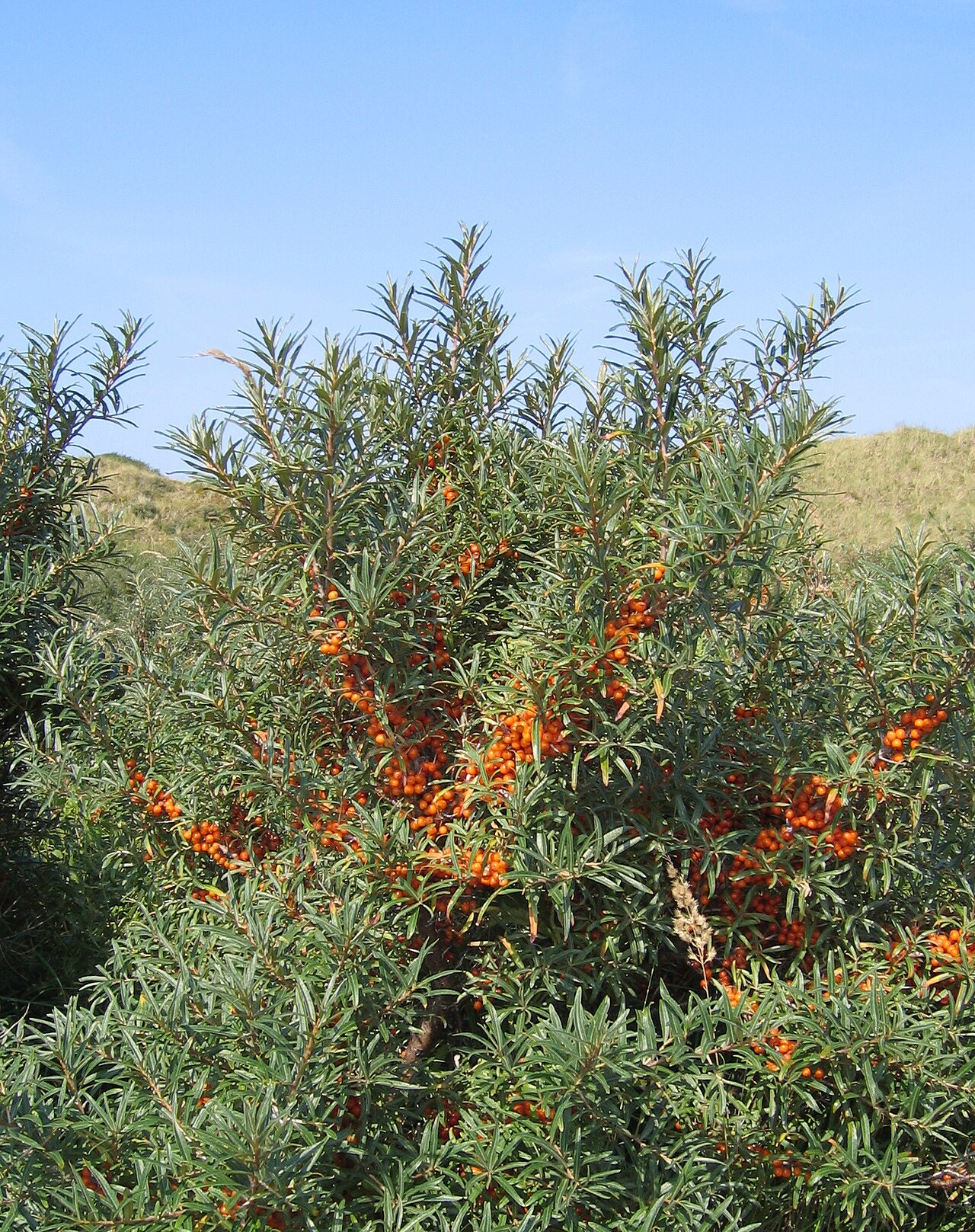
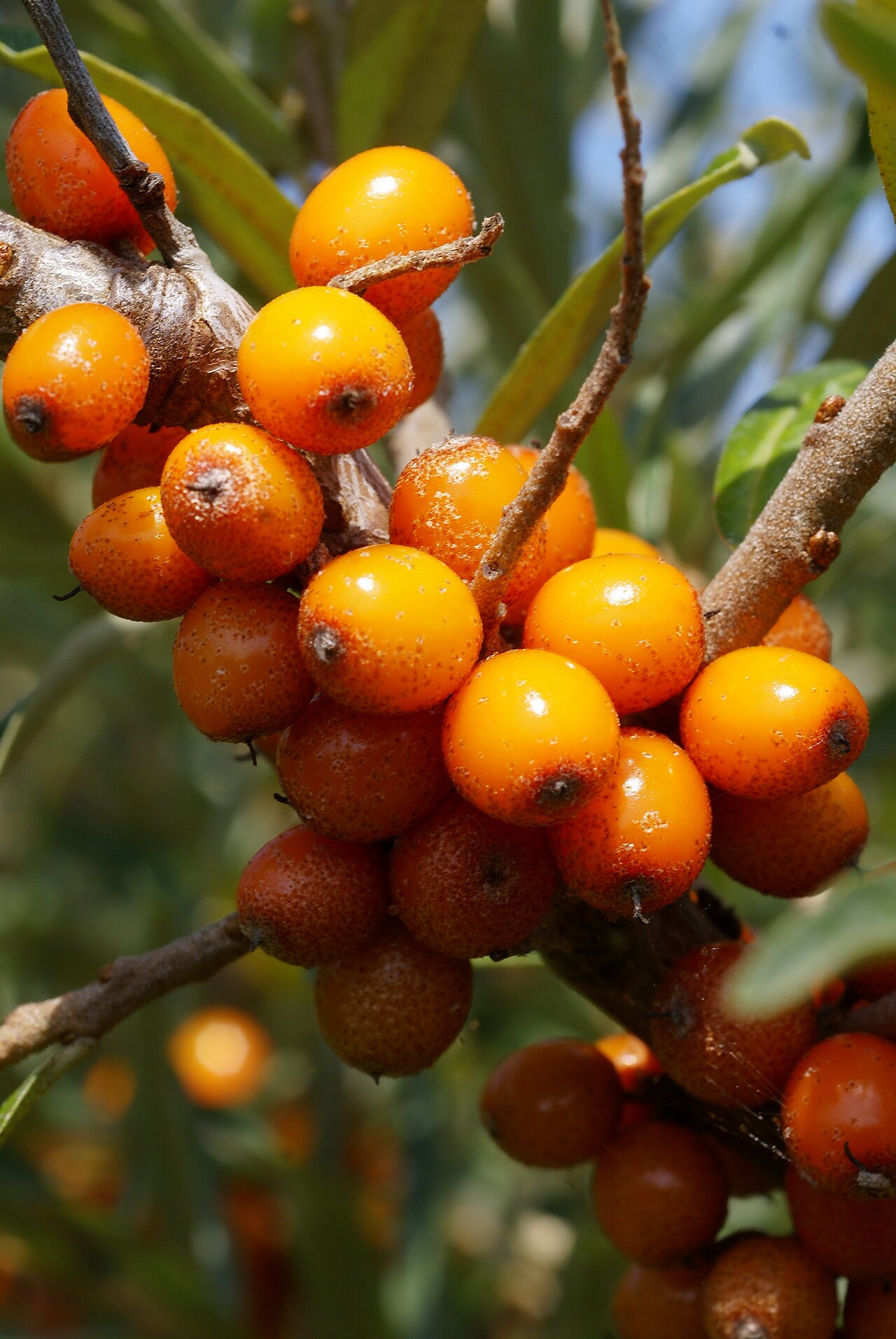
Leikora is the sea buckthorn most growers plant first: a German female cultivar, the standard fruiting form, with abundant, large, deep orange berries, very high in vitamin C, ripening late August into September and holding on the branch until heavy frost — which is why its fruit-laden branches are also cut for ornamental displays. It is vigorous, thorny, and productive, a shrub that can reach 8 to 10 feet, and it is the female that nurseries pair with the male Pollmix for pollination. If you want seabuckthorn berries for juice, preserves, or sheer vitamin-C bragging rights, Leikora is the female to plant, with a male nearby.
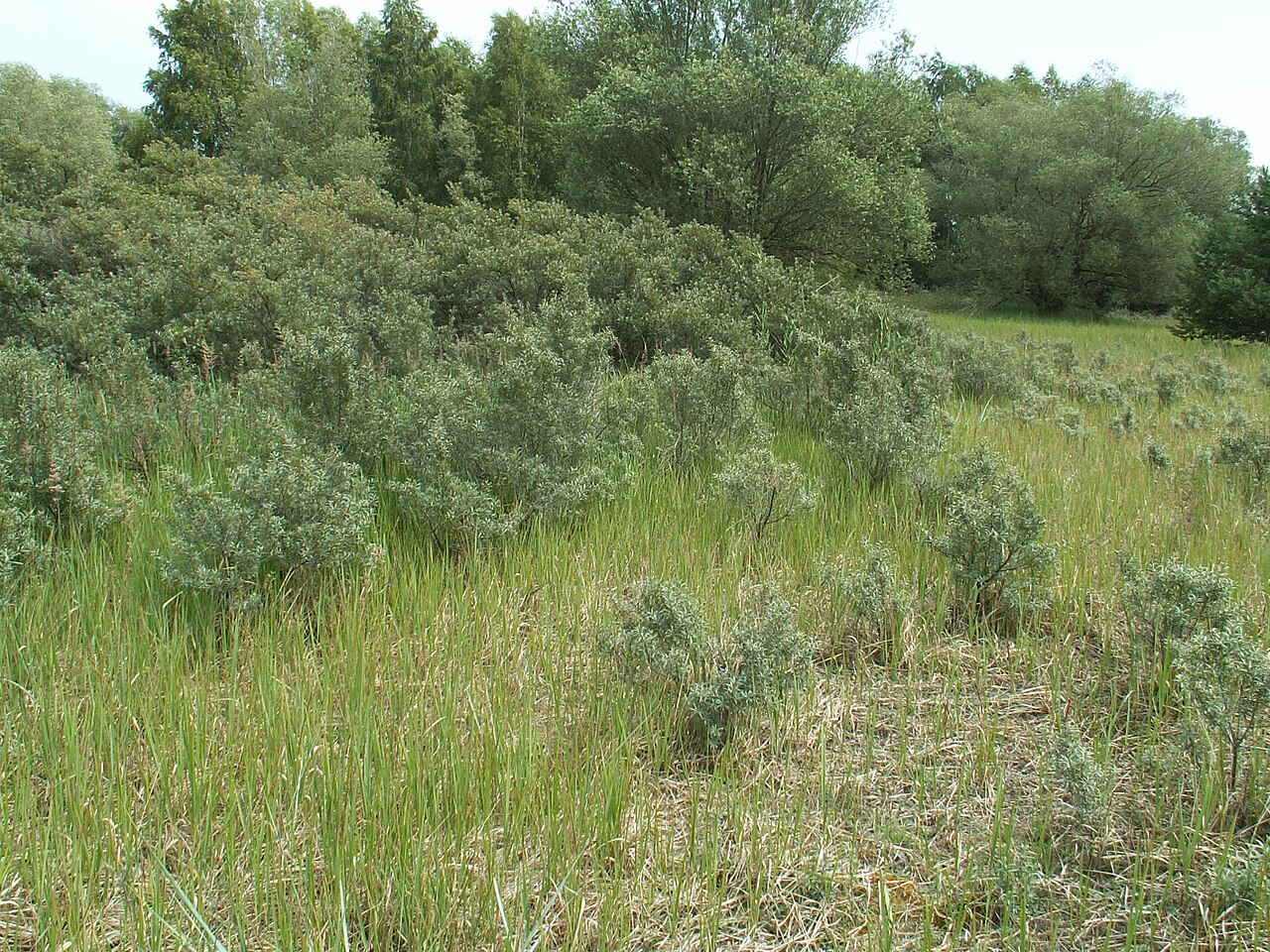
The trade-off is sex, thorns, and climate, all non-negotiable: Leikora is female, so it fruits only with a male pollinator — one male for every five or six females — it is thorny, so harvest with gloves and prune with care, and it wants cool summers that Florida rarely offers. Give it full sun, sharp drainage, and a male Pollmix within pollination distance, and do not plant it in wet soil, where it rots. In warm climates, give it the coolest, airiest spot you have and treat fruit as a triumph, not a promise — Leikora is a cool-climate shrub, and this guide does not pretend otherwise.
If you are new to choosing between cultivars, the Varieties Matter guide explains why the name after the plant matters as much as the plant itself. Leikora is a perfect example: it is not just a sea buckthorn in the abstract, it is a sea buckthorn with a specific job, a specific history, and specific strengths.
Florida honesty, stated plainly: sea buckthorn is a North Florida trial only, and a hard one — it wants zones 3 to 7, cool summers, and sharp drainage, and Florida heat is its limit. In North Florida, try Leikora in full sun with excellent drainage, a male pollinator nearby, and no summer waterlogging, and treat any fruit as a triumph. South of North Florida, do not bother; plant a heat-proof berry instead. This guide is honest about that, because a seaberry sold as a statewide promise would be a lie.
How to grow
Plant in spring, in full sun and sharply drained, lean to moderately rich soil — sea buckthorn wants sun, drainage, and room, and it punishes wet soil and shade with rot and thin fruit. Work a little worm castings into the planting hole, do not overfeed, space 6 to 8 feet apart, and plant one male pollinator for every five or six females, because sea buckthorn is dioecious and females fruit only with a male nearby. Wear thick gloves, because sea buckthorn is thorny, and mulch lightly to hold moisture without waterlogging the crown.
Set plants 6-8 feet apart in soil with a pH around 6.0-7.5. Work worm castings into the bed at planting and mulch to hold moisture. A well-fed sea buckthorn plant rewards that care directly: steadier growth, better bloom, and a show that actually shows up.
Water & feeding
Water to establish, then water moderately — sea buckthorn tolerates drought once established and sulks only in bone-dry soil or standing water. Water at the soil line, do not mulch heavily against the stems, and feed lightly: castings at planting is usually enough, because rich soil makes wood, not berries. In a dry spell, occasional deep watering keeps fruit swelling; in a wet spell, drainage is the care program, because root rot in stagnant water is the one thing that kills a seabuckthorn outright.
Common problems
- No fruit without a male — sea buckthorn is dioecious; plant a male Pollmix or similar with females, or fruit will be absent, not sparse.
- Thorns — harvest and prune with thick gloves and eye protection, and site shrubs away from paths and play areas.
- Root rot in waterlogged soil — sea buckthorn wants drainage; do not plant where rain ponds, and use a raised bed in heavy soil.
- Failure in hot summers — sea buckthorn wants cool summers; in warm climates, expect thin crops and treat fruit as a triumph, not a promise.
- Suckering — sea buckthorn suckers from the roots; edit suckers in spring or give it room to form a thicket.
Harvest
Pick berries in late summer to early fall, when they turn deep orange and soften slightly — seabuckthorn berries are tart, not sweet, and they are best juiced, made into preserves, or frozen for smoothies, rather than eaten out of hand by the handful. Wear gloves, because the branches are thorny, and pick by cutting fruit-laden branches and stripping berries in the kitchen, which is easier than picking berry by berry on the shrub. Berries hold on the branch until frost, so pick at leisure, freeze surplus promptly, and remember: a seabuckthorn harvest is a juice harvest, and a little juice goes a long way.
Browse all plant & pest guides
Saving seeds
Leikora is the sea buckthorn most growers plant first, a German female cultivar, the standard fruiting form, with abundant, large, deep orange berries, very high in vitamin C, and it is planted as a shrub — plant in spring, in full sun and sharply drained, lean to moderately rich soil, spacing 6 to 8 feet apart, and plant one male pollinator for every five or six females, because sea buckthorn is dioecious and females fruit only with a male nearby. The Saving seeds section of the Sea Buckthorn guide covers seed for the species generally.