
🤍 Lemon Lace Silver Lace Vine
What it looks like
Why this variety
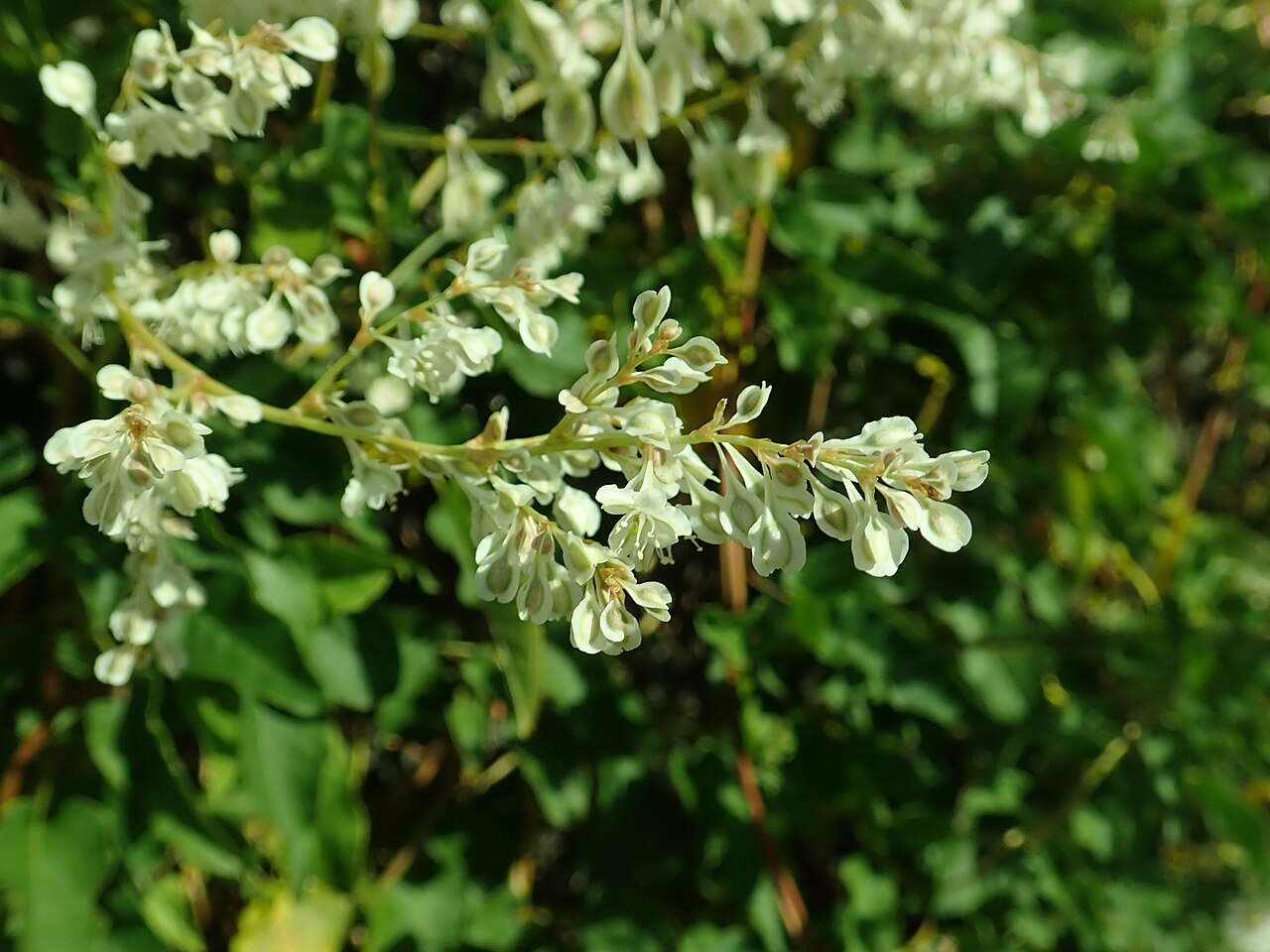
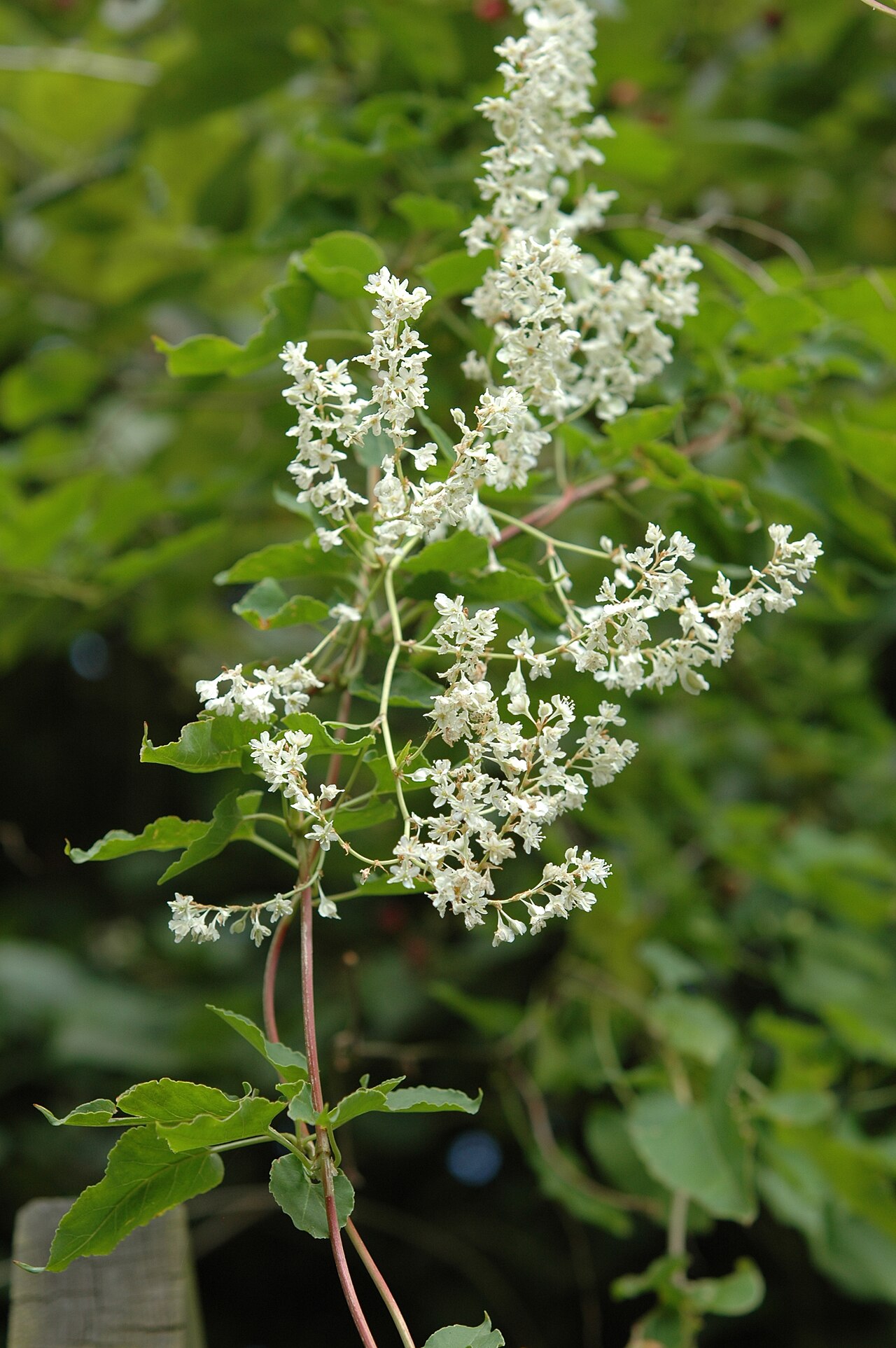
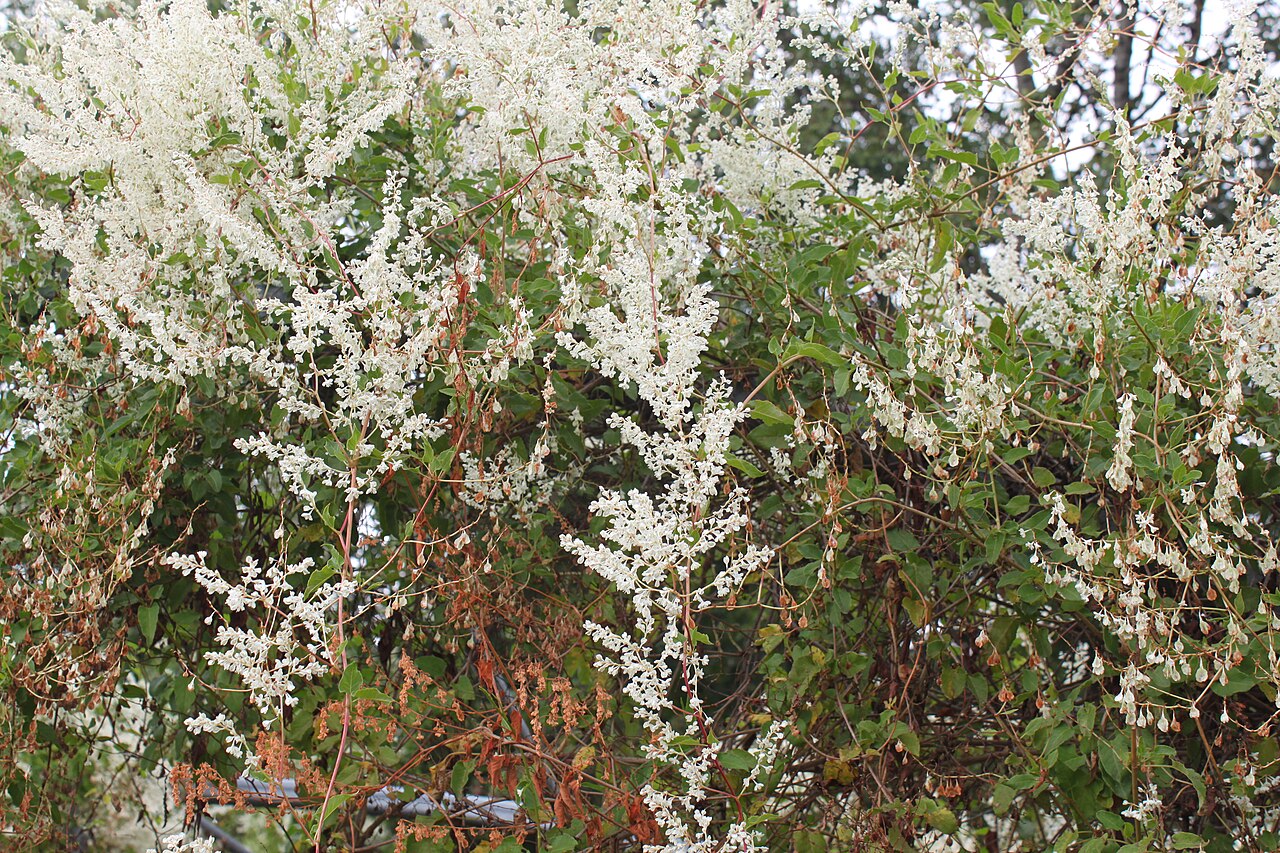
Lemon Lace is the silver lace vine for gardeners who want the species’ famous foam of white flowers without the species’ famous takeover: a sport with lemon-yellow foliage, red stems, and the same foamy white flower clusters in late summer and fall, but with somewhat restrained growth — still vigorous, still fast, but less inclined to swallow the garage than the green form. The golden foliage glows in sun and brightens a fence or arbor all season, not just when it blooms, and the white flowers against lemon leaves are one of the prettiest combinations in the vine world.
The trade-off is that ‘restrained’ is relative: Lemon Lace is still a silver lace vine, still capable of 10 feet or more in a season, and still needs a sturdy support and hard pruning to stay in bounds. Give it a strong trellis, fence, or arbor, prune hard in late winter, and cut out any growth heading for a roof, a tree, or a neighbor’s yard. Do not plant it near a natural area, and do not plant it on a flimsy trellis it will eat for lunch.
If you are new to choosing between cultivars, the Varieties Matter guide explains why the name after the plant matters as much as the plant itself. Lemon Lace is a perfect example: it is not just a silver lace vine in the abstract, it is a silver lace vine with a specific job, a specific history, and specific strengths.
Florida honesty: silver lace vine is a North and Central Florida trial, not a South Florida evergreen — it wants a winter rest and sharp drainage, and it sulks in wet, soggy soil. In North Florida it performs as a vigorous deciduous vine; in Central Florida, give it sun, drainage, and a hard annual pruning, and treat it as a fast summer screen rather than a permanent vine. It is not listed as invasive in Florida, but its vigor is the warning — prune for containment and never let it fruit freely near natural areas.
How to grow
Plant in spring in full sun to part shade and well-drained soil, against a sturdy support — a strong trellis, fence, or arbor, not a flimsy trellis it will eat for lunch. Work worm castings into the planting hole, water through the first season, and prune hard in late winter to keep it in bounds. Do not plant it near a natural area or on a wall you plan to repaint.
Set plants 8-10 feet apart on a sturdy support in soil with a pH around 6.0-7.5. Work worm castings into the bed at planting and mulch to hold moisture. A well-fed silver lace vine plant rewards that care directly: steadier growth, better bloom, and a show that actually shows up.
Water & feeding
Water through the first season, then water in drought — established silver lace vine is fairly drought-tolerant, but a young vine that dries out stalls and blooms thinly. Water at the soil line, mulch lightly, and feed lightly: castings at planting plus a balanced organic feed in spring is enough. Overfeeding makes even more vigorous growth, which is the last thing this vine needs.
Common problems
- Vigorous escape — prune hard in late winter and never let it climb into trees, onto roofs, or near natural areas.
- Damage to paint and soft mortar — twining stems grip permanently; do not plant on walls you plan to repaint.
- Freeze dieback at the cold edge — cut out dead growth in spring; established vines regrow from the base.
- Scorch of lemon foliage in hot sun — Lemon Lace’s yellow leaves can scorch in blazing afternoon sun; afternoon shade helps in the hottest gardens.
- Seeding into natural areas — deadhead spent flowers where possible, and never plant silver lace vine near a natural area you care about.
Harvest
Cut a few flowering stems for bouquets in late summer, when clusters are fully open — silver lace flowers last a few days in water and suit large, airy arrangements, though the vine is best admired on its support. Prune hard in late winter to keep it in bounds, remove any growth heading for a roof or a tree, and do not compost seed heads where seedlings would be unwelcome.
Browse all plant & pest guides
Saving seeds
Lemon Lace is the silver lace vine for gardeners who want the species’ famous foam of white flowers without the species’ famous takeover, a sport with lemon-yellow foliage, red stems, and the same foamy white flower clusters, and seedlings won’t hold that golden foliage — plant nursery-grown vines in spring in full sun to part shade against a sturdy support, and prune hard in late winter. The Saving seeds section of the Silver Lace Vine guide covers seed for the species generally.