
🟤 Li Jujube
What it looks like
Why this variety
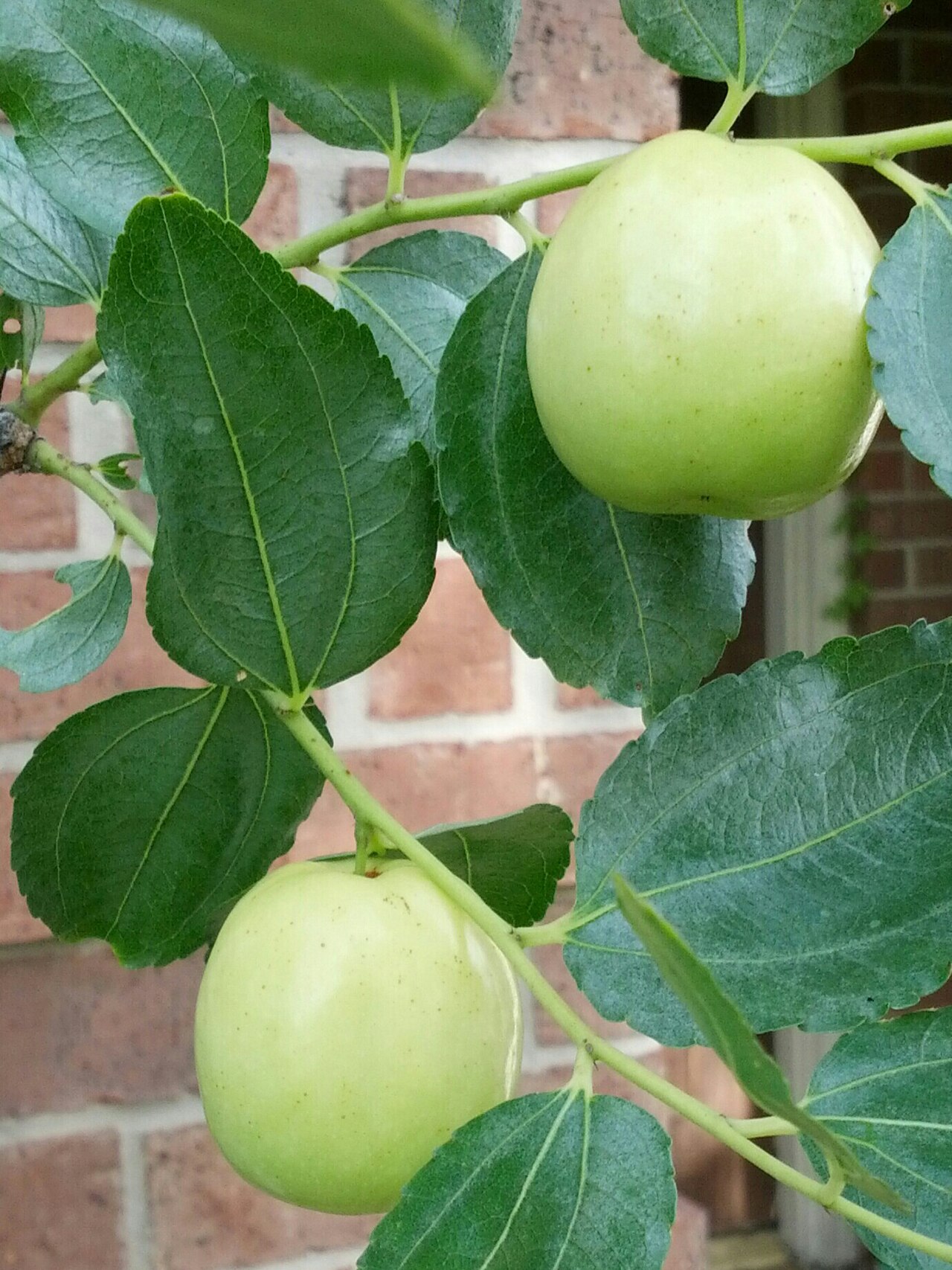
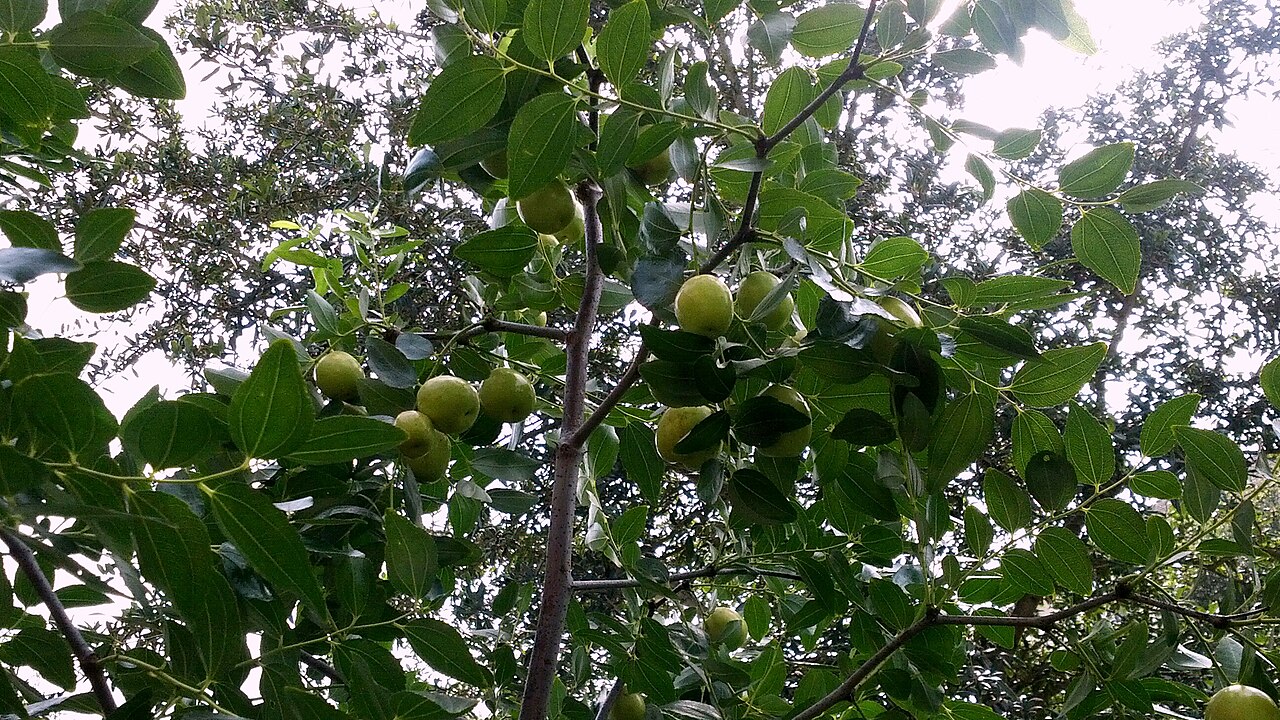
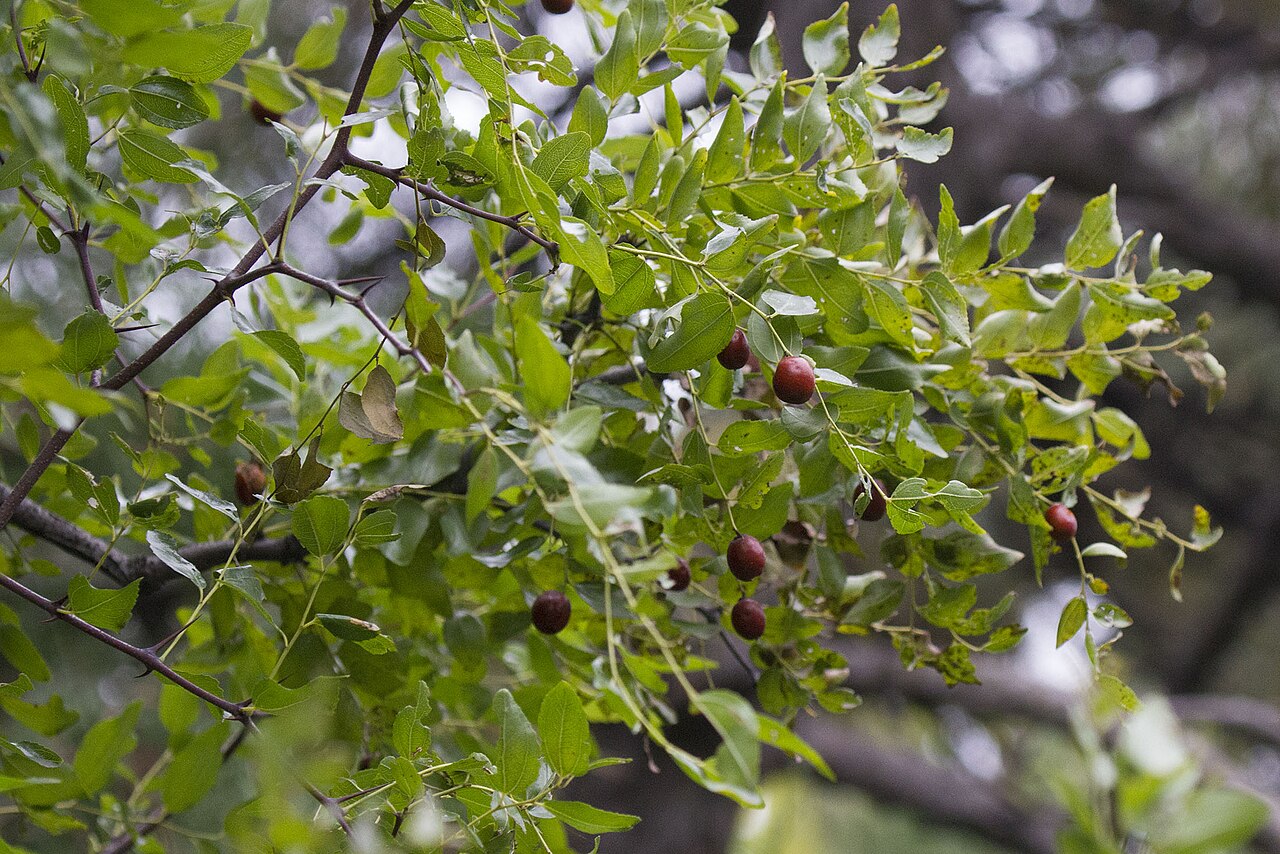
Li is the jujube most American growers plant first, and it is easy to see why: the fruit is large for a jujube, round, crisp and apple-like when fresh, sweet with a mild, clean flavor, and it dries on the tree into a chewy, date-like fruit if you leave it. One tree gives you two different fruits depending on when you pick — crisp apple in late summer, wrinkled date in autumn — which is a neat trick for a tree that also tolerates drought, heat, alkaline soil, and neglect.
Jujube in general is the fruit tree for gardeners in hot, dry places who have watched other fruit trees sulk, and Li is the most widely available, most forgiving entry point. It is self-fertile, so one tree fruits, though a second variety improves set. The tree is thorny, zigzag-branched, and handsome in a slightly wild way, and it drops its leaves in winter with no drama.
Large, crisp, sweet fruit fresh; chewy date-like fruit dried. Self-fertile; a second variety improves crops. Heat, drought, and alkaline-soil tolerant.
How to grow
Plant in full sun in well-drained soil and do not overwater — jujube’s drought tolerance is real, and wet feet cause more trouble than dry spells. Prune to keep fruit within reach; jujube’s zigzag branches and thorns make ladder harvests an adventure best avoided.
Plant in full sun in well-drained soil and give the shrub its mature spread from day one. Jujube-type shrubs tolerate heat, drought, and alkaline soil once established, but young plants still need regular water until their roots find their feet. Prune lightly for an open, reachable canopy — thorny or zigzag branches make ladder harvests an adventure best avoided.
Florida framing, stated plainly: Li has a more plausible Florida trial case than most tree fruits in this wave — jujube loves heat and tolerates poor soil — but it is still a North Florida trial, not a proven Florida crop. Humidity, summer rain during ripening, and limited chill all argue for caution, and fruit quality in Florida’s wet summers may differ from dry-climate reports. Plant in North Florida in full sun on well-drained ground, and judge fruit over several seasons before recommending it widely.
Water & feeding
Water young shrubs deeply through establishment, then water consistently but not excessively — drought tolerance describes an established plant, not a transplant. Mulch to hold moisture and suppress weeds, and top-dress with worm castings in spring. Overwatering causes more trouble than dry spells for heat-loving shrubs.
Common problems
- Fruit rot in humid weather — fruit that dries on the tree in dry climates may mold in wet ones. Harvest promptly and finish drying indoors where humidity is high.
- Birds — small, sweet fruit is bird food by design. Net before ripening if you want a share.
- Thorns and suckering — wear gloves, prune after fruiting, and remove suckers that stray beyond the shrub’s allotted space.
- Pests are usually minor compared with stone fruit, but watch for borers and scale on stressed plants; healthy, unstressed shrubs resist most of it.
Harvest
Pick when fruit colors fully and tastes sweet — for drying types, leave fruit until it wrinkles on the tree in dry climates, or pick at full color and finish drying indoors in humid ones. Use fresh fruit within days, or dry, freeze, or cook the surplus promptly.
Browse all plant & pest guides
Saving seeds
Li is a named jujube cultivar, and like most named fruit trees it is grown from a grafted nursery tree, not from seed — a seedling from a Li fruit would not come true to the variety. Buy a grafted tree from a nursery and plant it in full sun in well-drained soil, and let it establish for a season or two before expecting a real crop. The Saving seeds section of the Jujube guide covers seed for the species generally.