
🟤 Jujube
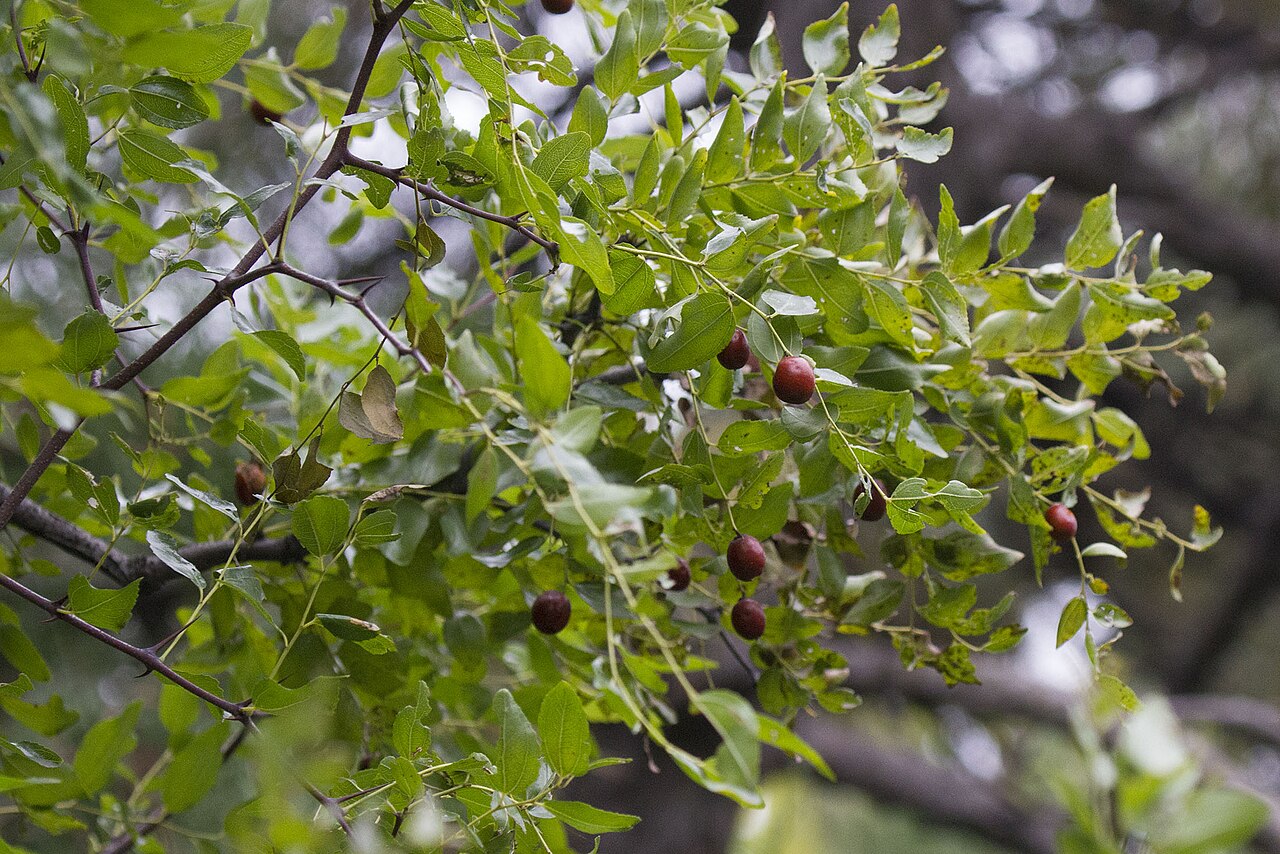
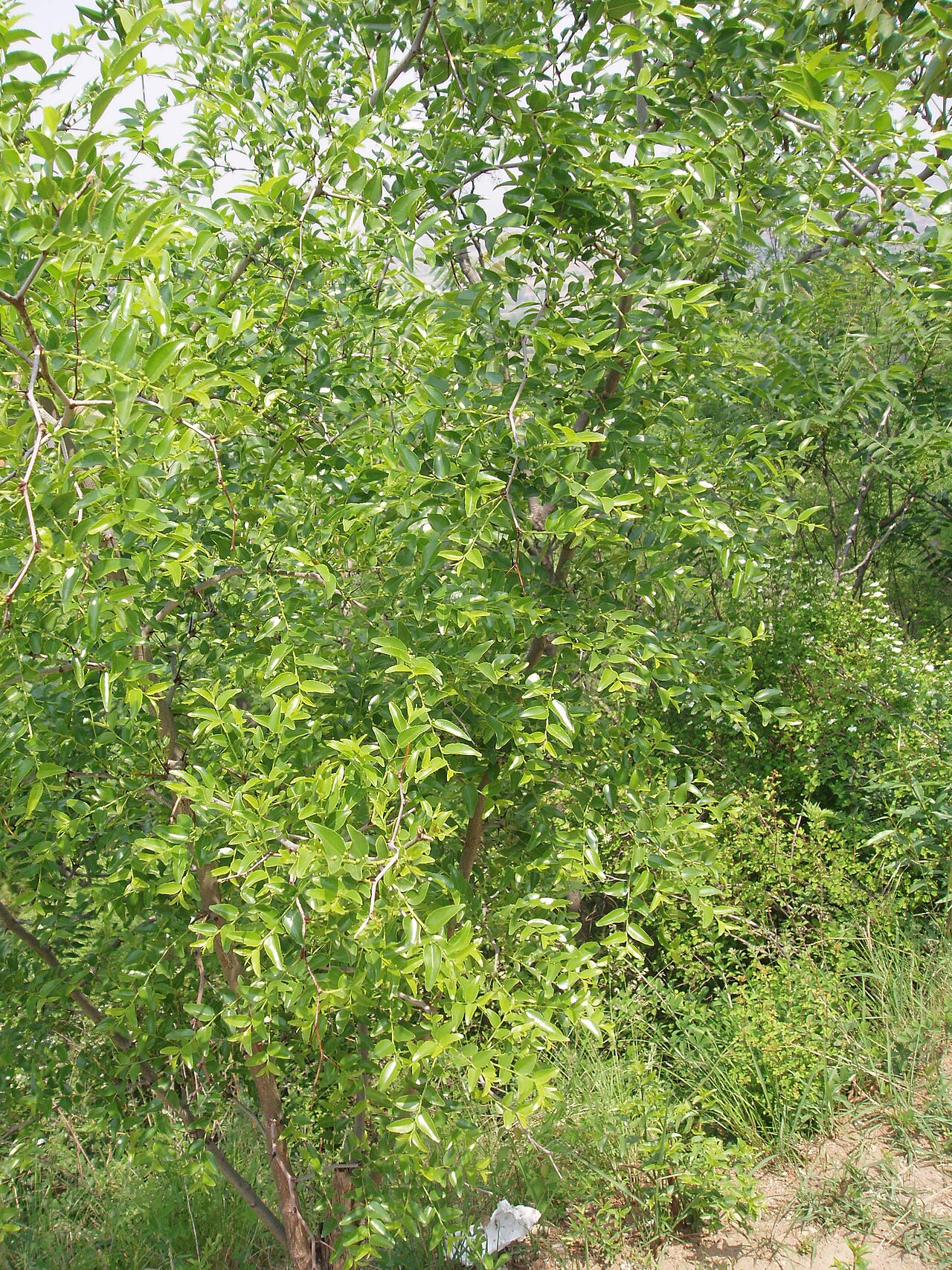
What it looks like
How to grow
Jujube is the fruit tree for gardeners in hot, dry places who have watched other fruit trees sulk: it tolerates drought, heat, alkaline soil, and neglect, and still produces. The fresh fruit is crisp and apple-like; left on the tree or dried, it wrinkles into something date-like and sweet — hence the common name Chinese date. ‘Li’ and ‘Lang’ are the classic varieties; ‘Li’ is rounder and best fresh, ‘Lang’ is pear-shaped and best dried. Jujubes are mostly self-fertile, though a second variety improves fruit set. Plant in spring in the hottest, sunniest spot you have, in well-drained soil, and be patient in spring — jujubes leaf out late, sometimes weeks after other trees, which convinces many new growers the tree is dead. It is not. It is just on its own schedule.
Water & feeding
Water during establishment, then water sparingly — jujube is genuinely drought-tolerant once rooted, and overwatering produces vegetative growth at the expense of fruit. Mulch to hold moisture in the root zone. Little fertilizer is needed; a spring compost mulch suffices.
Common problems
- Late leaf-out alarming new growers — wait until late spring before declaring it dead
- Fruit cracking after a sudden rain following drought — keep watering even, not feast-or-famine
- Thorny branches on some varieties — prune with gloves and site away from paths
- Few serious pests in the United States — one of the lowest-spray fruit trees available
Harvest
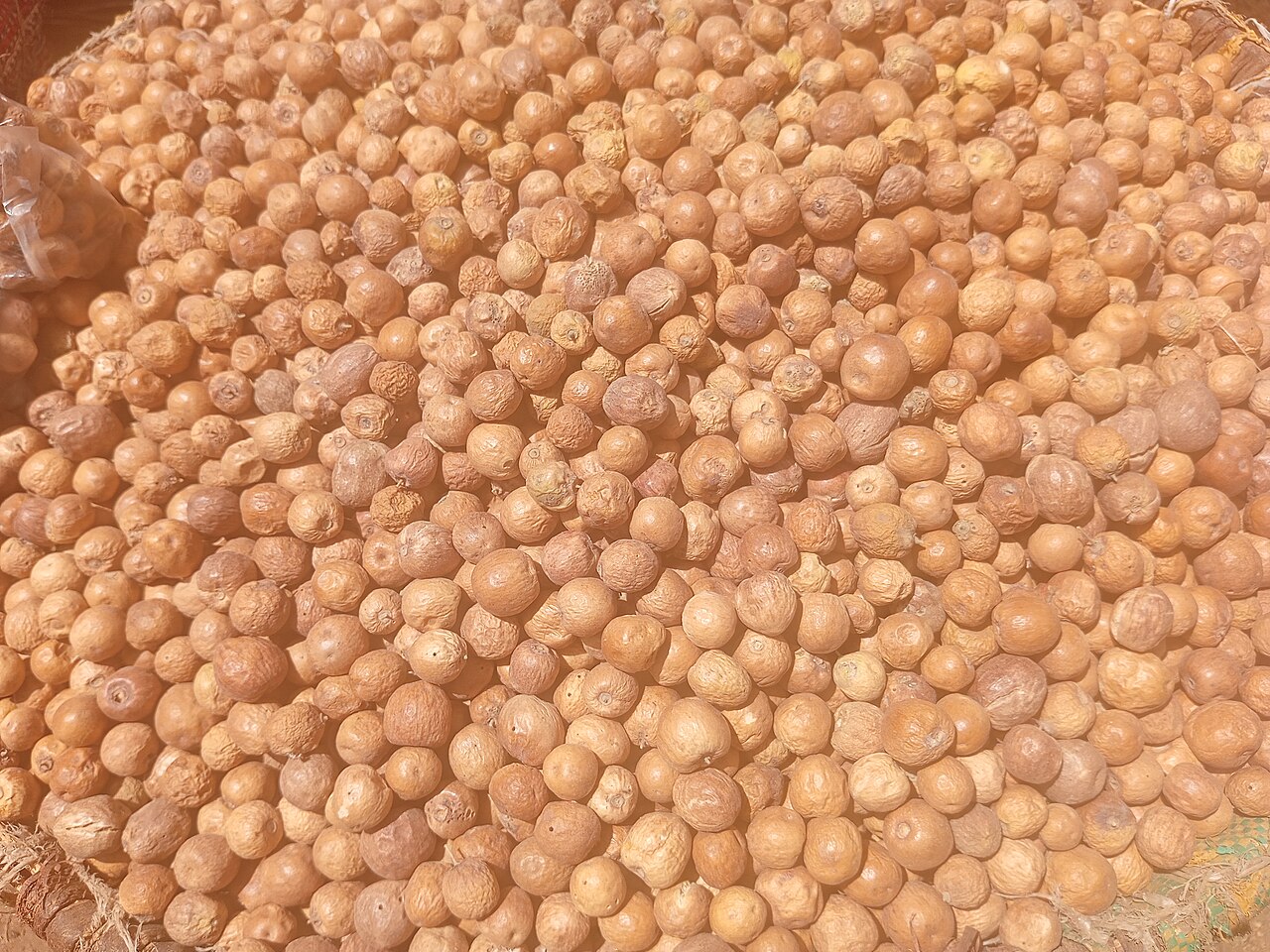
Pick fresh when the fruit is yellow-green with reddish-brown mottling and crisp — or leave some on the tree to wrinkle and dry for a date-like snack. Dried jujubes store for months and are excellent in teas, baking, and out-of-hand eating.
Browse all plant & pest guides
Saving seeds
Jujube grows fine from seed, and it is the cheapest way to raise a lot of trees — but go in with two honest caveats. First, a named cultivar will not come true from seed: a seedling of Li or Lang is a new jujube, not a copy of its parent, and it may take years to show you what its fruit is like. If you want a particular cultivar, graft it onto a seedling rootstock instead and keep seed-growing for rootstocks, experiments, and surprises. Second, not all jujube seed is viable. Seed set depends on cross-pollination, and seed from some well-known cultivars — Li and Lang are the usual examples — is often not viable at all. Sow generously, and sow seed from more than one tree when you can.
Collect fruit when it is fully ripe, reddish-brown to dark and beginning to wrinkle like a date. Soak the fruit in water for several hours, then rub and rinse away the pulp until the hard stone is clean. Each stone usually holds two seeds inside. The stones can germinate without any chilling, but stratification makes germination easier and more reliable, and sources disagree on how long it takes: some say a month or two of moist cold, others say a full three months. A practical middle path is to soak the clean stones in water for two to three days, changing the water daily, then mix them with moist sand in a bag with a few air holes and keep them in the fridge for 60 to 90 days. In Florida, use the fridge rather than counting on winter — most Florida winters are not cold or long enough to stratify jujube on their own.
Sow in spring once the soil is warm, about an inch deep in well-drained mix, and keep it warm — roughly 70 to 85 degrees. Expect germination in two to four weeks, unevenly, so do not throw the flat away early. Seedlings usually take three to five years to bear fruit, where a grafted tree often fruits by its second year, which is the real price of the seed route: time. Pot seedlings on as they grow, and plant them out once they are sturdy, in full sun and soil that drains.
For storage, dry the clean stones thoroughly before you put them away — in Florida humidity, spread them thin on paper until they are fully dry, then keep them in a labeled paper envelope in the fridge, with a desiccant packet if you have one. Damp-stored seed molds fast here. And one more way jujube multiplies without any seed at all: established trees throw up root suckers, which can be dug with roots attached in the dormant season and replanted. A sucker is a clone of its parent, so it is the honest shortcut when a seedling would be a gamble.
Varieties
Every named variety of Jujube with its own growing guide:
- Li Jujube — The big, crisp, apple-sweet jujube: the variety that made American gardeners take the Chinese date seriously.
- Lang Jujube — The pear-shaped drying jujube: smaller fresh, superb dried, and the classic partner for Li in a two-tree planting.