
🌺 Little John Bottlebrush
What it looks like
Why this variety
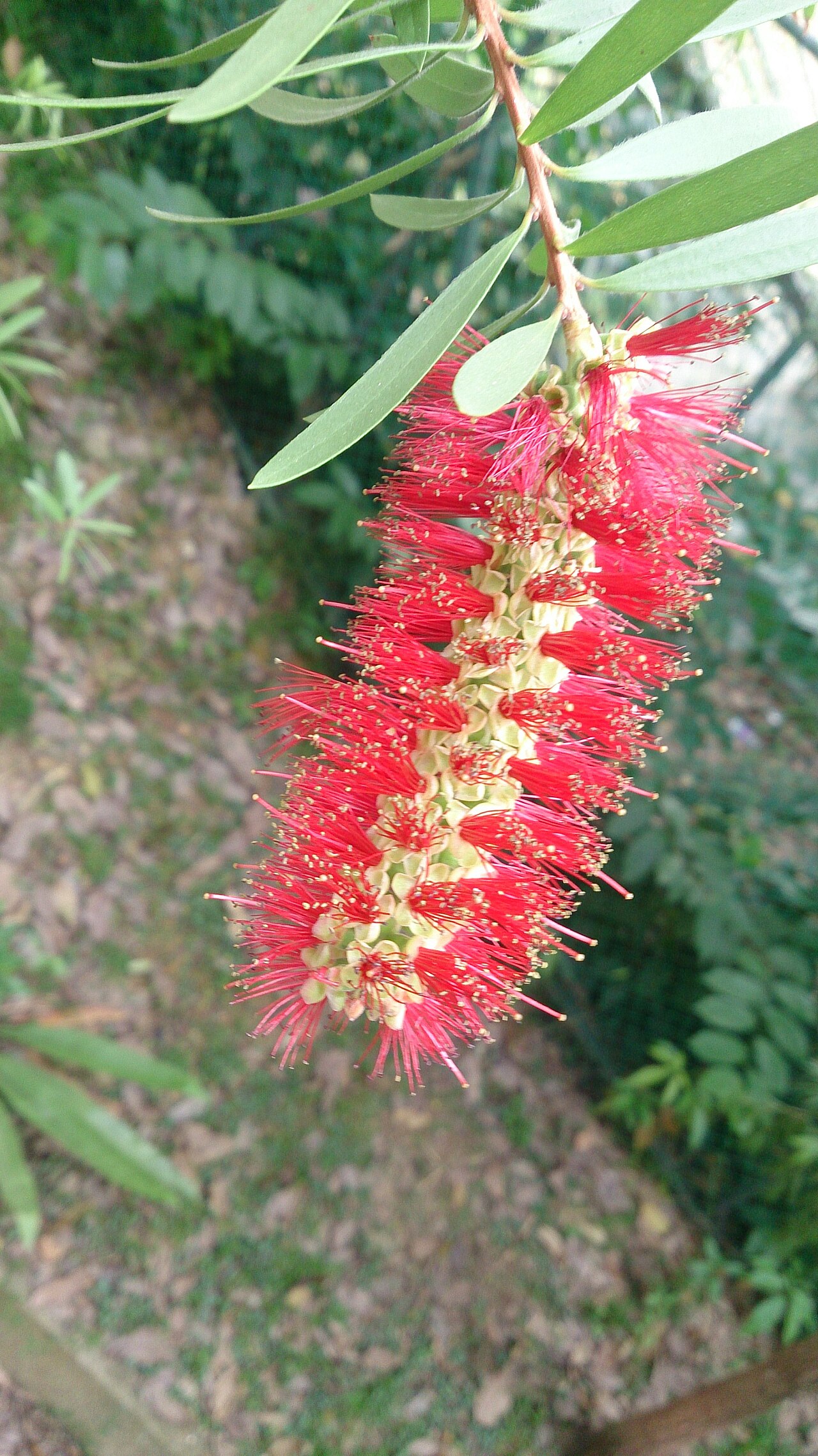
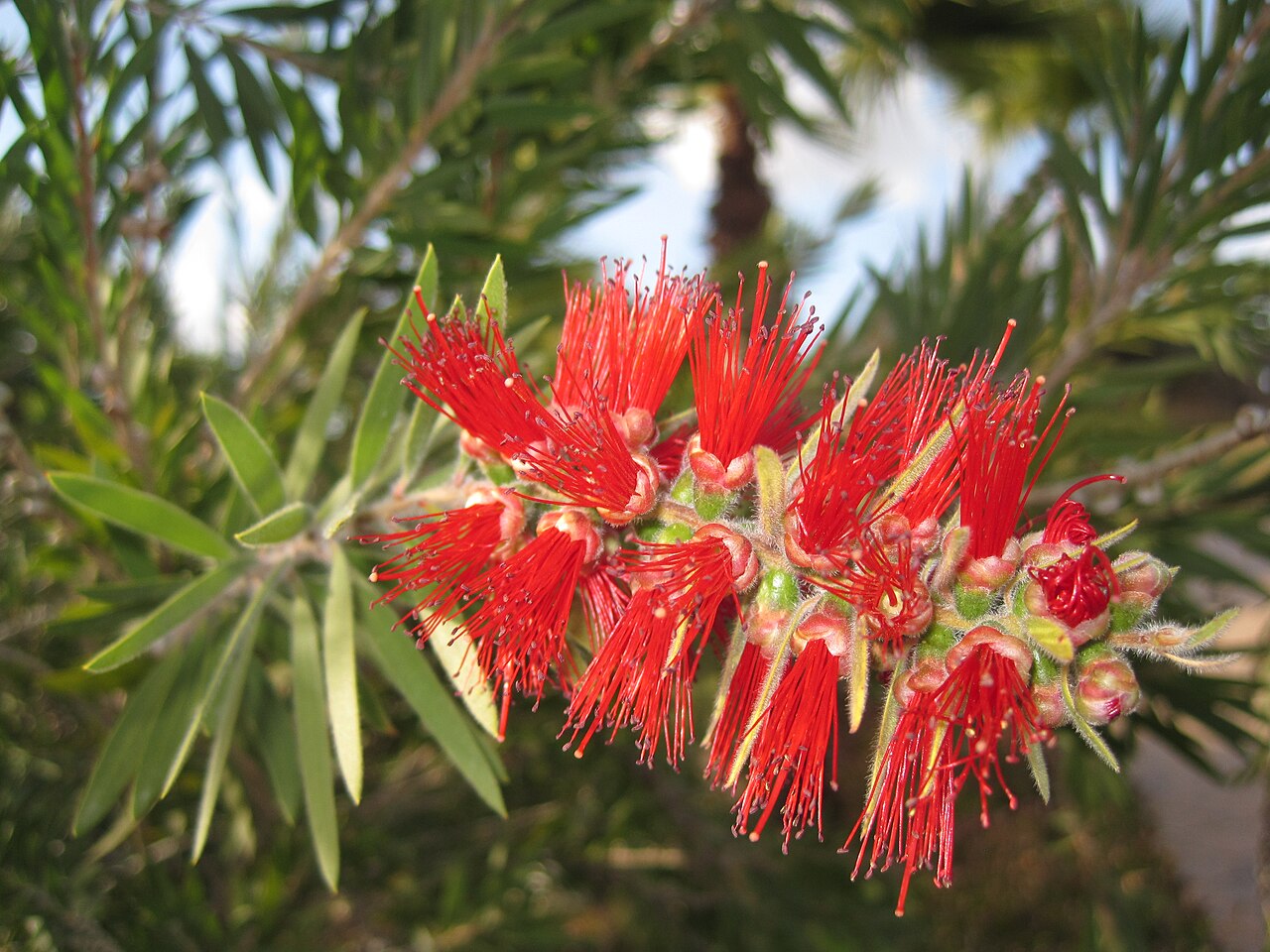
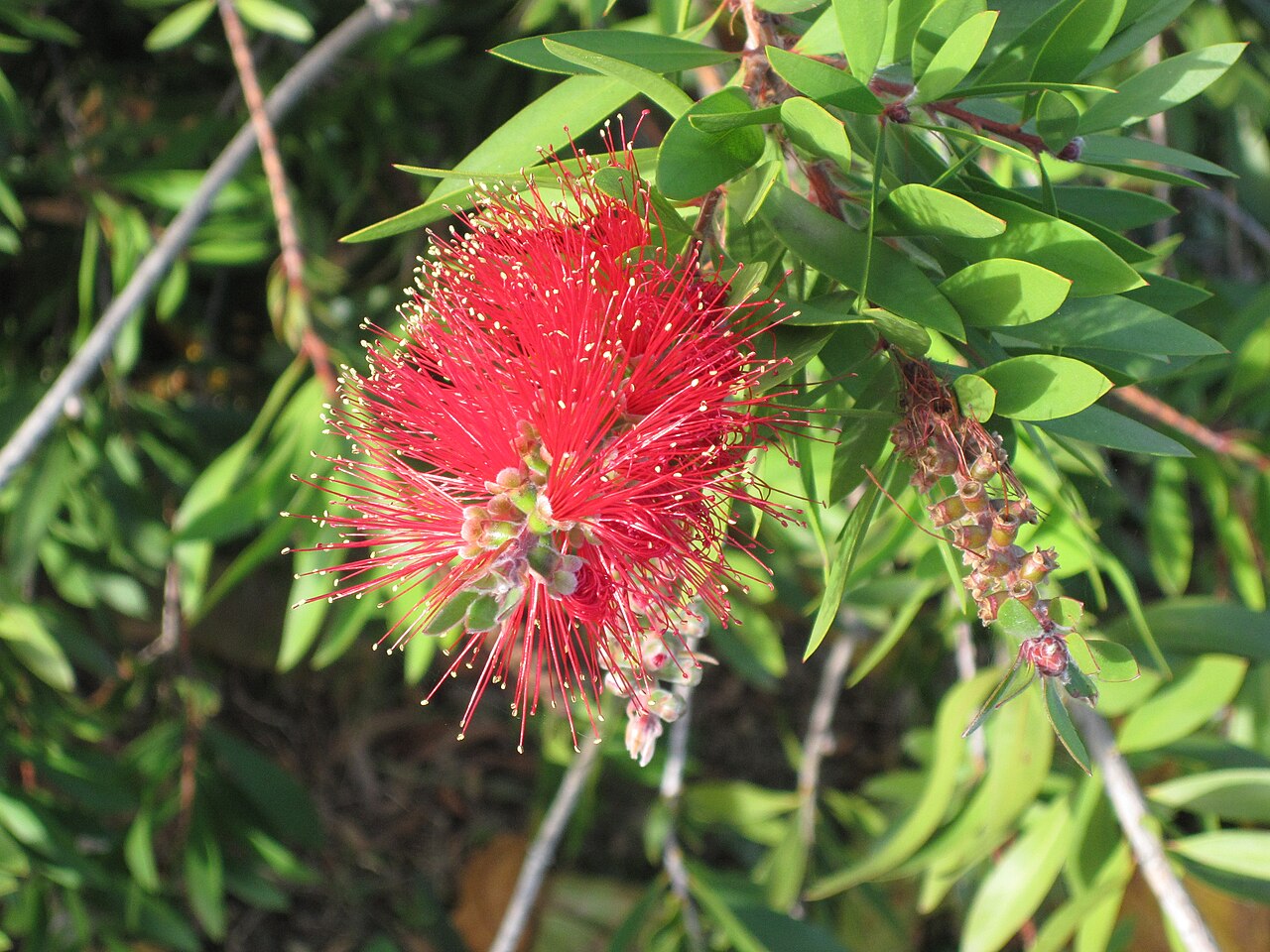
Little John is the bottlebrush for small gardens: a dwarf, about 3 feet tall and wide, with blue-green foliage that sets off deep-red bottlebrush spikes blooming over a long period. It makes a lovely low hedge without the shearing that ruins taller bottlebrushes, and it brings the hummingbirds that every bottlebrush brings — they will patrol a Little John hedge like it is territory worth defending, because to them it is.
In Florida, Little John is at home across the central and southern peninsula in full sun and well-drained soil, and it is hardy enough for a sheltered north-Florida spot. It tolerates heat, salt and poor soil, and it blooms heaviest after a light prune following a flush — the classic bottlebrush rhythm, in a shrub that never outgrows its bed.
How to grow
Plant in spring in full sun and well-drained soil — bottlebrush is an evergreen Australian shrub whose cylindrical red flower spikes really do look like bottle brushes, and hummingbirds will fight over them. It grows fast once settled, tolerates heat, salt spray and poor soil better than most flowering shrubs, and blooms heaviest after a light prune following a flush of flowers. Give it room at its mature width: a bottlebrush crammed against a wall loses the open, weeping or rounded shape that makes it worth growing. In Florida it is a plant-it-and-enjoy-it shrub, not a project.
Water & feeding
Water deeply through the first season, then only in dry spells; established bottlebrush is drought-tolerant and sulks if kept constantly wet. Feed lightly in spring with a balanced fertiliser; heavy nitrogen gives leaves at the expense of flowers. Prune lightly after flowering to shape and to encourage the next flush — never shear it into a hedge unless you are willing to sacrifice the flower display.
Common problems
Few serious pests in Florida. Scale insects may appear on stressed plants; horticultural oil and a healthier watering regime usually settle them. Frost can nip tender tips in north Florida — wait until spring growth shows, then prune back to live wood. The commonest problem is planting it where a hard freeze or a wet, shady corner defeats it.
Harvest
The harvest is hummingbirds and long bloom, not fruit. Prune lightly after each flush to shape and to encourage the next one, and do not shear it into a box — the flowers sit at the branch tips, and a shearing cut removes the next bloom with the shape. In a mild winter it may bloom almost year-round in south Florida.
Nerdy fact: A bottlebrush ‘flower’ is not one flower at all but a spike of hundreds of tiny flowers, each contributing a few long red stamens — the brush is made of stamens, and the red you see is the pollen-bearing hardware of the plant, waving at hummingbirds.
Saving seeds
Little John is a dwarf bottlebrush, about three feet tall and wide, and named bottlebrush cultivars are kept true from nursery plants, not from seed — seedlings would not hold the compact habit or the blue-green foliage. Plant in spring in full sun and well-drained soil, give it room at its mature width, and prune lightly after a flush of flowers for the heaviest bloom. The Saving seeds section of the Bottlebrush guide covers seed for the species generally.