
🌺 Lord Baltimore Hardy Hibiscus
What it looks like
Why this variety
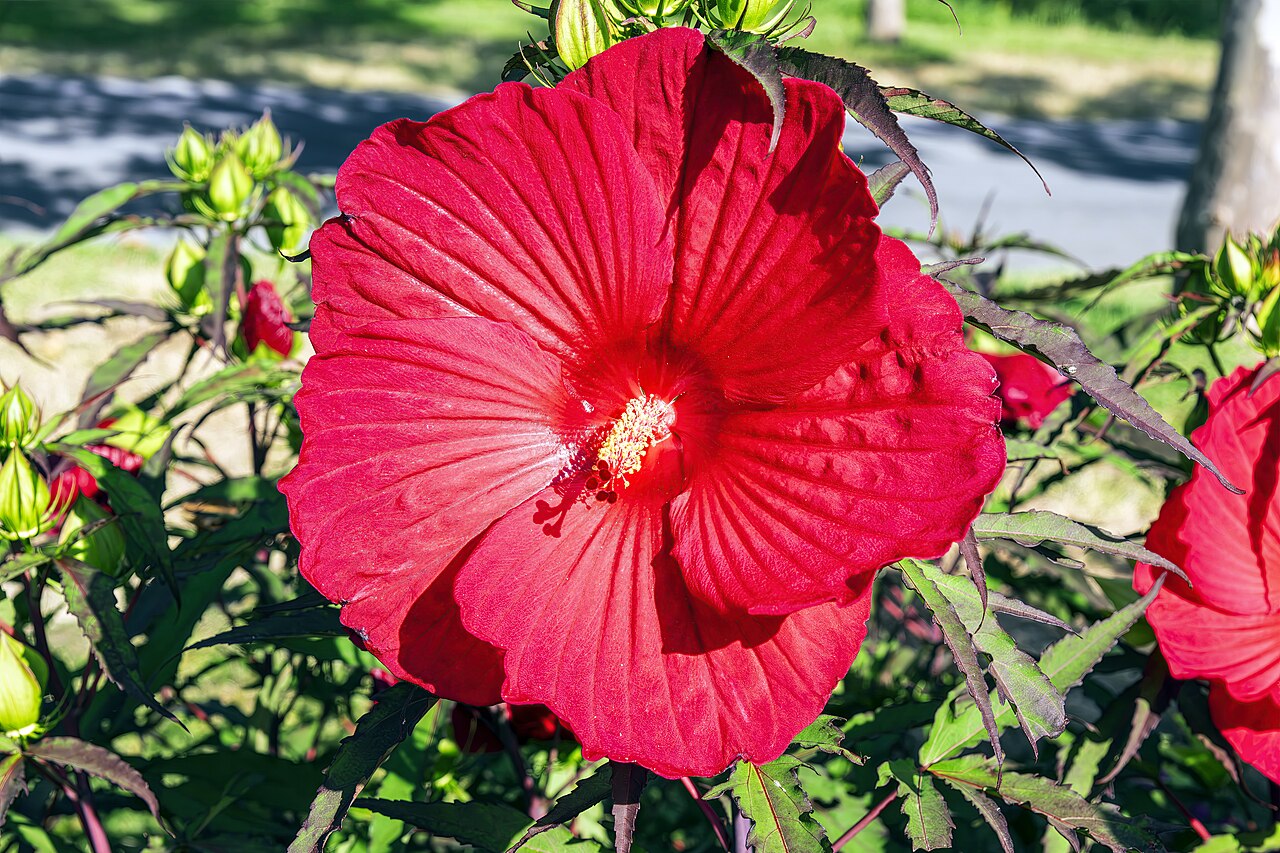
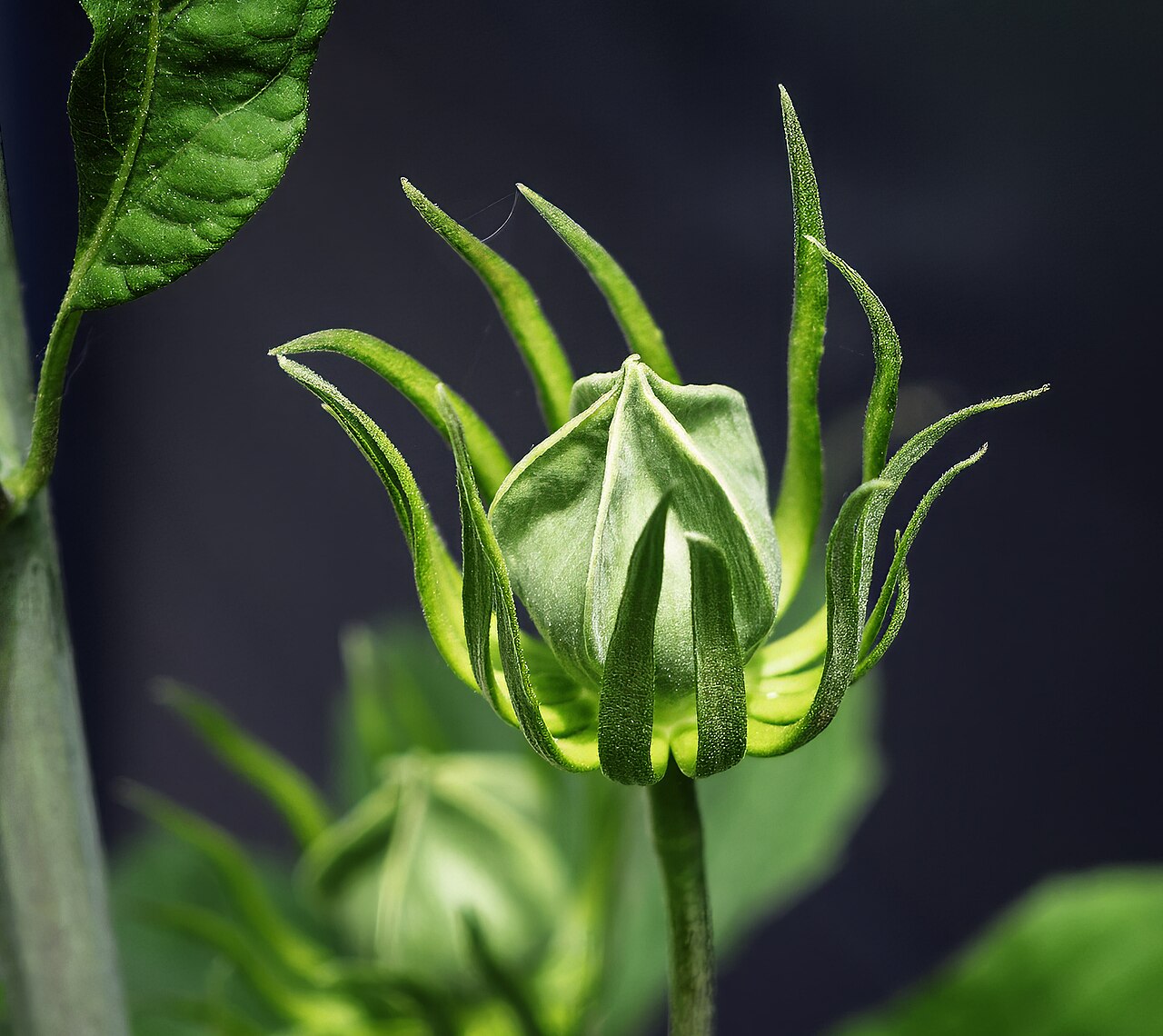
Lord Baltimore is the hardy hibiscus that made dinner-plate flowers famous: huge, scarlet-red blooms, up to 10 inches across, opening daily from summer into fall on a bushy, 4- to 5-foot plant that dies to the ground every winter and roars back every summer. Each flower lasts a day, but the plant makes so many buds that the show never stops — a Lord Baltimore in August is a red fireworks display that reloads itself every morning. It is a selection of the native rose mallow (Hibiscus moscheutos), so it brings native toughness along with hybrid size.
The trade-off is moisture and patience: Lord Baltimore wants full sun and moist soil — it is a wetland-edge plant by heritage — and a plant that dries out wilts and drops buds. It also emerges late in spring, so do not dig it up in April thinking it died; it is just sleeping, and it will rocket up in May. Give it sun, moisture, mulch, and room, and do not crowd it against a fence it will swallow by August.
If you are new to choosing between cultivars, the Varieties Matter guide explains why the name after the plant matters as much as the plant itself. Lord Baltimore is a perfect example: it is not just a hardy hibiscus in the abstract, it is a hardy hibiscus with a specific job, a specific history, and specific strengths.
Florida honesty: hardy hibiscus grows statewide in Florida in moist, sunny spots — it is one of the few dinner-plate flowers that actually likes Florida heat, provided it gets water. Give it full sun, moist soil or a spot near a downspout, mulch deeply, and cut back dead stems in spring. In North Florida it dies back in winter and returns; in South Florida it may stay evergreen and bloom longer. In dry soil it sulks, so moisture is the whole game.
How to grow
Plant in spring in full sun and moist, well-drained soil — hardy hibiscus is a wetland-edge plant that wants sun and moisture, not drought and shade. Work worm castings into the bed at planting, mulch deeply to hold moisture, and give it room: even compact forms reach 2 to 3 feet wide, and tall forms reach 4 to 5 feet. Do not dig it up in April thinking it died — it emerges late in spring and rockets up in May.
Set plants 3-4 feet apart in soil with a pH around 6.0-7.0. Work worm castings into the bed at planting and mulch to hold moisture. A well-fed hardy hibiscus plant rewards that care directly: steadier growth, better bloom, and a show that actually shows up.
Water & feeding
Keep soil consistently moist — hardy hibiscus is a wetland-edge plant that wilts and drops buds in drought. Water at the soil line, mulch deeply to hold moisture, and feed moderately: castings at planting plus a balanced organic feed in spring. A hibiscus that dries out in August stops blooming until watered.
Common problems
- Wilting and bud drop in drought — hardy hibiscus is a wetland-edge plant; water deeply in dry spells.
- Late emergence alarming gardeners — hibiscus sleeps into May; do not dig it up in April thinking it died.
- Japanese beetles and sawfly larvae chewing leaves — pick by hand and encourage predators; plants usually outgrow damage.
- Flopping tall types in wind — stake tall forms and give them room, not a crowded fence line.
- Short flower life — each bloom lasts a day; the plant compensates with many buds, so judge the show over a week, not a day.
Harvest
Cut flowers for bouquets in summer, when blooms are fully open — hibiscus flowers last a day in water, so cut in the morning for a one-day show, or admire them on the plant, where a new bloom opens every morning. Deadhead lightly for tidiness, cut back dead stems in spring, and divide congested clumps in spring every few years.
Browse all plant & pest guides
Saving seeds
Lord Baltimore is the hardy hibiscus that made dinner-plate flowers famous — huge scarlet blooms up to 10 inches across — and as a named selection of the native rose mallow it is kept true by cuttings or division, not by seed. Plant in spring in full sun and moist, well-drained soil, mulch deeply to hold moisture, and do not dig it up in April thinking it died: it emerges late in spring and rockets up in May. The Saving seeds section of the Hardy Hibiscus guide covers seed for the species generally.