
👑 Lutea Fritillaria
What it looks like
Why this variety
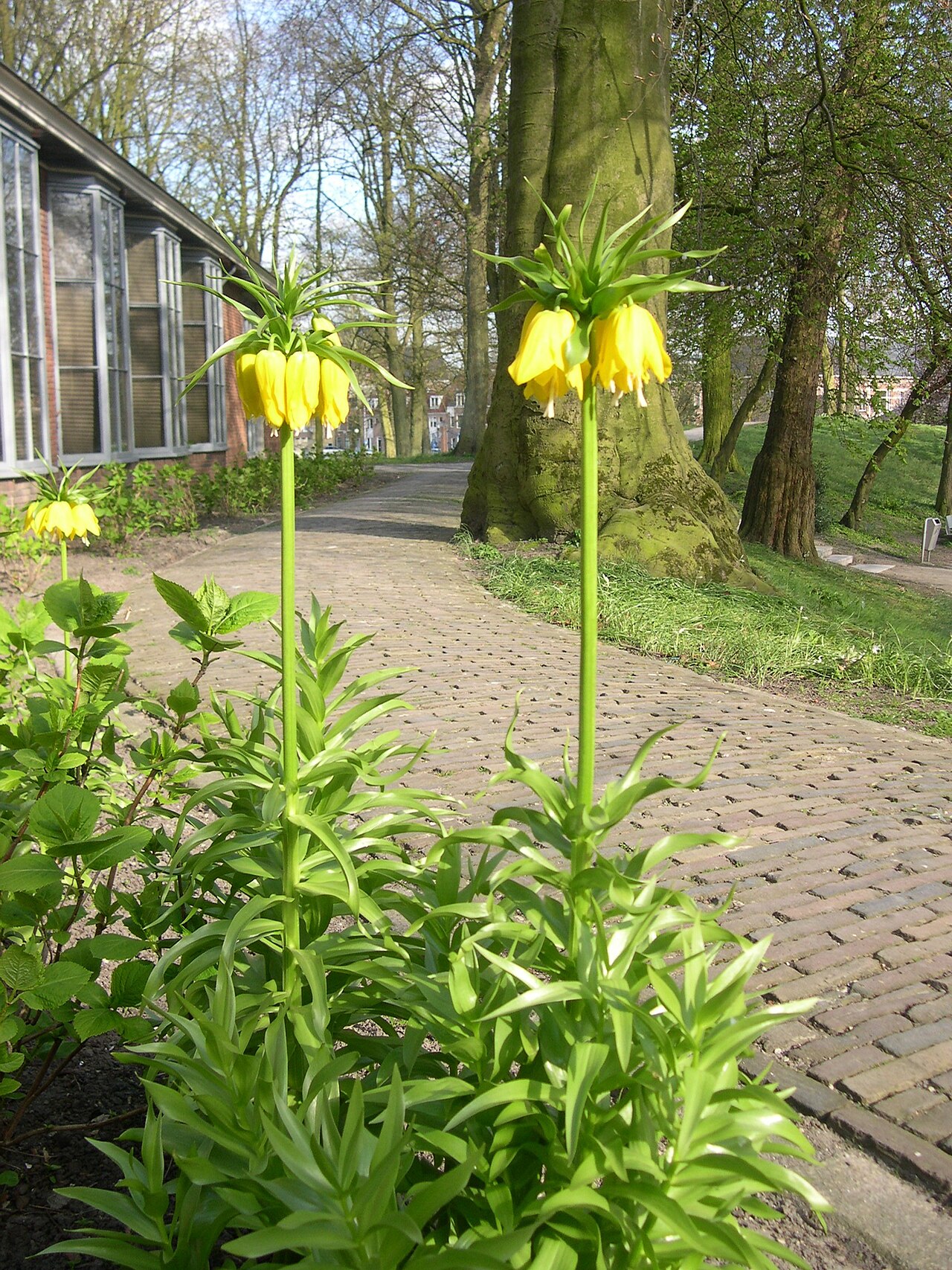
Lutea is the crown imperial for gardeners who love the form but not the fire: the same 3- to 4-foot stem, the same ring of pendulous bells under a green leafy crown, but in soft, clear yellow instead of brick red. Yellow bells read larger and gentler than red ones, especially in light shade, where Lutea glows against dark evergreens and spring foliage without shouting. It shares Rubra Maxima’s animal resistance — deer and squirrels leave it alone — and its mid-spring timing, so the two make a striking red-and-yellow pair where both thrive.
The trade-off is the same as all crown imperials: a faintly skunky bulb, a demand for sharp drainage, and bulbs that rot in wet soil. Plant bulbs on their sides in fall, in gritty, well-drained soil, give them light shade in hot gardens, and do not eat them — fritillaria bulbs are toxic. Lutea’s paler color also shows dirt and weather marks more plainly than Rubra Maxima’s dark red, so plant it where it can be seen up close and sheltered from driving rain.
If you are new to choosing between cultivars, the Varieties Matter guide explains why the name after the plant matters as much as the plant itself. Lutea is a perfect example: it is not just a fritillaria in the abstract, it is a fritillaria with a specific job, a specific history, and specific strengths.
Florida honesty, stated plainly: crown imperial fritillaria is a North Florida trial only, not a statewide promise, and Lutea is no exception — it needs winter chill and sharp drainage that Florida mostly cannot offer. In North Florida, plant bulbs in fall in the coolest, best-drained, lightly shaded spot you have, and treat bloom as a triumph. South of the Panhandle, do not bother — plant a native lily and save the fritillaria money.
How to grow
Plant bulbs in fall, 6 to 8 inches deep, on their sides so water does not pool in the hollow crown — crown imperial bulbs rot from the top down if water sits in the crown. Give them full sun to light shade and sharply drained, even gritty soil, work worm castings into the bed at planting, and mark the spot, because the foliage dies back by summer and the bed will look empty. Wear gloves when handling bulbs — they smell skunky and are toxic — and do not plant them where rain ponds.
Set plants 9-12 inches apart, bulbs 6-8 inches deep in soil with a pH around 6.0-7.5. Work worm castings into the bed at planting and mulch to hold moisture. A well-fed fritillaria plant rewards that care directly: steadier growth, better bloom, and a show that actually shows up.
Water & feeding
Keep soil moist in spring while the plant is growing, then let it dry as foliage dies back — crown imperial bulbs rot in summer wetness. Water at the soil line, mulch lightly, and feed lightly: castings at planting is plenty. Never let bulbs stand in water, in any season.
Common problems
- Bulb rot in wet soil — the crown imperial killer; plant in sharp drainage, on the bulb’s side, never where rain ponds.
- Skunky smell offending close quarters — do not plant crown imperials under a bedroom window or beside a seating area.
- Toxic bulbs — fritillaria bulbs are toxic if eaten; wear gloves when handling and never mistake them for food onions.
- Failure to return without winter chill — crown imperials need cold winters; in warm zones, treat them as a trial.
- Slug damage to emerging shoots in wet springs — pick at dusk and keep mulch pulled back from crowns.
Harvest
Cut stems for bouquets in mid-spring, when bells are fully open — crown imperial flowers last a few days in water and suit dramatic, tall arrangements, though their faint skunky scent means you should sniff before committing to a dining-table bouquet. Do not cut heavily: the plant needs its foliage to feed next year’s bulb, even though it will vanish by summer. Leave foliage to yellow naturally, and do not dig bulbs unless dividing.
Browse all plant & pest guides
Saving seeds
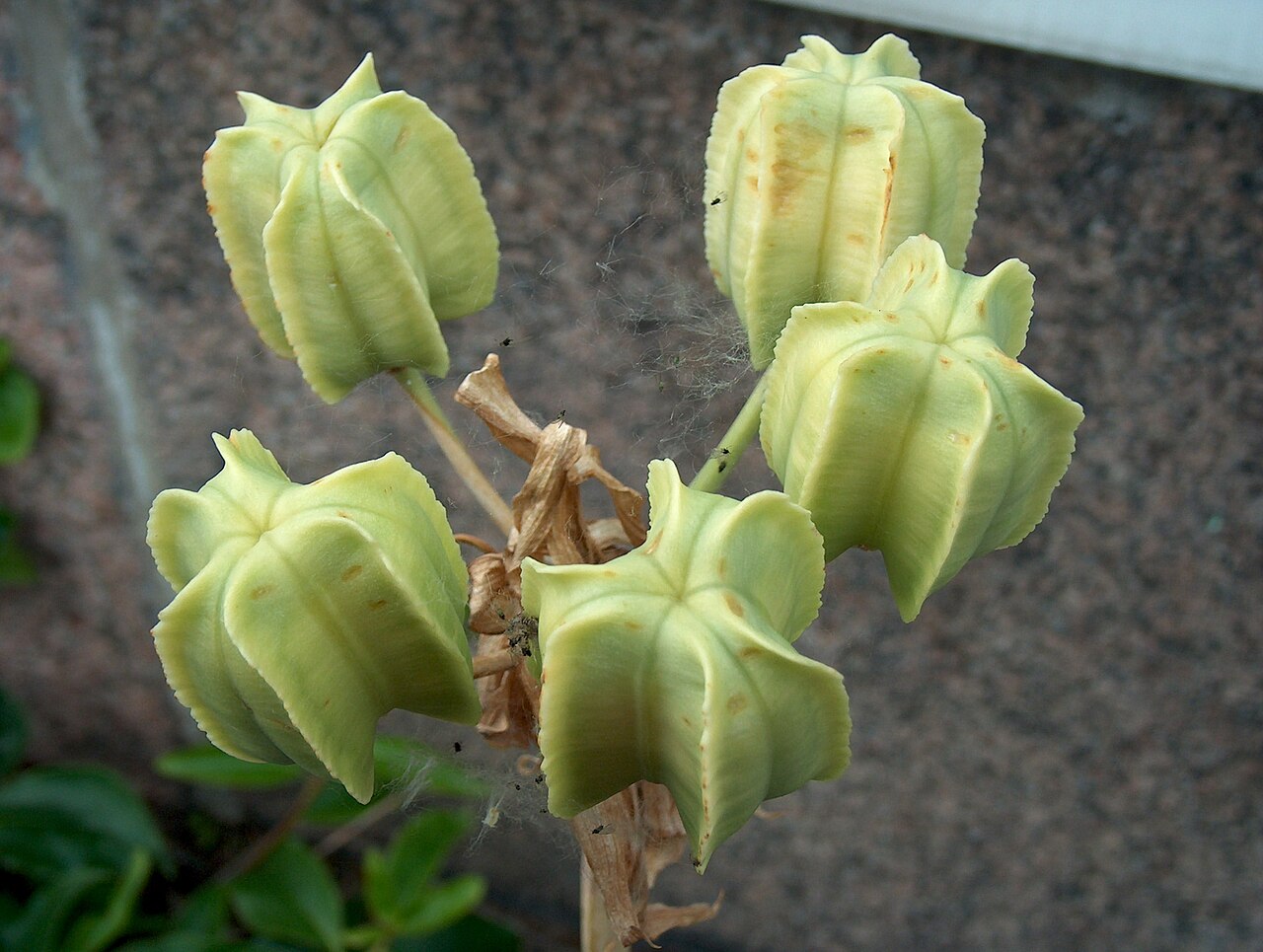
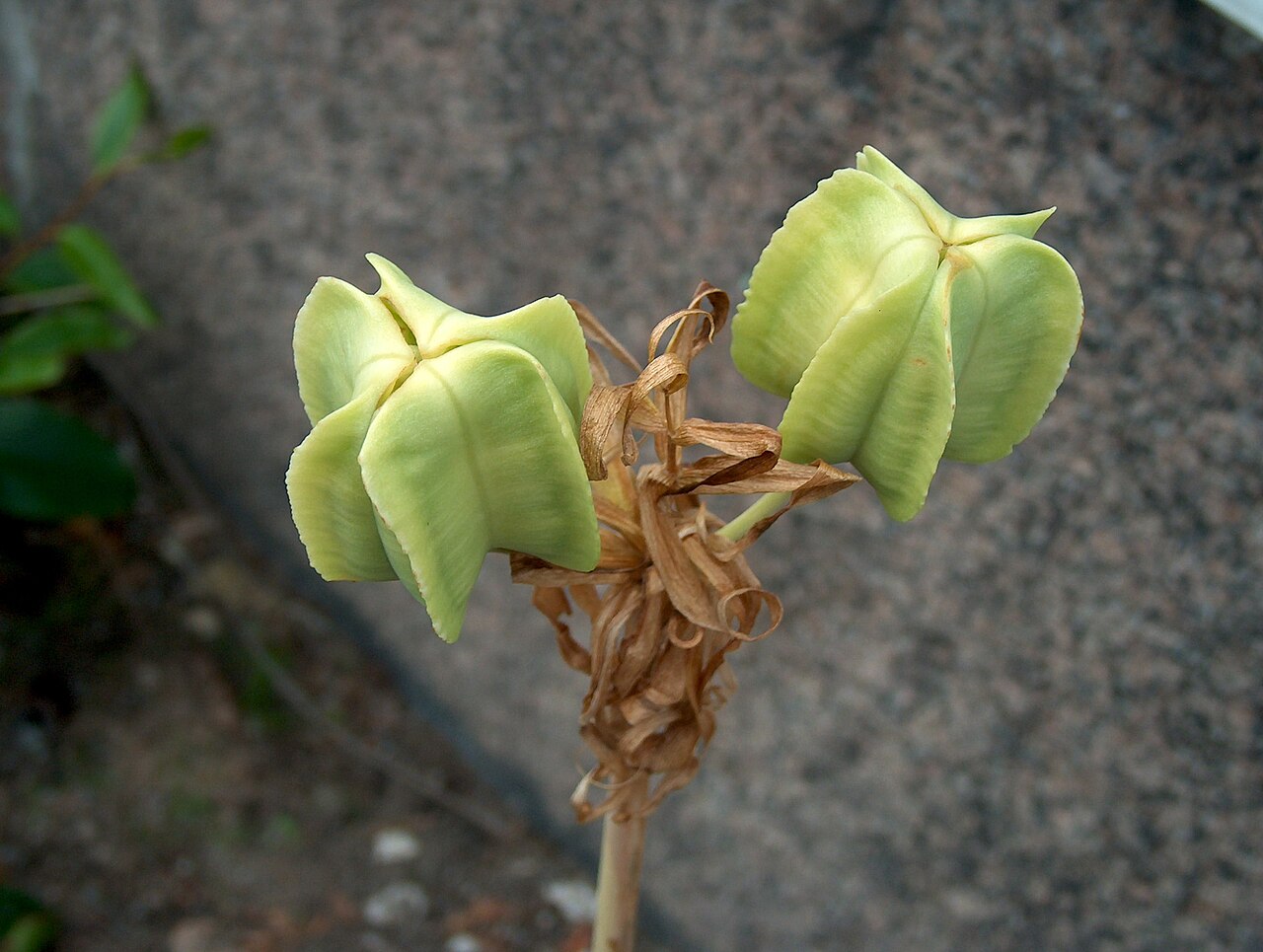
Lutea is the crown imperial for gardeners who love the form but not the fire: the same 3-to-4-foot stem and ring of pendulous bells under a green leafy crown, but in soft, clear yellow instead of brick red. Crown imperials are grown from bulbs, not from seed — plant bulbs in fall, 6 to 8 inches deep, on their sides so water does not pool in the hollow crown, in full sun to light shade and sharply drained, even gritty soil. Wear gloves when handling bulbs — they smell skunky and are toxic — and mark the spot, because the foliage dies back by summer. The Saving seeds section of the Fritillaria guide covers seed for the species generally.