
💜 Lyreleaf Sage
What it looks like
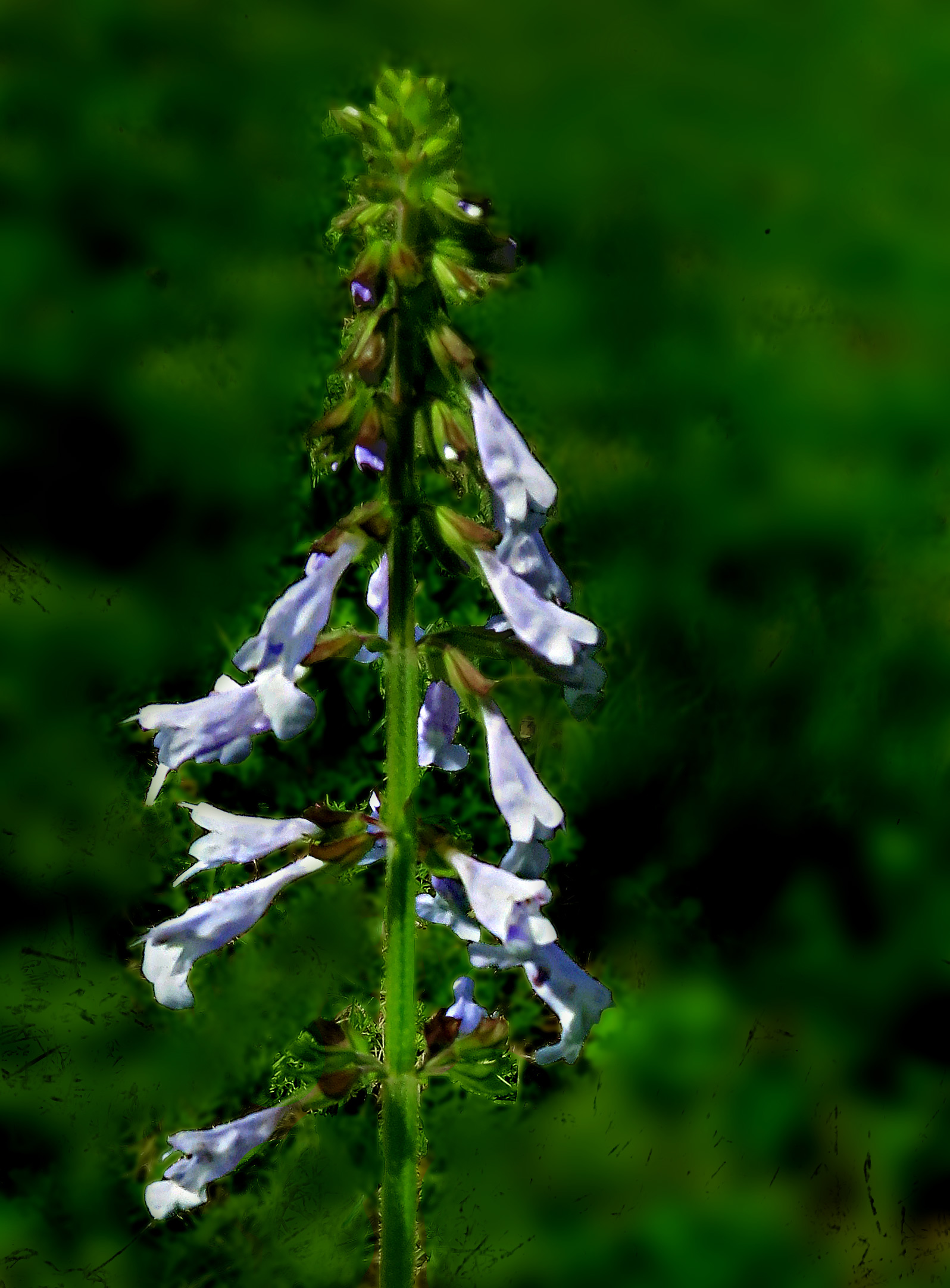
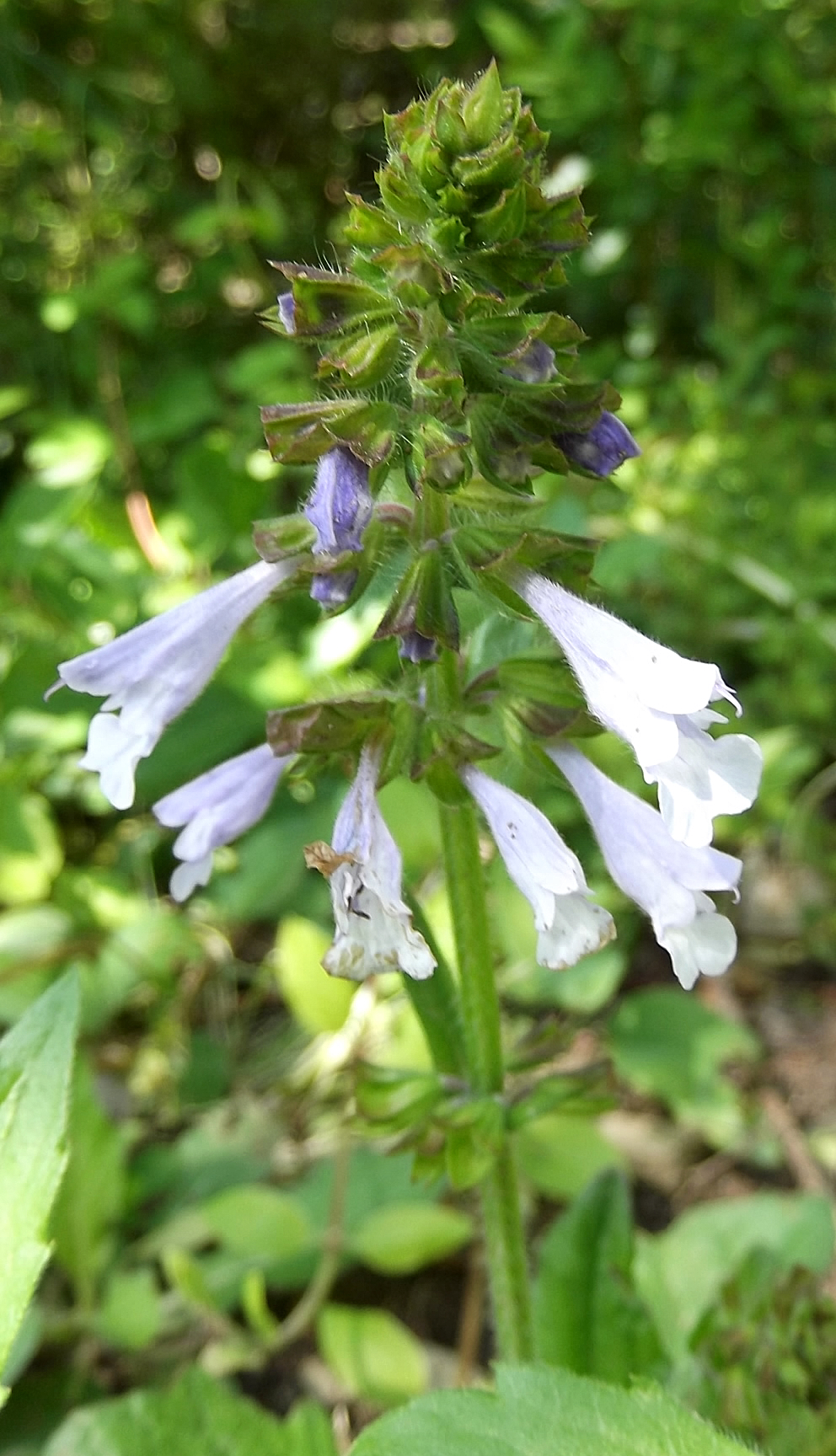
Lyreleaf sage is a low, rosette-forming perennial with leaves shaped like a lyre, deeply lobed with a large terminal lobe, that lie flat on the ground in winter and spring. In spring it sends up spikes of blue to violet flowers, each one a classic sage flower with a hooded upper lip and a lower landing pad for bees.
It grows as a groundcover, typically 1 to 2 feet tall in flower and much lower in leaf, and it spreads by seed to form patches in lawns, woodland edges, and garden beds. In a garden it is a spring groundcover that flowers, then settles back into a leafy rosette for the rest of the year.
Why this variety
Choose lyreleaf sage for a shady or partly shady spot where you want a native groundcover that flowers. It fills in under trees, along paths, and in beds where grass struggles, and it does it without needing to be mowed or edged constantly.
It is also a plant that belongs in a Florida lawn alternative: it tolerates light foot traffic, it stays low, and it flowers in spring when the lawn is still waking up. A patch of lyreleaf sage in bloom is a lawn that feeds bees.
How to grow
Plant in sun to part shade in well-drained soil, in fall or spring. Space plants 1 to 2 feet apart for a groundcover, water them in, and mulch lightly. It will seed itself into nearby beds, so plant it where seedlings are welcome.
Mow or cut back after flowering if you want a tidier groundcover, or leave the seed heads to reseed. It tolerates light mowing, which is why it survives in lawns, but it flowers best if it is not mowed in spring.
Water & feeding
Water deeply once a week while it establishes, then water in dry spells. Lyreleaf sage tolerates short dry spells once rooted, but it looks best with even moisture in spring.
Feed with compost in spring. It is not a heavy feeder, and in rich soil it grows lush leaves at the expense of flowers, so go easy.
Common problems
Summer dormancy in heat: lyreleaf sage can look tired in a hot, dry summer. This is normal. Water it in a drought, and it will regrow with fall rains.
Self-seeding: it seeds freely. Pull seedlings where you do not want them, and let them fill in where you do.
Not culinary sage: lyreleaf sage is ornamental, not the culinary sage used in cooking. Do not use it as a cooking herb.
Too much shade: in deep shade it grows sparse and flowers little. Give it at least a few hours of sun, or dappled light through trees.
Harvest
There is no edible harvest. The harvest is spring blue spikes over a groundcover of lyre-shaped leaves, and a patch that fills in where grass and other groundcovers fail.
Cut flower spikes for a vase in spring if you like, but leave most of them for the bees. A lyreleaf sage patch in full flower, with bees working the spikes, is a groundcover doing its full job.
Saving seeds
Lyreleaf sage is a generous self-seeder, which means saving its seed is mostly a matter of paying attention at the right moment. After the blue spring spikes fade, the seed ripens in the calyces along the stalk. Wait until the stalks turn dry and brown, then cut them into a paper bag and let them finish drying. Crush the dried heads gently and the small dark nutlets fall out, ready to store or sow.
There is no stratification, no scarification, no fuss. Sow the seed where you want it to grow, on the surface or barely covered, in fall or early spring. In Florida, a fall sowing is the natural rhythm: the seed germinates with the cool-season rains, the rosettes establish over winter, and the plants flower the following spring. Germination is uneven, so sow generously and thin later.
Self-seeding is the whole story of this plant. A lyreleaf sage left to ripen will sow itself into lawns, shady beds, and bare ground, and it will come back next year without any help. That is a gift in a native planting and a nuisance in a tidy border. Deadhead the spent spikes if you want to limit it, and let a few ripen if you want it back. Either way, you are in charge of the decision.
Crossing is a small matter. Salvia lyrata crosses with other lyrata forms, so if you grow the plain green species and a purple-leafed selection side by side and save seed, expect a mix. Named selections like Purple Knockout do not come true from seed, full stop. If you want that exact purple foliage, divide a clump in spring or take cuttings. Seed is for the species, and for the meadow, not for the exact cultivar.
Stored dry, the seed keeps well for a few years. Florida humidity is the enemy of stored seed, so dry the seed thoroughly before jarring it, add a silica gel packet, and keep the jar cool and dark. And remember what the plant is: a Florida native that belongs in shady ground, feeding pollinators in spring and filling space the rest of the year. The seed you save is next year’s groundcover.
Varieties
Named lyreleaf sage cultivars with their own full guides include Purple Knockout Lyreleaf Sage. See also Lyreleaf Sage: All Varieties.