
🟣 Purple Knockout Sage
What it looks like
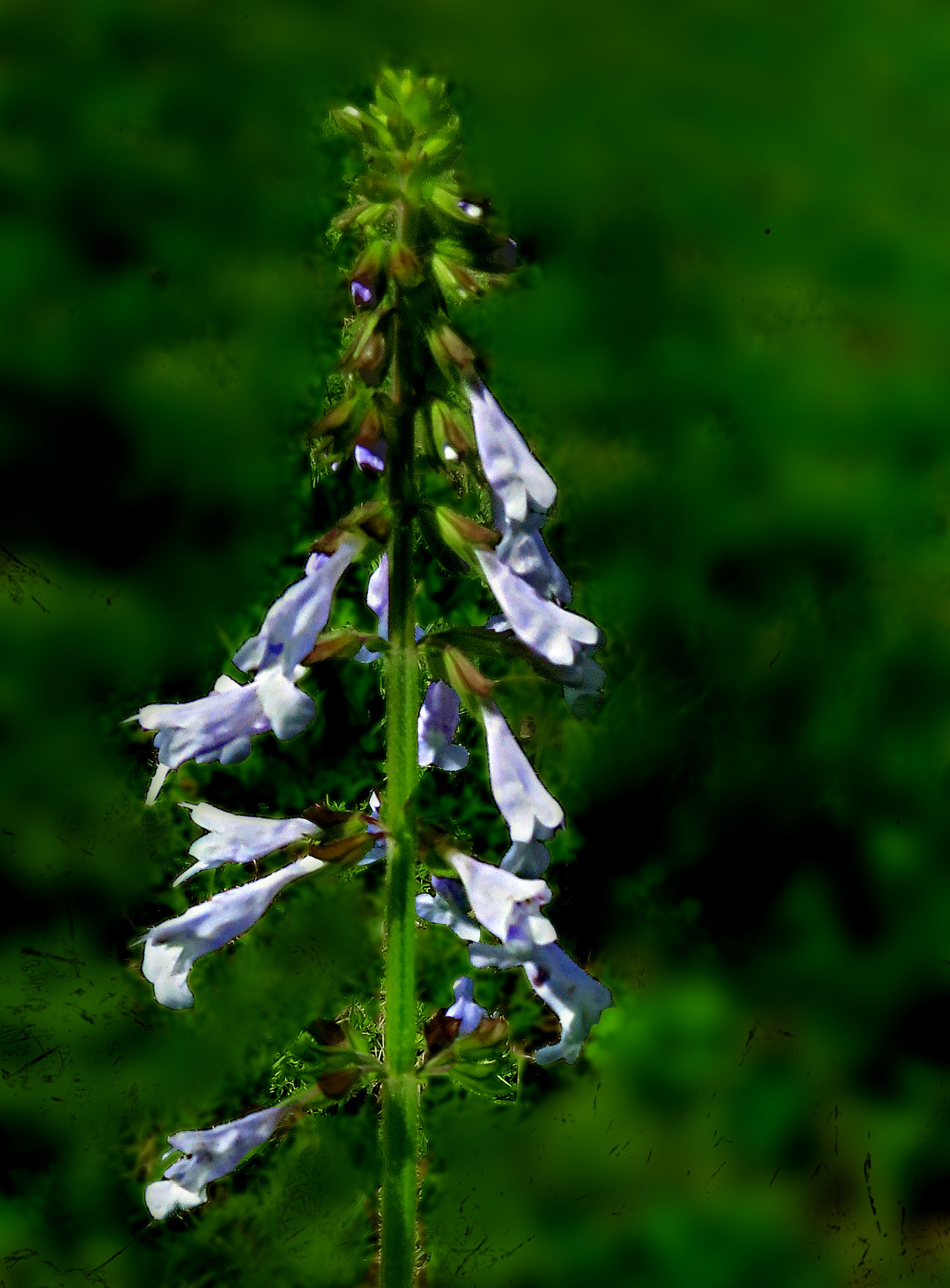
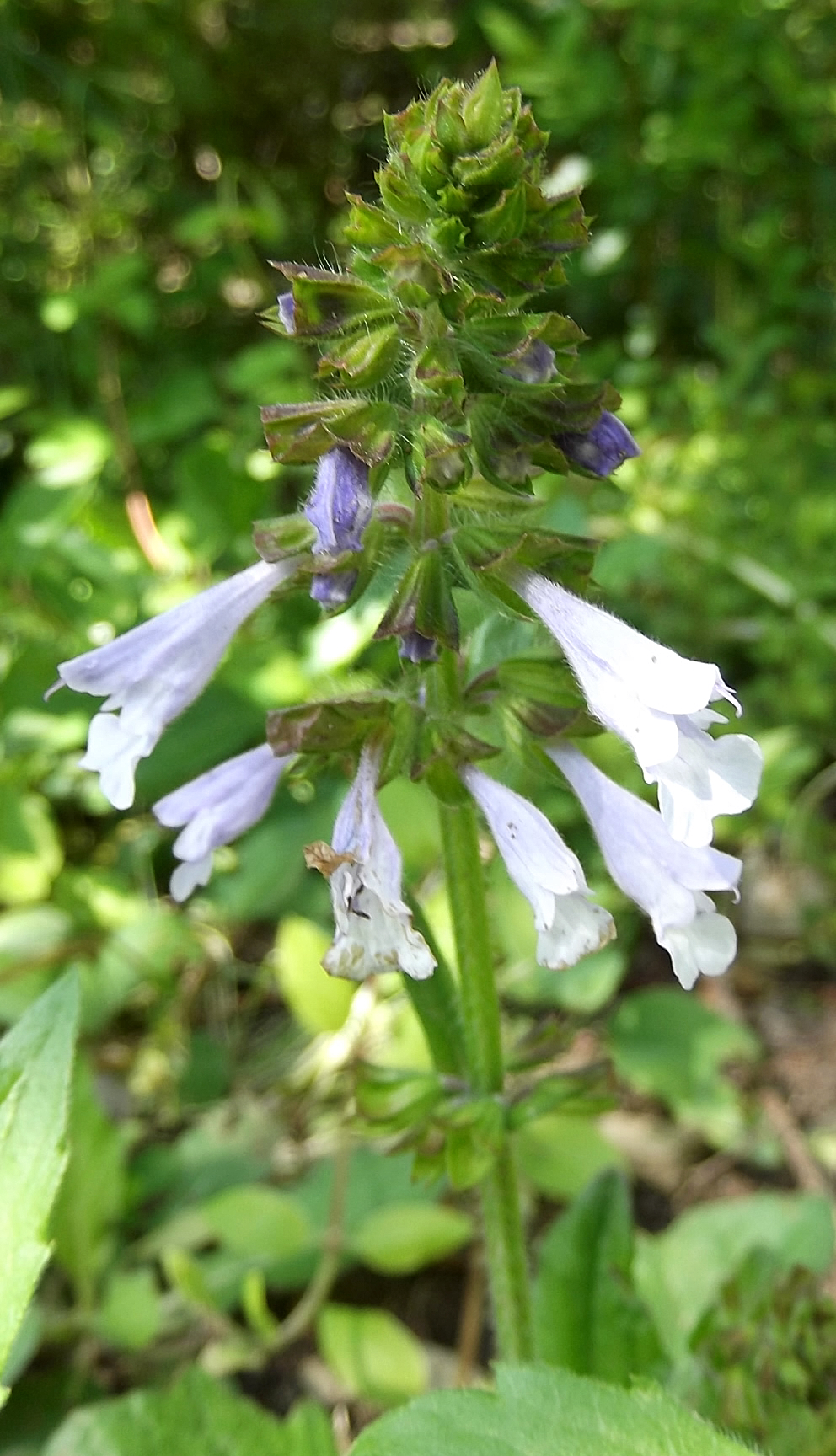
Purple Knockout is a selected lyreleaf sage whose leaves are flushed deep purple and burgundy, rather than the species’ green, and whose spring flowers are blue-violet spikes over the purple rosettes. The foliage color is the point: it holds its purple through the growing season, so the plant looks ornamental even when it is not in flower.
In habit it is lyreleaf sage through and through: a low rosette groundcover, 1 to 2 feet tall in flower, spreading by seed to form patches. The purple leaves make it a better edging and container plant than the species, since it reads as a foliage plant first and a flower plant second.
Why this variety
Choose Purple Knockout when the species lyreleaf sage is almost right but you want color in the leaves, not just in the flowers. A purple groundcover under trees, along a path, or in a container gives a garden depth that green groundcovers cannot, and it does it without needing flowers to be interesting.
It is also a plant that solves the shady-groundcover problem with style: it fills in where grass fails, it flowers in spring, and it looks good in winter as a purple rosette. A groundcover that works in shade and looks good in winter is worth its space.
How to grow
Grow it like the species: sun to part shade, well-drained soil, 12 to 18 inches apart for a groundcover, watered in and mulched lightly. It will seed itself, and seedlings may revert to green, so pull green seedlings if you want to keep the patch purple.
Cut back after flowering if you want a tidier rosette, or leave the seed heads to reseed. It tolerates light mowing, but it flowers best if it is not mowed in spring.
Water & feeding
Water deeply once a week while it establishes, then water in dry spells. Purple Knockout tolerates short dry spells once rooted, but it colors best and grows densest with even moisture in spring.
Feed with compost in spring. Heavy fertilizer grows green, leggy leaves and can wash out the purple color, so go easy.
Common problems
Seedlings reverting to green: seedlings from Purple Knockout may be green, not purple. Pull green seedlings if you want a pure purple patch, or let them mix for a two-tone groundcover.
Summer tiredness: like the species, it can look tired in a hot, dry summer. Water it in a drought, and it will regrow with fall rains.
Not culinary sage: Purple Knockout is ornamental, not culinary sage. Do not use it as a cooking herb.
Too much shade: in deep shade it grows sparse and loses purple intensity. Give it a few hours of sun or dappled light.
Harvest
There is no edible harvest. The harvest is purple foliage all year, blue flowers in spring, and a groundcover that fills shady spots with color.
Cut flower spikes for a vase in spring if you like, but the leaves are the show, and they look best on the plant. A purple groundcover in winter, when most groundcovers are just green, is the real harvest.
Propagation
Purple Knockout is a purple-leaf selection of lyreleaf sage, and the purple is the whole point — so how you multiply it decides whether the patch stays purple. It sets seed freely and will seed itself, but seedlings may revert to green: seed gives you lyreleaf sage, not necessarily Purple Knockout. To keep the patch purple, divide the clumps. Dig and split established plants in spring or fall, replanting divisions 12 to 18 inches apart in sun to part shade and well-drained soil, watered in and mulched lightly. Stem cuttings taken in spring root readily too, and every cutting is exactly the same purple plant. Whichever route you take, pull green seedlings that appear in the patch — they are reverts, and left alone they will outgrow the purple plants they came from. Cut back after flowering if you want a tidier rosette, or leave the seed heads to reseed where a mixed patch is welcome. The full method is in the Saving seeds section of the Lyreleaf Sage guide.
Varieties
See the species guide, Lyreleaf Sage, and Lyreleaf Sage: All Varieties.