
🫘 Makham Waan Tamarind
What it looks like
Why this variety
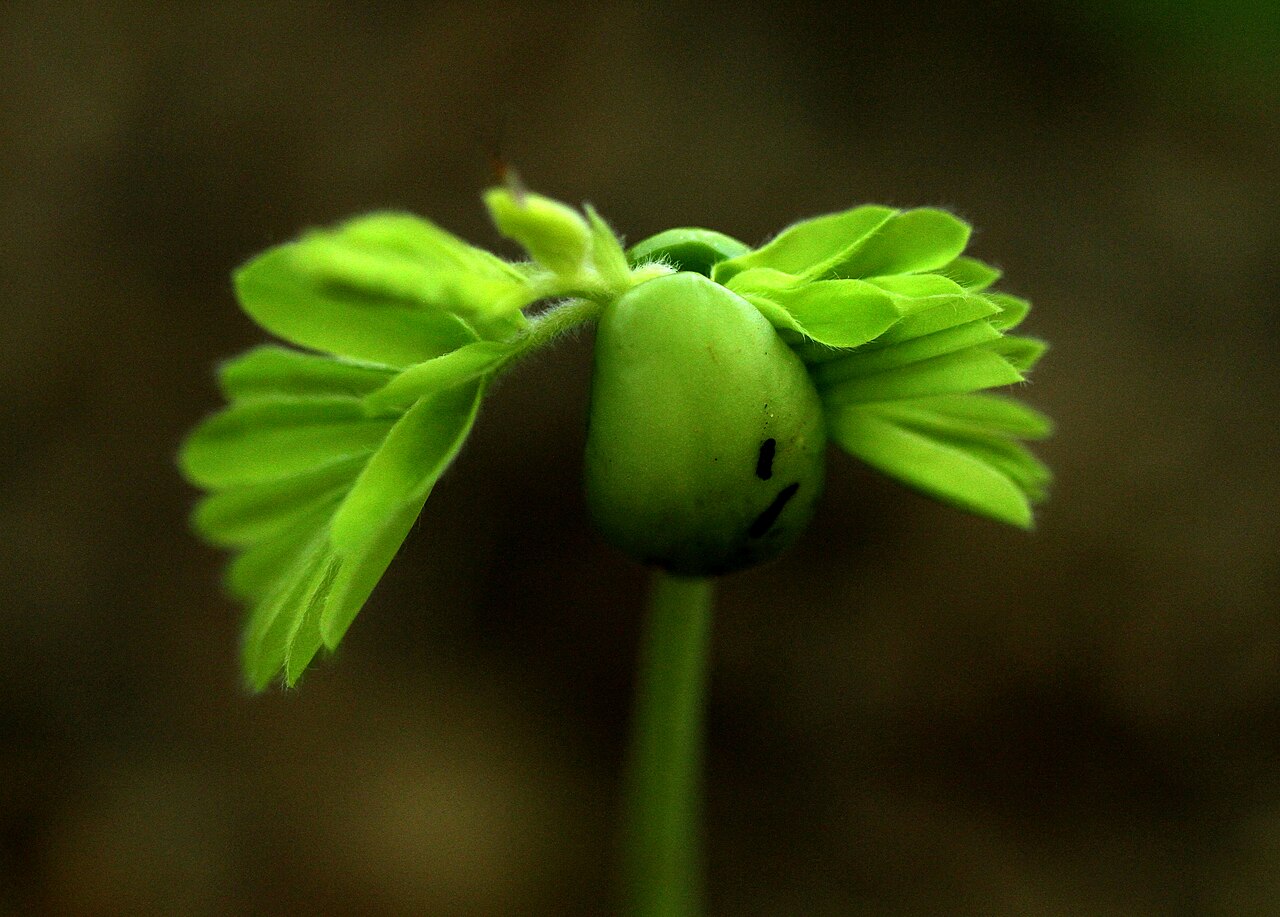
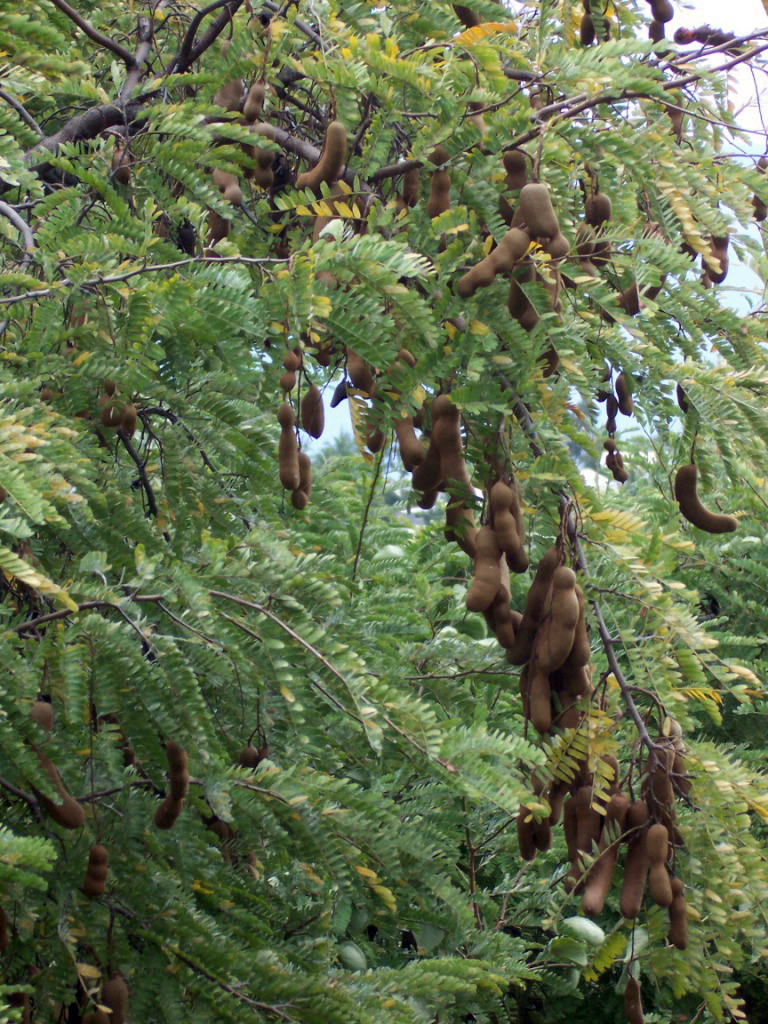
Makham Waan is Thailand’s sweet tamarind, the type grown in orchards, sold in delicate netting as a gift fruit, and celebrated at harvest festivals in the provinces where it grows best. Its pods are large, its pulp sweet rather than sour, and its fruit is eaten fresh, half-ripe or fully ripe, instead of being cooked for sourness. If Manila Sweet is the American sweet selection, Makham Waan is the Thai original that sweet tamarind is measured against.
Grow Makham Waan like any tamarind: full sun, room for a huge canopy, well-drained soil, and a grafted tree if you want fruit in years rather than a decade. Sweet tamarind commands a higher price than sour fruit precisely because it is eaten fresh, so a home tree that fruits well is a tree that pays for its space in a way few ornamentals ever do.
If you are new to choosing between cultivars, the Varieties Matter guide explains why the name after the plant matters as much as the plant itself. Makham Waan is a perfect example: it is not just a tamarind in the abstract, it is a tamarind with a specific job, a specific history, and specific strengths.
Florida framing, stated plainly: tamarind is a South Florida tree, zones 9b-11, and a container plant anywhere colder, because frost damages it badly. Makham Waan is no hardier than Manila Sweet, so Central and North Florida growers should not plant it in the ground and hope.
How to grow
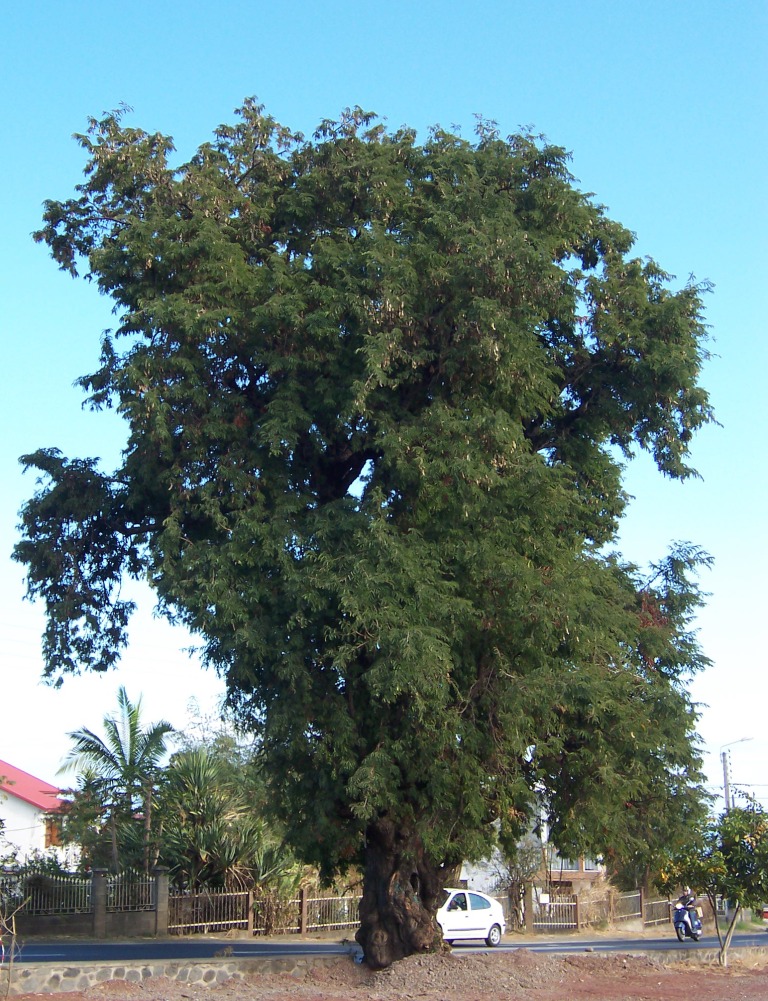
Plant a grafted tree in spring in full sun and well-drained soil, with room for a huge canopy, because a tamarind grows 30 to 40 feet across and lives for decades. Work worm castings into the planting hole, water deeply while establishing, and prune young trees for a strong structure with a clear trunk. Do not plant a tamarind where its canopy will shade a house or its roots will lift a drive, because a mature tamarind is a landscape decision, not a garden afterthought.
Set plants 30-40 feet apart in soil with a pH around 6.0-7.0. Work worm castings into the bed at planting and mulch to hold moisture. A well-fed tamarind plant rewards that care directly: steadier growth, better bloom or fruit, and a show that actually shows up.
Water & feeding
Water deeply while establishing and through dry spells; a young tamarind needs steady water to build its huge canopy, and a mature tree tolerates drought once established. Water at the soil line, mulch to hold moisture, and feed lightly: castings at planting plus a balanced feed in spring. A tamarind that dries out while young stalls for years, so water is the care program in year one.
Common problems
- FROST DAMAGE — frost damages tamarind badly; plant only in zones 9b-11, and protect young trees in any cold snap.
- SIZE — a mature tamarind grows 30 to 40 feet across; plant it where its canopy belongs, not where it will shade a house or lift a drive.
- SLOW SEEDLING FRUITING — seedlings take 6 to 8 years to fruit; buy grafted trees for fruit in a few years.
- SOUR SEEDLINGS — seedling tamarind is usually sour; buy grafted sweet selections like Manila Sweet or Makham Waan for eating fruit.
- MESS — tamarind drops pods, leaves, and flowers; plant it where litter is welcome, not over a patio or pool.
Harvest
Harvest pods when they are full, brown, and brittle, breaking pods open to reveal the sticky pulp around the seeds. Eat sweet tamarind fresh, pod by pod, or soak pulp in warm water, strain out seeds and fiber, and use the liquid for curries, chutneys, sauces, and drinks. Store dried pulp for months, because tamarind keeps well, and prune young trees for a structure you can harvest from, because a tamarind you cannot reach is a tamarind you only admire.
Browse all plant & pest guides
Saving seeds
Makham Waan is Thailand’s sweet tamarind, the type grown in orchards, sold in delicate netting as a gift fruit, and celebrated at harvest festivals — large pods, sweet rather than sour pulp, eaten fresh half-ripe or fully ripe. The guide says to grow it like any tamarind: full sun, room for a huge canopy, well-drained soil, and a grafted tree if you want fruit in years rather than a decade. A seedling would not hold the sweet-pulp type, so buy a grafted tree and give it 30 to 40 feet of room. The Saving seeds section of the Tamarind guide covers seed for the species generally.