
🫘 Tamarind
What it looks like
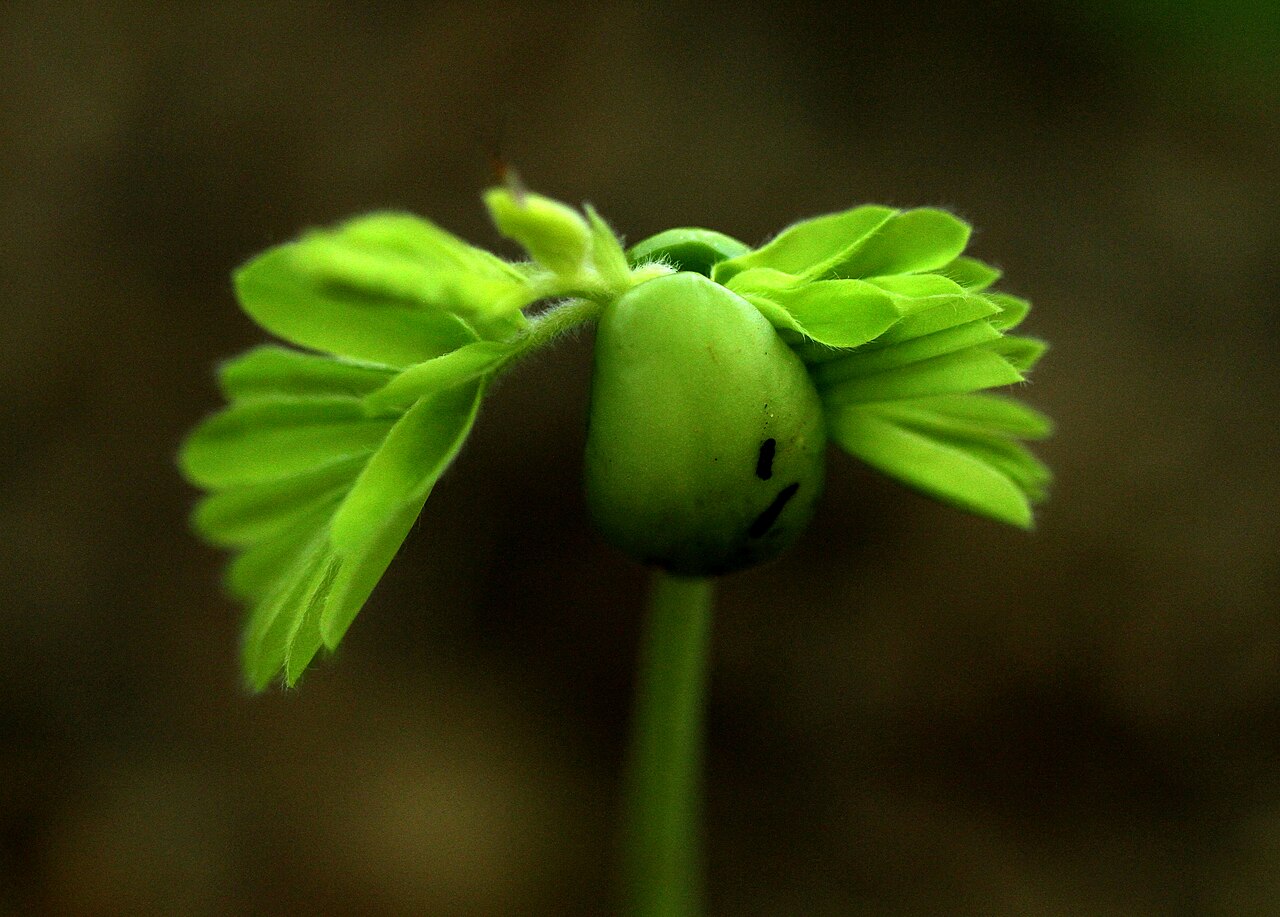
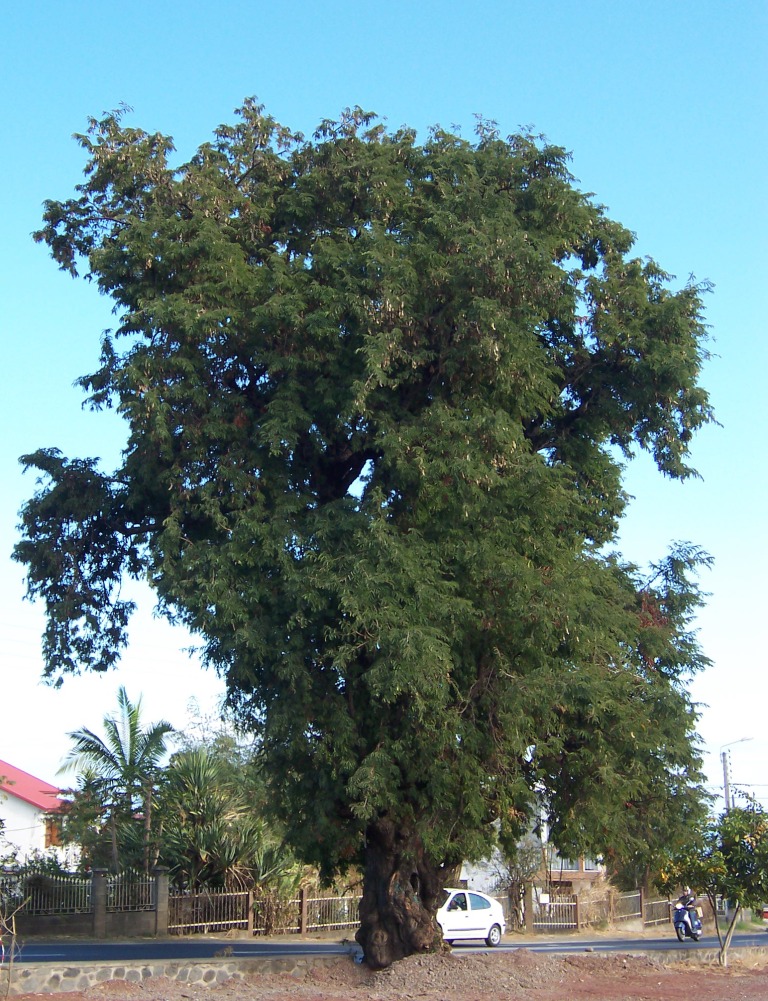
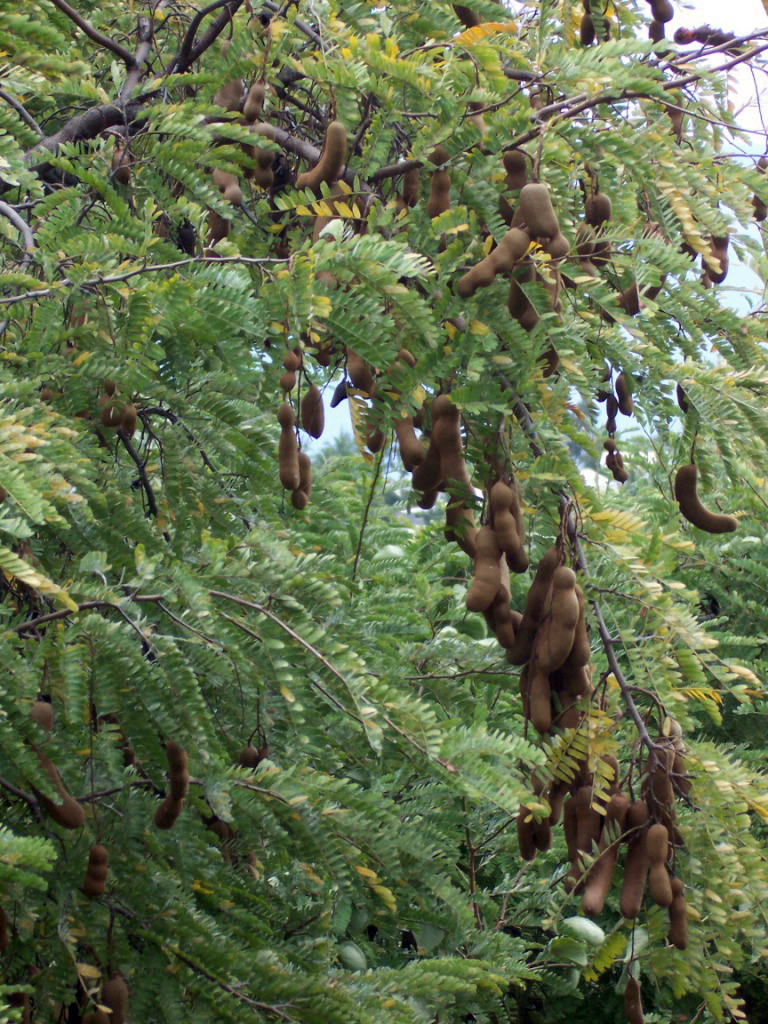
How to grow
Tamarind is a large tropical legume tree whose curved brown pods hold the sticky, sweet-tart pulp used in curries, chutneys, sauces, and drinks around the world. Plant a grafted tree of a known sweet or sour type — seedlings are a lottery and take years longer — in full sun and well-drained soil, and give it the space of a real tree, not a shrub. It is drought-tolerant once established and tolerates poor soil, but it will not tolerate wet feet or hard frost; young trees need protection below freezing, while mature trees may survive a brief dip near 30°F. Prune young trees for a strong structure and otherwise leave it mostly alone; tamarind is a low-fuss tree once it is up.
Water & feeding
Water weekly while young, then deeply but infrequently once established — mature trees need irrigation mainly in prolonged dry spells. Overwatering in cool weather invites root trouble. Feed young trees a few times in the growing season and mature trees in spring and summer with a balanced fertilizer; a little compost mulch helps, kept off the trunk.
Common problems
- Frost on young trees — cover or site in the warmest microclimate you have.
- Scale, aphids, and caterpillars — usually minor; prune for airflow and treat only if populations build.
- Leaf spot fungi in humid weather — clean up fallen leaves and avoid crowding.
- Too much shade or water — both cut fruiting; tamarind wants sun and drainage, not coddling.
Harvest
Pick pods when the shell turns brown and brittle and the pulp inside is sticky and tangy-sweet; sour types stay tart, sweet types mellow. Crack the shell, pull the pulp from the seeds and fibers, and use it fresh, or soak it to make paste for cooking. Dried pulp stores well.
Browse all plant & pest guides
Saving seeds
Tamarind seed has a hard coat, and that is the whole challenge. Nick each seed with a file or rub it with sandpaper, then soak it overnight in warm water; the seeds that swell are ready. Sow in a warm, moist mix at 75 to 85°F, about an inch deep, and germination usually comes in one to two weeks after treatment. Untreated seed can sit in the soil for weeks and do nothing.
Save seed from fully ripe pods — the brownest, sweetest-sourest tamarind on a healthy tree — and clean the pulp off before drying. Dry the seed thoroughly before storing; it keeps a few years in a cool, dry jar. Sow more than you need, since not every seed takes up water even after scarifying.
Seedlings vary, and the only way to lock in a named type is grafting. A seed-grown tamarind is a big tree that takes six to eight years to fruit, so this is the long game — plant it where it can become the tree it wants to be, and be patient.
In Florida, tamarind is a warm-climate tree for zones 10 to 11, happiest in the southern part of the state in full sun and well-drained soil. It is drought-tolerant once established and salt-tolerant too, which makes it a good coastal tree — if you have the room and the years.
Varieties
Every named variety of Tamarind with its own growing guide:
- Makham Waan Tamarind — The Thai sweet: Thailand's famous sweet tamarind, eaten fresh at festivals, with large, sweet pods.
- Manila Sweet Tamarind — The sweet tamarind: a USDA Miami selection with sweet, low-acid pulp, the tamarind you eat fresh instead of cooking sour.