
🎂 Mariesii Doublefile Viburnum
What it looks like
Why this variety
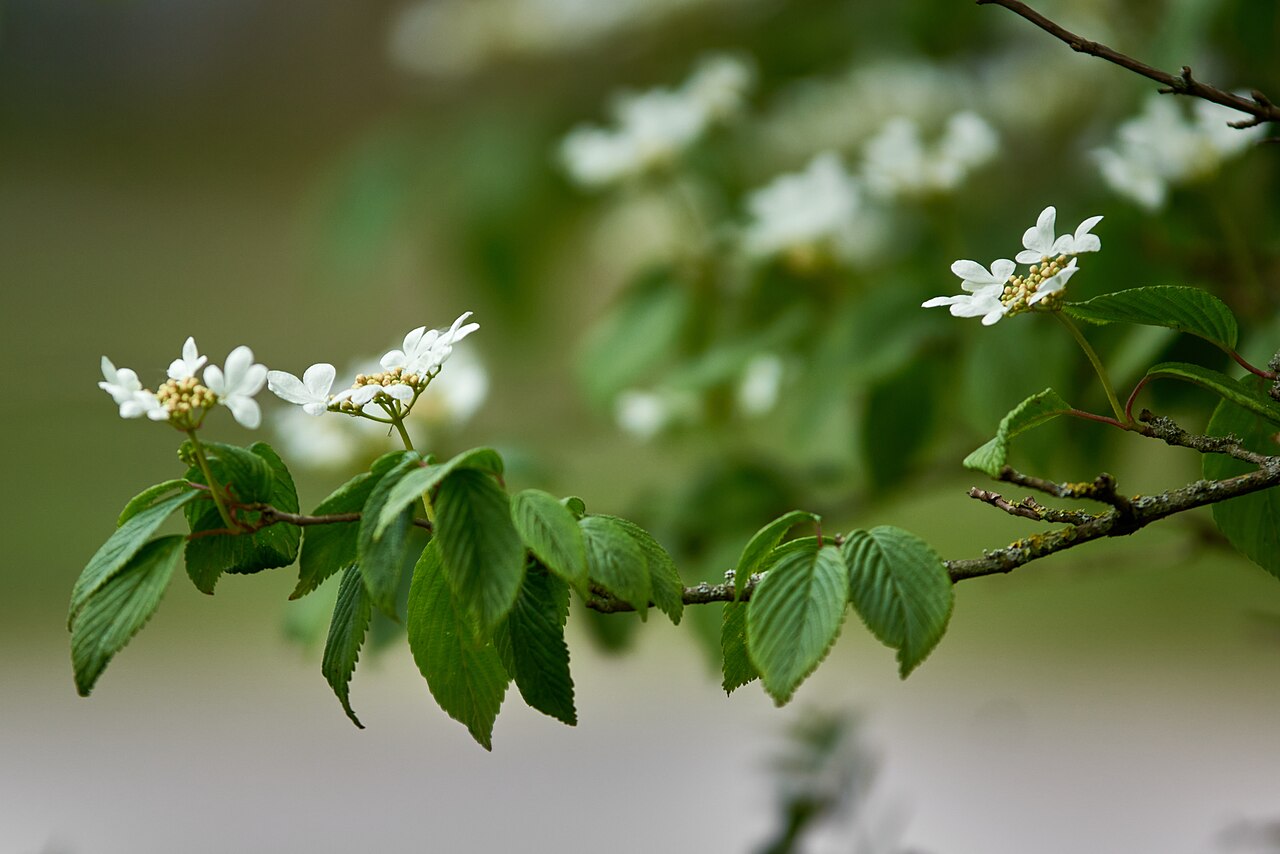
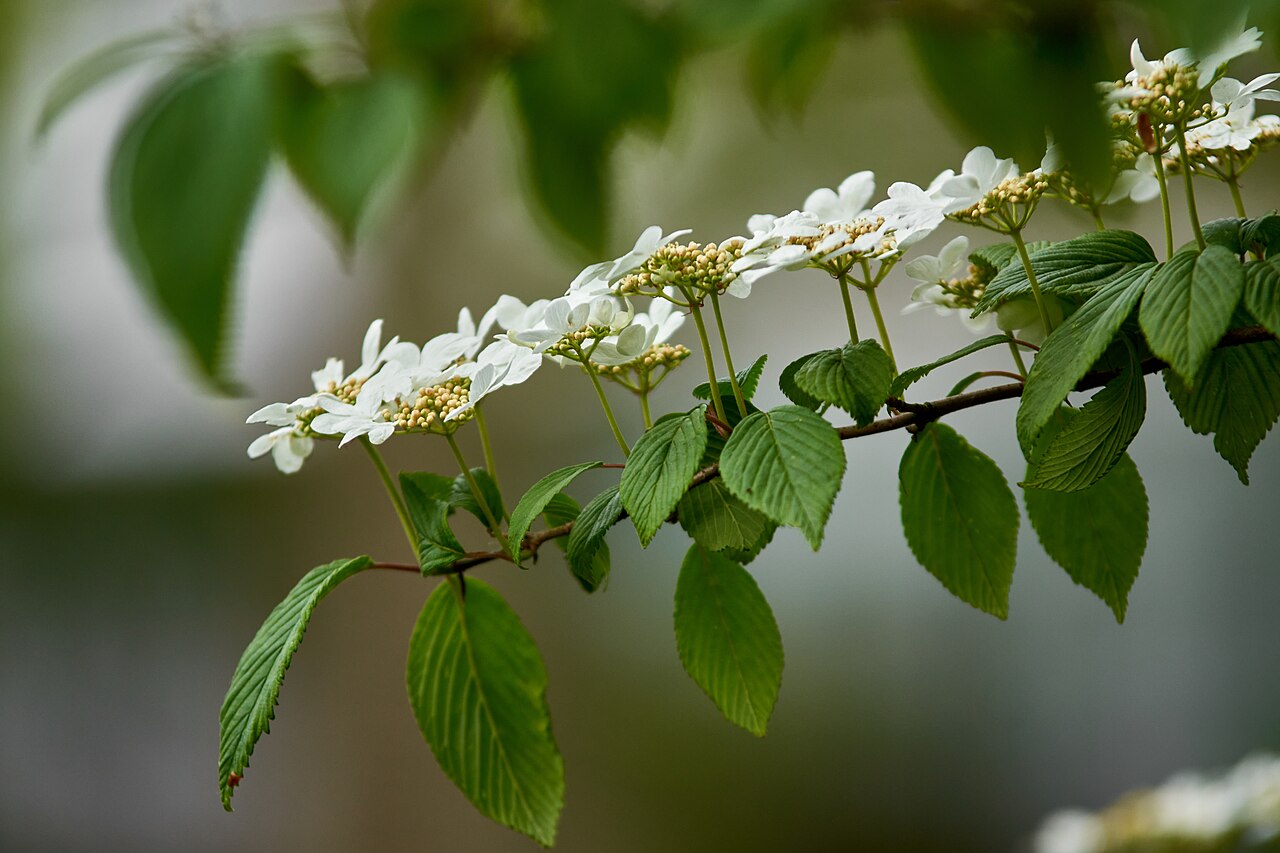
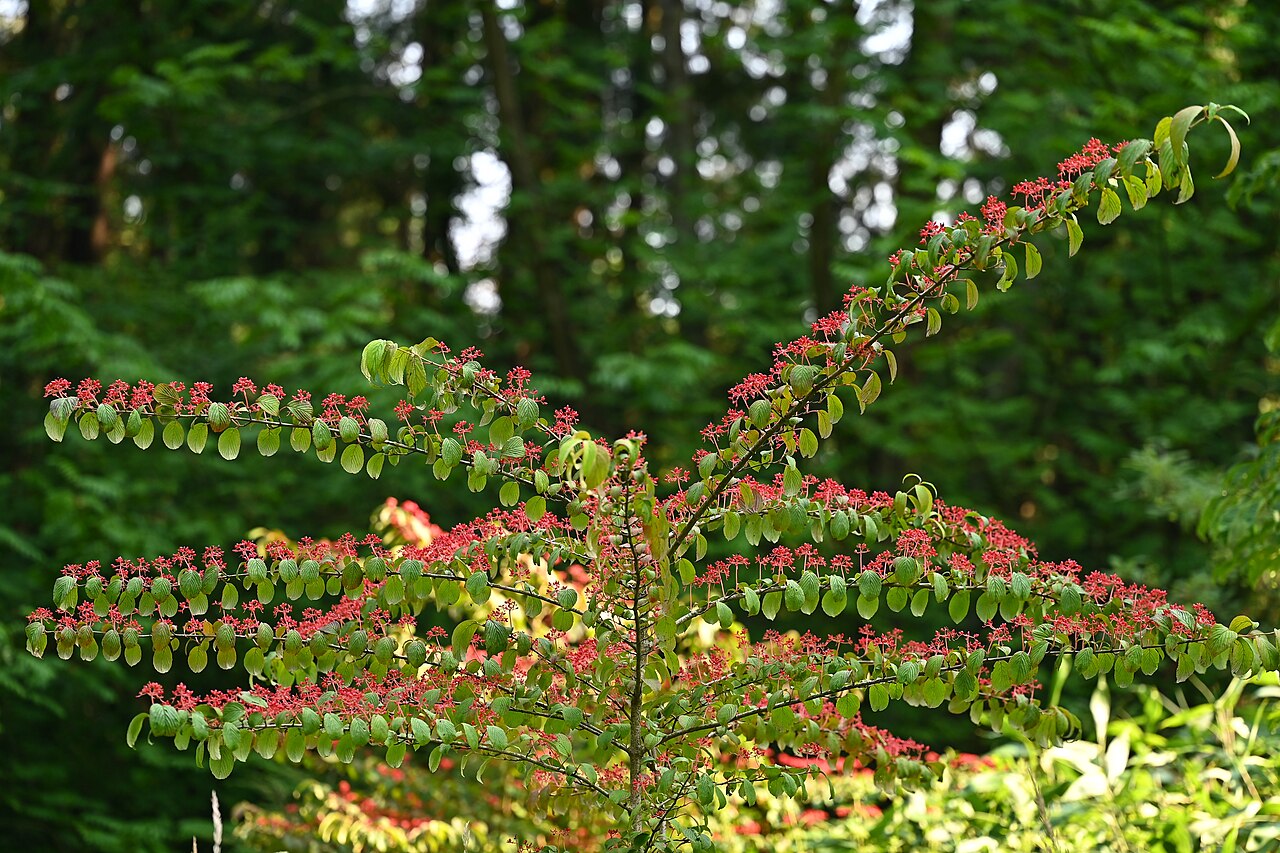
Mariesii is the doublefile viburnum everyone pictures when they hear the name — the wedding cake shrub, with layered, horizontal branches held at a graceful angle, each tier carrying flat white flower clusters well above the foliage in spring, like layers of a cake stacked with lace. It is an older selection, made in the 1800s, and it can reach 10 feet high with age, with a herring-bone arrangement of lateral stems that makes the tiered effect unmistakable even in winter.
The trade-off is fruit: Mariesii is often sparse to non-existent in red fruits, so if you want the red-to-black berry display and the birds it brings, Shasta is the better pick. What Mariesii gives you instead is architecture — the most distinctly layered branching of any doublefile, and deep burgundy-red fall foliage. Florida honesty: this viburnum needs real winter cold to bloom well, and Florida mostly does not provide it — in Florida treat it as a north-Florida experiment, not a reliable bloomer. Without enough chill, flowering is sparse and the plant spends summer merely surviving heat it was never bred for.
If you are new to choosing between cultivars, the Varieties Matter guide explains why the name after the plant matters as much as the plant itself. See also the species guide: Doublefile Viburnum.
How to grow
Plant in full sun to part shade in moist, well-drained soil; it tolerates clay if drainage is decent. Space plants 8-10 feet apart — this is a large shrub, not a filler — and water in well. Site it where the horizontal tiers can be seen from the side, not crammed against a wall that hides the layering.
Water & feeding
Water to establish and in dry spells; it likes steady moisture and wilts in drought. Work worm castings into the planting hole and mulch to hold moisture. Feed lightly in spring; heavy feeding grows soft wood that flops and shades out the lower tiers.
Common problems
- Sparse or no fruit — normal for Mariesii; choose Shasta if berries matter.
- Leaf wilt in dry summers — foliage wilts diurnally in drought; water deeply, do not panic.
- Viburnum beetle larvae skeletonizing leaves — hand-pick or encourage birds.
- Aphids on new growth — blast with water.
- Marginal hardiness in severe zone 5 winters — site out of harsh wind and mulch the root zone.
Pruning & care
Prune lightly after flowering to remove dead wood and crossing branches, keeping the horizontal, tiered habit — never shear it into a blob, which destroys the wedding-cake effect. Remove any upright shoot that breaks the layering, and let the shrub keep its natural shape.
Browse all plant & pest guides
Saving seeds
Mariesii is the doublefile viburnum everyone pictures when they hear the name — the wedding cake shrub, with layered, horizontal branches held at a graceful angle, each tier carrying flat white flower clusters well above the foliage in spring, like layers of a cake stacked with lace. It is an older selection, made in the 1800s, and as a named shrub selection it is kept true by cuttings, not by seed — seedlings would not hold the tiered, herring-bone branching that makes Mariesii unmistakable even in winter. Plant in full sun to part shade in moist, well-drained soil, spacing plants 8 to 10 feet apart. The Saving seeds section of the Doublefile Viburnum guide covers seed for the species generally.