
🌴 Medjool Date
What it looks like
Why this variety
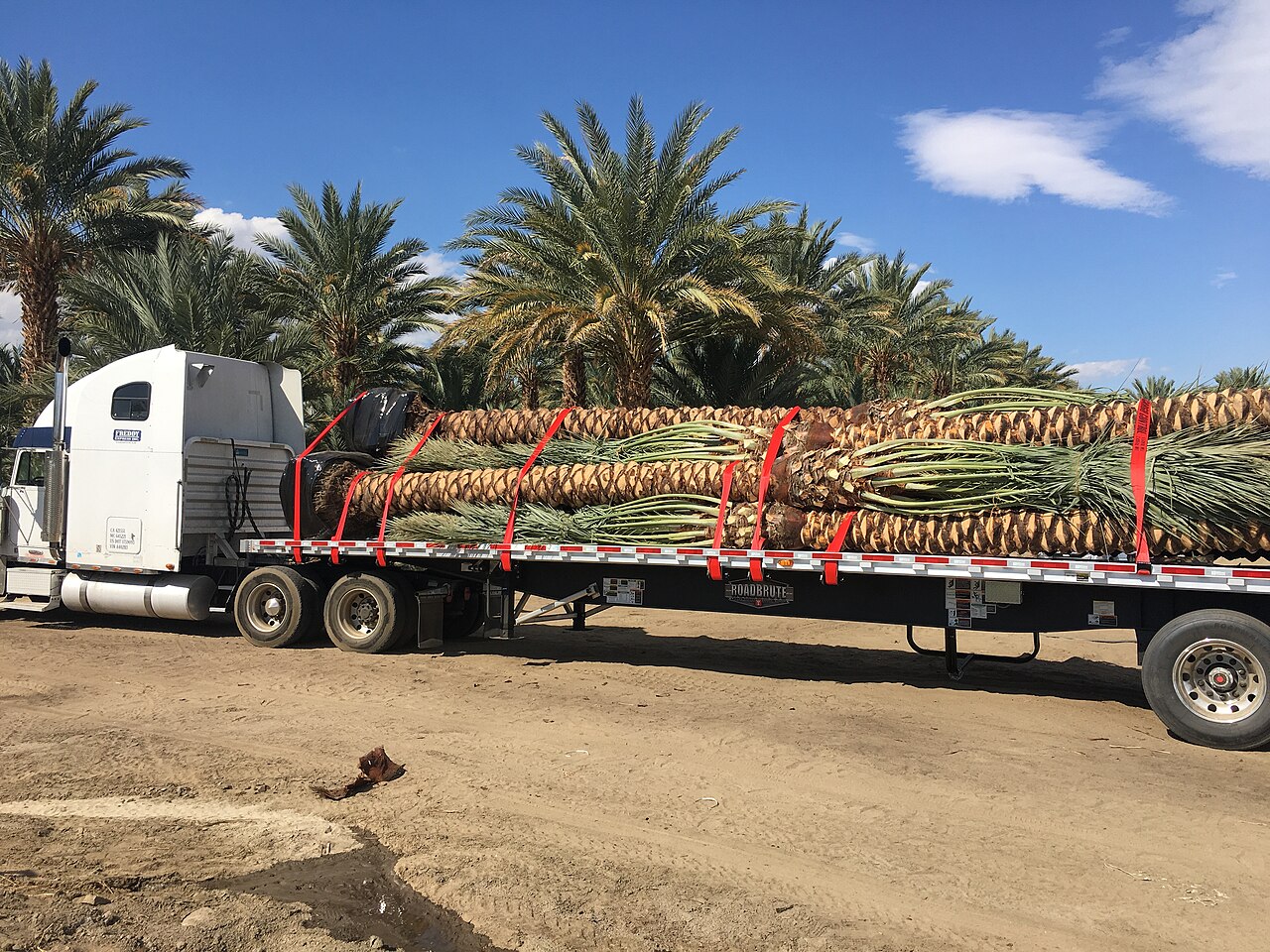
Medjool is the date most people picture when they hear the word: very large, soft, wrinkled, caramel-sweet, with a rich, almost toffee-like flavor and a texture that needs no explanation. It is the premium fresh date of commerce, grown in the low deserts of California and Arizona and in the Middle East and North Africa, where intense summer heat and low humidity during ripening turn a palm’s fruit into candy.
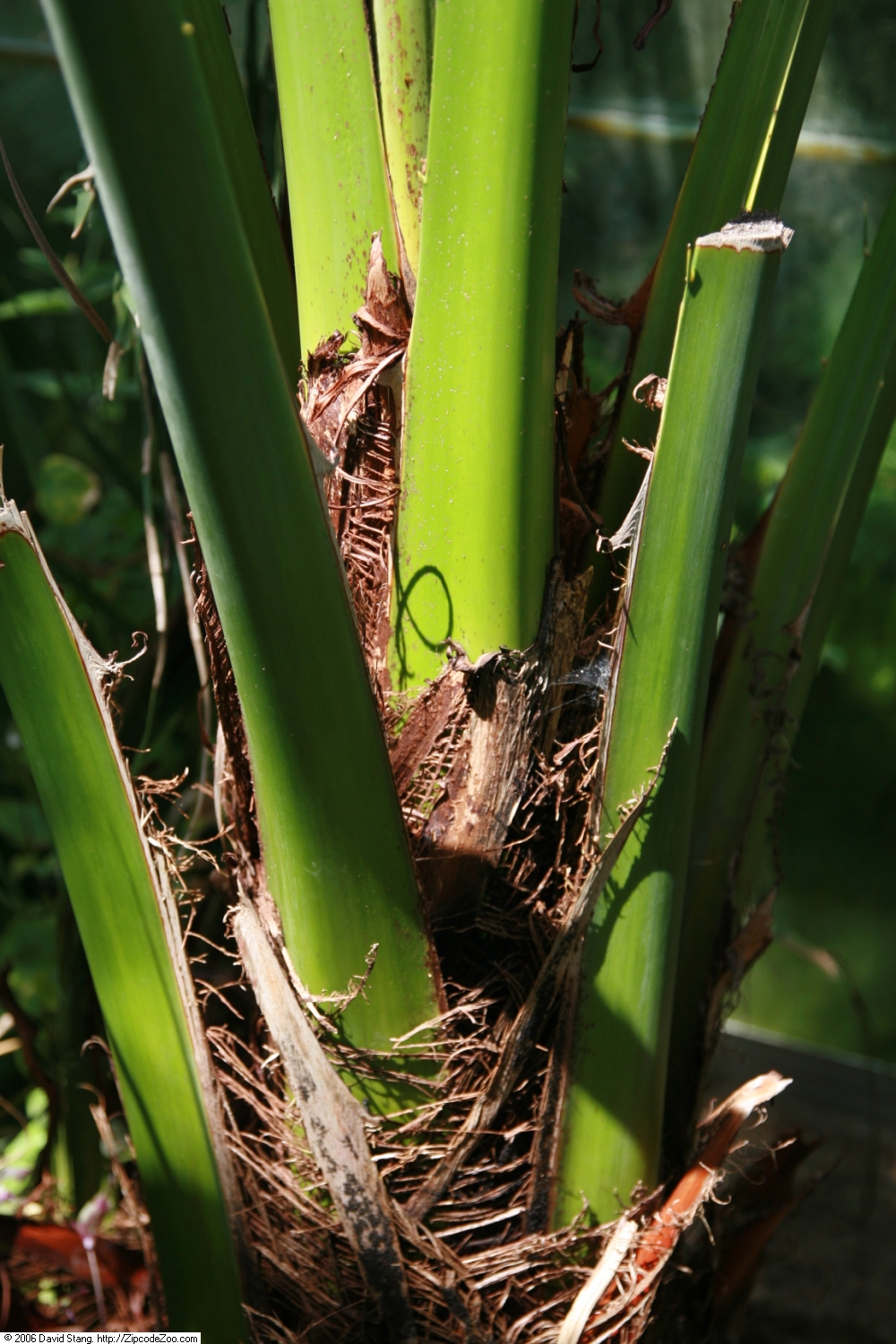
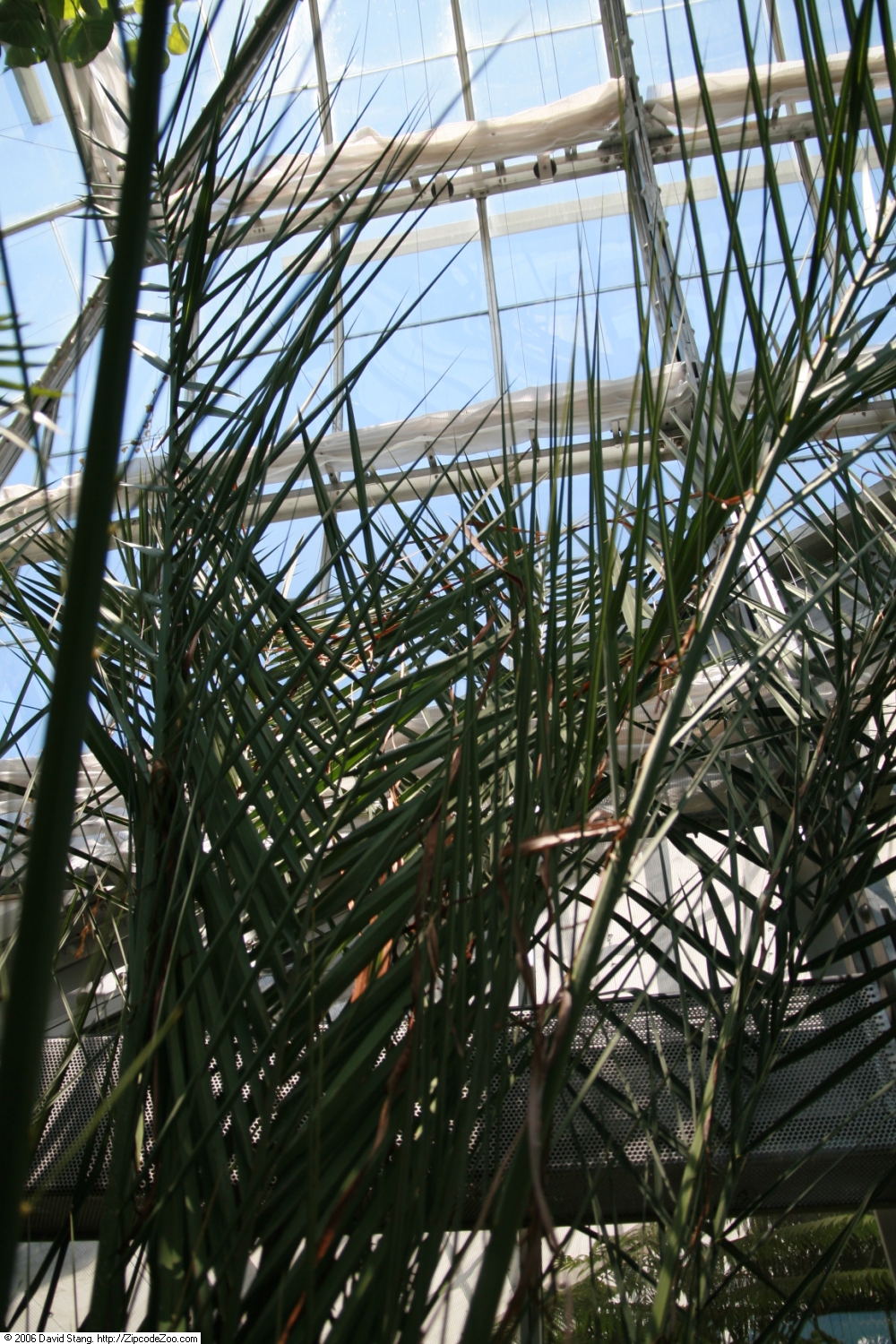
The palm itself is a statement tree — a tall, single-trunked palm with a crown of arching fronds, male and female trees separate, so fruiting requires a female tree and a male pollinizer (or hand pollination, which commercial growers do as a matter of course). Medjool is not a casual backyard fruit in most of the United States; it is a desert tree, and it is honest about that.
Very large, soft, caramel-sweet fresh dates. Female trees fruit; male trees pollinate — you need both sexes, or hand pollination, for a crop.
How to grow
In true date country, plant in full sun in deeply drained soil, water deeply but infrequently once established, and thin fruit bunches for size. Palms need a long, hot season and protection from prolonged cold; a hard freeze damages fronds and can kill young palms outright.
Plant in full sun in deeply drained soil, with room for a tall palm and its frond spread. Palms need a long, hot season and protection from prolonged cold; young palms are the most vulnerable, so shelter them in their first winters where frost is possible at all. Remove spent fronds and old fruit stalks for airflow and tidiness, but do not over-prune the crown — fronds are the palm’s solar panels.
Florida framing, stated plainly: Medjool is not a Florida fruit tree in any practical sense, and this guide does not pretend otherwise. Date palms demand intense summer heat with low humidity during ripening; Florida offers heat with high humidity and summer rain, which invites rot and prevents proper ripening. Palms may grow in South Florida and even fruit, but the fruit rarely ripens to Medjool quality. Plant Medjool in Florida only as an ornamental palm trial with no harvest promise — never as a date crop — and choose a warm-climate fruit if dates are the goal.
Water & feeding
Water deeply but infrequently once established — palms tolerate drought and somewhat salty soil better than most fruit trees, but they do not tolerate waterlogged roots. A deep soak that dries between waterings suits them better than frequent shallow sprinkling. Feed in spring with a palm-appropriate fertilizer and castings as a soil conditioner.
Common problems
- Cold damage — fronds brown and collapse after hard freezes, and young palms may not recover. Plant only where winter cold is within the palm’s tolerance, and protect young trees.
- Fungal problems on fronds and fruit in humid climates — improve airflow, remove affected fronds, and do not overhead-water the crown.
- Palm pests (weevils, scale) — distorted fronds, holes, or sticky residue are signs. Inspect crowns regularly; early detection is the only easy control.
- Poor ripening in humid or short seasons — fruit that never gets the heat and dryness it needs will not ripen to quality, however healthy the palm looks.
Harvest
Harvest bunches when fruit colors fully and softens to the variety’s ripe texture, cutting the whole bunch rather than picking individual dates. Handle gently — ripe dates bruise and ferment quickly — and dry, refrigerate, or process promptly. In climates without a dry ripening season, expect ornamental value rather than a dessert crop.
Browse all plant & pest guides
Saving seeds
Medjool is the date most people picture when they hear the word: very large, soft, wrinkled, caramel-sweet, with a rich, almost toffee-like flavor — the premium fresh date of commerce, grown in the low deserts of California and Arizona and in the Middle East and North Africa. Dates are not grown from seed for fruit: a seedling would not hold Medjool’s size or sweetness, and might be a male tree that never fruits at all, since male and female trees are separate. Plant an offshoot from a female Medjool palm in full sun in deeply drained soil, with room for a tall palm and its frond spread, and a male pollinizer nearby or hand pollination. The full method is in the Propagation section of the Date guide.