
🥬 Mibuna Mizuna: Growing Guide
What it looks like
Why this variety
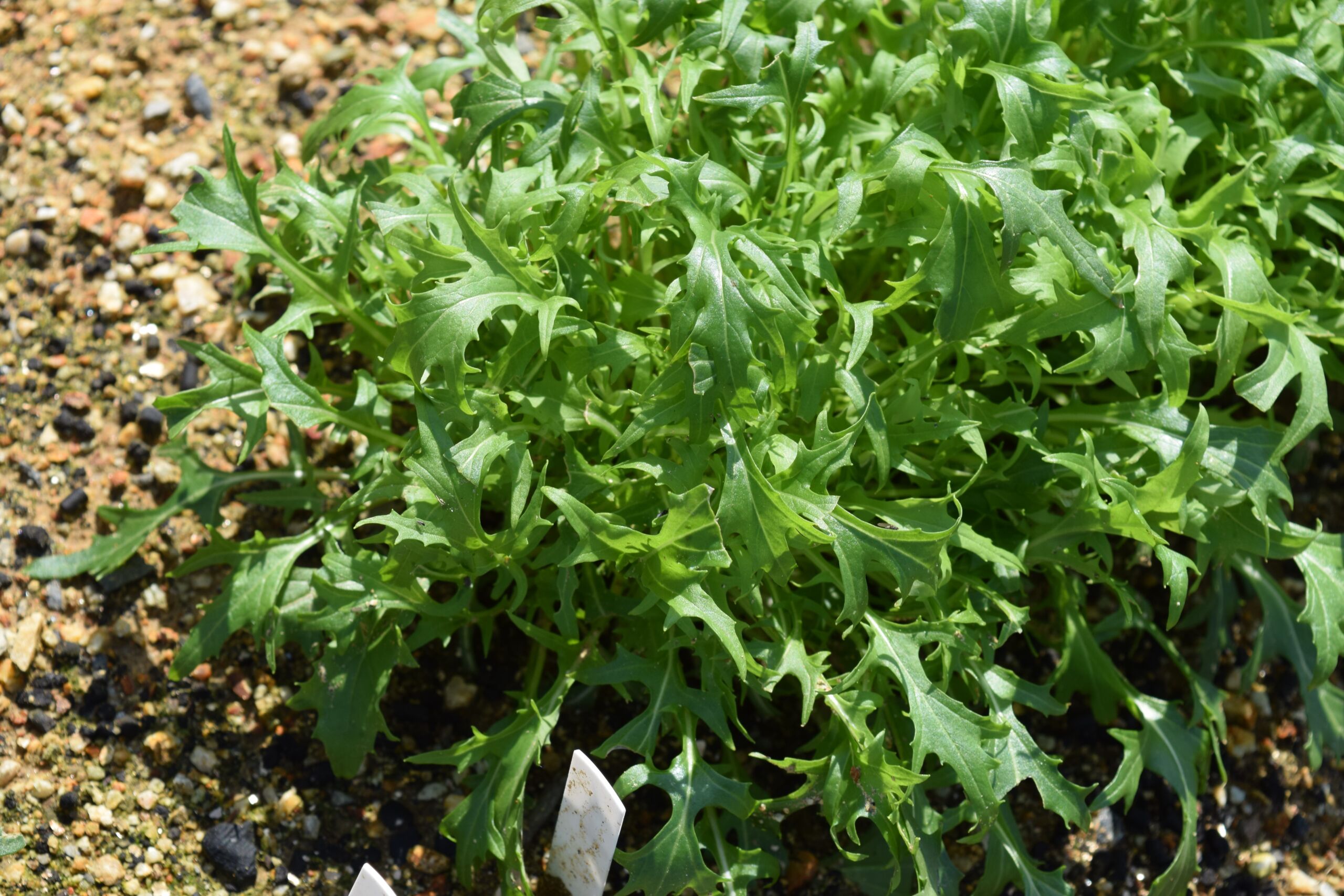
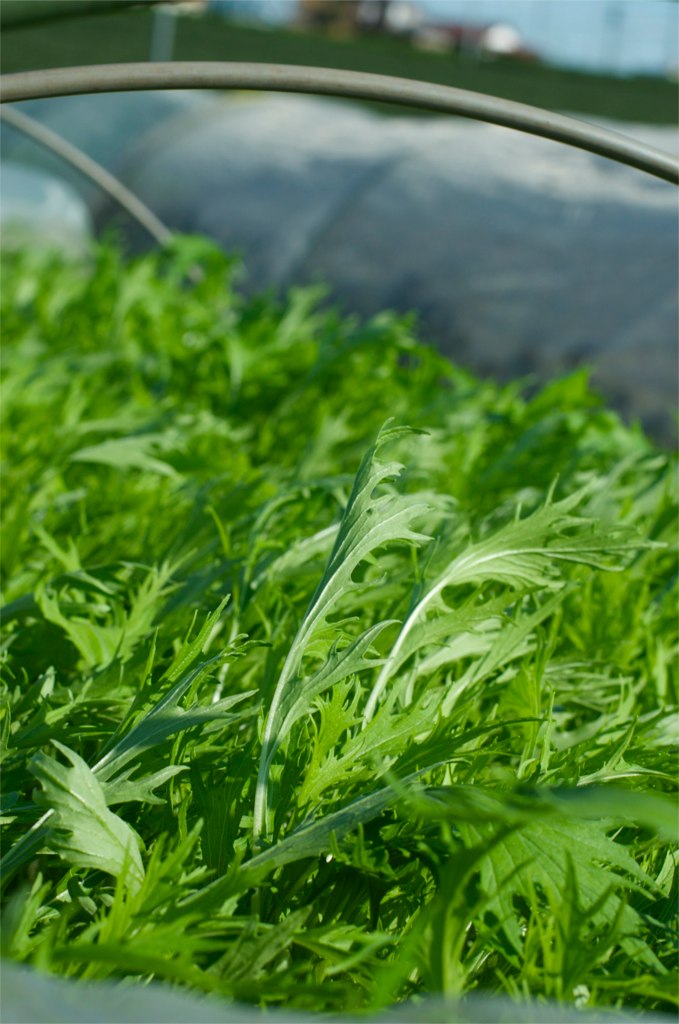
Mibuna is the smooth-leaved member of the mizuna family, and it is worth growing precisely because it is not serrated: long, slender, spoon-shaped leaves with smooth edges, a mild mustard flavor, and the same vigorous cut-and-come-again habit as mizuna. Where mizuna is feathery, mibuna is sleek — same family, different silhouette, and a texture that holds up better in cooking.
Botanical honesty matters here: mibuna belongs to the same Brassica rapa var. japonica group as mizuna, but it is the smooth-leaved form, not the serrated one — Japanese growers distinguish them, and so does this guide. That distinction is useful, not pedantic: mibuna’s smooth leaves wilt less dramatically in soups and stir-fries, so it is the mizuna-family green to reach for when the pan is hot and the leaves need to hold their shape.
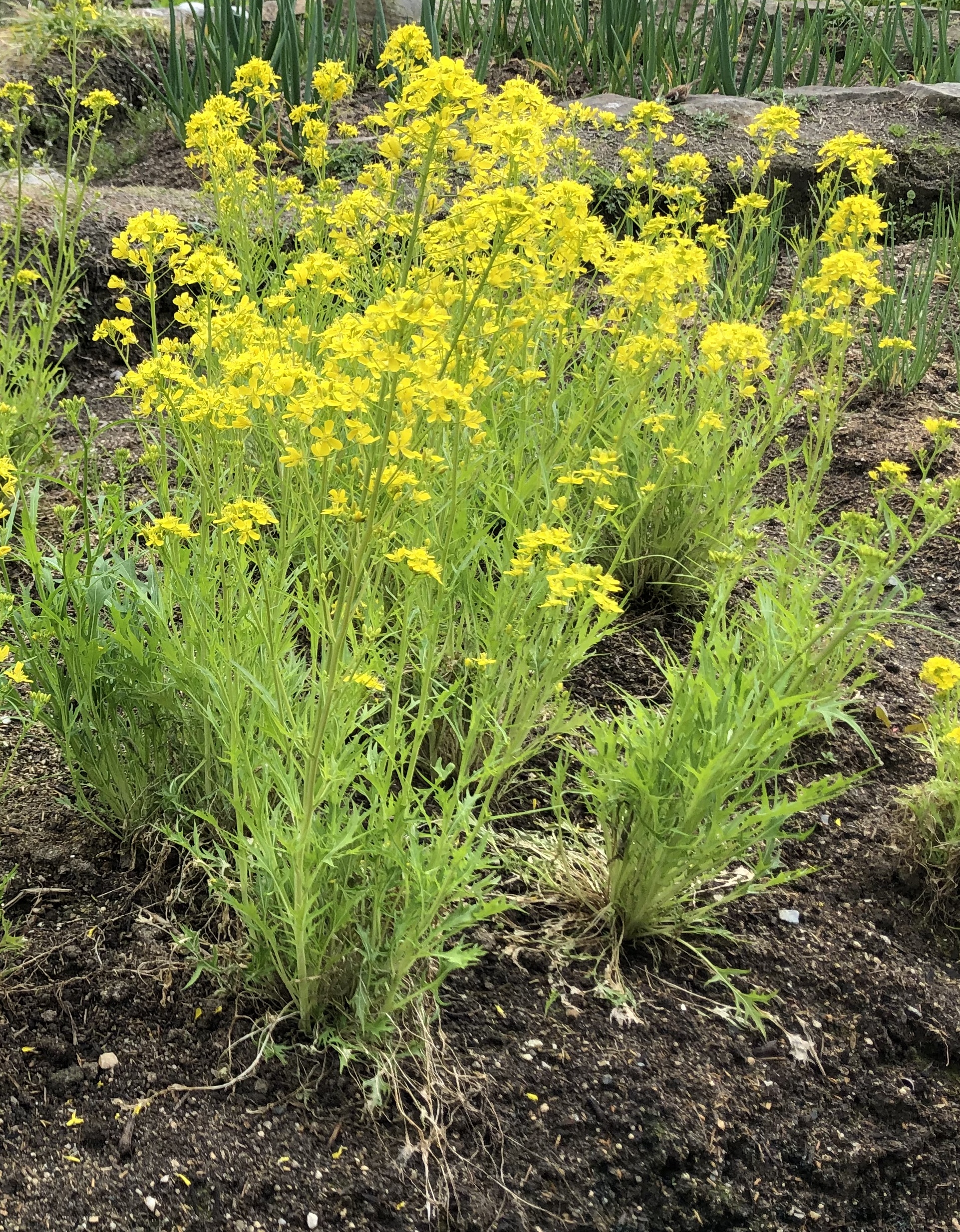
Florida translation: Mibuna is a fall-through-spring green here, grown exactly like mizuna — direct-sow, thin to spacing, cut and let it resprout. Its smooth leaves are easier to wash free of sandy soil than feathery mizuna, which is a small thing that matters a lot in sandy beds. Sow it in fall, pick it all winter, and let a plant flower in spring if you want to see the yellow brassica bloom that started the whole family.
How to grow
Sow Mibuna Mizuna directly, thin to the spacing in the hero block, and succession-sow every two weeks. Mizuna is a cut-and-come-again green by breeding: Japanese growers selected plants that resprout vigorously after cutting, so one sowing becomes a season of harvests if you cut rather than pull.
In Florida, mizuna is a fall-through-spring crop. It tolerates light frost and even sweetens after a cold snap, but summer heat bolts it fast — treat a spring sowing as a short, glorious run and the fall sowing as the main event.
Water & feeding
Keep soil evenly moist: mizuna grows fast and shallow, and a dried-out bed bolts it in a hurry. About an inch a week, mulch lightly, and feed modestly — worm castings at sowing and one light side-dress if growth looks pale. Over-fertilizing grows soft leaves that wilt in the pan instead of holding their feathery shape.
Common problems
Flea beetles pepper young leaves with shot-holes; row cover from sowing day is the simplest fix, and plants usually outgrow early damage. Cabbage worms and aphids show up on lush growth — hand-pick or blast with water, and inspect cut leaves before they reach the salad bowl.
Bolting is heat-driven: once days lengthen and warm, mizuna flowers. Let a plant or two flower for seed if you like, but pull bolted plants from the salad bed — the leaves turn sharp and tough once flowering starts.
Harvest
Snip Mibuna Mizuna as baby leaf from about 20 days, or cut whole plants at full size. For cut-and-come-again, cut an inch or two above the crown and let it resprout; a healthy plant gives three or four cuttings. Rinse gently — feathery leaves bruise easily — and use the same day for the peppery-sweet flavor at its best.
Nerdy fact: Mibuna and mizuna share a species and a hometown — both are Kyoto-area greens, where growers selected one for feathery leaves and one for smooth ones, the way a bakery sells both sliced and unsliced bread from the same dough.
Saving seeds
Mibuna is the smooth-leaved member of the mizuna family, and it is worth growing precisely because it is not serrated: long, slender, spoon-shaped leaves with smooth edges, a mild mustard flavor, and the same vigorous cut-and-come-again habit as mizuna. Botanical honesty matters here: mibuna belongs to the same Brassica rapa var. japonica group as mizuna, but it is the smooth-leaved form, not the serrated one — and its smooth leaves wilt less dramatically in soups and stir-fries. Mibuna is an heirloom, open-pollinated green (TomorrowSeeds lists it as “Heirloom, Open-Pollinated”), so it comes true from seed: save seed from your best plants, and let a few flowers go to seed for the next sowing. The full method is in the Saving seeds section of the Mizuna guide.