
🫘 Midori Giant Edamame
What it looks like
Why this variety
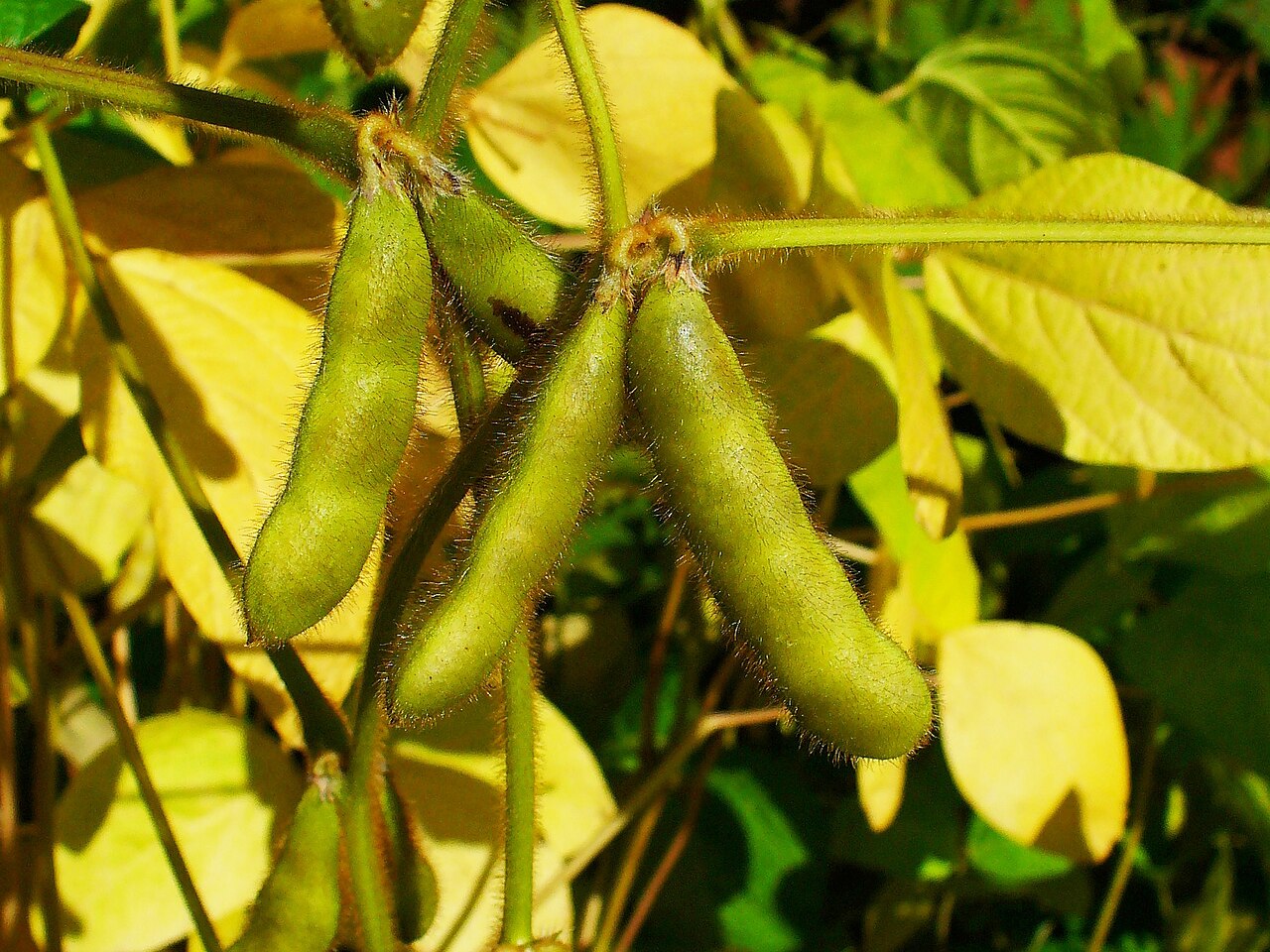
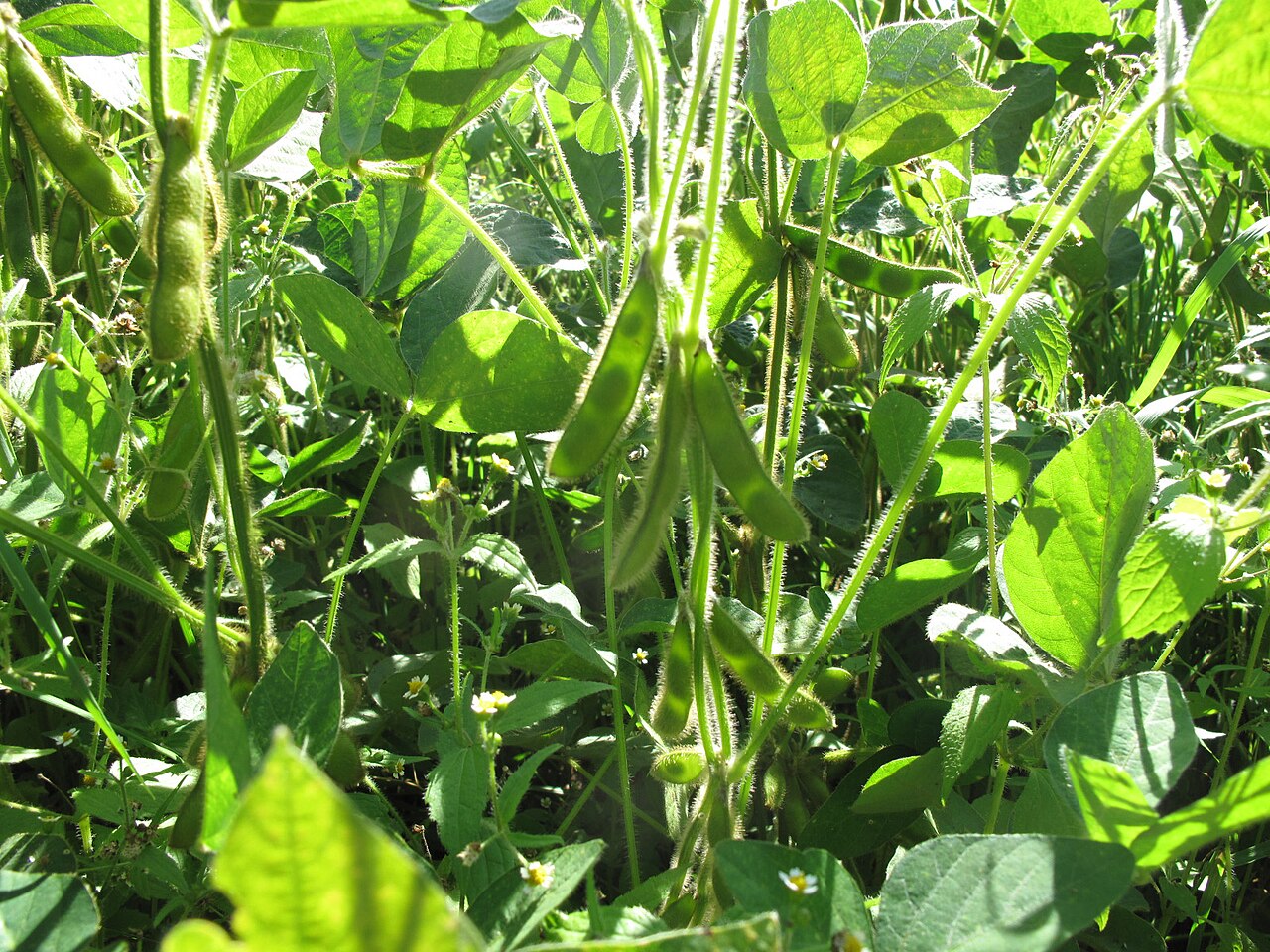
Midori Giant is the edamame that made home gardeners take soybeans seriously: a traditional Japanese vegetable soybean, determinate and bushy, producing oversized pods with two to three large, bright green beans each, sweet and buttery when steamed and salted. University records describe it as a determinate edamame with harvest near 75 days, and seed houses agree on the essentials — large pods, heavy bearing, and flavor that makes store-bought frozen edamame taste like a rumor. Plants are compact, about two feet tall, and they set most of their pods at once, which means a big, satisfying harvest rather than a trickle.
The eating case is simple: edamame is a snack, not a chore, and Midori Giant’s large beans are the reason. Steam pods whole, toss with salt, and watch them vanish — children eat them, guests eat them, and the cook eats them standing at the stove, which is the highest compliment a vegetable can receive. Because the variety is determinate, you can succession-sow every two weeks for a steady supply, and because it is open-pollinated, you can save seed from the best plants and grow it again. If you grow one soybean, grow the one with giant in the name and mean it.
If you are new to choosing between cultivars, the Varieties Matter guide explains why the name after the plant matters as much as the plant itself. And if you want the whole clan at a glance, the broader Edamame guide covers edamames generally.
How to grow
Edamame in Florida is a warm-season crop that behaves itself beautifully as long as you do not ask it to perform in the dead of summer: sow in spring after the soil warms, and again in late summer for a fall harvest, and expect bushy plants about two to three feet tall that need no trellis. The trick is timing the green-pod harvest, because edamame goes from perfect to starchy in a matter of days — check pods daily once they swell, and pick when the beans fill the pod and the pod is still bright green and fuzzy. Succession-sow every two weeks for a steady supply, because a whole bed ripening at once is a wonderful problem that still needs eating. And here is the Florida bonus: soybeans shrug off heat that makes snap beans drop their blossoms, so they keep producing when the bean bed has given up.
Sow directly after the last frost, once the soil is at least 60°F, planting seeds an inch or so deep and 4 to 6 inches apart in rows 24 to 30 inches apart, in full sun and fertile, well-drained soil. Do not sow into cold soil — soybeans rot in cold mud — and do not transplant unnecessarily, because soybeans resent root disturbance. Water steadily, mulch to hold moisture, and expect bushy plants two to three feet tall that need no trellis. Check pods daily once they swell: the green-pod window is short, and a day late means starchy beans.
Water & feeding
Edamame wants steady water — about an inch to an inch and a half a week — especially while pods fill, because dry plants make small, starchy beans and drop flowers. Work worm castings into the bed at sowing, water at soil level, and mulch to hold moisture in sandy soil. Go easy on nitrogen fertilizer: soybeans fix their own nitrogen, and extra nitrogen makes tall, leafy plants with fewer pods. Keep watering even once pods look full, right up to the green harvest, because the beans are still drinking and swelling in those last days.
Common problems
The main pests are bean beetles, stink bugs, and rabbits, all of which love soybean foliage and pods; row cover early helps, and hand-picking works for beetles. Soybean rust and other leaf diseases appear in humid weather, so water at soil level and give plants air. Drought during pod fill makes small, tough beans, so keep water steady through the harvest. And do not let pods yellow on the plant if you want edamame — yellow pods are mature soybeans, a different crop, good for drying but not for steaming.
Harvest
Harvest when pods are bright green, plump, and fuzzy, with beans visibly filling the pod — about 75 to 80 days after sowing for Midori Giant — picking whole plants or pods by hand. Steam or boil pods in salted water for a few minutes, drain, salt again, and eat by squeezing beans from pods. For freezing, blanch pods briefly, cool, and freeze in bags; they keep for months and taste like summer in January. If you let some pods mature to dry soybeans, thresh and store them airtight for soups and tofu experiments.
Nerdy fact: Edamame is not a different plant from soybean — it is soybean picked green, while the seeds are still sweet and tender — which means every Midori Giant plant is a lesson in harvest timing: the same plant, picked a month later, would give you dry soybeans instead of a snack.
Saving seeds
Midori Giant is the edamame that made home gardeners take soybeans seriously: a traditional Japanese vegetable soybean, determinate and bushy, producing oversized pods with two to three large, bright green beans each, sweet and buttery when steamed and salted. It is an heirloom, open-pollinated variety (True Leaf Market lists it as “open-pollinated, heirloom”), so it comes true from seed — and soybeans are self-pollinating, so you do not need to isolate varieties to prevent cross-pollination. The trick is timing: edamame goes from perfect to starchy in a matter of days, so check pods daily once they swell, and let the beans you save for planting mature and dry on the plant rather than picking them green. The full method is in the Saving seeds section of the Edamame guide.