
🫘 Edamame
What it looks like
How to grow
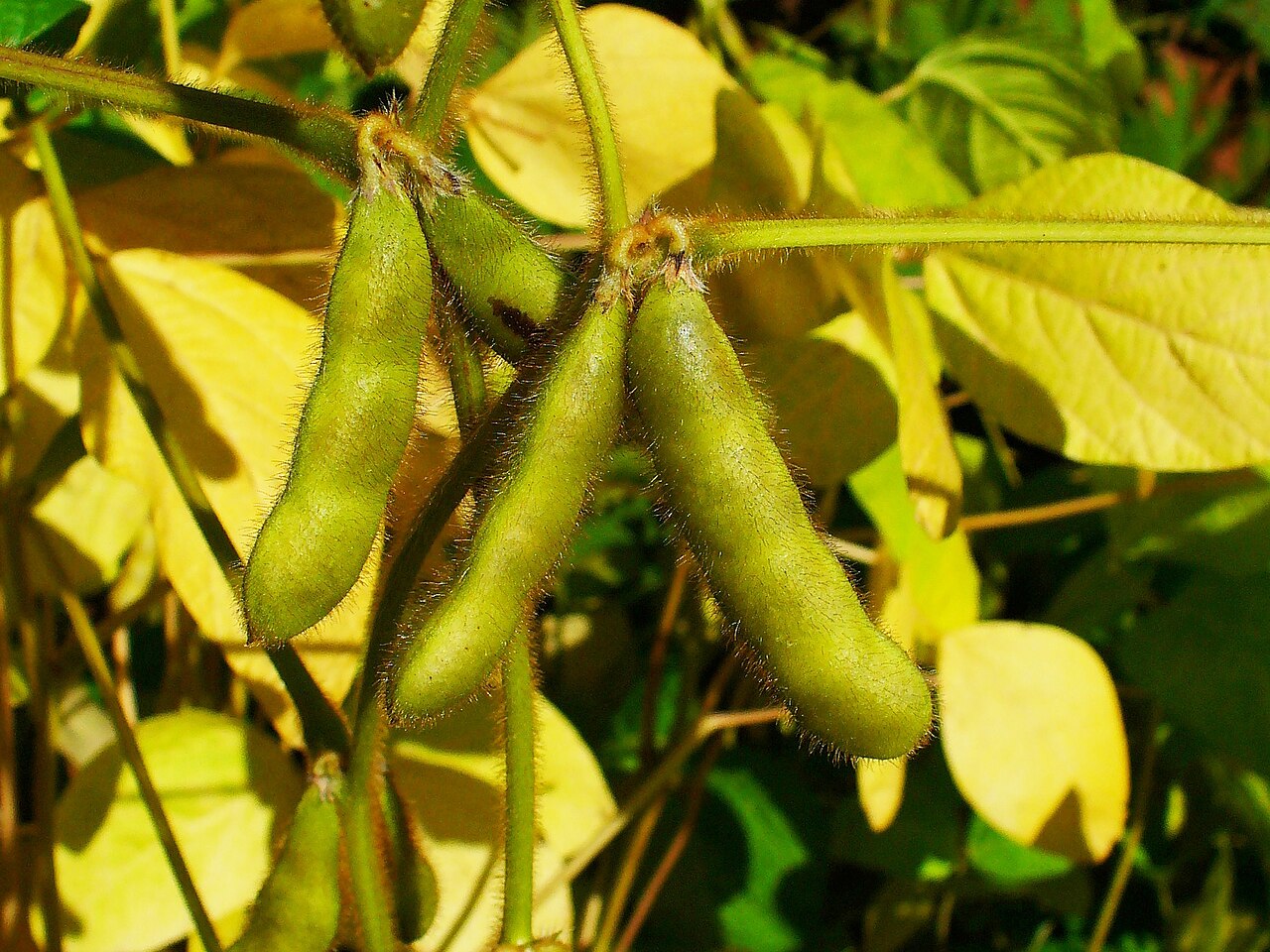
Edamame is not a different plant from soybean — it is soybean picked green, while the pods are still tender and the seeds are sweet and full-sized. Garden varieties are bred for large seeds, tender pods, and flavor eaten fresh, which is a different job from field soybeans bred for dry harvest, so buy varieties sold as edamame, not farm seed.
Direct-sow 1 inch deep after soil reaches 60–65°F and frost danger is past. Succession-sow every 2–3 weeks for a steady supply, since the green-pod window is short. Plants are bushy and self-supporting; no trellis needed. Inoculating seed with soybean rhizobium helps in beds where soybeans have never grown.
As a legume, edamame fixes its own nitrogen — skip nitrogen fertilizer, which just grows leaves. The critical period is pod-fill: drought then means flat, starchy pods instead of plump, sweet ones.
Water & feeding
About 1 inch a week, kept even through flowering and pod-fill. Work worm castings into the bed at planting for phosphorus and micronutrients; castings carry a low burn risk and won’t burn seed. Mulch to hold moisture and keep pods clean.
Common problems
- Poor germination in cold soil: wait for 60°F+ soil; replanting beats hoping.
- Bean leaf beetles and Japanese beetles: hand-pick, use row cover until flowering, and don’t let defoliation run unchecked during pod-fill.
- Rabbits and deer: edamame is apparently delicious to everything — fence young plants where pressure is high.
- Pods turning yellow and hard: you missed the window — harvest promptly when pods are plump and green.
Harvest
Pick whole plants or individual pods when pods are plump, bright green, and the seeds bulge clearly — bite-test one: it should be sweet and tender, not starchy. Strip pods, boil or steam in salted water for 4–5 minutes, drain, salt again, and eat by squeezing beans from pods. Left too long, pods yellow and harden into dry soybeans, which is a different (still usable) harvest.
Browse all plant & pest guides
Saving seeds
Here is the trap that catches almost every first-time edamame seed saver, so let us spring it now: the pods you eat are not seed. Edamame is soybean (Glycine max) picked green, while the beans are still sweet, tender, and full-sized. Those green beans will not grow next year’s plants. Seed saving means deliberately sacrificing part of your crop — setting aside a few of your best plants, or a few pods on each plant, and letting them go all the way past delicious into dry, rattly, thoroughly unappetizing maturity. It feels wasteful the first time. It is the entire job.
Mark your seed plants early, while you can still tell them apart from the dinner plants, and pick them for health and vigor: no disease, no stunting, pods well filled. Then leave them alone. The pods will yellow, then turn brown and papery, and the plant will start to look frankly dead — that is success, not failure. Harvest when the pods are dry and the beans rattle inside when shaken, ideally on a dry day. If a wet autumn threatens to rot pods still on the plant, you can pull whole plants, roots and all, and hang them somewhere dry and airy to finish, which is also a fine excuse to admire your crop one last time before it becomes next year’s seed.
Cleaning is satisfyingly simple, which is one reason beans are a beginner-friendly seed to save. Shell dry pods by hand for a small batch, or crush very dry pods gently in a cloth sack and winnow away the papery chaff by pouring the beans between buckets in front of a fan — the heavy beans drop, the chaff flies. Pick out any beans that are cracked, moldy, shriveled, or chewed, because damaged seed stores badly and germinates worse. Then dry the shelled beans further indoors, spread in a single layer for a week or so, until a bean snaps rather than dents. In Florida, do not trust a sunny afternoon to finish this: indoor drying in moving air is what stands between you and a jar of moldy good intentions.
Store the finished seed cool, dark, and dry in a labeled jar or envelope — with a desiccant packet in Florida, because our air treats every container as a suggestion — and expect roughly two to three years of useful viability, with the first year the strongest. Never eat raw dry soybeans, saved or otherwise: like the green pods, dry beans are a cooked food, and seed jars should be labeled as seed so nobody mistakes them for pantry stock.
The genetics, happily, are on your side. Soybean flowers are self-pollinating and crossing between varieties is rare, so saved seed from an open-pollinated variety generally grows true to type — one of the easiest true-to-type saves in the garden. Two qualifications keep this honest. First, hybrids will not hold true: if your variety is an F1 hybrid, its children will scatter back toward their parents, so save seed only from open-pollinated varieties if you want the same plant again. Second, if you grow more than one variety and want to be careful, keep varieties separated — garden guidance commonly suggests on the order of twenty feet — and be extra wary of planting two white-seeded varieties side by side, since a rare cross there can hide invisibly in the seed coat. Otherwise, this is seed saving at its most forgiving: let some pods dry, shell them, dry them properly, and next spring’s edamame is already paid for.
Varieties
Every named variety of Edamame with its own growing guide:
- Envy Edamame — The sweet, buttery garden edamame — abundant pods with two to three large beans each.
- Midori Giant Edamame — The large-podded Japanese edamame — oversized pods, sweet beans, and a harvest near 75 days.
- Beer Friend Edamame — The edamame bred for the beer table — very sweet, plump beans in generous pods.
- Sayamusume Edamame — The high-yielding Japanese edamame — sweet, large beans and a pod count made for freezing.
- Tohya Edamame — The early, sweet edamame — a compact harvest near 78 days with tender green beans.
- Chiba Green Edamame — The reliable green edamame — sweet beans on sturdy plants, ready near 82 days.