
🫘 Sayamusume Edamame
What it looks like
Why this variety
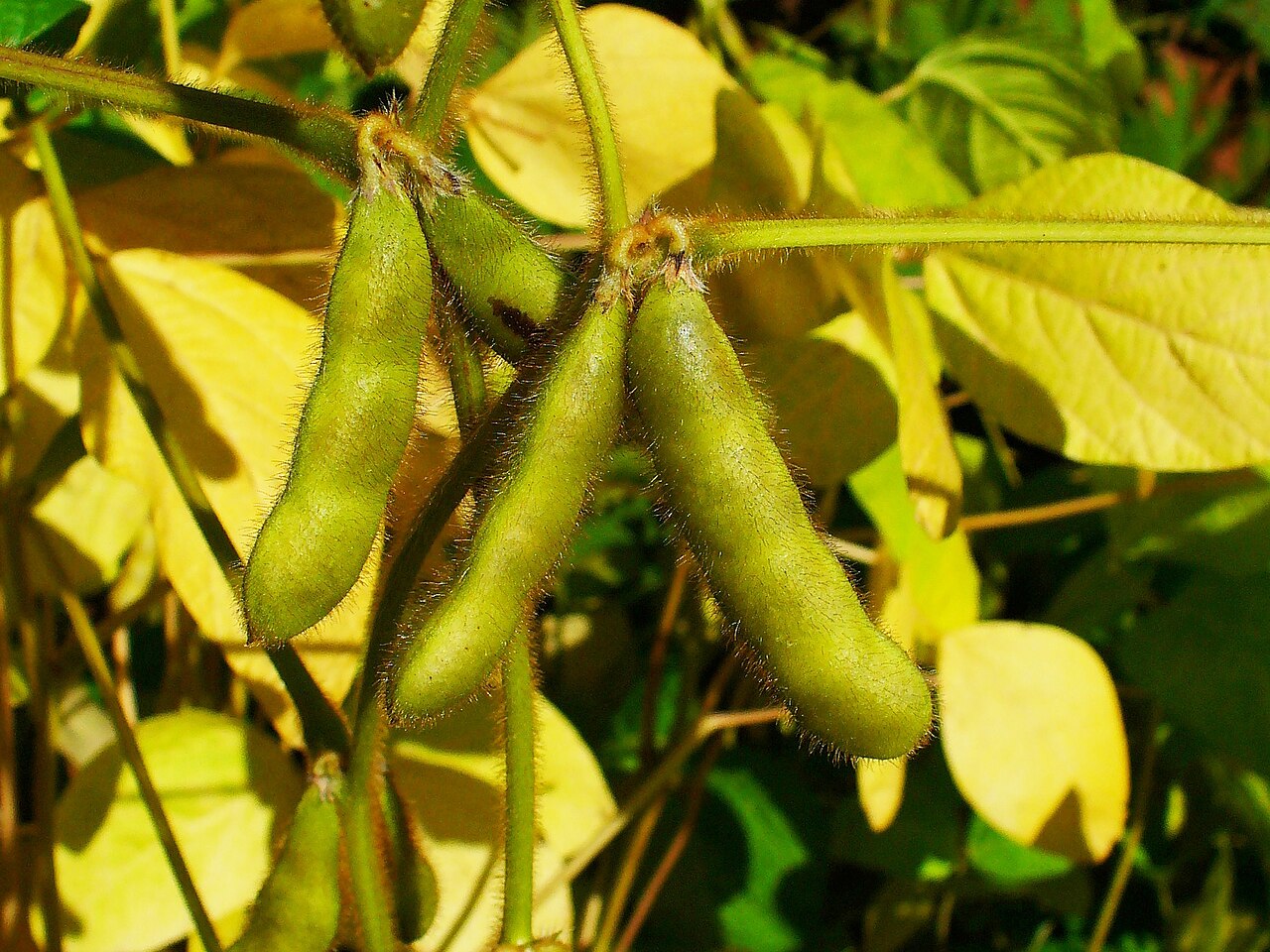
Sayamusume is the edamame you grow when the freezer is the plan: a Japanese variety famous for a high pod count, large, sweet beans, and a harvest big enough to blanch and freeze by the bagful. Seed houses and garden writers consistently rank it among the best overall edamame for home gardens, not because it is the earliest or the flashiest, but because it delivers — pod after pod, plant after plant, with a sweetness that survives freezing better than most.
It runs a touch later than the earliest types, around 80 to 85 days in catalog terms, which is a fair trade for the yield: a row of Sayamusume at peak looks like it is showing off, with clusters of fat, fuzzy pods from top to bottom. If your household eats edamame by the bowlful rather than the handful, this is the variety that keeps the bowls coming.
If you are new to choosing between cultivars, the Varieties Matter guide explains why the name after the plant matters as much as the plant itself. And if you want the whole clan at a glance, the broader Edamame guide covers edamames generally.
How to grow
Sow directly in warm soil above 60°F, seeds an inch deep and 4 to 6 inches apart in rows 24 to 30 inches apart, in full sun and fertile, well-drained soil. Direct-sow only — soybeans resent transplanting — and inoculate with soybean rhizobium if the bed has never grown soybeans. In Florida, spring and late-summer sowings both work; the late-summer sowing often gives the sweetest pods, because the plants fill pods in cooling fall weather instead of peak summer heat.
Succession-sow every two weeks for continuous harvest, and check pods daily once they swell, because Sayamusume’s window is brief and the whole row tends to ripen together — which is exactly what you want for a freezing session, and exactly what punishes a gardener who goes away for a long weekend at the wrong moment. Pull whole plants at peak if you are processing a batch, or strip pods plant by plant for the table.
Water & feeding
About an inch to an inch and a half a week, steady and even, especially through pod fill — drought then means flat, starchy pods instead of plump, sweet ones. Water at soil level, mulch sandy soil, and work worm castings in at sowing. Skip nitrogen fertilizer; soybeans make their own, and extra nitrogen grows leaves at the expense of the pod count that is Sayamusume’s whole selling point.
Common problems
Bean beetles, stink bugs, and rabbits, plus leaf diseases in humidity — row cover early, hand-pick, water at the base, and space for air. The main Sayamusume-specific risk is timing: a big, concentrated harvest is a blessing for freezing and a curse if you miss the window, so start checking pods a week before the expected date and taste-test daily. Yellow pods are past edamame and into dry-soybean territory; still usable, but not the sweet green bean you planted.
Harvest
Pick when pods are plump, bright green, and fuzzy, about 80 days after sowing, pulling whole plants for a freezing batch or stripping pods for the table. Steam or boil in salted water and salt again. For freezing — Sayamusume’s destiny — blanch pods briefly, cool fast in ice water, drain, and bag; frozen this way, they taste like summer in January, which is the entire point of growing a high-yielding edamame.
Nerdy fact: Sayamusume’s name is sometimes translated as ‘daughter of the pod,’ and the variety is a staple of Japanese home gardens precisely because of its pod count — it was bred for households that harvest by the basket, not by the handful, which is why it freezes so well: there is simply more of it to freeze.
Saving seeds
Sayamusume is the edamame you grow when the freezer is the plan: a Japanese variety famous for a high pod count, large, sweet beans, and a harvest big enough to blanch and freeze by the bagful. Seed houses and garden writers consistently rank it among the best overall edamame for home gardens, not because it is the earliest or the flashiest, but because it delivers — pod after pod, plant after plant, with a sweetness that survives freezing better than most. As an open-pollinated edamame it comes true from seed: sow directly in warm soil above 60°F, seeds an inch deep and 4 to 6 inches apart in rows 24 to 30 inches apart, in full sun and fertile, well-drained soil. Direct-sow only — soybeans resent transplanting — and inoculate with soybean rhizobium if the bed has never grown soybeans. In Florida, spring and late-summer sowings both work; the late-summer sowing often gives the sweetest pods. The full method is in the Saving seeds section of the Edamame guide.