
🍬 Morita Stevia
What it looks like
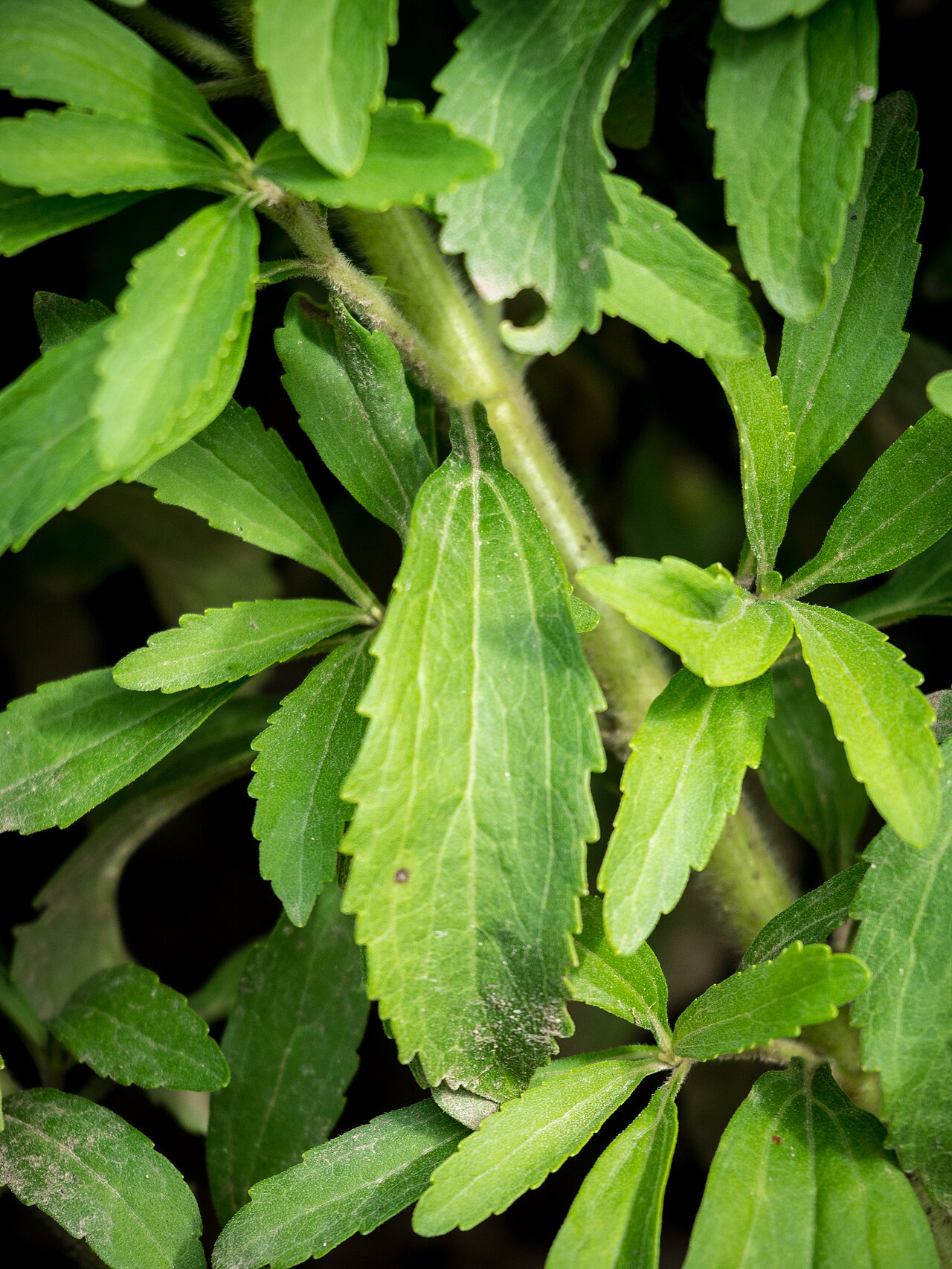
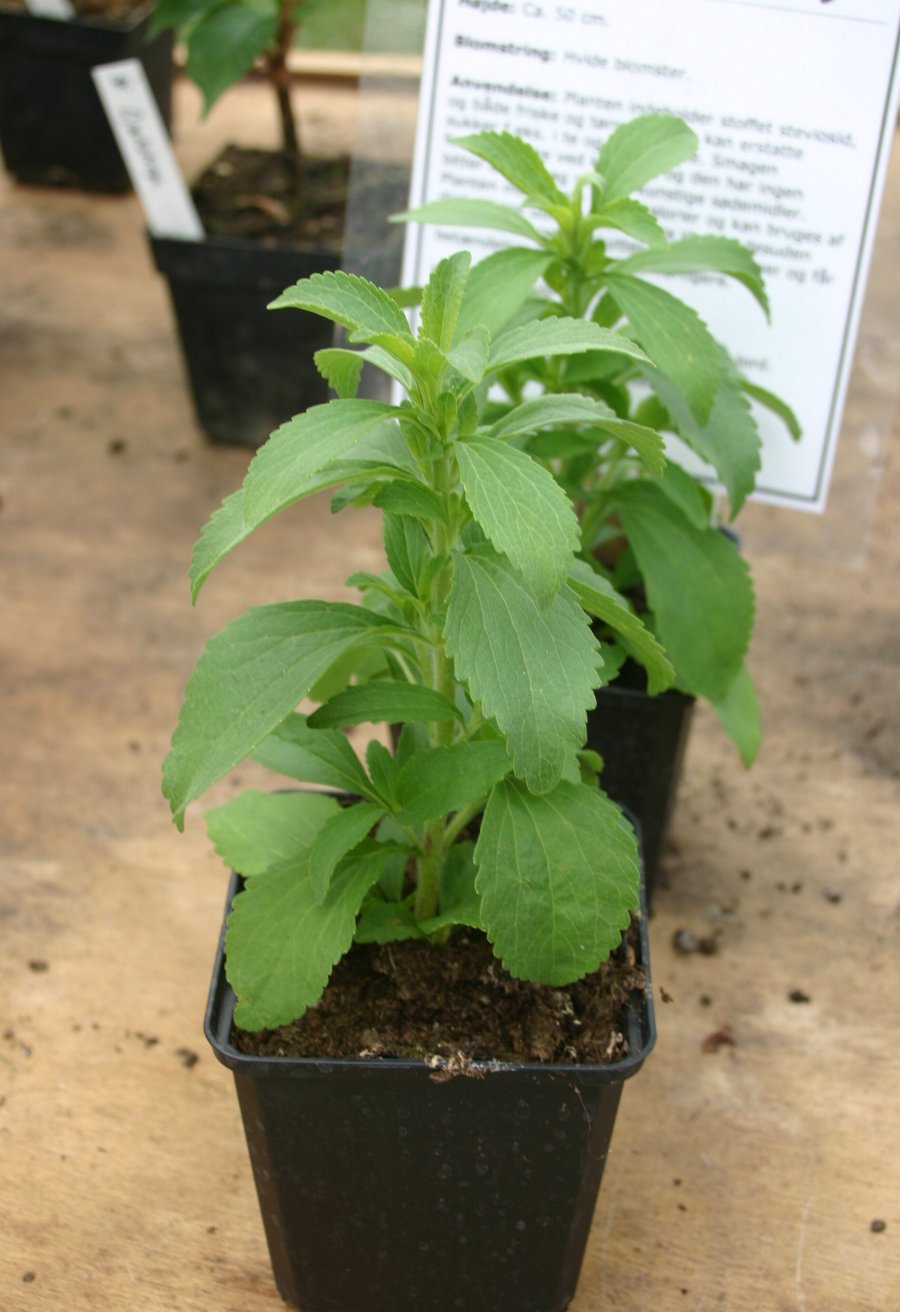
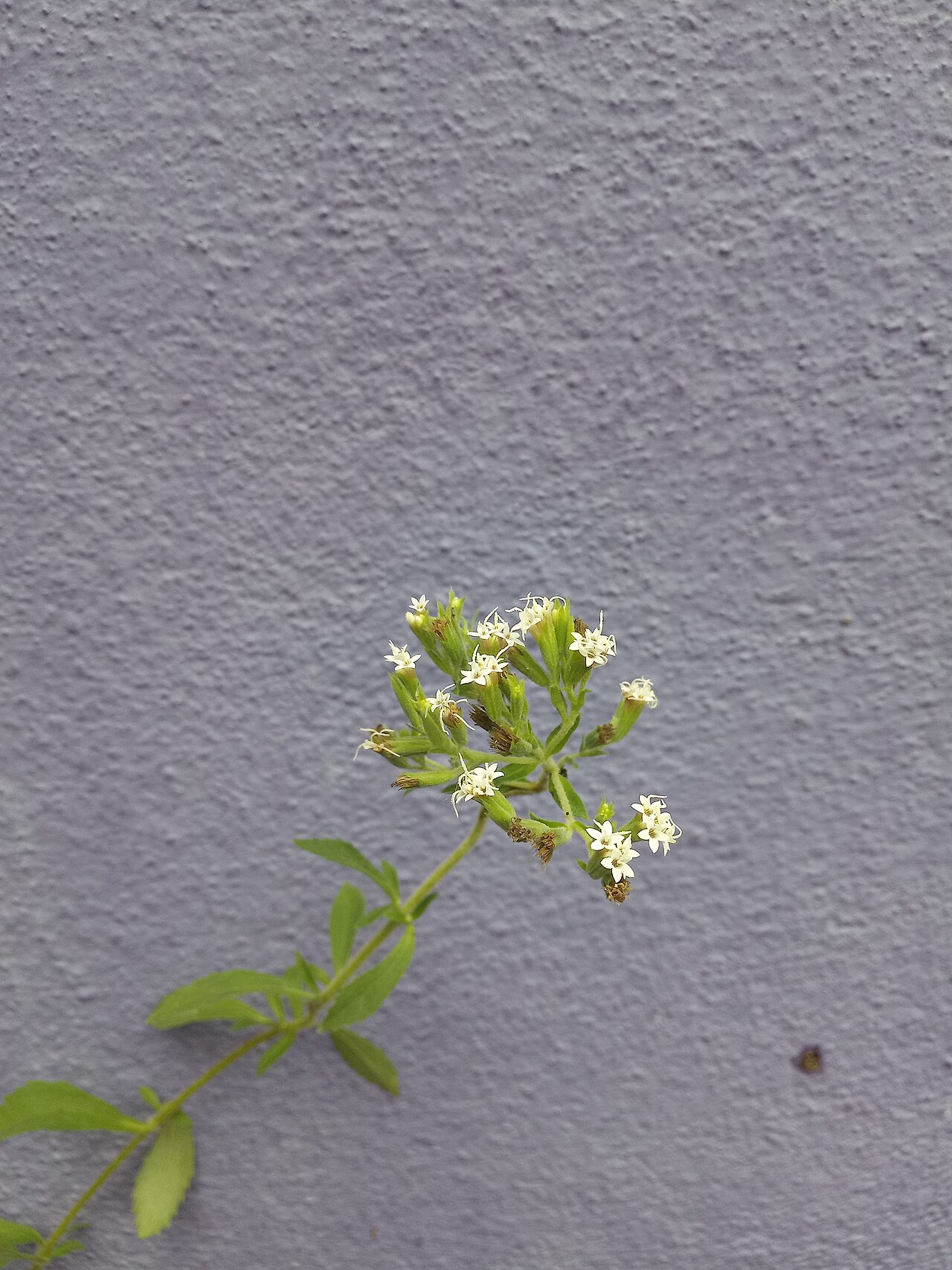
Why this variety
Morita is the stevia for people who tried stevia once and said never again. The complaint about generic stevia is almost always the same — a bitter, licorice-like aftertaste — and that aftertaste comes from the balance of sweet compounds in the leaf. Morita was selected for high rebaudioside A, the sweet compound with the cleanest taste, and lower levels of the compounds that taste bitter, which is why commercial growers and home gardeners alike keep coming back to it.
In the garden, Morita is a bushy, compact plant, easier to keep tidy than a rangy seedling and more predictable in flavor from leaf to leaf. Predictability matters with stevia more than with most herbs, because a plant grown from unlabeled seed is a lottery ticket — some seedlings are sweet, some are bitter, and you do not find out until you taste them. A named cultivar like Morita removes the gamble.
In Florida, Morita’s compact habit suits pots and small beds, and its perennial nature in zones 9-11 means one good plant sweetens teas for years, not one season. Treat it as a tender perennial: glorious in the warm months, indoors or under cover when frost threatens.
For the general picture, start with the Stevia growing guide — this guide covers what makes Morita Stevia different.
How to grow
Plant in spring after the last frost, in full sun and rich, well-drained soil, spacing plants 12 to 18 inches apart. Stevia likes warmth and steady moisture and hates cold feet, so wait for warm soil before planting out, and mulch to hold moisture without waterlogging the roots.
Pinch the growing tips regularly to force bushy growth, and pinch flower buds the moment they appear — flowering is the beginning of the end for leaf production, and a Morita plant allowed to flower gives you seed instead of sweetness. Take cuttings in late summer so you always have young plants ready, because even the best stevia plant declines after flowering.
Florida note: grow Morita as a perennial in zones 9-11 and as an annual, or a pot plant brought indoors, everywhere else in the state. Afternoon shade in the hottest spots prevents wilting, and a pot on a sunny patio is often the happiest home for a stevia plant in a Florida summer.
Water & feeding
Water steadily and mulch to hold moisture — stevia wilts dramatically in drought and then recovers dramatically with water, a cycle that costs you leaves every time it happens. Keep soil evenly moist but never waterlogged, and feed lightly with compost or worm castings; heavy nitrogen grows big, watery leaves with less sweetness. Pinch flower buds as they appear, because once stevia flowers it puts its energy into seed and leaf production falls off a cliff. In sandy soil, a little extra compost at planting pays for itself all season.
Common problems
- Flowering and decline — the plant’s natural endgame. Pinch buds relentlessly and take cuttings in late summer so you always have young plants coming on.
- Root rot in wet soil — stevia hates standing water. Raised beds or pots with drainage are the fix in rainy summers.
- Frost — one cold night ends the season outdoors. Pot-grown plants come indoors before the first frost and live to sweeten another year.
- Weak, flavorless leaves — usually seed-grown plants of unknown genetics, or over-fertilized plants. Named cultivars and modest feeding are the answer.
Harvest
Pick leaves from 8 to 10 weeks after planting, choosing mature leaves before the plant flowers, when sweetness peaks. Taste a leaf before you harvest in bulk — Morita should taste cleanly sweet, and if it does not, the plant is probably stressed, flowering, or not Morita at all.
Use leaves fresh in tea, or dry them promptly in a warm, airy place and crumble into a jar. Dried Morita leaf is the home sweetener that actually works: a pinch sweetens a pot of tea, and the jar lasts months. Start with less than you think you need — stevia is many times sweeter than sugar, and overshooting is easy.
Harvest leaves before the plant flowers, when glycoside levels are highest, and use them fresh or dried — dried leaves crumble easily into teas and baking, and a small jar of dried stevia leaf outlasts a bag of sugar packets by months. Taste as you go: stevia is intensely sweet, so a little leaf goes a long way, and the aftertaste varies by cultivar, which is exactly why growing a named selection beats a mystery seedling.
Browse all plant & pest guides
Saving seeds
Morita is the stevia for people who tried stevia once and said never again. The complaint about generic stevia is almost always the same — a bitter, licorice-like aftertaste — and that aftertaste comes from the balance of sweet compounds in the leaf. Morita was selected for high rebaudioside A, the sweet compound with the cleanest taste, and lower levels of the compounds that taste bitter, which is why commercial growers and home gardeners alike keep coming back to it. As a named cultivar it is kept true by cuttings, not by seed — the guide’s own advice is to take cuttings in late summer so you always have young plants ready, because a plant grown from unlabeled seed is a lottery ticket. Plant in spring after the last frost, in full sun and rich, well-drained soil, spacing plants 12 to 18 inches apart. The full method is in the Saving seeds section of the Stevia guide.