
🌿 Stevia
What it looks like
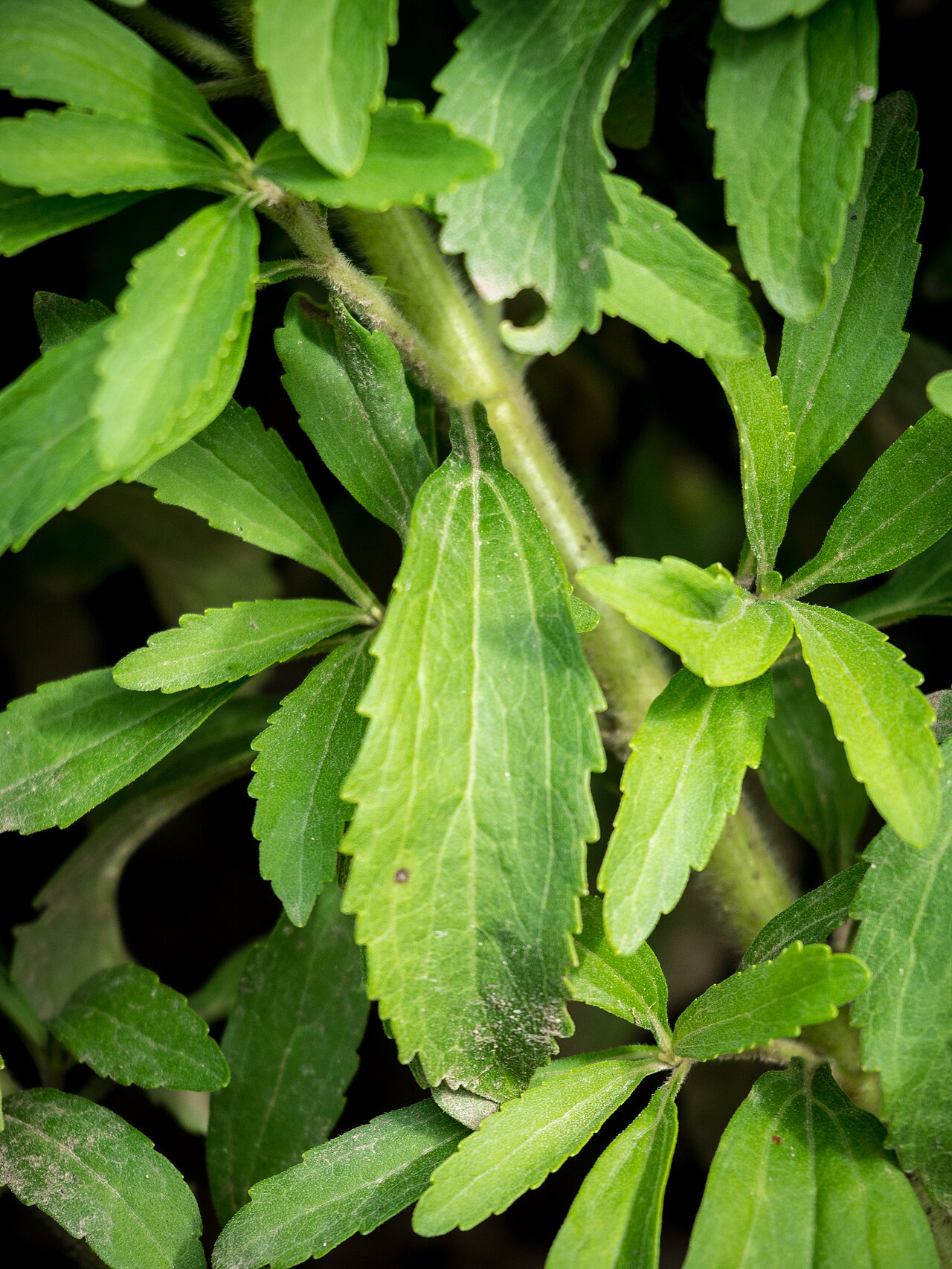
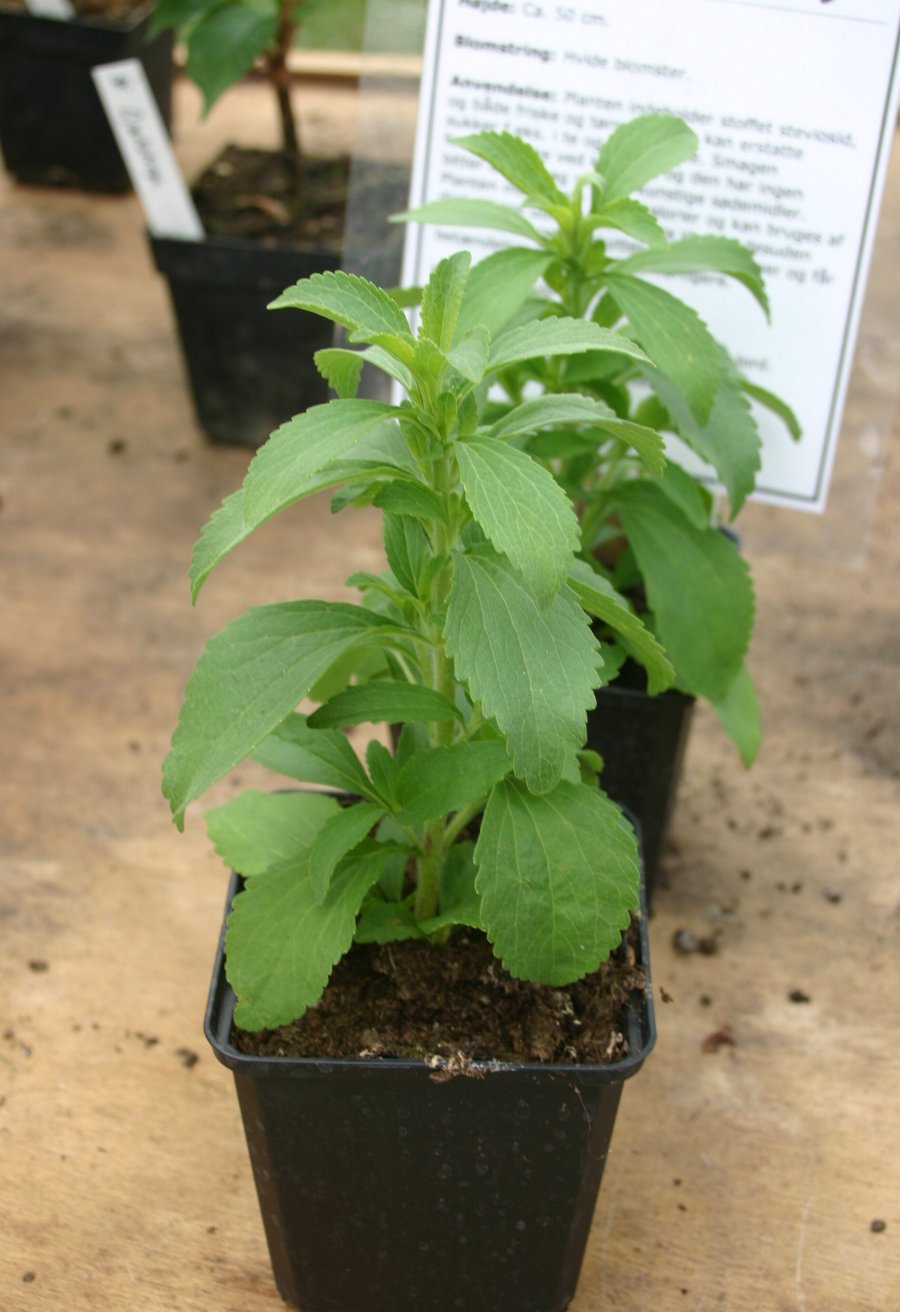
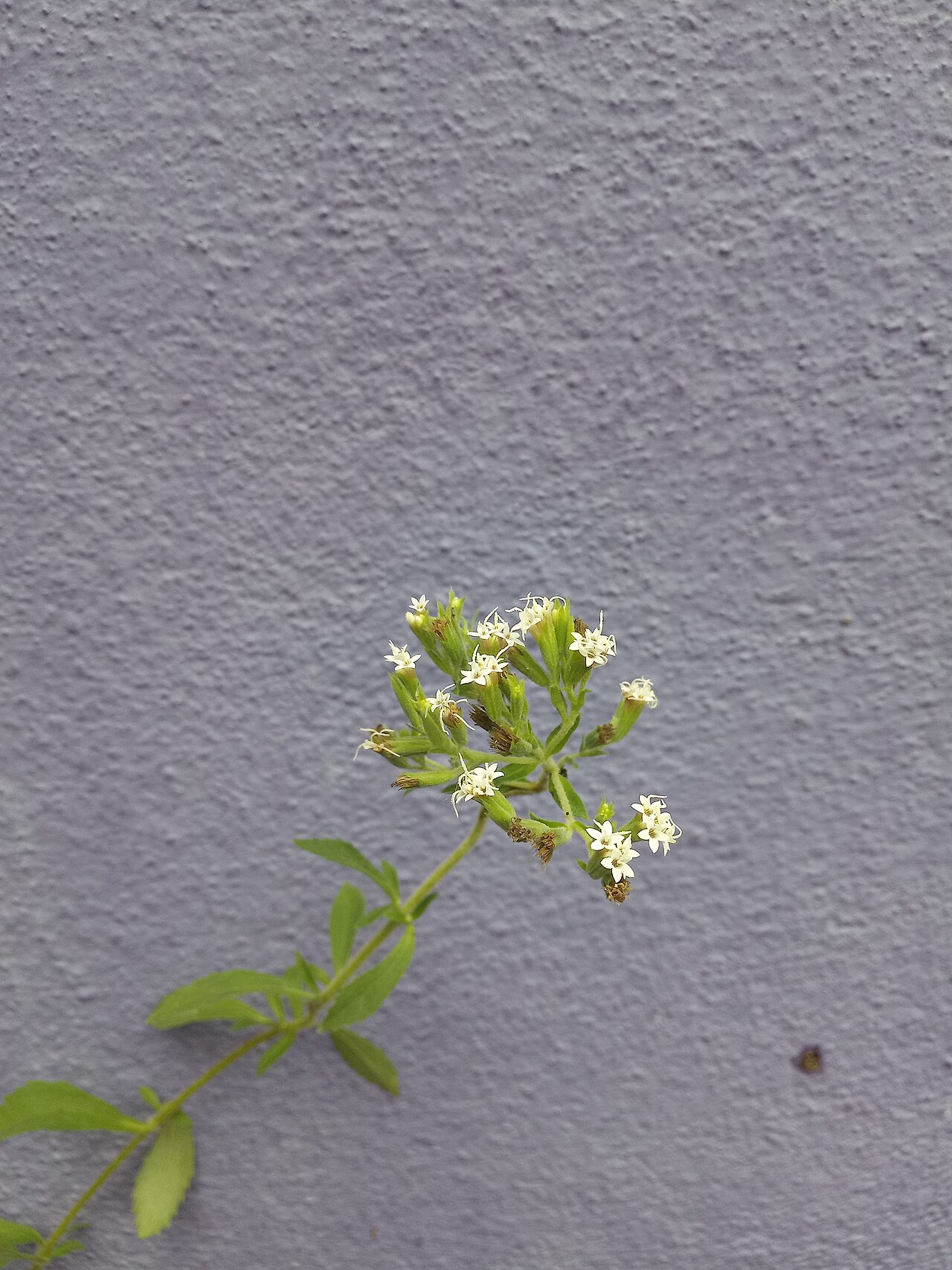
How to grow
Stevia is a tender perennial from South America whose leaves contain steviol glycosides — compounds up to 200 times sweeter than sugar, with no calories — making it the plant behind the sweetener packets in grocery stores. Homegrown stevia leaves are sweet but taste different from refined stevia extract: they carry a slight licorice or herbal aftertaste that some people love and others notice, so the best home use is fresh or dried leaves steeped in tea, not an attempt to replicate commercial sweetener. Stevia is frost-tender and heat-loving: in zones 9-11 it persists as a perennial, and everywhere else it is grown as a summer annual or in a pot brought indoors before frost. Start from transplants or cuttings — seed germinates poorly and variably, and named varieties grown for sweetness are only available as plants. Stevia wants full sun, well-drained soil, and consistent moisture; it dislikes both drought and soggy soil. Pinch tips to encourage bushy growth, since plants left alone grow leggy and sparse. In Florida and warm climates stevia grows well but may struggle in peak summer heat; afternoon shade helps.
Water & feeding
Keep soil consistently moist, about an inch a week, more in containers. Stevia is a light feeder: worm castings at planting is plenty. Avoid high-nitrogen fertilizer, which makes leafy growth with less sweetness — counterintuitive, but the sweet compounds concentrate best in plants that are not pushed too hard.
Common problems
- Frost kill — it is tender; harvest or pot up before first frost in zones below 9.
- Poor seed germination — buy transplants or take cuttings rather than relying on seed.
- Root rot in soggy soil — use well-drained mix and pots with drainage holes.
- Leggy growth — pinch tips regularly and harvest often to keep plants bushy.
Harvest
Harvest leaves as needed once plants are established, picking young leaves for the sweetest flavor — sweetness peaks just before flowering, so harvest heavily then. Use fresh leaves in tea, or dry leaves in a dark, airy spot and crumble them into tea blends. Dried, powdered stevia leaf is much stronger than fresh: start with a pinch per cup and adjust. Do not expect homegrown leaves to behave exactly like refined stevia packets; they are a related but different ingredient, and they are best in drinks where a herbal note is welcome.
Browse all plant & pest guides
Saving seeds
The honest headline: stevia seed is a gamble, and cuttings are the reliable route. Germination is famously poor — between 10 and 40%, which means three seeds out of ten sprouting is a good result, not a bad one. The seeds lose virtually all ability to germinate by five months, so old seed is dead seed. If you want more stevia, take cuttings; if you want the seed adventure, read on.
Sow fresh seed on the surface of moist mix — it needs light to germinate — and keep it warm, around 68 to 75°F. Germination takes 10 to 21 days, and the seedlings grow slowly. Sow many more seeds than the plants you want, and favor the darker-colored seed: a Purdue study found black seed germinates far better than tan or pale seed. Keep the soil moist until germination, and do not bury the seed.
Seedlings vary in sweetness, which is the whole point of stevia — a seedling may be much sweeter or much less sweet than the parent. Cuttings are clones, so the sweetness you love is the sweetness you get. Take six- to eight-inch cuttings from a healthy plant, strip the lower leaves, and root them in moist soil; they root in about four weeks.
In Florida, stevia is a tender perennial for zones 9 to 11, happiest in full sun and moist, well-drained soil. It is not reliably hardy even in north Florida, so grow it in a pot you can shelter in winter, and take cuttings in fall to overwinter indoors — that is the plant paying you back for the summer’s sweetness.
Varieties
Every named variety of Stevia with its own growing guide:
- Candy Stevia — The home-garden sweet leaf: a compact, garden-friendly stevia selection bred for home growers, not just field production.
- Sugar High Stevia — The high-glycoside stevia: a bushy, vigorous selection bred for elevated leaf sweetness and high glycoside content.
- Morita Stevia — The sweetest stevia: a high-rebaudioside-A selection with a cleaner taste and far less of the bitter aftertaste.
- Criolla Stevia — The humid-climate stevia: a broad-leafed heirloom landrace that handles sticky summers better than fussy selections.
- Sweetie Stevia — The home-garden stevia: a clean-tasting, high-rebaudioside-A selection bred for gardeners, not just factories.