
🌿 Sugar High Stevia
What it looks like
Why this variety
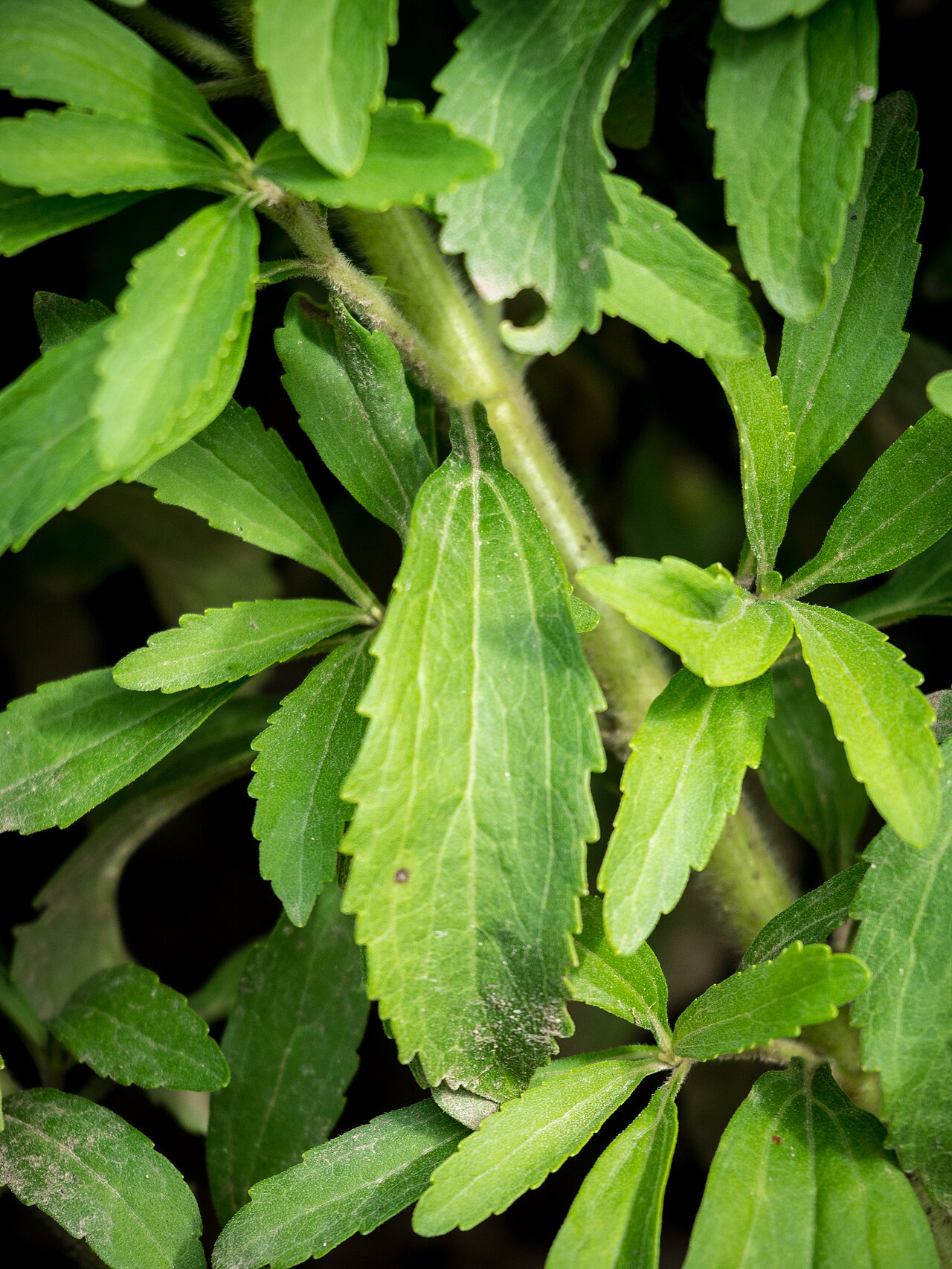
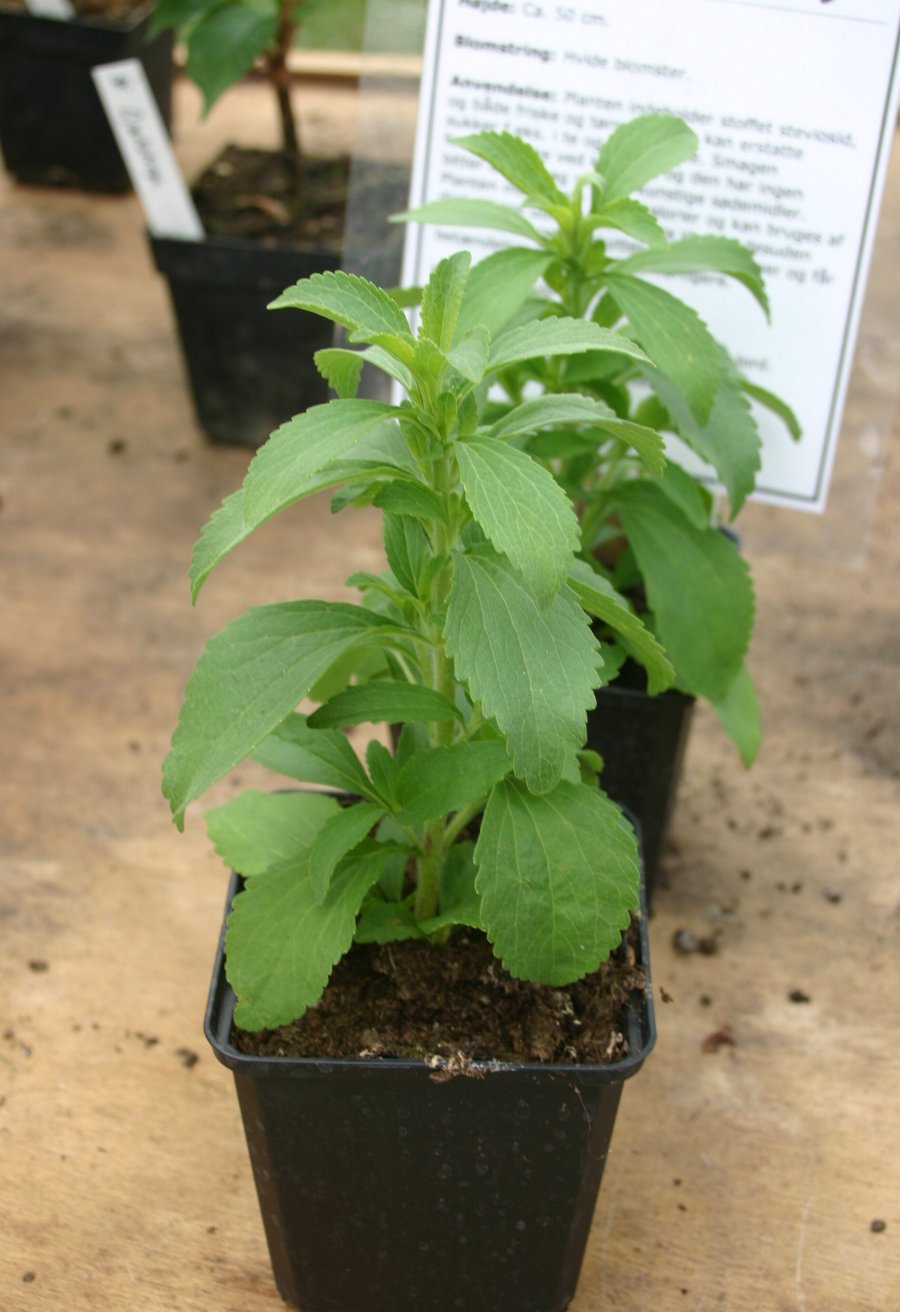
Sugar High is a stevia selection bred for elevated sweetness, a bushy plant with larger leaves and a high content of steviol glycosides, the compounds that do the sweetening. In research comparisons it out-sweetened smaller-leaved selections, which is the practical difference a home grower feels: fewer leaves per cup of tea, and a cleaner sweet taste. If you grow stevia to use it, rather than to admire it, Sugar High is the selection to plant.
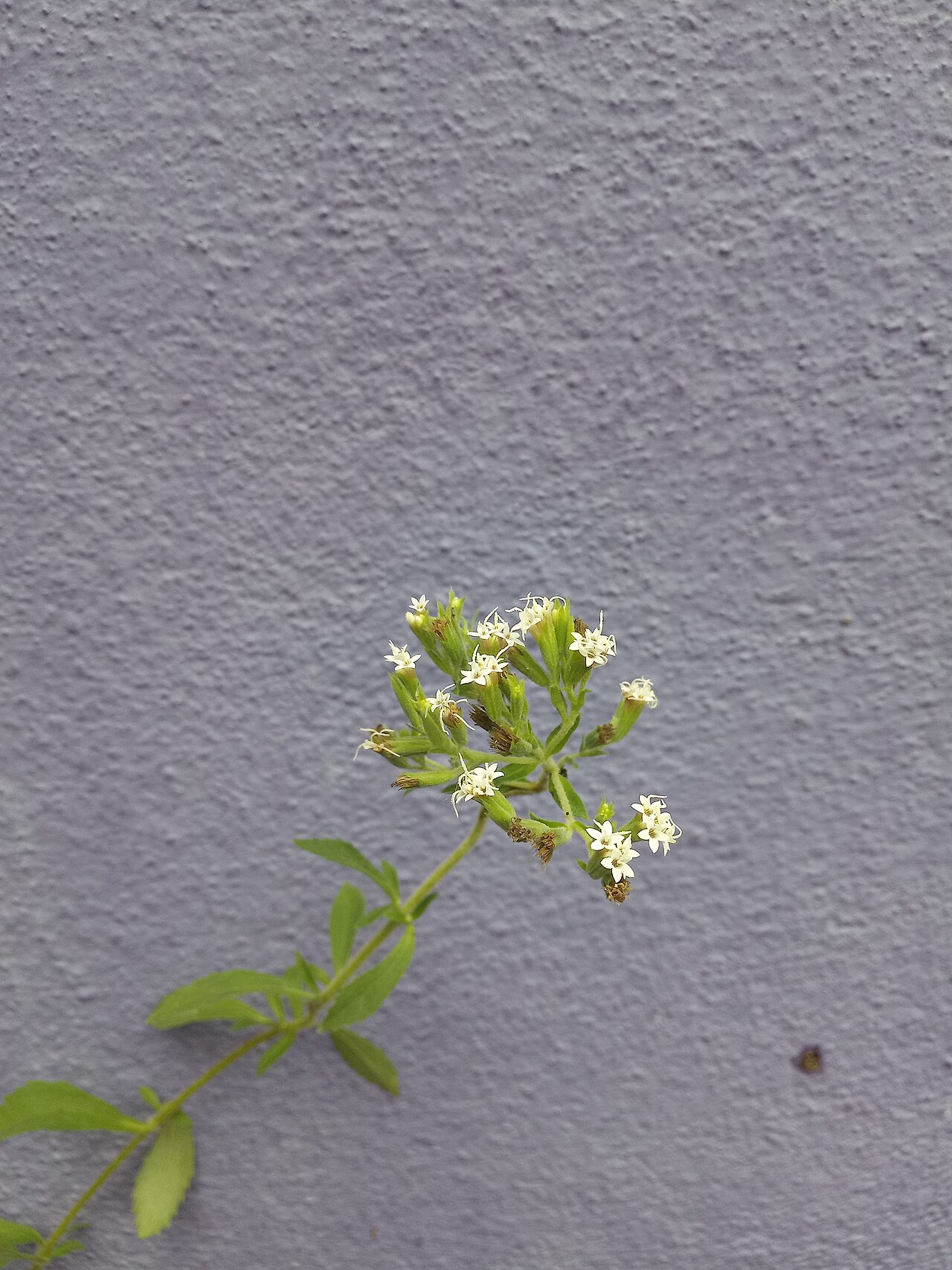
The plant is vigorous and branching, which matters because stevia is harvested by cutting stems and stripping leaves, and a bushy plant gives more cuttings per season. Pinch the tips to keep it branching, harvest before it flowers for the sweetest leaves, and dry the harvest promptly, because fresh leaves lose sweetness as they age on the plant.
If you are new to choosing between cultivars, the Varieties Matter guide explains why the name after the plant matters as much as the plant itself. Sugar High is a perfect example: it is not just a stevia in the abstract, it is a stevia with a specific job, a specific history, and specific strengths.
Florida framing, stated plainly: stevia is a tender perennial in Florida, happiest in zones 9-11 and grown as an annual or overwintered in pots where frost bites. Sugar High wants the same sun, drainage, and regular water as any stevia, and it sulks in soggy soil, so a raised bed or container suits it statewide in the warm months.
How to grow
Start from cuttings or transplants, not seed, because named selections do not come true from seed and species seed germinates poorly. Set plants out after frost danger in full sun and well-drained soil, work worm castings into the bed at planting, and space 12 to 18 inches apart. Pinch the tips to keep plants branching, water steadily, and harvest before flowering for the sweetest leaves, because flowering leaves lose sweetness.
Set plants 12-18 inches apart in soil with a pH around 6.0-7.0. Work worm castings into the bed at planting and mulch to hold moisture. A well-fed stevia plant rewards that care directly: steadier growth, better bloom or fruit, and a show that actually shows up.
Water & feeding
Keep soil evenly moist but never waterlogged; stevia wants steady moisture and sharp drainage, not swamp and not drought. Water at the soil line, mulch lightly, and feed lightly: castings at planting plus a dilute liquid feed in the growing season. Pinch tips to keep plants branching, harvest before flowering, and bring container plants under cover before frost.
Common problems
- FREEZE DAMAGE — stevia is frost-tender; bring containers under cover before frost, and grow it as an annual where winters bite.
- POOR SEED GERMINATION — species seed germinates poorly and seedlings vary; grow named selections from cuttings for repeatable sweetness.
- FLOWERING REDUCES SWEETNESS — leaves lose sweetness after flowering; pinch tips and harvest before bloom for the sweetest leaves.
- ROOT ROT in soggy soil — stevia wants moisture and drainage, not standing water; use raised beds or containers in heavy soil.
- BITTER AFTERTASTE — stevioside tastes bitter to some people; selections bred for rebaudioside A taste cleaner, which is why variety choice matters.
Harvest
Harvest leaves before flowering, cutting stems and stripping leaves, and dry the harvest promptly in a warm, airy place out of direct sun. Dried leaves crumble into a sweet powder for tea and cooking, though it will not caramelize or bake like sugar. Pinch plants to keep them branching for repeat harvests, and bring container plants under cover before frost, because a frost ends the harvest for the year.
Browse all plant & pest guides
Saving seeds
Sugar High is a stevia selection bred for elevated sweetness, a bushy plant with larger leaves and a high content of steviol glycosides, the compounds that do the sweetening. In research comparisons it out-sweetened smaller-leaved selections, which is the practical difference a home grower feels: fewer leaves per cup of tea, and a cleaner sweet taste. If you grow stevia to use it, rather than to admire it, Sugar High is the selection to plant. As a named stevia it is kept true by cuttings, not by seed — start from cuttings or transplants, not seed, because named selections do not come true from seed and species seed germinates poorly. Set plants out after frost danger in full sun and well-drained soil, work worm castings into the bed at planting, and space 12 to 18 inches apart. Pinch the tips to keep plants branching, water steadily, and harvest before flowering for the sweetest leaves, because flowering leaves lose sweetness. The full method is in the Saving seeds section of the Stevia guide.