
🍬 Sweetie Stevia
What it looks like
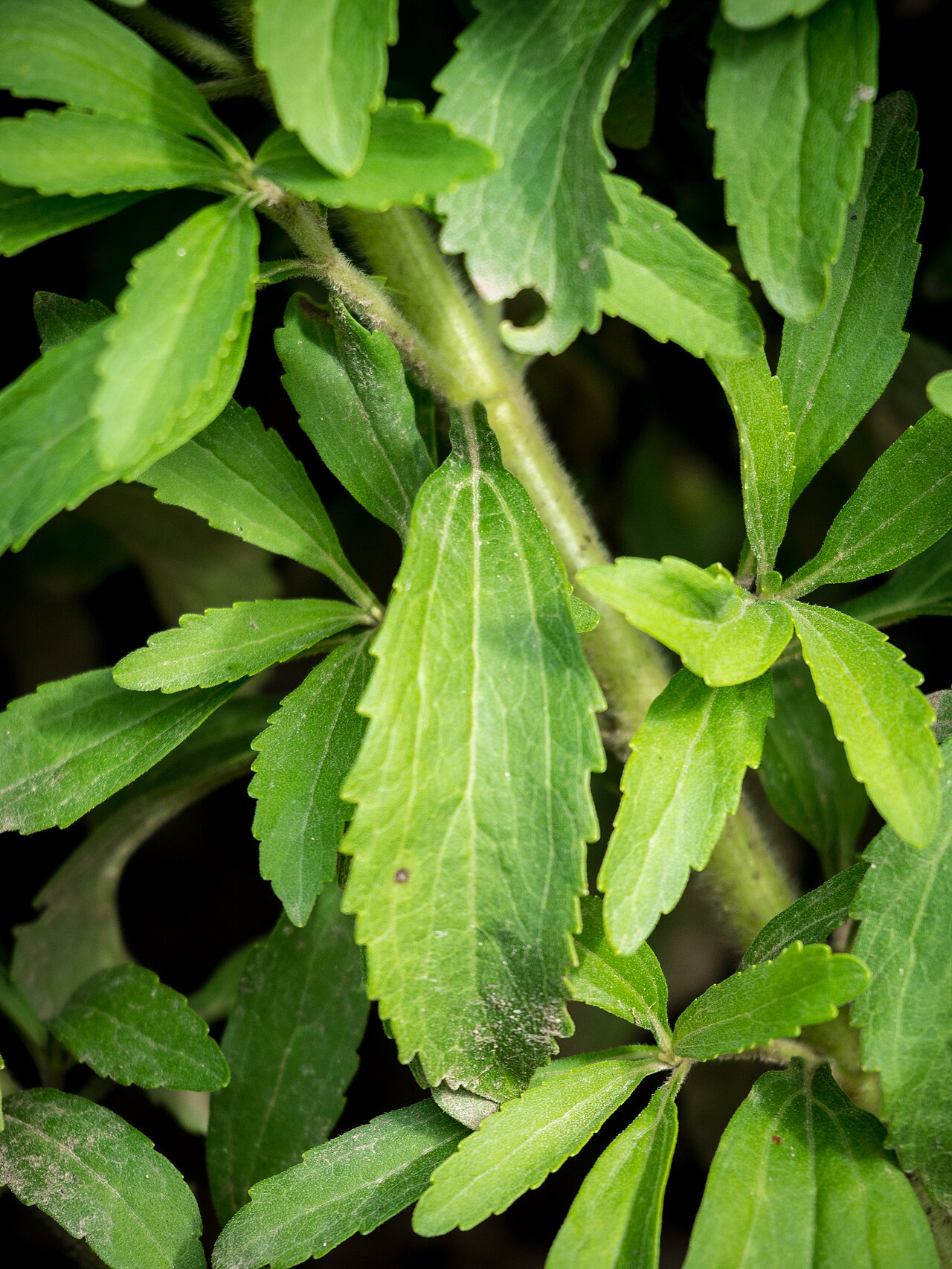
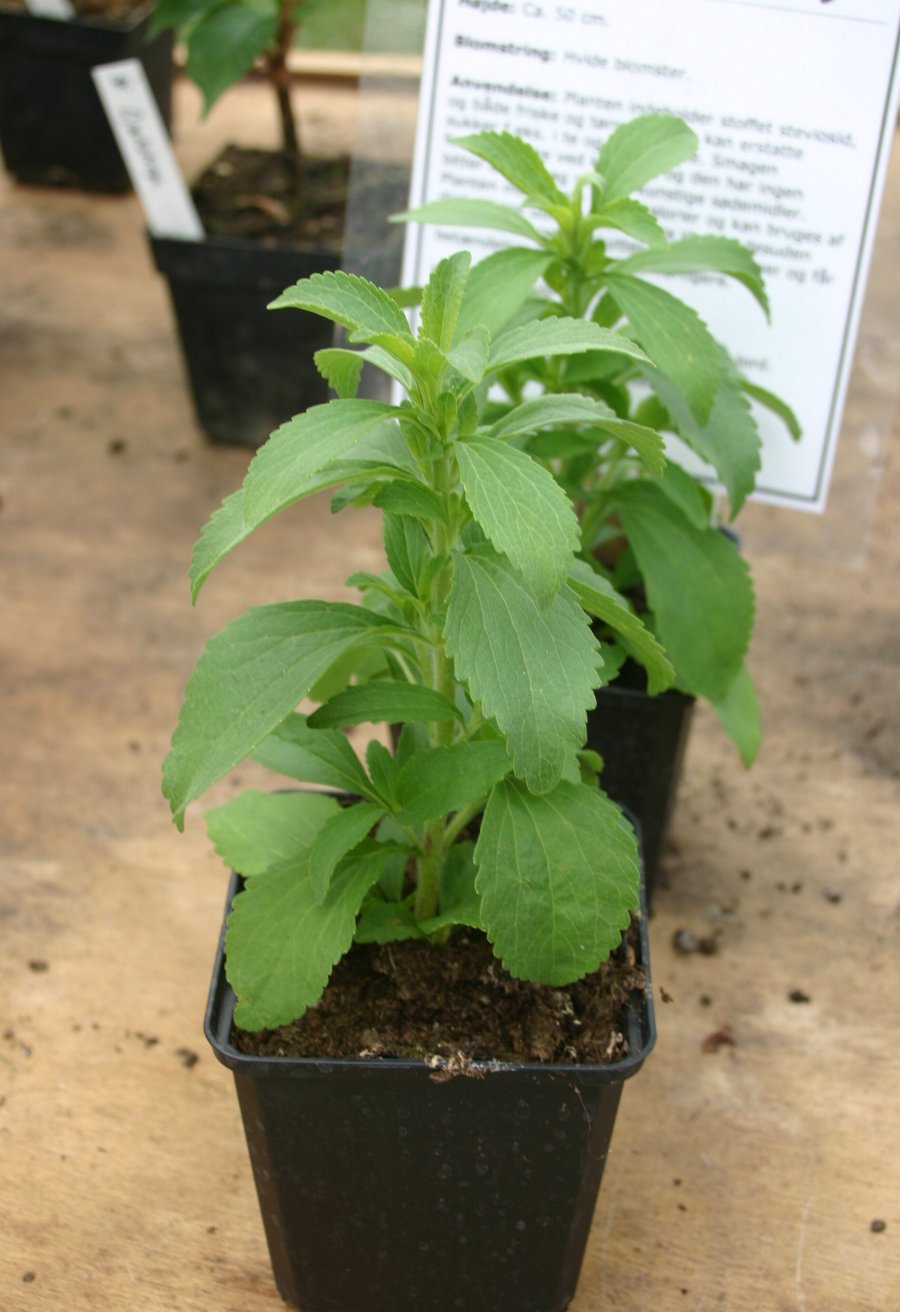
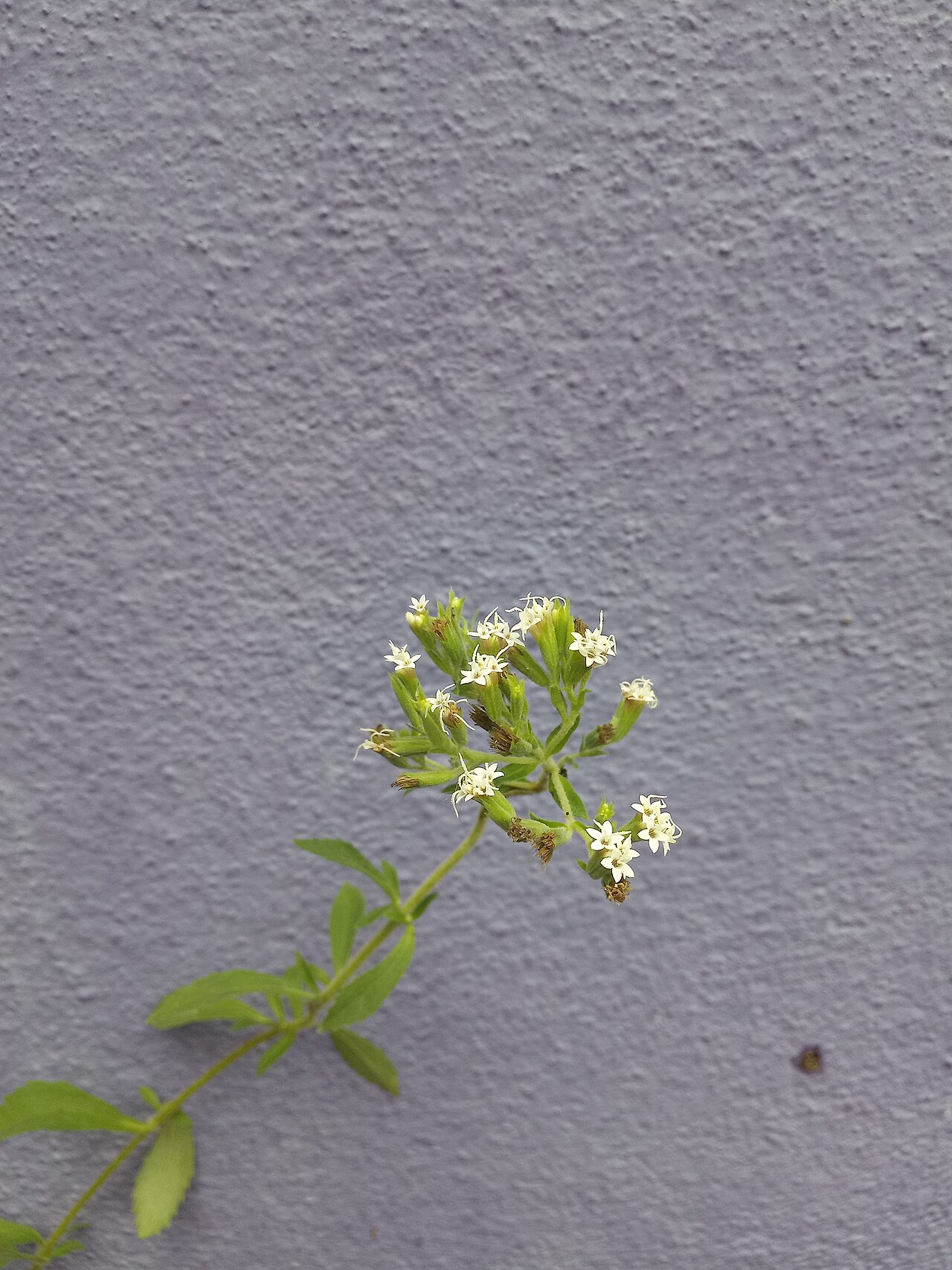
Why this variety
Sweetie is the stevia that was bred with a home garden in mind. Like Morita, it was selected for a high proportion of rebaudioside A, the clean-tasting sweet compound, which means less of the bitter aftertaste that turns people off generic stevia. Unlike field cultivars bred for machine harvest, Sweetie is a garden plant: compact, manageable, and happy in a pot on a sunny patio.
The name is not just marketing. Sweetie’s leaves taste sweet first and herbal second, which matters when the leaf goes straight into your tea rather than through a factory extraction process. Factory stevia can hide a bitter leaf behind processing; home stevia cannot, so the cultivar has to taste good raw, and Sweetie does.
In Florida, Sweetie behaves like other stevias — perennial in the warm zones, a pot plant or annual elsewhere — but its garden-bred habit makes it forgiving of the small-space, container-heavy gardens most Florida gardeners actually have. One plant in a pot by the kitchen door sweetens a household’s tea all season.
For the general picture, start with the Stevia growing guide — this guide covers what makes Sweetie Stevia different.
How to grow
Plant in spring after the last frost, in full sun and rich, well-drained soil, spacing plants 12 to 18 inches apart. Buy plants, not mystery seed, because seed-grown stevia does not come true to type — a seedling labeled Sweetie that was actually grown from seed is a lottery ticket, and the prize is bitterness.
Pinch tips for bushiness and pinch flower buds relentlessly; Sweetie, like all stevias, puts its energy into seed once it flowers, and leaf quality falls off fast after that. Take cuttings in late summer to keep young plants coming on, and overwinter a pot indoors if you want a head start next spring.
Florida note: afternoon shade in the hottest spots prevents wilting, and steady water prevents the dramatic wilt-and-recover cycle that costs leaves. A pot with drainage, watered when the top inch dries, is the lowest-drama way to grow Sweetie in a Florida summer.
Water & feeding
Water steadily and mulch to hold moisture — stevia wilts dramatically in drought and then recovers dramatically with water, a cycle that costs you leaves every time it happens. Keep soil evenly moist but never waterlogged, and feed lightly with compost or worm castings; heavy nitrogen grows big, watery leaves with less sweetness. Pinch flower buds as they appear, because once stevia flowers it puts its energy into seed and leaf production falls off a cliff. In sandy soil, a little extra compost at planting pays for itself all season.
Common problems
- Flowering and decline — the plant’s natural endgame. Pinch buds relentlessly and take cuttings in late summer so you always have young plants coming on.
- Root rot in wet soil — stevia hates standing water. Raised beds or pots with drainage are the fix in rainy summers.
- Frost — one cold night ends the season outdoors. Pot-grown plants come indoors before the first frost and live to sweeten another year.
- Weak, flavorless leaves — usually seed-grown plants of unknown genetics, or over-fertilized plants. Named cultivars and modest feeding are the answer.
Harvest
Pick mature leaves from 8 to 10 weeks after planting, before flowering, and taste as you go — Sweetie should taste cleanly sweet with only a faint herbal note. Harvest in the morning, when leaves are crisp and aromatic, and dry promptly in a warm, airy place.
Use dried leaf crumbled into tea, or fresh leaves steeped whole and fished out. A little goes a long way: start with a pinch, not a handful, and adjust to your taste. Dried Sweetie leaf keeps for months in a sealed jar, which means summer’s harvest sweetens winter’s tea.
Harvest leaves before the plant flowers, when glycoside levels are highest, and use them fresh or dried — dried leaves crumble easily into teas and baking, and a small jar of dried stevia leaf outlasts a bag of sugar packets by months. Taste as you go: stevia is intensely sweet, so a little leaf goes a long way, and the aftertaste varies by cultivar, which is exactly why growing a named selection beats a mystery seedling.
Browse all plant & pest guides
Saving seeds
Sweetie is the stevia for gardeners who want sweetness without the aftertaste argument: a named stevia selection bred for a cleaner, sweeter leaf with less of the bitter, licorice edge that puts some people off the species. The leaves are intensely sweet — hundreds of times sweeter than sugar by weight — and a single plant gives a season of fresh leaves for tea, smoothies, and cooking, plus dried leaves that keep for months. Sweetie is the stevia to plant if you tried the straight species once and found it too bitter; the selection work shows in the leaf. As a named stevia it is kept true by cuttings, not by seed — take softwood cuttings from a healthy plant and root them in a moist mix, or buy fresh transplants each season. Start from cuttings or transplants, not seed: named stevia selections do not come true from seed, and seed-grown plants vary widely in sweetness. Plant in full sun in well-drained, fertile soil after frost danger, spacing 12-18 inches apart, and pinch young plants to encourage branching — a bushy stevia gives far more leaves than a leggy one. Harvest leaves before flowering for the sweetest flavor, and cut plants back hard in late summer for a fresh flush. In Florida, stevia is a warm-season annual that loves heat and humidity but hates wet feet; grow it in a raised bed or container with sharp drainage, and take cuttings before the first cold snap to overwinter indoors. The full method is in the Saving seeds section of the Stevia guide.