
🌷 Mrs Moon Lungwort
What it looks like
Why this variety
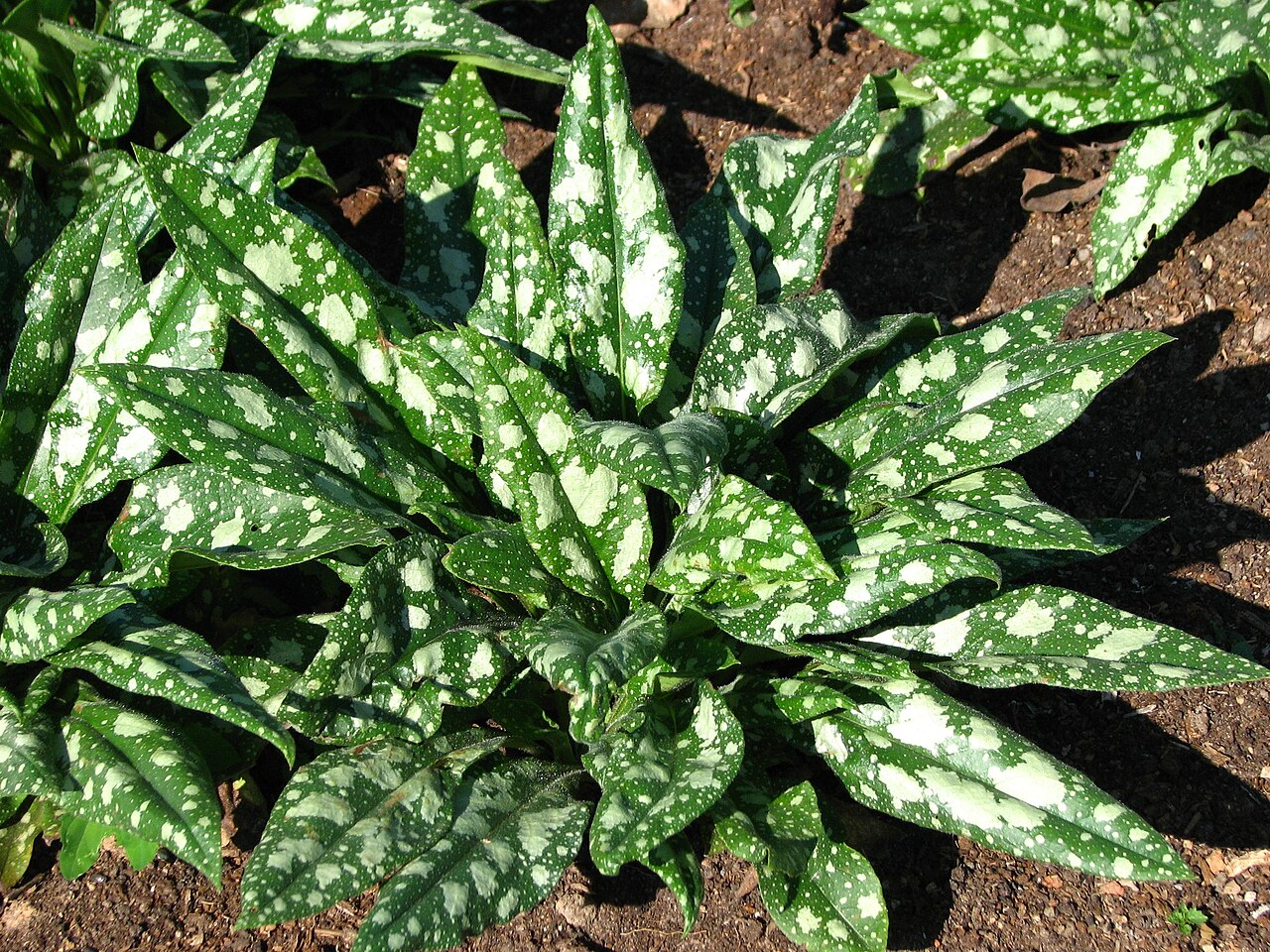
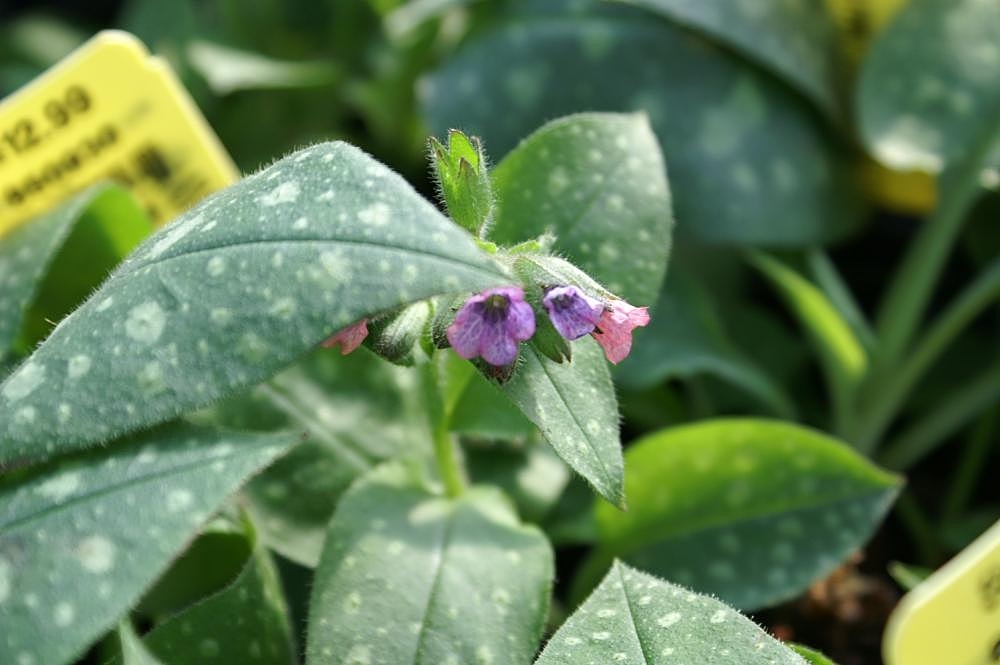
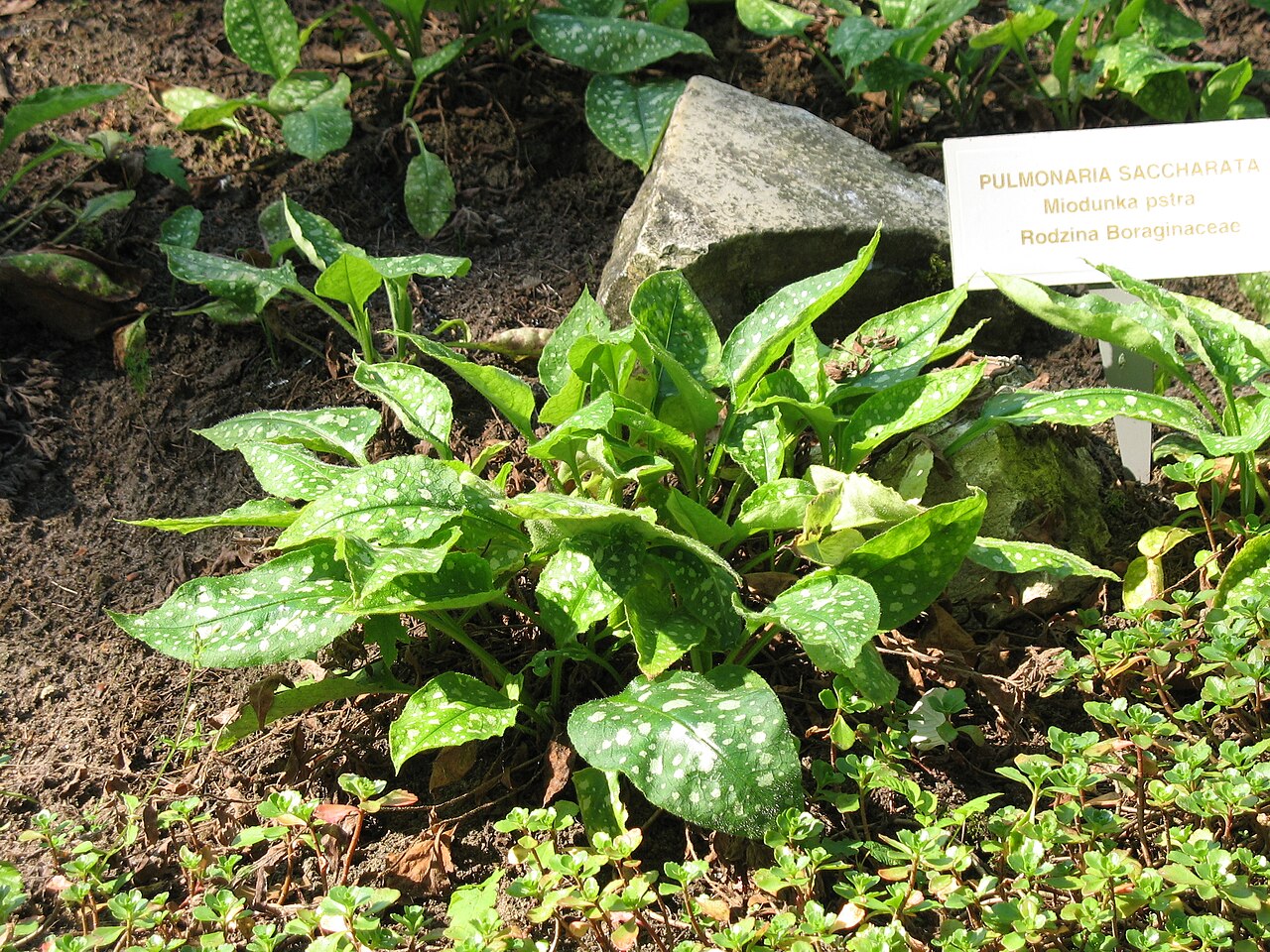
Mrs Moon is the lungwort that made pulmonaria a shade-garden staple: early spring flowers that open pink and age to blue — both colors on the plant at once, like a sunset in miniature — over leaves spotted and splashed with silver, so the plant looks good long after bloom ends. It is one of the first shade flowers of spring, blooming when the woodland is still bare, and bees visit it eagerly for early nectar. In a shade border, Mrs Moon is the plant that says spring has actually arrived, not just been rumored.
The trade-off is summer appearance: after bloom, pulmonaria foliage can look tired in heat, drought, or sun, and mildew can spot the leaves in humid, crowded plantings. Give it part to full shade, rich moist soil, mulch, and room for air, cut back tattered foliage after bloom for a fresh flush, and water through dry spells. Do not plant it in sun or dry soil and expect silver — silver in this plant is bought with shade and water.
If you are new to choosing between cultivars, the Varieties Matter guide explains why the name after the plant matters as much as the plant itself. Mrs Moon is a perfect example: it is not just a lungwort in the abstract, it is a lungwort with a specific job, a specific history, and specific strengths.
Florida honesty, stated plainly: lungwort is a North Florida shade trial, not a statewide promise. It wants cool, moist, shaded woodland conditions, and Florida heat and humidity are not its home weather. In North Florida, plant it in deep shade with afternoon protection, in soil that stays damp, and cut back after bloom for fresh foliage. South of the Panhandle, expect mildew and decline, and plant a native shade groundcover instead.
How to grow
Plant in spring or fall in rich, moist soil in part to full shade — lungwort is a woodland plant that wants leaf-mold soil, consistent moisture, and protection from hot sun. Work worm castings and compost into the bed at planting, mulch lightly, and space for air. Cut back tattered foliage after bloom for a fresh flush of leaves, and divide congested clumps in fall every few years.
Set plants 12-18 inches apart in soil with a pH around 6.0-7.5. Work worm castings into the bed at planting and mulch to hold moisture. A well-fed lungwort plant rewards that care directly: steadier growth, better bloom, and a show that actually shows up.
Water & feeding
Keep soil evenly moist but never waterlogged — lungwort wants woodland moisture, not swamp and not drought, and its foliage tires fast in dry soil. Water at the soil line, mulch lightly, and feed lightly: castings and compost at planting plus a spring top-dress. After bloom, keep watering, because the fresh flush of foliage needs moisture to look its best.
Common problems
- Powdery mildew in humid, crowded plantings — space for air, water at the soil line, and remove affected leaves; cut back tattered foliage after bloom.
- Tired summer foliage — heat and drought tire pulmonaria leaves; give it shade, moisture, and a post-bloom haircut for fresh growth.
- Slugs and snails on foliage in wet weather — pick at dusk and keep mulch pulled back slightly from crowns.
- Scorch in sun or drought — browned leaves; give it shade and soil that never dries out.
- Short life in hot climates — heat shortens lungwort life; in warm zones, treat it as a shade trial with soil that never dries out.
Harvest
Cut a few flowering stems for small spring bouquets, when flowers are fully open — pulmonaria lasts a few days in water and its pink-and-blue or white flowers suit woodland-style arrangements. Do not cut heavily: the plant needs its foliage to feed next year’s bloom. Cut back tattered foliage after bloom for a fresh flush, divide congested clumps in fall, and leave foliage standing over winter where it shelters.
Browse all plant & pest guides
Saving seeds
Mrs Moon is the lungwort that made pulmonaria a shade-garden staple: early spring flowers that open pink and age to blue — both colors on the plant at once, like a sunset in miniature — over leaves spotted and splashed with silver, so the plant looks good long after bloom ends. It is one of the first shade flowers of spring, blooming when the woodland is still bare, and bees visit it eagerly for early nectar. As a named cultivar it is kept true by division, not by seed — seedlings would not hold the silver-splashed leaves. Plant in spring or fall in rich, moist soil in part to full shade, and divide congested clumps in fall every few years. The full method is in the Propagation section of the Lungwort guide.