
🌸 Nora Barlow Columbine
What it looks like
Why this variety
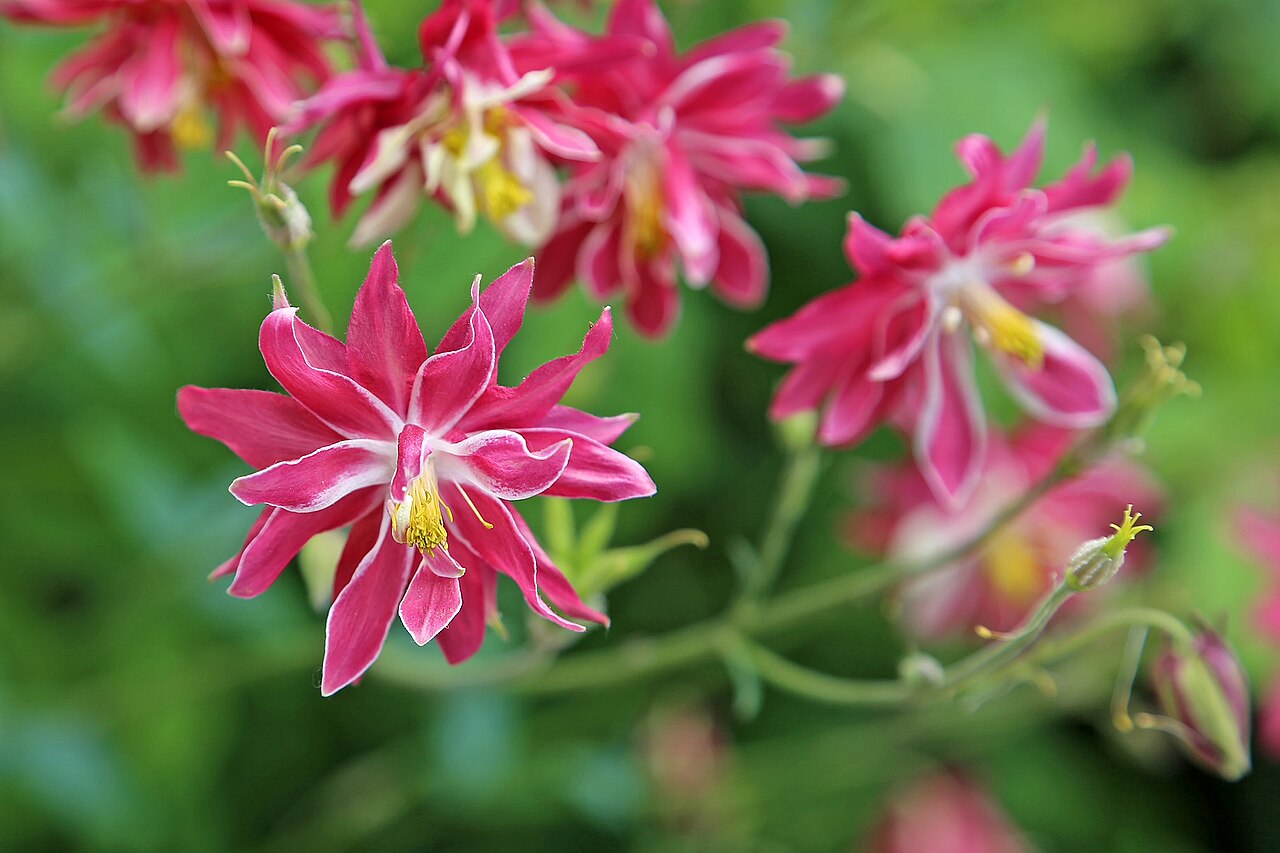
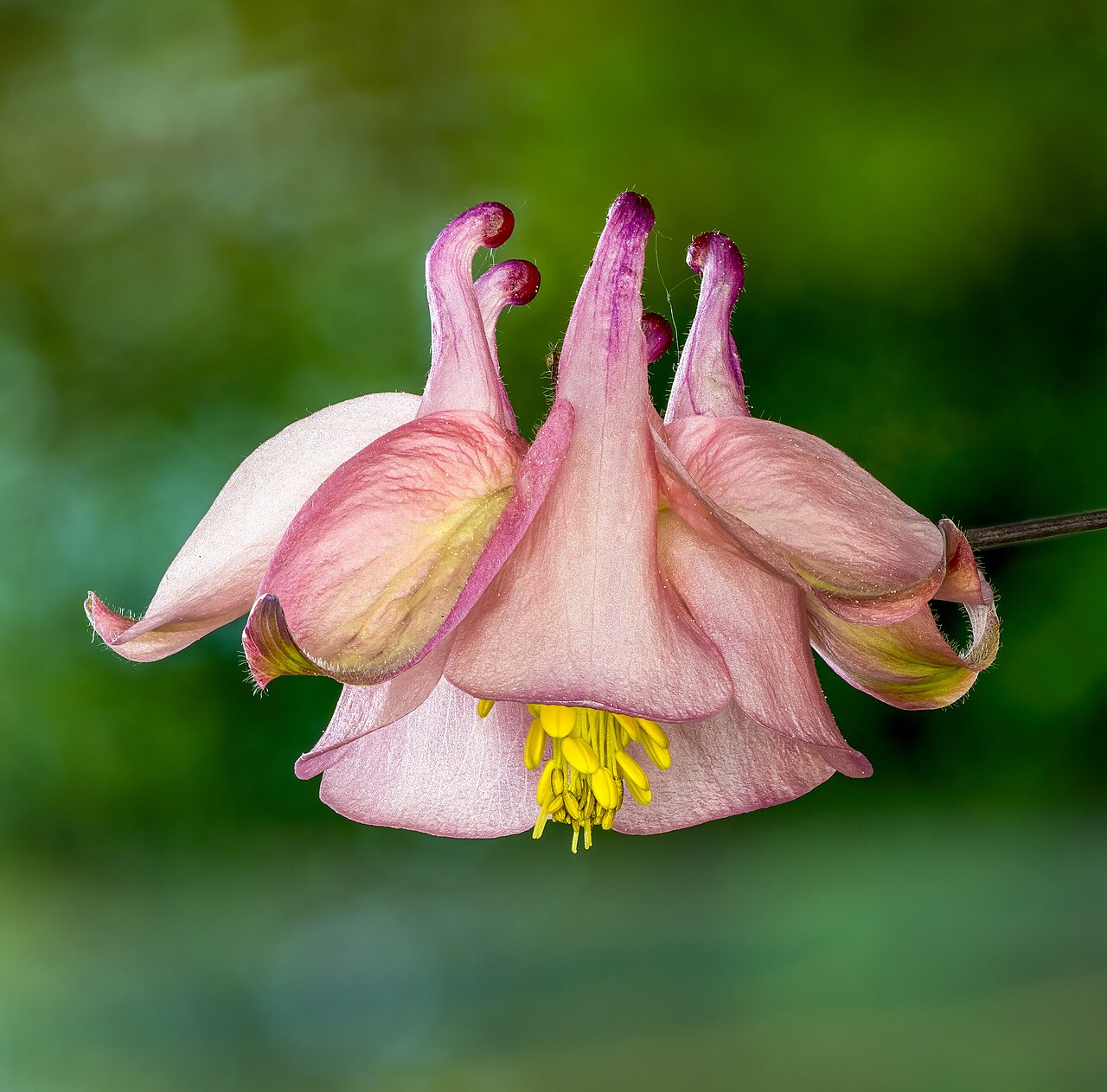
Nora Barlow is the columbine that looks like it wandered out of a Victorian flower painting: fully double, spurless flowers in soft pink and white, layered like tiny rosettes, on a plant 2 to 3 feet tall in late spring. It is a form of the European columbine, Aquilegia vulgaris, selected for its doubled petals and its missing spurs — the long nectar tubes that give most columbines their star shape — so the flower reads as a pom-pom rather than a star, and it is unmistakable in a spring border.
The trade-off is that doubled, spurless flowers are harder for hummingbirds and long-tongued bees to feed from, so Nora Barlow is more ornamental than ecological — plant it for beauty, and plant a spurred columbine nearby for pollinators. It also self-seeds, and seedlings of a double form often revert to single flowers, so deadhead if you want to keep the planting pure, or welcome the mix. Give it part shade, rich well-drained soil, and it will return for years.
If you are new to choosing between cultivars, the Varieties Matter guide explains why the name after the plant matters as much as the plant itself. Nora Barlow is a perfect example: it is not just a columbine in the abstract, it is a columbine with a specific job, a specific history, and specific strengths.
Florida honesty: columbine is a North Florida trial, not a statewide perennial — it wants cool springs, part shade, and a winter rest. In North Florida, plant Nora Barlow in part shade with afternoon protection, in rich soil that stays moist but drains, and enjoy a late-spring show. In Central and South Florida, treat it as a cool-season annual and do not expect it to survive summer.
How to grow
Plant in spring or fall in rich, well-drained soil in part shade — columbine is a woodland-edge plant that wants leaf-mold soil, consistent moisture, and protection from hot afternoon sun. Work worm castings and compost into the bed at planting, mulch lightly, and give it room to self-sow, because a columbine drift forms from seedlings as much as from the original plants. Do not plant it in hot sun or wet soil and expect it to thrive.
Set plants 12-18 inches apart in soil with a pH around 6.0-7.0. Work worm castings into the bed at planting and mulch to hold moisture. A well-fed columbine plant rewards that care directly: steadier growth, better bloom, and a show that actually shows up.
Water & feeding
Keep soil evenly moist but never waterlogged — columbine wants woodland moisture, not swamp and not drought. Water at the soil line, mulch lightly, and feed lightly: castings and compost at planting plus a spring top-dress. After bloom, reduce watering slightly but do not let the bed dry to dust, or next year’s return will be thinner.
Common problems
- Leaf miners scribbling on foliage — cosmetic tunnels in leaves; remove affected leaves, do not spray, and the plant will outgrow it.
- Powdery mildew in humid, crowded plantings — space for air, water at the soil line, and remove affected leaves.
- Short life — columbines are short-lived perennials; let them self-sow for replacements and replant without mourning.
- Seedling variability — seedlings of fancy forms often revert; deadhead for purity, or welcome the surprise mix.
- Failure in hot climates — heat shortens columbine life; in warm zones, treat it as a cool-season trial in part shade.
Harvest
Cut a few stems for spring bouquets, when flowers are fully open — columbine lasts a few days in water and its spurred flowers suit delicate, woodland-style arrangements. Do not cut heavily: the plant needs its foliage to feed next year’s bloom. Deadhead if you want to prevent seeding, or let it seed for a naturalized drift, and divide congested clumps in spring or fall every few years.
Browse all plant & pest guides
Saving seeds
Nora Barlow is the columbine that looks like it wandered out of a Victorian flower painting: fully double, spurless flowers in soft pink and white, layered like tiny rosettes, on a plant 2 to 3 feet tall in late spring. It is a form of the European columbine, Aquilegia vulgaris, selected for its doubled petals and its missing spurs — the long nectar tubes that give most columbines their star shape — so the flower reads as a pom-pom rather than a star. As a named double form it is kept true by division, not by seed: it self-seeds, and seedlings of a double form often revert to single flowers, so deadhead if you want to keep the planting pure, or welcome the mix. Plant in spring or fall in rich, well-drained soil in part shade, and give it room to self-sow, because a columbine drift forms from seedlings as much as from the original plants. The full method is in the Saving seeds section of the Columbine guide.