
🌺 Nora Grant Ixora
What it looks like
Why this variety
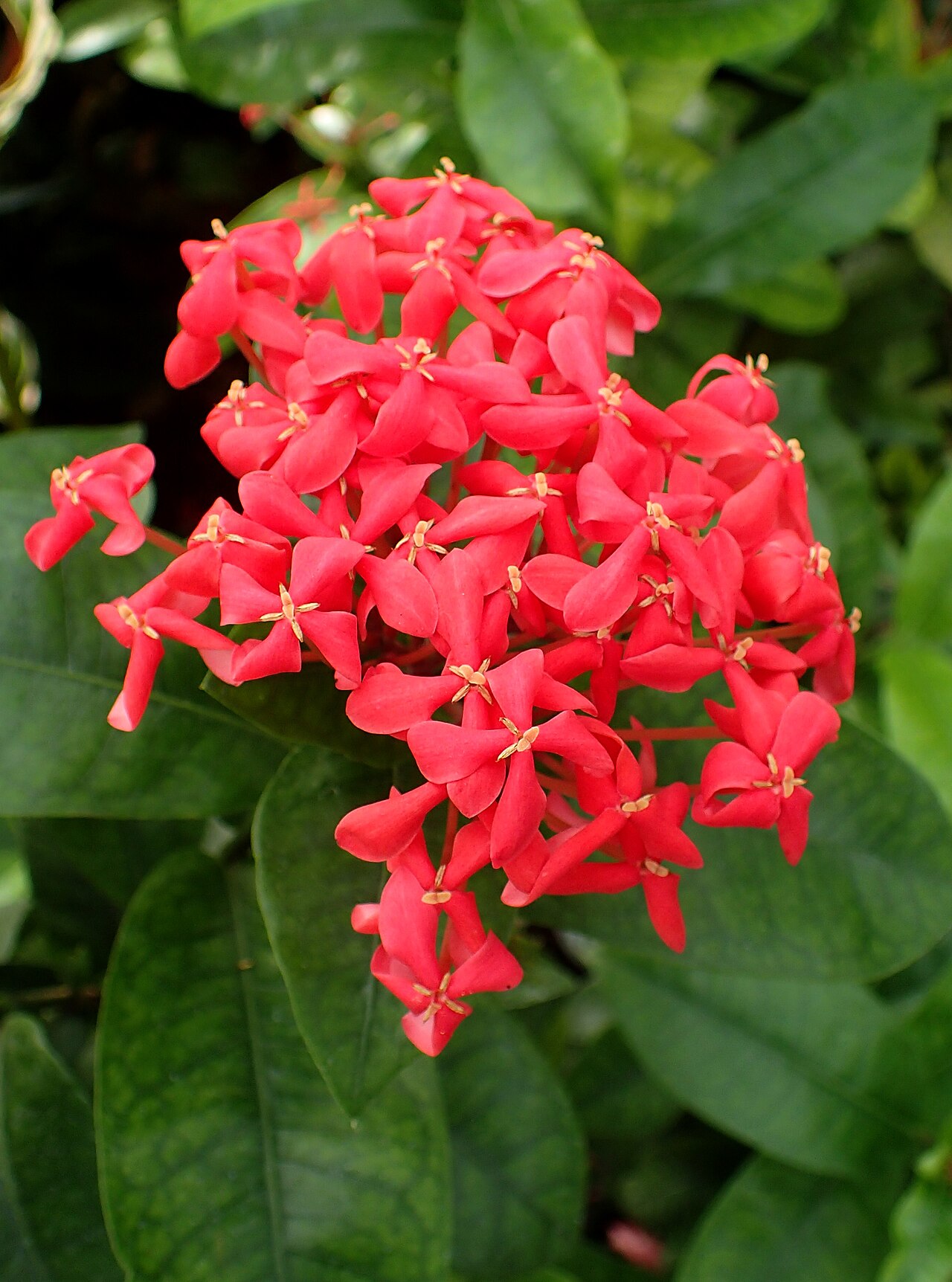
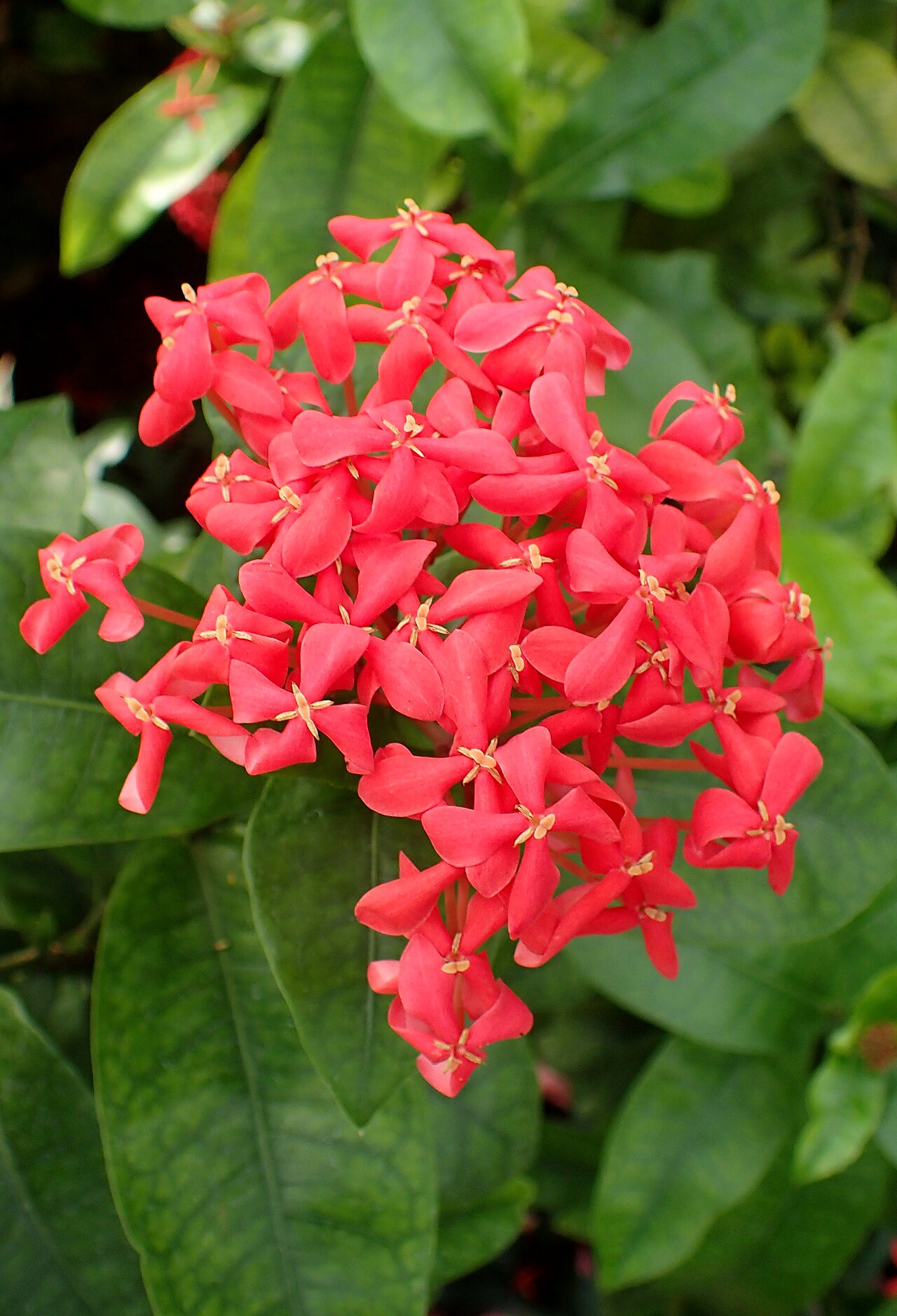
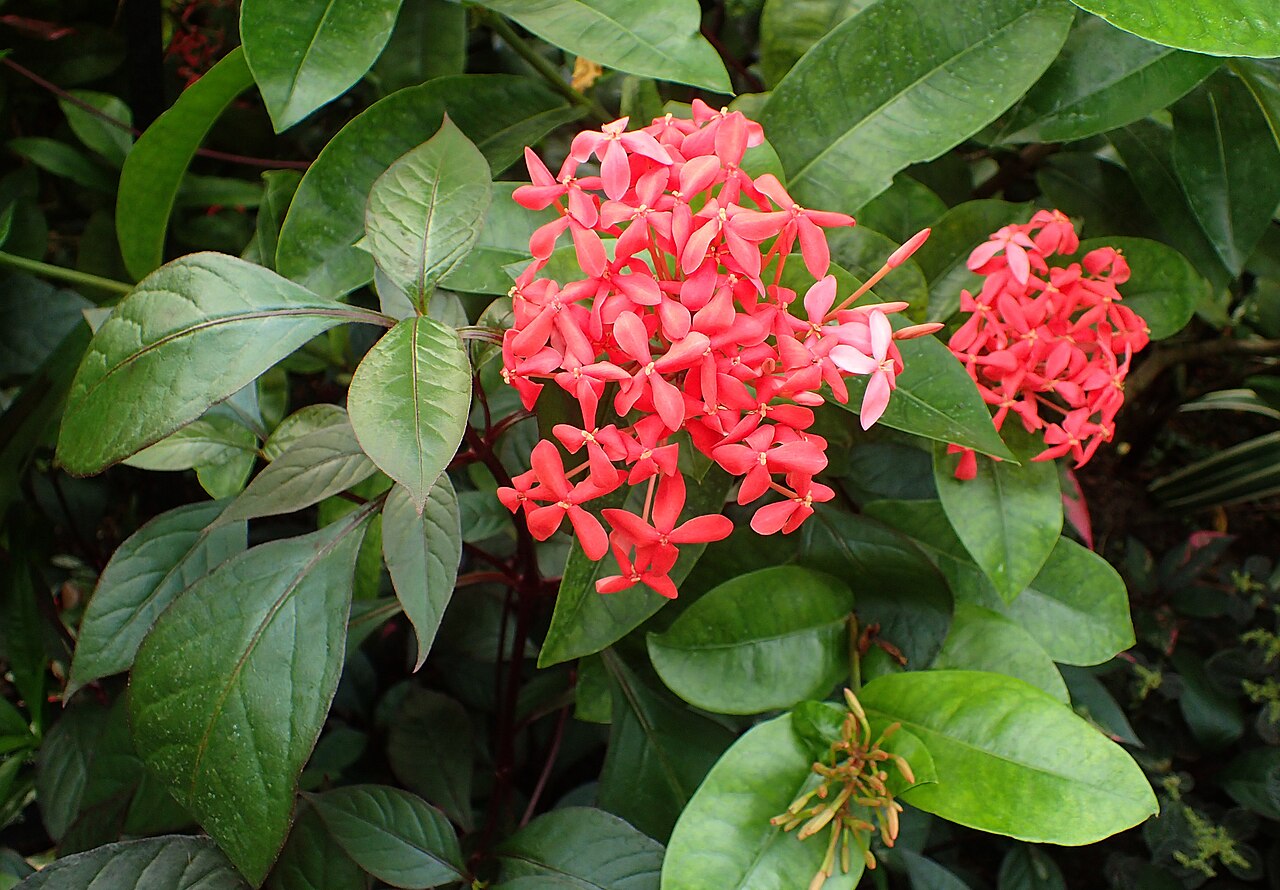
Nora Grant is ixora in pink: dense round clusters of soft pink flowers, nearly year-round in a warm garden, over glossy dark green leaves, in a compact shrub 4–5 feet tall and wide. It is the ixora for gardeners who want the tropical flower show without the red — a plant that looks like a celebration and behaves like a shrub, provided the soil is right. And the soil is the whole story: ixora in alkaline soil turns yellow with iron chlorosis no matter how much you water, so acid soil, compost and pine-bark mulch are not suggestions, they are the price of admission.
In Florida, Nora Grant belongs in the central and southern peninsula, in full sun to part shade, in rich, well-drained, acidic soil. In north Florida, grow it in a pot and bring it in before a freeze — ixora has no frost tolerance to speak of, and one hard freeze settles the argument.
How to grow
Ixora is an evergreen tropical shrub with glossy leaves and dense round clusters of red, orange, yellow, pink or white flowers that bloom nearly year-round in warm climates — if you give it acid soil and stop apologising for the tropics. Plant in spring in full sun to part shade in rich, well-drained, acidic soil, and water deeply for the first season. In Florida, the acid soil is the whole game: ixora in alkaline soil turns yellow with iron chlorosis no matter how much you water, so amend with compost and pine bark, mulch with pine needles, and keep it away from concrete and limestone that leach alkalinity. In north Florida, grow it in a pot and bring it in before a freeze.
Water & feeding
Water deeply and consistently; ixora likes steady moisture and sulks in drought, but hates soggy ground. Feed regularly through the growing season with an acid-loving fertiliser, and watch leaf colour: yellowing between green veins means the soil is too alkaline or iron is locked out, not that the plant is hungry in general. A chelated iron treatment helps, but fixing the pH helps longer.
Common problems
Iron chlorosis from alkaline soil is problem number one, followed by scale and mealybugs on stressed plants, and cold damage in any freeze — ixora has no frost tolerance to speak of. Aphids may cluster on new growth. The honest summary: give it acid soil, sun and frost protection, and it flowers like it is showing off; deny it any one of those, and it tells you promptly.
Harvest
The harvest is cut flowers and near-constant bloom: snip clusters for arrangements and the plant branches and reblooms. Deadhead spent clusters to keep it tidy, feed through the growing season with an acid-loving fertiliser, and watch leaf colour — yellowing between green veins means the pH has drifted up, and fixing the pH helps longer than any iron spray.
Nerdy fact: Ixora’s flower clusters are called cymes — flat-topped or rounded arrangements where the outer flowers open first — and a single cluster can hold dozens of tiny four-petalled flowers, each one a miniature star, which is why the whole cluster reads as one big bloom from a distance.
Saving seeds
Nora Grant is ixora in pink: dense round clusters of soft pink flowers, nearly year-round in a warm garden, over glossy dark green leaves, in a compact shrub 4 to 5 feet tall and wide. It is the ixora for gardeners who want the tropical flower show without the red — a plant that looks like a celebration and behaves like a shrub, provided the soil is right. As a named ixora cultivar it is kept true by cuttings, not by seed — seedlings would not hold the soft pink flowers. Plant in spring in full sun to part shade in rich, well-drained, acidic soil, and water deeply for the first season; in north Florida, grow it in a pot and bring it in before a freeze. The full method is in the Propagation section of the Ixora guide.