
🌿 Noreaster Cottonwood
What it looks like
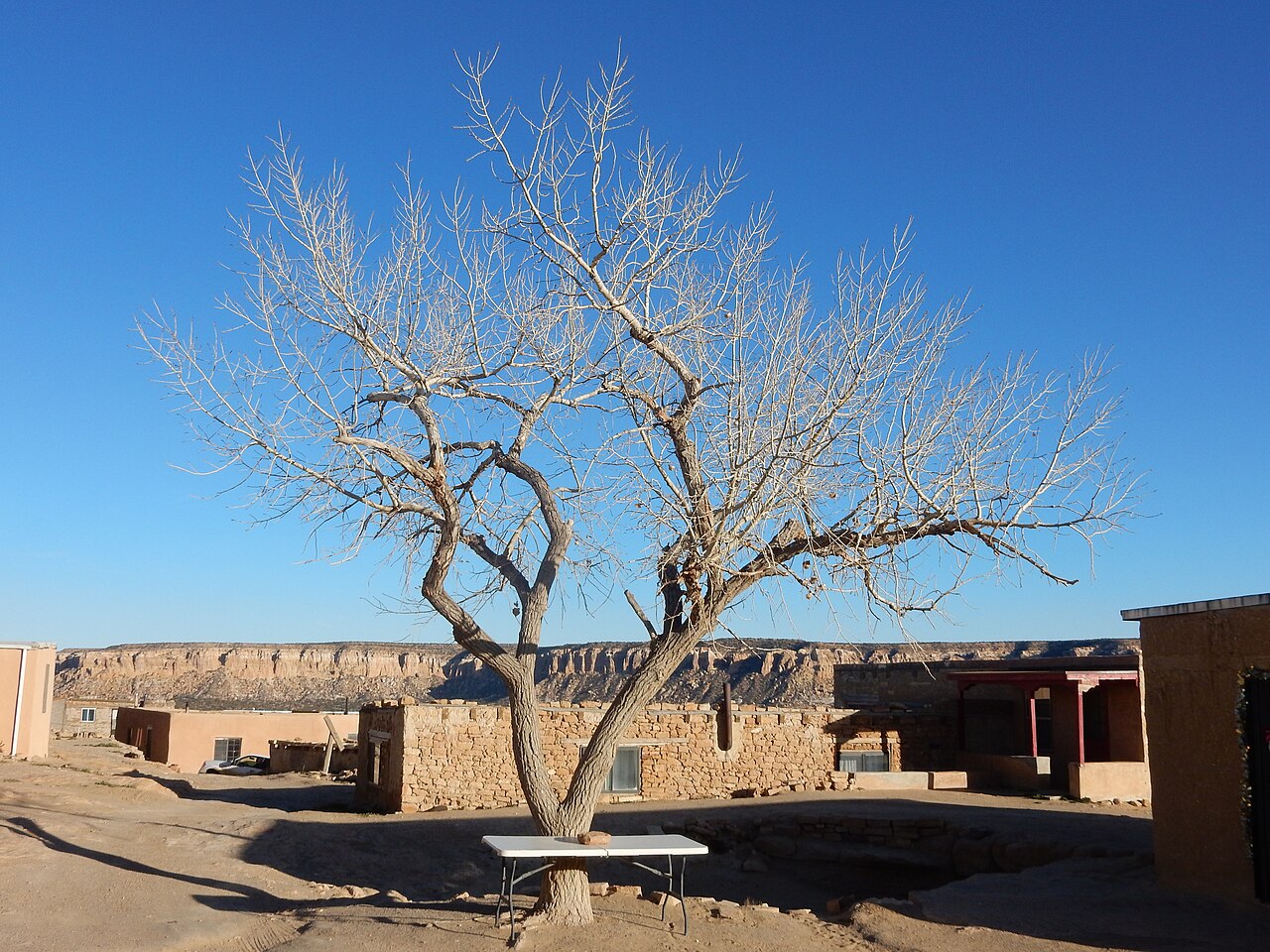
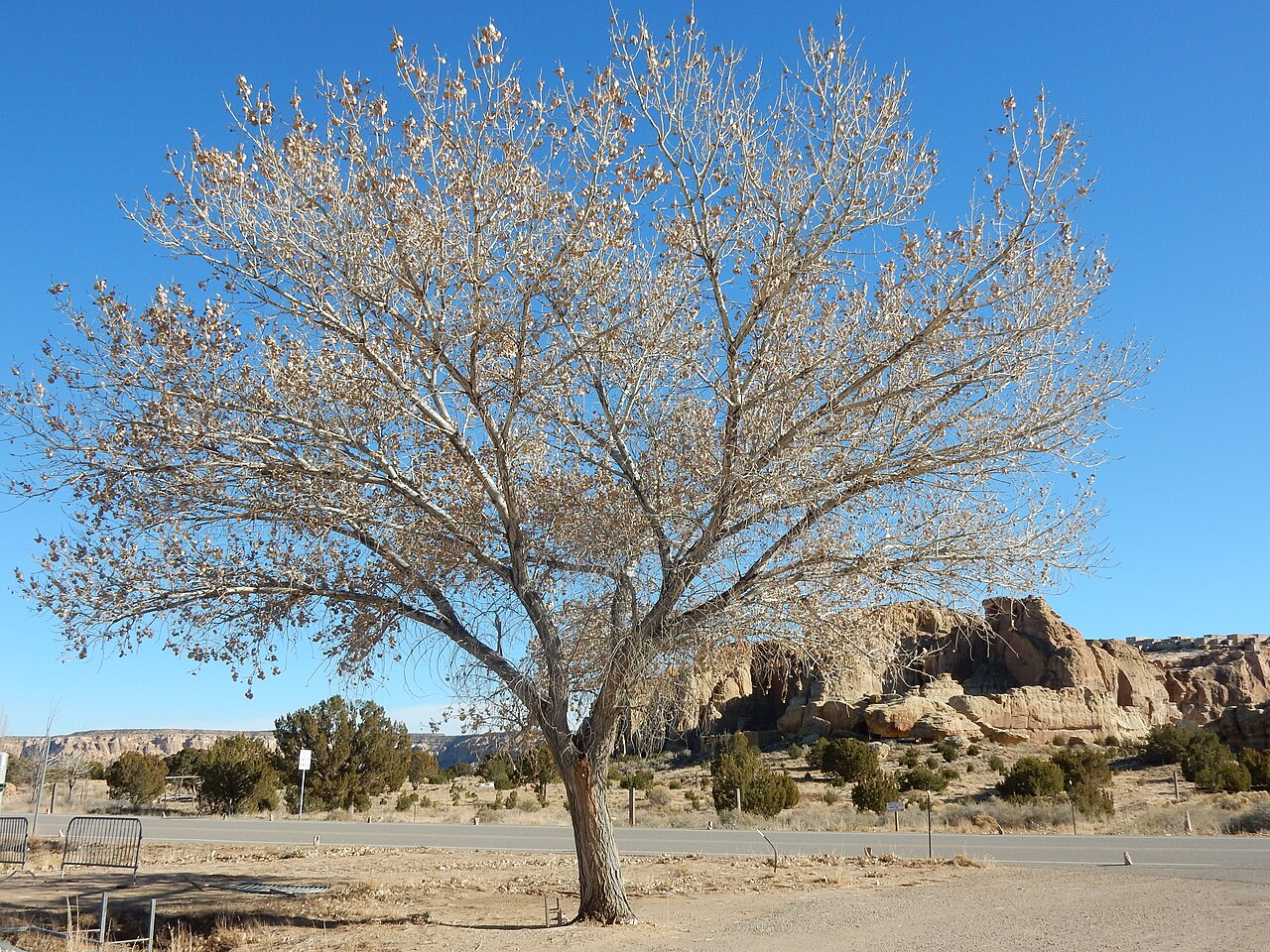
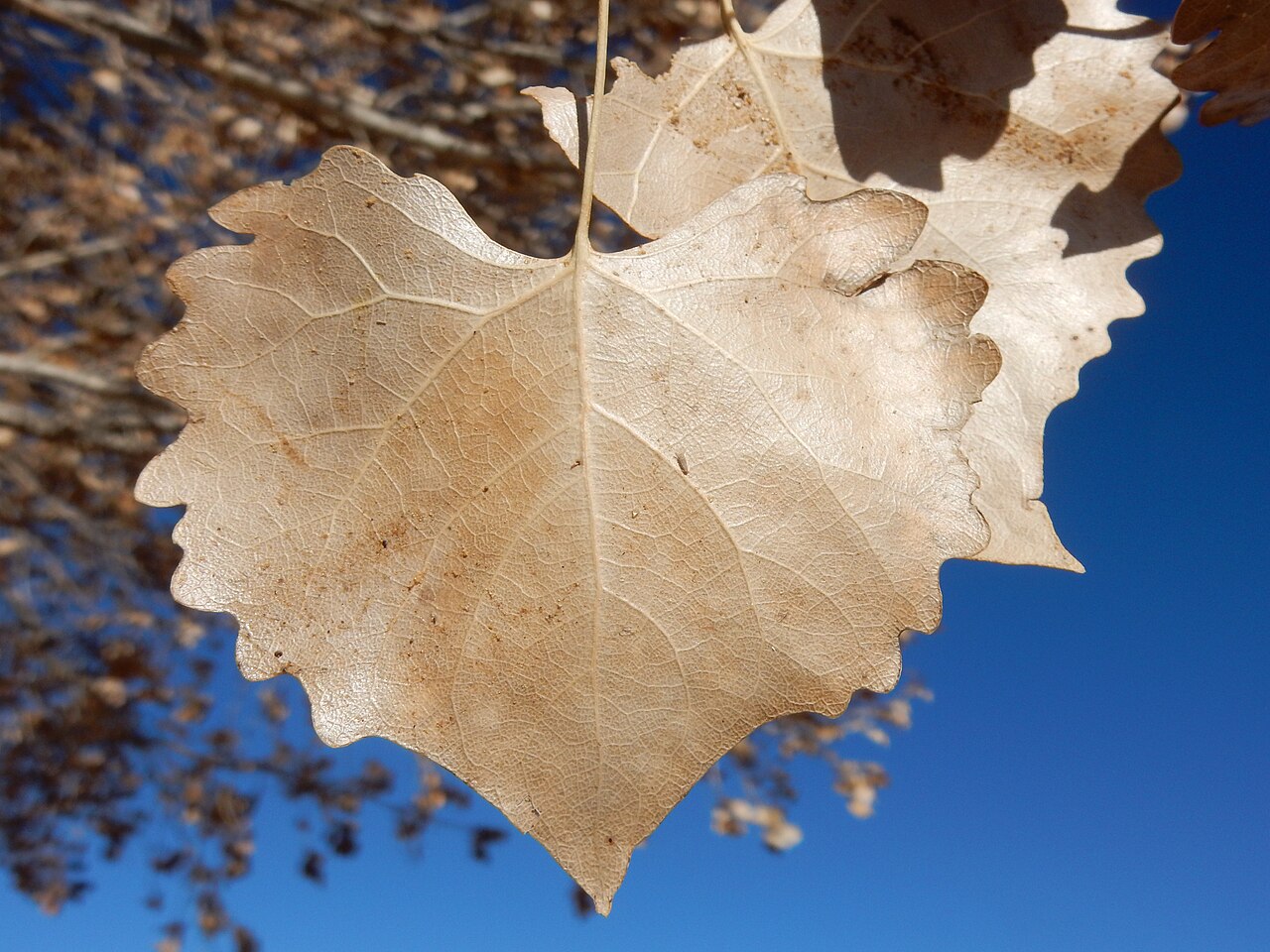
Noreaster — also written Nor’easter, after the storm — is a deciduous, oval-shaped hybrid poplar that grows to about 70 feet tall and 45 feet wide, according to the Chicago Botanic Garden. The leaves are heart-shaped and turn yellow in fall, and the habit stays tidier and more oval than the broad, irregular vase of many cottonwoods, which is part of why it shows up in urban plantings where a species cottonwood would be too wild.
It is a hybrid black poplar, a cross of the European black poplar and the North American eastern cottonwood, and it inherits the hybrid vigor both parents are known for: very fast growth, a straight-ish trunk, and a willingness to grow where fussier trees sulk.
Why this variety
Plant Noreaster when you need a tough, fast shade tree for a hard site. The Chicago Botanic Garden notes it can survive about 60 years and is extremely adaptable, tolerating disease, wind damage, drought, and urban pollution — a rare combination, and the reason it earns its storm name honestly. For a windbreak, a street tree on a wide verge, or shade over a big yard, that toughness is the whole sales pitch.
The same cautions as every poplar apply: weak wood relative to oaks and maples, thirsty roots, and a mature size that belongs on acreage or wide public ground, not jammed against a house. Fast and tough is not the same as small and polite.
How to grow
Plant in spring or fall in full sun and any reasonable soil that is not constantly waterlogged; Noreaster tolerates drought better than most poplars once established, but it still grows fastest with steady moisture. Set it 45–60 feet from buildings, drains, and septic systems, mulch wide, and water deeply through the first two seasons.
Prune young trees to a strong central leader and good branch spacing, then prune mainly for dead or crossing wood. As with all poplars, never top the tree: topping creates weak regrowth that fails exactly when a storm tests it.
Water & feeding
Water deeply while establishing; after that, Noreaster handles dry spells better than the species cottonwood, though it will still reward a deep soak in a long drought with faster growth and less branch shedding. Mulch helps more than fertilizer here — poplars want consistent moisture at the roots, not a feast-and-famine cycle.
Feed lightly if at all. Compost or castings at the drip line in spring is plenty for a tree that already grows fast; heavy nitrogen on a poplar is how you get long, weak shoots.
Common problems
- Weak wood and storm breakage — less than species cottonwood, still more than an oak. Site it where limbs can fall safely.
- Thirsty, far-reaching roots — keep the setback from drains, foundations, and septic fields.
- Leaf rust and canker in wet, crowded plantings — space for airflow and remove affected wood.
- Short lifespan for a shade tree (around 60 years) — plan succession planting rather than treating it as a forever tree.
Harvest
There is no food harvest; the harvest is fast shade, wind protection, and a yellow fall show. Poplar catkins are an early-season resource for pollinators, and the canopy is a nesting and perching tree for birds.
As a hybrid poplar it also has a working life in windbreaks and biomass plantings, where fast growth and easy propagation from cuttings matter more than the fine cabinet timber it will never be.
See also: Cottonwood: Growing Guide