
🥬 Osaka Purple Mustard
What it looks like
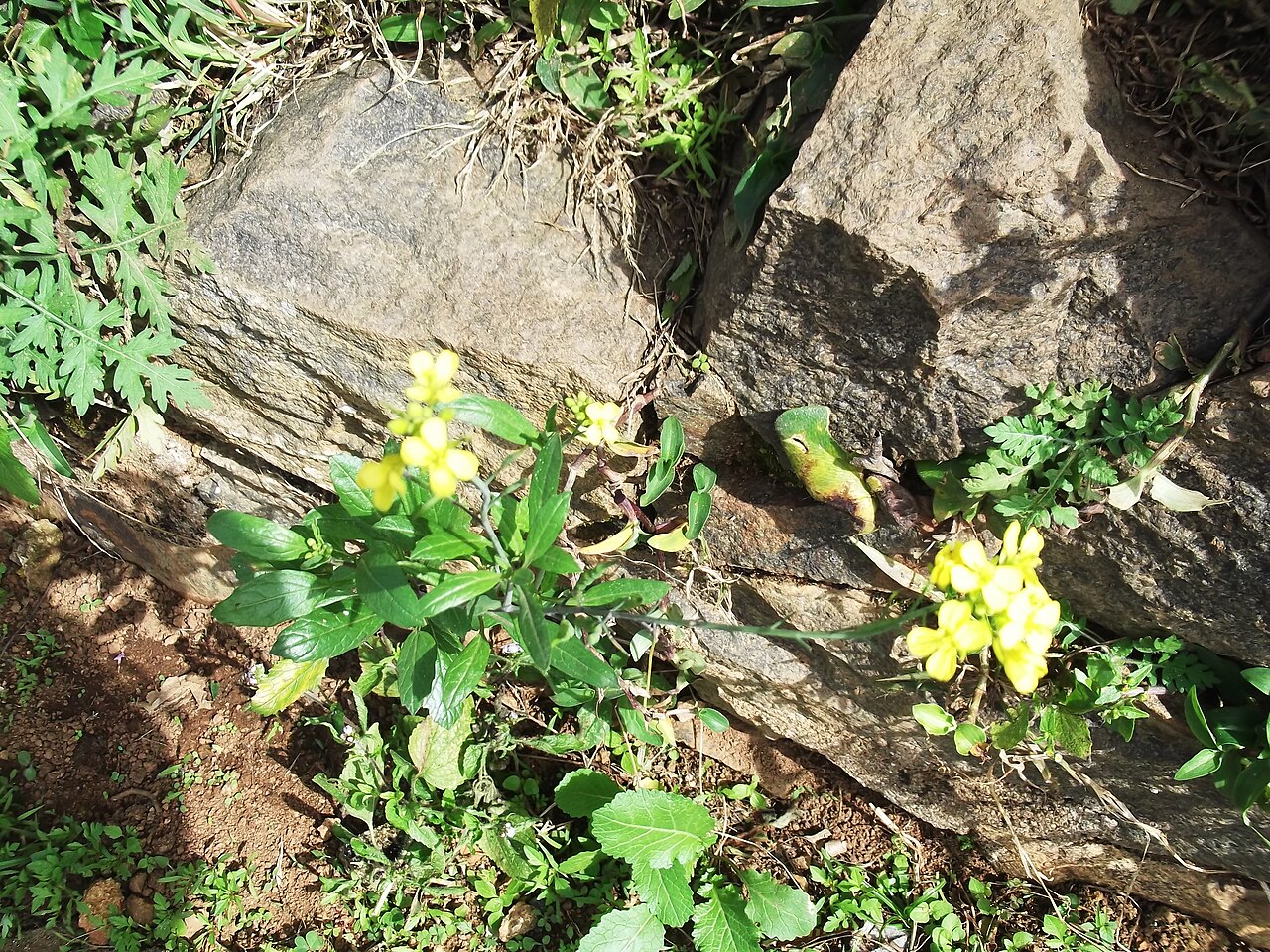
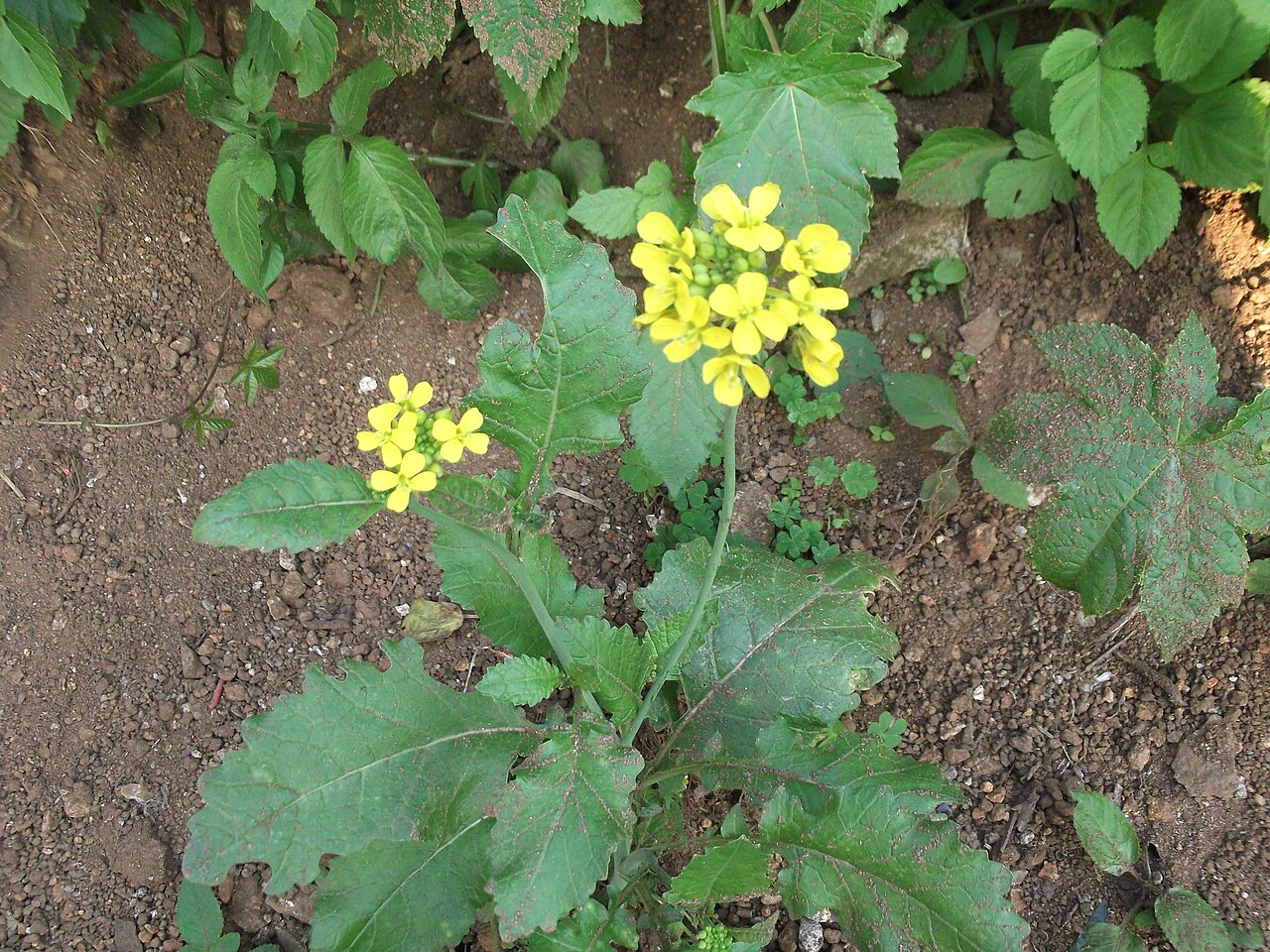
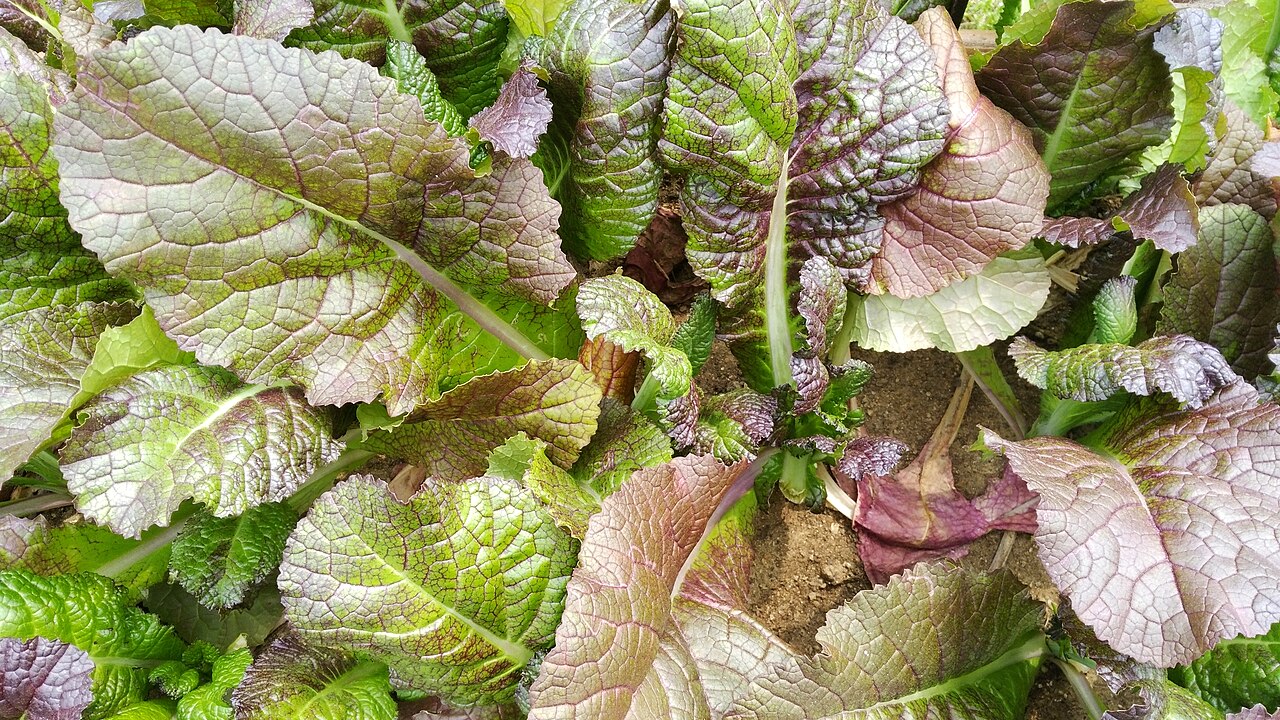
Photos show the species (Brassica juncea), since no cultivar-specific photo verified for this variety — the species photos above are already hosted on this site and attributed as on the species guide.
Why this variety
Osaka Purple is the mustard green that makes the bed look like art before it ever reaches the kitchen. A traditional Japanese heirloom from the Osaka region, it grows broad leaves flushed reddish-purple on top with green undersides, tender enough to eat young and spicy enough to matter when mature. The flavor is mustard’s clean, sharp bite without the throat-burning heat of some Southern types — a kick, not a punch.
In a Florida cool-season bed, Osaka Purple earns its space twice: as a baby green at three weeks, when the purple leaves turn a plain salad into something worth photographing, and as a full-size cooking green at six weeks, when the leaves are still tender and the color holds up in the pan better than most purple greens manage.
How to grow
Sow Osaka Purple in fall through early spring in Florida, direct-sown 1/4 inch deep. For baby leaf, sow thickly and cut young; for full-size plants, thin to about 12 inches apart. Plants reach roughly a foot tall at maturity, so they fit raised beds, containers, and the front of a taller brassica row without complaint.
Like all mustards, it wants fertile, moisture-holding soil — compost and castings worked in before sowing, pH in the hero range. Purple color deepens in cool weather and with good light; shade-grown or starved plants go greenish and dull, which is the plant telling you it wants more sun and more food.
Water & feeding
Keep soil evenly moist; drought stress makes mustard hotter and tougher, and purple leaves show stress as dull color and limp texture. Water at the base in the morning, mulch between rows, and never let a baby-leaf bed dry out — shallow roots in sand dry out fast.
Feed modestly every couple of weeks with compost tea or balanced organic feed. Osaka Purple does not need heavy feeding, but it does need steady feeding — a starved mustard is a bitter mustard.
Common problems
- Flea beetles — shot-holes on young leaves; row cover from sowing is the best defense.
- Aphids — especially on tender new growth; rinse, encourage predators, keep plants vigorous.
- Bolting in warm weather — cut promptly and succession-sow; purple types bolt a little faster than green ones in heat.
- Color fading — usually too much shade or too little fertility; give it sun and a side-dress.
Harvest
Cut baby greens at 21 days, or outer leaves from 40–50 days. The purple pigment is anthocyanin — the same antioxidant family that colors blueberries — and it fades somewhat with long cooking, so add Osaka Purple late to stir-fries and wilts if you want the color to survive to the plate.
Use fresh within a few days; mustard leaves wilt fast in the fridge. A quick wilt with garlic and a splash of vinegar is the classic treatment, and the leaves also pickle beautifully.
Browse all plant & pest guides
Saving seeds
Osaka Purple is the mustard green that makes the bed look like art before it ever reaches the kitchen. A traditional Japanese heirloom from the Osaka region, it grows broad leaves flushed reddish-purple on top with green undersides, tender enough to eat young and spicy enough to matter when mature. The flavor is mustard’s clean, sharp bite without the throat-burning heat of some Southern types — a kick, not a punch. As an open-pollinated heirloom it comes true from seed: sow in fall through early spring in Florida, direct-sown a quarter inch deep — for baby leaf, sow thickly and cut young; for full-size plants, thin to about 12 inches apart. The full method is in the Saving seeds section of the Mustard Greens guide.