
🫐 Pacific Rose Salmonberry
What it looks like
Why this variety
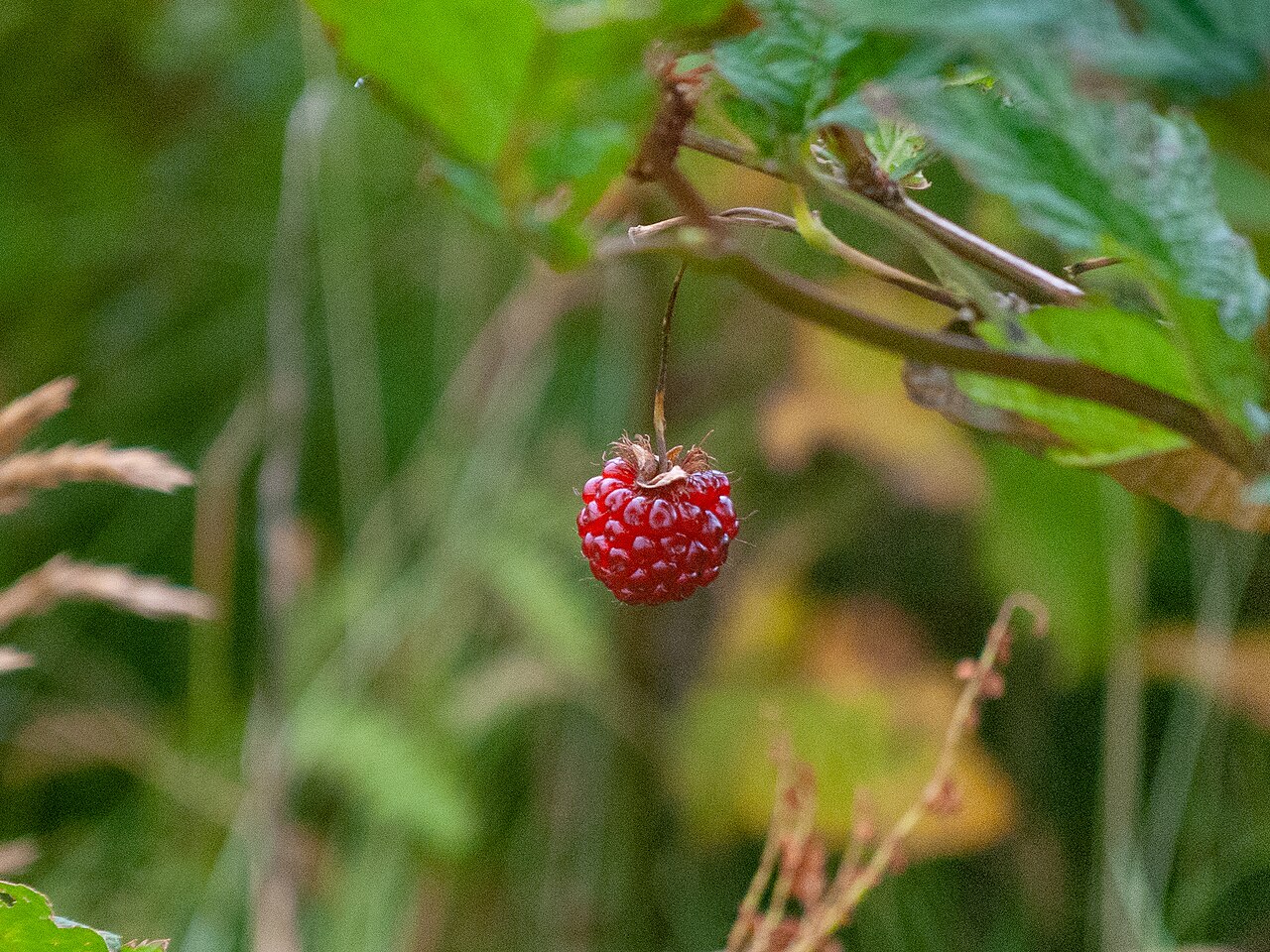
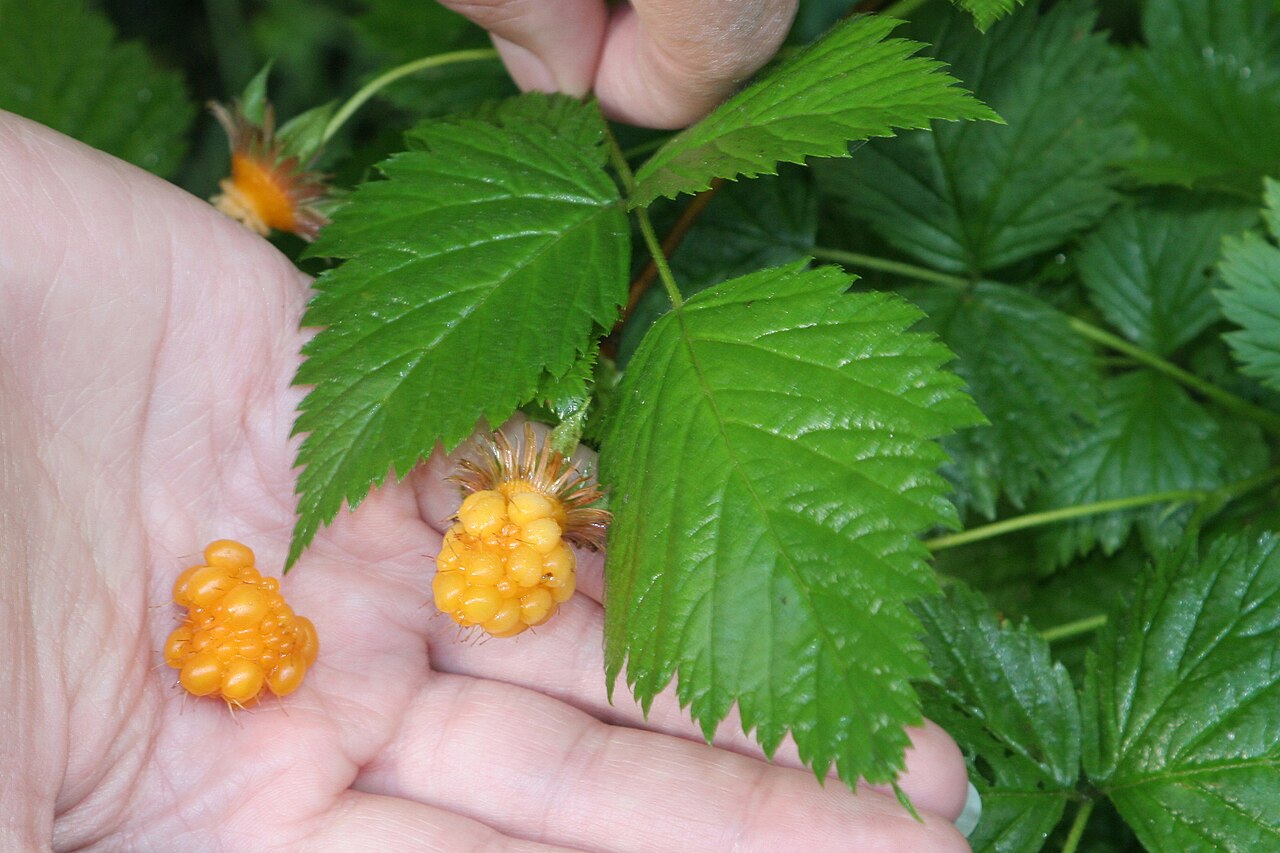
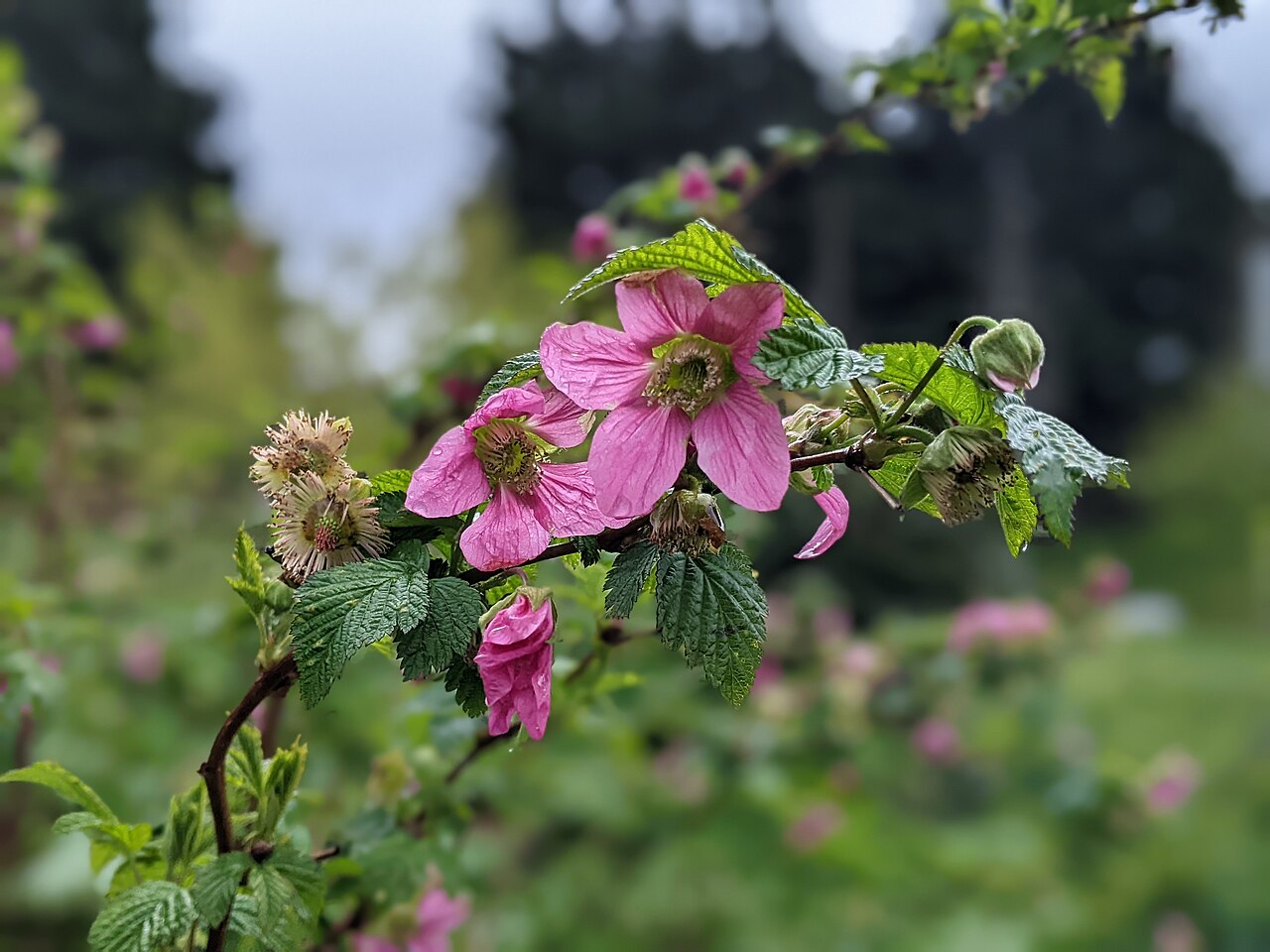
Pacific Rose is the salmonberry for gardeners who want to actually pick the fruit: a European nursery selection, closer to the wild salmonberry in appearance than Olympic Double, with single pink flowers that pollinate freely and sweet yellow-orange to bright red fruit, ripening from early summer, on a shrub that is notably free of sharp spines — a joy to plant, prune, and pick, unlike most brambles. Where Olympic Double trades fruit for flowers, Pacific Rose trades show for harvest: single flowers mean full pollination, full pollination means a real crop, and thornless canes mean you will actually go out and pick it. If you want salmonberry as a fruit, Pacific Rose is the one to plant.
The trade-off is thicket habit and climate, both real: Pacific Rose suckers and spreads by root and shoot runners, so give it room or a contained bed, prune old canes after fruiting, and edit suckers in spring. It wants moist, humus-rich soil and steady water, and it wants cool summers more than Florida offers. Give it light shade, mulch, and water through dry spells, and it will fruit in early summer and sucker politely if you edit it. Plant it where you can reach the fruit without wading into a thicket, and Pacific Rose will be the bramble you actually eat from.
If you are new to choosing between cultivars, the Varieties Matter guide explains why the name after the plant matters as much as the plant itself. Pacific Rose is a perfect example: it is not just a salmonberry in the abstract, it is a salmonberry with a specific job, a specific history, and specific strengths.
Florida honesty: salmonberry is a North Florida trial only, and Pacific Rose is no easier than its double cousin — heat and drought thin its fruit and shorten its patience. In North Florida, try it in light shade with moist, humus-rich soil and steady water, in the coolest spot you have. South of North Florida, do not bother; plant a heat-proof bramble like blackberry instead. Pacific Rose is a trial, not a promise, and this guide states that plainly.
How to grow
Plant nursery stock in spring or fall, in full sun to light shade and moist, humus-rich, well-drained soil — salmonberry wants moisture, humus, and room, and it punishes drought and deep shade with thin fruit. Work worm castings and compost into a wide planting hole, space 4 to 5 feet apart, mulch thickly, and give it a contained bed or room to thicket, because salmonberry suckers and spreads. Water deeply at planting, prune out old canes after fruiting, and do not plant it in a hot, dry, sunny bed.
Set plants 4-5 feet apart in soil with a pH around 5.5-6.5. Work worm castings into the bed at planting and mulch to hold moisture. A well-fed salmonberry plant rewards that care directly: steadier growth, better bloom, and a show that actually shows up.
Water & feeding
Keep soil consistently moist but never waterlogged — salmonberry wants damp, woodland soil, like a forest edge, and it drops flowers and fruit in drought. Water at the soil line, mulch thickly to hold moisture, and feed lightly: castings and compost in spring is usually enough. In a dry spell, water deeply, and do not let a young shrub bake dry; in a wet spell, drainage is the care program, because crown rot in stagnant water kills brambles outright.
Common problems
- Thicket habit — salmonberry suckers and spreads; edit suckers in spring, prune old canes after fruiting, or give it a contained bed.
- Drought stress — flower and fruit drop mean the soil dried; water deeply, mulch thickly, and give it light shade in warm climates.
- Poor fruit set on double flowers — double-flowered types fertilize poorly and fruit lightly; plant single-flowered types for a real harvest.
- Cane borers and bramble pests on stressed plants — prune out affected canes promptly and keep plants vigorous with water and mulch.
- Failure in hot summers — salmonberry wants cool, moist conditions; in warm climates, treat fruit as a trial, not a promise.
Harvest
Pick berries in early to midsummer, when they turn yellow-orange to red and pull easily from the receptacle — salmonberry berries are soft, sweet-tart, and raspberry-like, best eaten fresh, made into pies and preserves, or frozen for later use. Pick gently, because ripe berries crush easily, and pick often, because a thicket ripens unevenly. Prune out fruited canes after harvest, edit suckers, and leave some berries for birds, which spread salmonberry seed far and wide — a reminder to keep your thicket contained and your harvest shared.
Browse all plant & pest guides
Saving seeds
Pacific Rose is the salmonberry for gardeners who want to actually pick the fruit: a European nursery selection, closer to the wild salmonberry in appearance than Olympic Double, with single pink flowers that pollinate freely and sweet yellow-orange to bright red fruit, ripening from early summer, on a shrub that is notably free of sharp spines — a joy to plant, prune, and pick, unlike most brambles. As a named nursery selection it is kept true by cuttings or suckers, not by seed: plant nursery stock in spring or fall, in full sun to light shade and moist, humus-rich, well-drained soil, and give it a contained bed or room to thicket, because salmonberry suckers and spreads. The full method is in the Saving seeds section of the Salmonberry guide.