
🌿 Pink Minor Fuzzy Deutzia
What it looks like
Why this variety
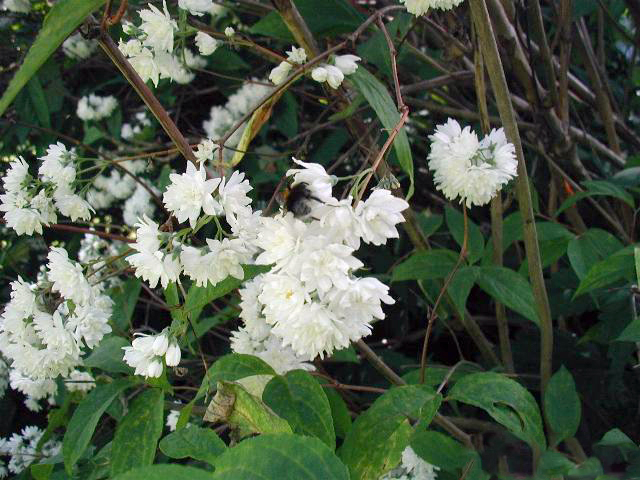
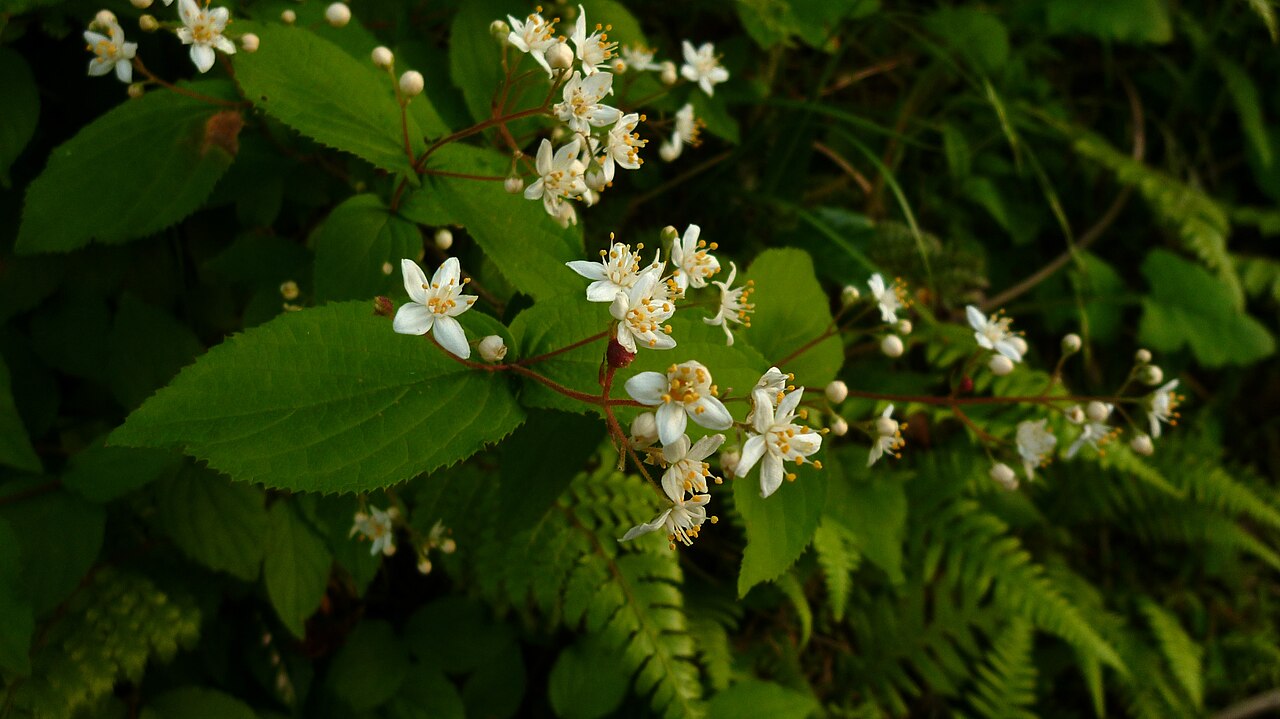
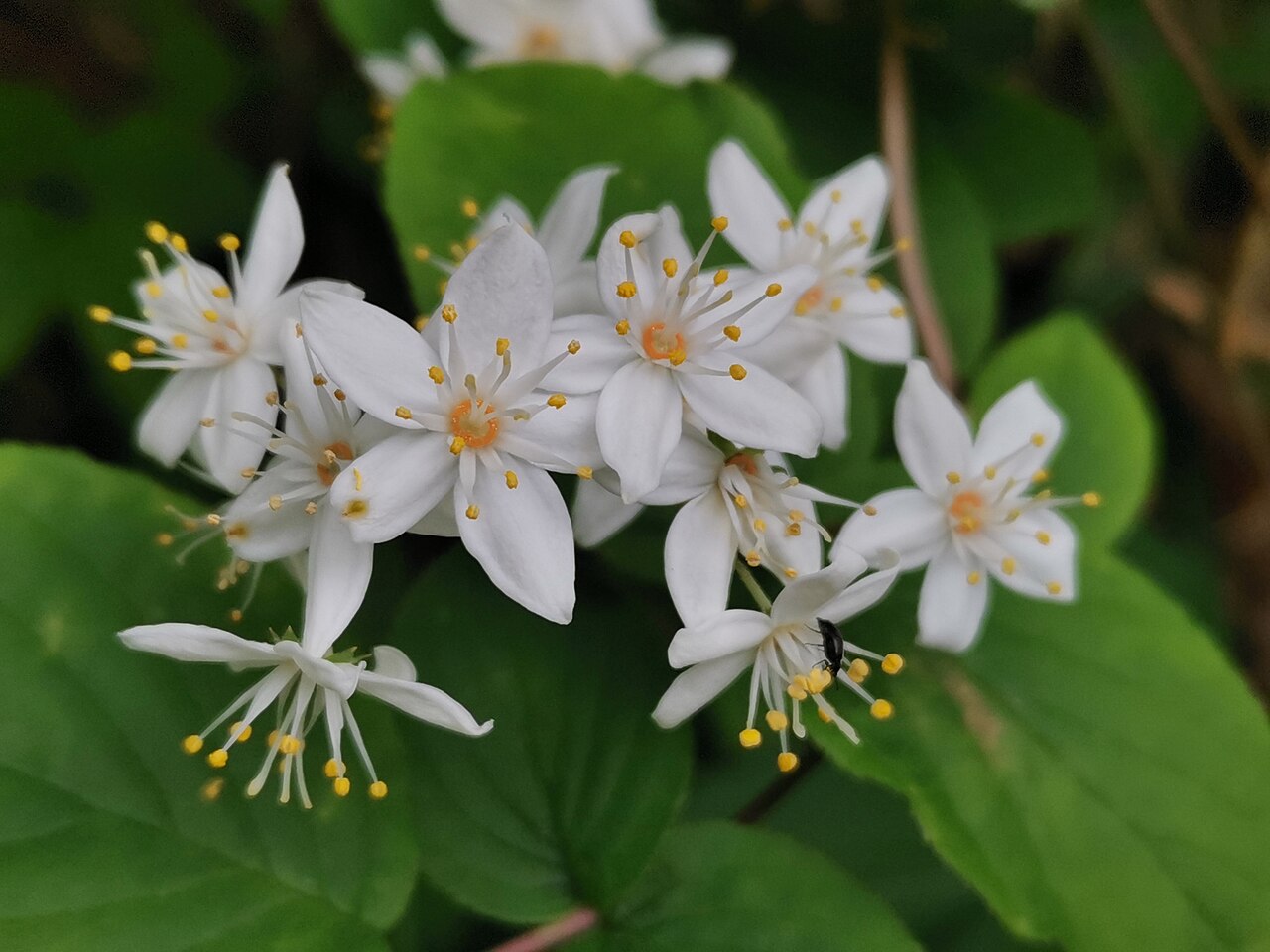
Pink Minor is the fuzzy deutzia for gardeners who love the family but do not have room for an 8-foot shrub. It is a dwarf form, growing to only about 3 feet tall, with pink flowers and the arching habit of its much larger relatives, scaled down to foundation-planting size. Where Candidissima needs a border back and Pride of Rochester needs a border, Pink Minor needs a front edge — and it fills that edge with the same froth of small star flowers in late spring.
Dwarf shrubs are often disappointing — smaller flowers, thinner bloom, a plant that looks like a shrub that gave up — but Pink Minor is not that. It blooms well, holds a tidy habit, and gives small gardens the fuzzy deutzia experience without the annual battle to keep a big shrub in bounds. If your garden is small, or your border front is empty, or you simply prefer shrubs you can prune without a ladder, Pink Minor is the fuzzy deutzia that was made for you.
If you are new to choosing between cultivars, the Varieties Matter guide explains why the name after the plant matters as much as the plant itself.
Florida honesty: Pink Minor is a zones 5–8 shrub, so north Florida only, with afternoon shade and steady moisture in summer heat. Its small size makes it easier to site well — a shaded foundation bed with good drainage is ideal — and easier to protect in a hot spell with mulch and water. Central and south Florida are too hot for a reliable plant; in north Florida it can be a charming small-border shrub.
How to grow
Plant in full sun to part shade in any good, well-drained garden soil, with compost worked in. Space about 3 feet apart for a low hedge effect, or singly as a border-front accent. Water during establishment and in dry spells. Prune just after flowering, since deutzia blooms on year-old wood; remove oldest stems at the base every few years to keep it vigorous. Its small size makes pruning a five-minute job, which is part of the appeal.
Water & feeding
Water during establishment and dry spells; established plants are fairly self-sufficient but bloom better with steady moisture. Mulch to hold moisture and keep roots cool. Feed lightly in spring with compost. Good drainage is essential, as with all deutzias.
Common problems
- Pruning at the wrong time — winter pruning removes spring bloom; prune only after flowering.
- Self-seeding — deadhead if volunteers are unwanted; never plant near natural areas.
- Brief bloom — a pink show for weeks, then a tidy green mound; pair with summer plants.
- Heat stress in hot summers — afternoon shade and mulch help in warm zones.
- Small size means less impact from a distance — plant it where it can be seen up close.
Pruning & garden use
Use Pink Minor as a border-front shrub, a low hedge, a foundation plant, or a container shrub — anywhere a 3-foot flowering shrub is the right scale. It pairs well with spring bulbs, small perennials, and white or golden deutzias. Prune right after flowering only, and enjoy a deutzia that never needs a ladder, never swallows a path, and never makes you regret planting it. Small, in this case, is not a compromise — it is the feature.
Back to the Fuzzy Deutzia guide
Browse all plant & pest guides
Saving seeds
Pink Minor is the fuzzy deutzia for gardeners who love the family but do not have room for an 8-foot shrub. It is a dwarf form, growing to only about 3 feet tall, with pink flowers and the arching habit of its much larger relatives, scaled down to foundation-planting size. Where Candidissima needs a border back and Pride of Rochester needs a border, Pink Minor needs a front edge — and it fills that edge with the same froth of small star flowers in late spring. As a named dwarf deutzia it is kept true by cuttings, not by seed — seedlings would not hold the dwarf size or the pink flowers. Plant in full sun to part shade in any good, well-drained garden soil, with compost worked in, and prune just after flowering, since deutzia blooms on year-old wood. The full method is in the Saving seeds section of the Fuzzy Deutzia guide.