
🌧️ Pink Rain Lily
What it looks like

Why this variety
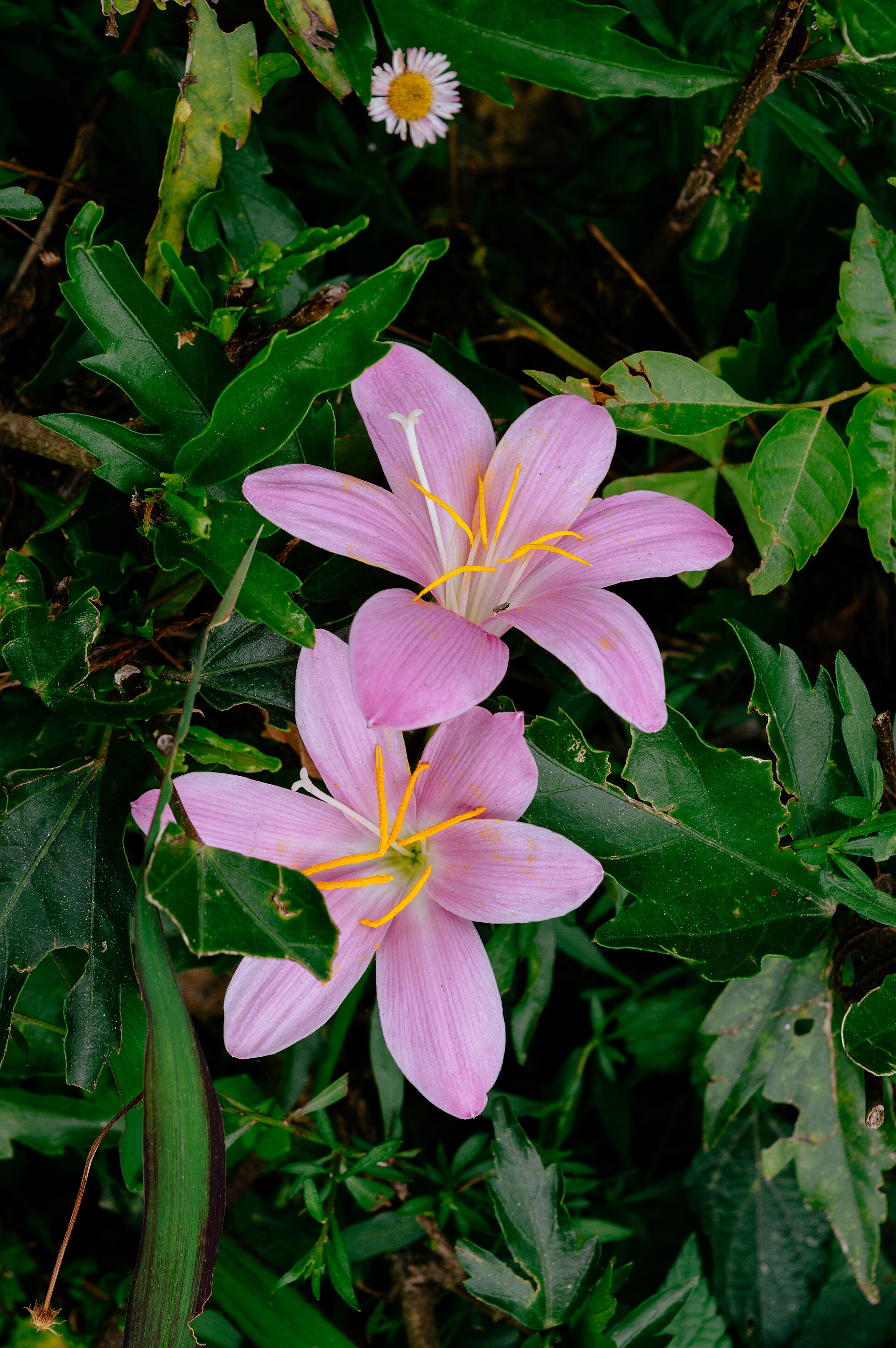
Pink Rain Lily is the one visitors notice first. Its flowers are larger than the white rain lily’s — broad, rose-pink trumpets that open flat and glow against the grass-like leaves — and they arrive in the same magical way: seemingly overnight, a few days after rain. If white rain lily is a quiet surprise, pink rain lily is a celebration, and a clump in full flush is hard to walk past without stopping.
A note on the name, because it matters: this plant is sold under two names, Zephyranthes carinata and Zephyranthes grandiflora, for what gardeners treat as the same pink rain lily. Buy by flower color and bulb, not by which Latin name the tag carries, and you will get the right plant. If you are new to choosing between cultivars, the Varieties Matter guide explains why the name after the plant matters as much as the plant itself.
Florida honesty: Pink Rain Lily grows well across Florida in sun to part shade with drainage, and its late-summer flushes fit the Florida rainy season beautifully. Plant it in clumps near paths and porches, where the overnight surprise is actually seen.
How to grow
Plant rain lily bulbs in fall or spring, about two to three inches deep, in clumps of a dozen or more — a single bulb is a curiosity, a clump is a show. They want sun to part shade and soil that drains but does not bake bone-dry; a spot that gets occasional summer rain is ideal, which in Florida is most spots. Work worm castings into the bed at planting, mulch lightly, and then wait for rain: the flowers famously appear in flushes a few days after a good soaking.
Water & feeding
Water during dry spells in the growing season, and do not panic if the grass-like leaves go quiet in a drought — rain lilies are built to wait. In Florida, summer rain usually does the watering; the real mistake is planting them in a low spot that stays soggy, which rots bulbs. Feed lightly with castings in spring; heavy feeding grows leaves at the expense of flowers.
Common problems
- Bulb rot in soggy soil — plant where water drains, never in a hollow that ponds.
- Leaves but no flowers — usually a bulb planted too deep, too shaded, or too young; check depth first, then light.
- Flowers that vanish in a day — normal for rain lilies; each flower lasts a day or two, but a healthy clump throws flush after flush.
- Foliage nibbled by slugs in wet weather — a gritty mulch and dry surface between waterings help more than any spray.
Harvest
There is no harvest to pick: the reward is the surprise. Leave the grass-like leaves standing after each flush — they feed the bulb for the next one — and deadhead only if you want to stop self-sowing. Divide clumps every few years when they get crowded, and replant the offsets immediately; rain lily bulbs dry out fast once out of the ground.
Browse all plant & pest guides
Saving seeds
Pink Rain Lily is the one visitors notice first. Its flowers are larger than the white rain lily’s — broad, rose-pink trumpets that open flat and glow against the grass-like leaves — and they arrive in the same magical way: seemingly overnight, a few days after rain. If white rain lily is a quiet surprise, pink rain lily is a celebration, and a clump in full flush is hard to walk past without stopping. As a named rain lily it is kept true by bulbs, not by seed — seedlings would not hold the large rose-pink trumpets. Plant rain lily bulbs in fall or spring, about two to three inches deep, in clumps of a dozen or more — a single bulb is a curiosity, a clump is a show. They want sun to part shade and soil that drains but does not bake bone-dry. The full method is in the Propagation section of the Rain Lily guide.