
🌧️ Rain Lily
What it looks like

How to grow
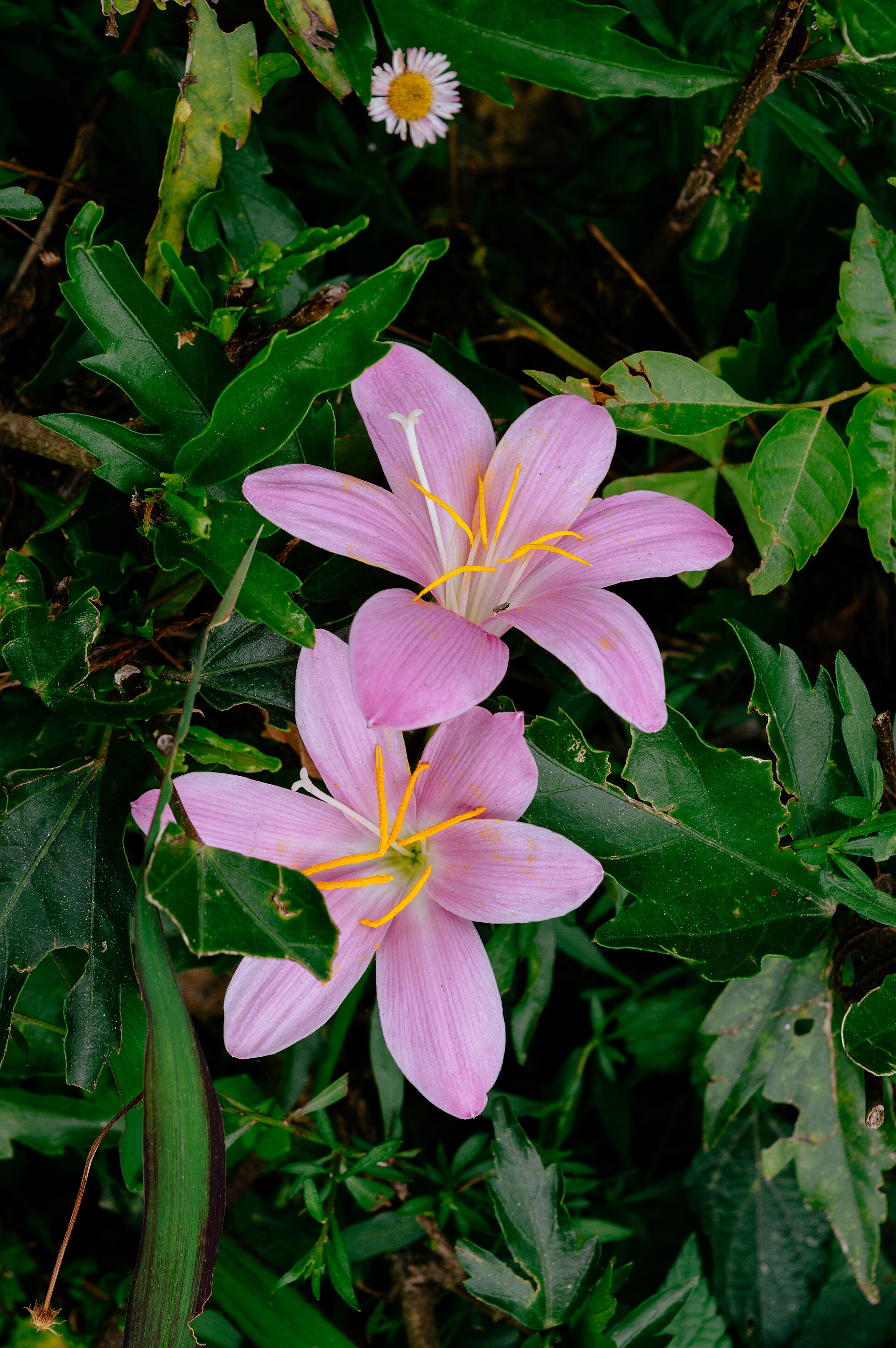
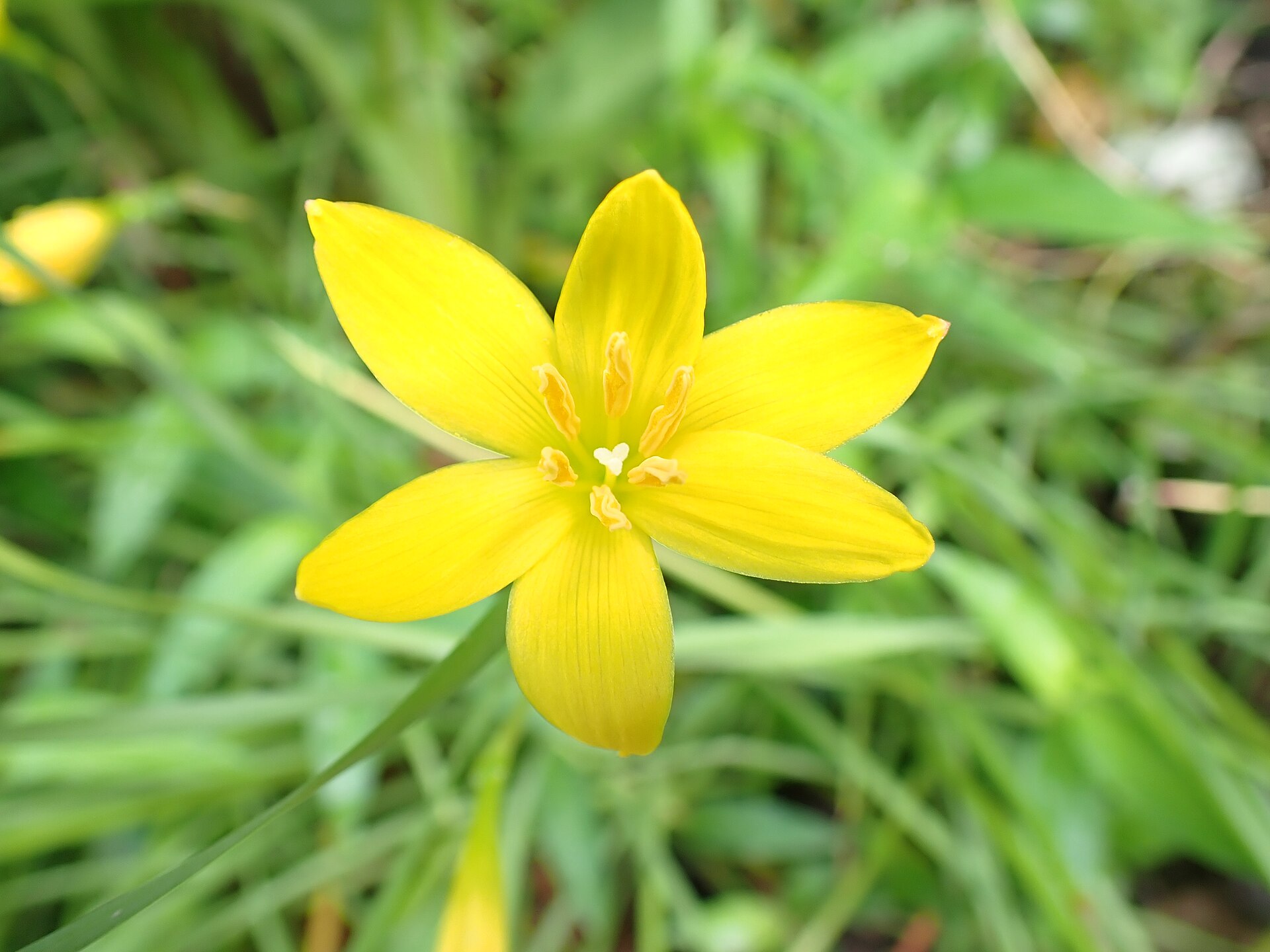
Rain lilies are small bulbs with a big trick: grass-like leaves most of the time, then a flush of crocus-like flowers a few days after rain. The genus holds dozens of species in white, pink, yellow, and rose, blooming from spring through fall depending on the type, and a clump in full flush is one of the most cheerful sights in a warm-climate garden. They are low-maintenance, clump-forming, and perfectly sized for paths, edging, and containers.
Plant rain lily bulbs in fall or spring, about two to three inches deep, in clumps of a dozen or more — a single bulb is a curiosity, a clump is a show. They want sun to part shade and soil that drains but does not bake bone-dry; a spot that gets occasional summer rain is ideal, which in Florida is most spots. Work worm castings into the bed at planting, mulch lightly, and then wait for rain: the flowers famously appear in flushes a few days after a good soaking.
Water & feeding
Water during dry spells in the growing season, and do not panic if the grass-like leaves go quiet in a drought — rain lilies are built to wait. In Florida, summer rain usually does the watering; the real mistake is planting them in a low spot that stays soggy, which rots bulbs. Feed lightly with castings in spring; heavy feeding grows leaves at the expense of flowers.
Common problems
- Bulb rot in soggy soil — plant where water drains, never in a hollow that ponds.
- Leaves but no flowers — usually a bulb planted too deep, too shaded, or too young; check depth first, then light.
- Flowers that vanish in a day — normal for rain lilies; each flower lasts a day or two, but a healthy clump throws flush after flush.
- Foliage nibbled by slugs in wet weather — a gritty mulch and dry surface between waterings help more than any spray.
Harvest
There is no harvest to pick: the reward is the surprise. Leave the grass-like leaves standing after each flush — they feed the bulb for the next one — and deadhead only if you want to stop self-sowing. Divide clumps every few years when they get crowded, and replant the offsets immediately; rain lily bulbs dry out fast once out of the ground.
Propagation
There is no seed section here, and that is a deliberate choice: rain lilies are so easy to multiply from bulbs that seed is the slow road nobody needs to take. A rain lily clump throws up offsets — small daughter bulbs clustered around the mother bulb — and dividing them is the whole method. After flowering, or in early spring before growth resumes, lift a clump, gently pull or cut the offsets apart, and replant them immediately at the same depth, about an inch or two deep, a few inches apart. Keep them moist until they settle in. Each offset is a clone of the parent, so the flower color and form come true, and a good-sized offset can bloom in its first season.
Seed does exist — rain lilies make small capsules of flat black seeds after the flowers fade — and if you want the experiment, sow the seed fresh on the surface of a moist, well-draining mix and keep it warm. Germination usually comes in a few weeks. But seedlings take two or three years to reach blooming size, and they may not match the parent, so seed is for the breeder and the curious, not for the gardener who just wants more rain lilies.
Save your divisions from clumps that flowered heavily and on time — the ones that burst into bloom after a summer rain, right on cue. A clump that has gone years without dividing gets crowded and flowers less, so dividing every few years is both propagation and maintenance. In Florida, rain lilies are in their element: they love the heat, the rain, and the humidity, and they multiply fast enough that a single clump becomes a drift in a few seasons. Plant divisions where you are happy to see them spread, and share the extras — every Florida gardener knows someone who wants rain lilies.
Varieties
Every named variety of Rain Lily with its own growing guide:
- White Rain Lily — The white surprise: pure white crocus-like flowers that pop up days after rain, all summer and fall.
- Pink Rain Lily — The pink surprise: big rose-pink trumpets that appear overnight after rain, the showiest rain lily of all.
- Yellow Rain Lily — The yellow surprise: soft lemon-yellow trumpets in mid-summer, sunshine that waits for rain.