
🌿 Populus deltoides subsp. monilifera
Botanical form, not a garden cultivar: this guide covers a naturally occurring variety/subspecies of the species, with the species' growing guidance where variety-specific cultivation notes have not been published separately.
What it looks like
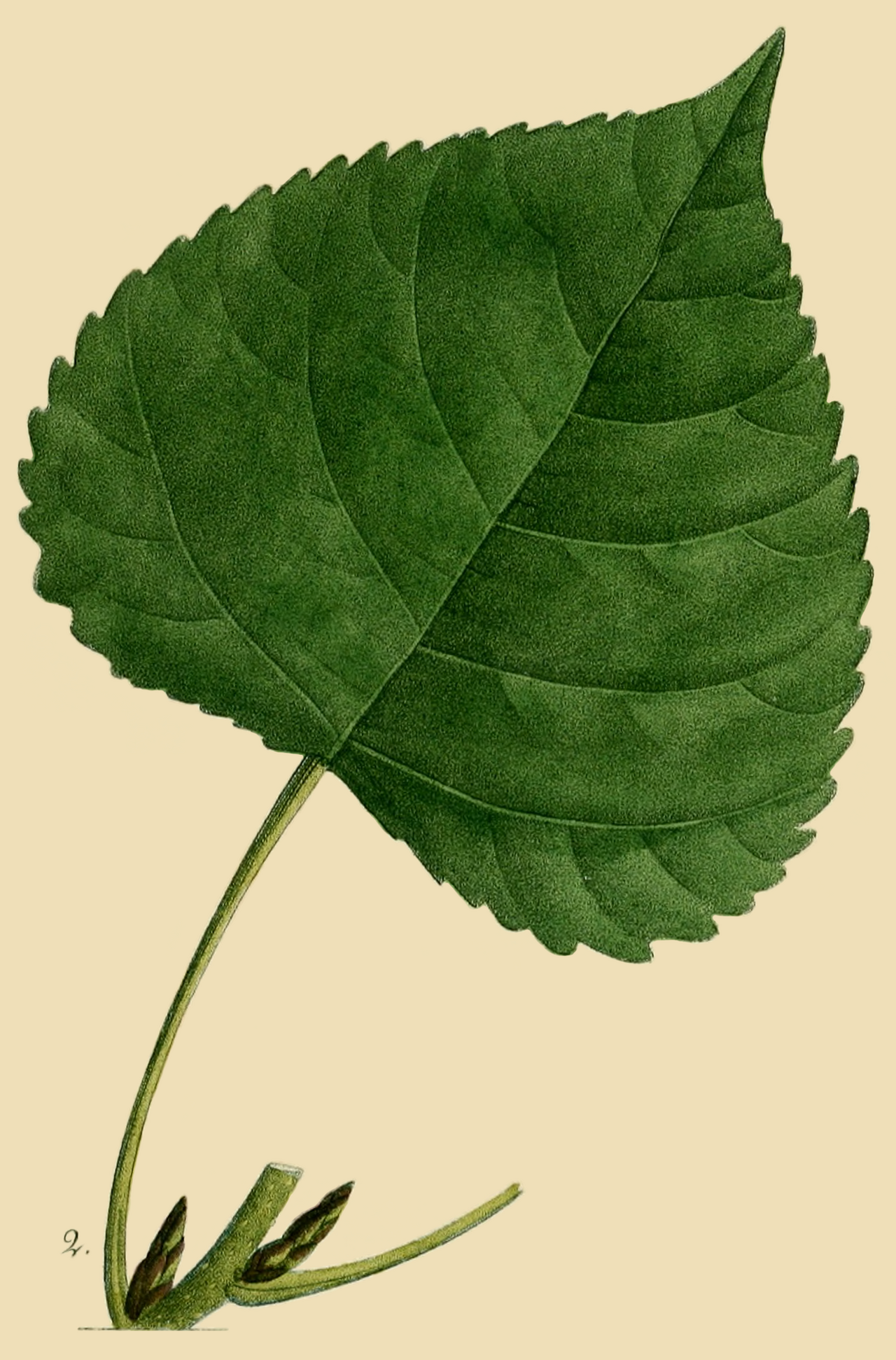
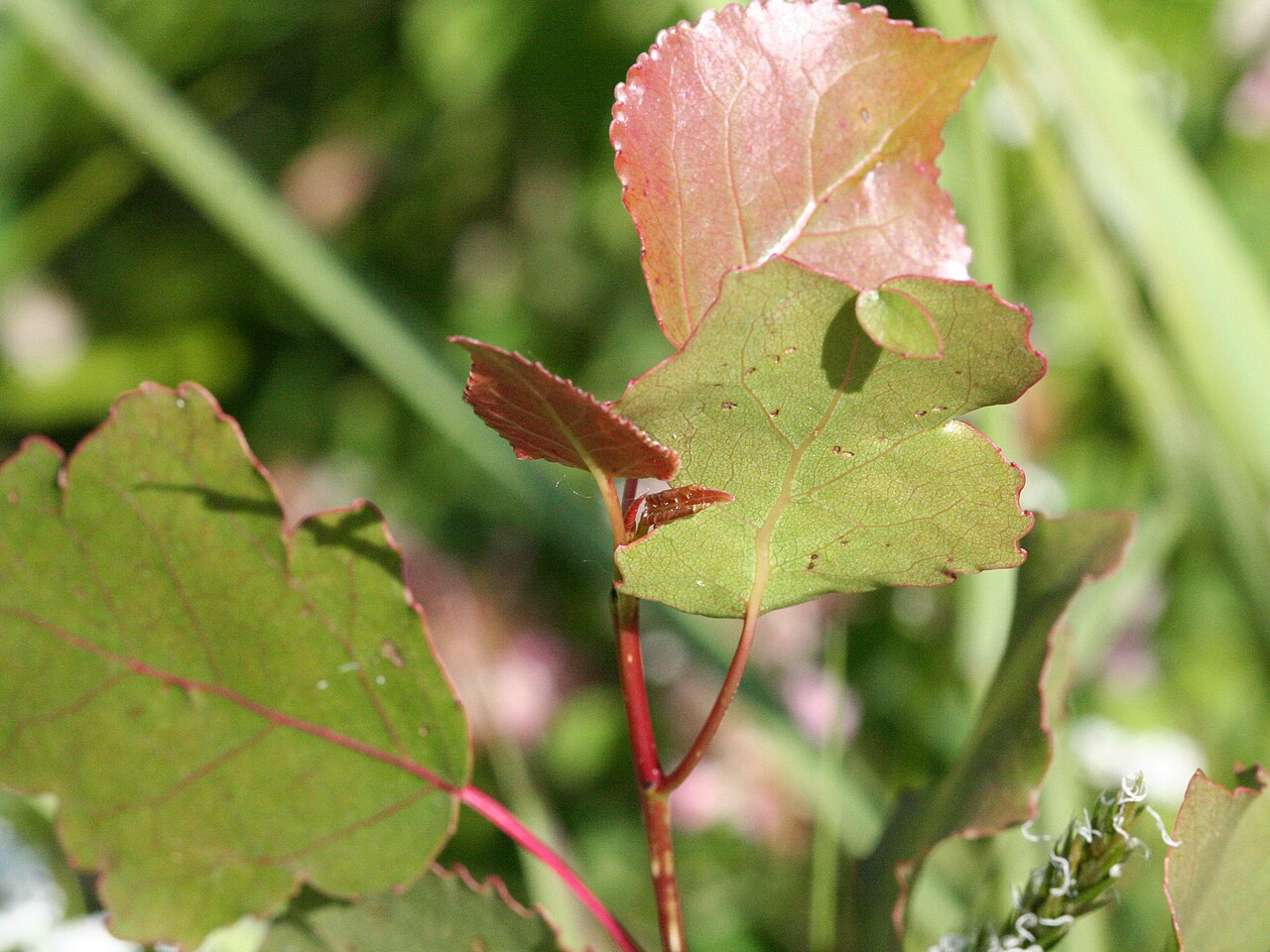
Subsp. monilifera — plains cottonwood, once called Populus sargentii — is the Great Plains form of eastern cottonwood. It looks like its eastern cousin but with somewhat narrower leaves, 5–10 centimeters wide at the base, a more spreading crown, and a habit tuned to drier country: river valleys and plains from south-central Canada (southern Alberta, Saskatchewan, and Manitoba) through the central United States to northern New Mexico and Texas.
It is the state tree of Nebraska, Wyoming, and Kansas — three states that do not agree on much, but agree on this tree, which tells you how deeply it belongs to the Plains landscape.
Why this variety
Plant or protect this form if you steward Plains river valleys, windbreaks, or ranch ground and you want the cottonwood that evolved for that country: floodplain-tough, drought-tolerant for a cottonwood, fast-growing, and a landmark tree that defines a horizon. Plains tribes and the Lewis and Clark expedition both used its wood, and its shade has sheltered Plains homesteads for generations.
The same scale cautions apply: 60–90 feet tall, weak wood, thirsty roots, and a place on acreage, not against a house.
How to grow
Plant in spring or fall in full sun and moist soil where possible — river valleys are its home, though it tolerates drier Plains sites better than the eastern form. Space 60–100 feet from buildings, drains, and septic systems, mulch widely, and water deeply through establishment and drought.
Prune young trees for structure, then for dead wood; never top a cottonwood.
Water & feeding
Water deeply while establishing and in drought; plains cottonwood handles dry spells better than the eastern form, but it still grows fastest and drops fewest branches with steady moisture. A deep mulch ring helps more than fertilizer.
Feed only if growth is poor. Plains soils and river ground are usually enough.
Common problems
- Weak wood and branch drop — site where limbs can fall safely.
- Thirsty roots near drains and foundations — keep the setback.
- Cotton fluff from female trees — choose male selections if that matters.
- Canker and rust in stressed or crowded plantings — air, sun, and water are the management.
Harvest
No food harvest; the harvest is Plains shade, wind protection, riverbank stability, and wildlife value. Its canopy is a nesting tree, its catkins feed early pollinators, and its fallen leaves feed the soil.
Historically its wood served Plains peoples and settlers for fuel, shelter, and tools — a softwood hardwood that was available where few other trees were, which is a kind of value no lumber grading captures.
See also: Cottonwood: Growing Guide