
🥬 Purple Mizuna Mizuna
What it looks like
Why this variety
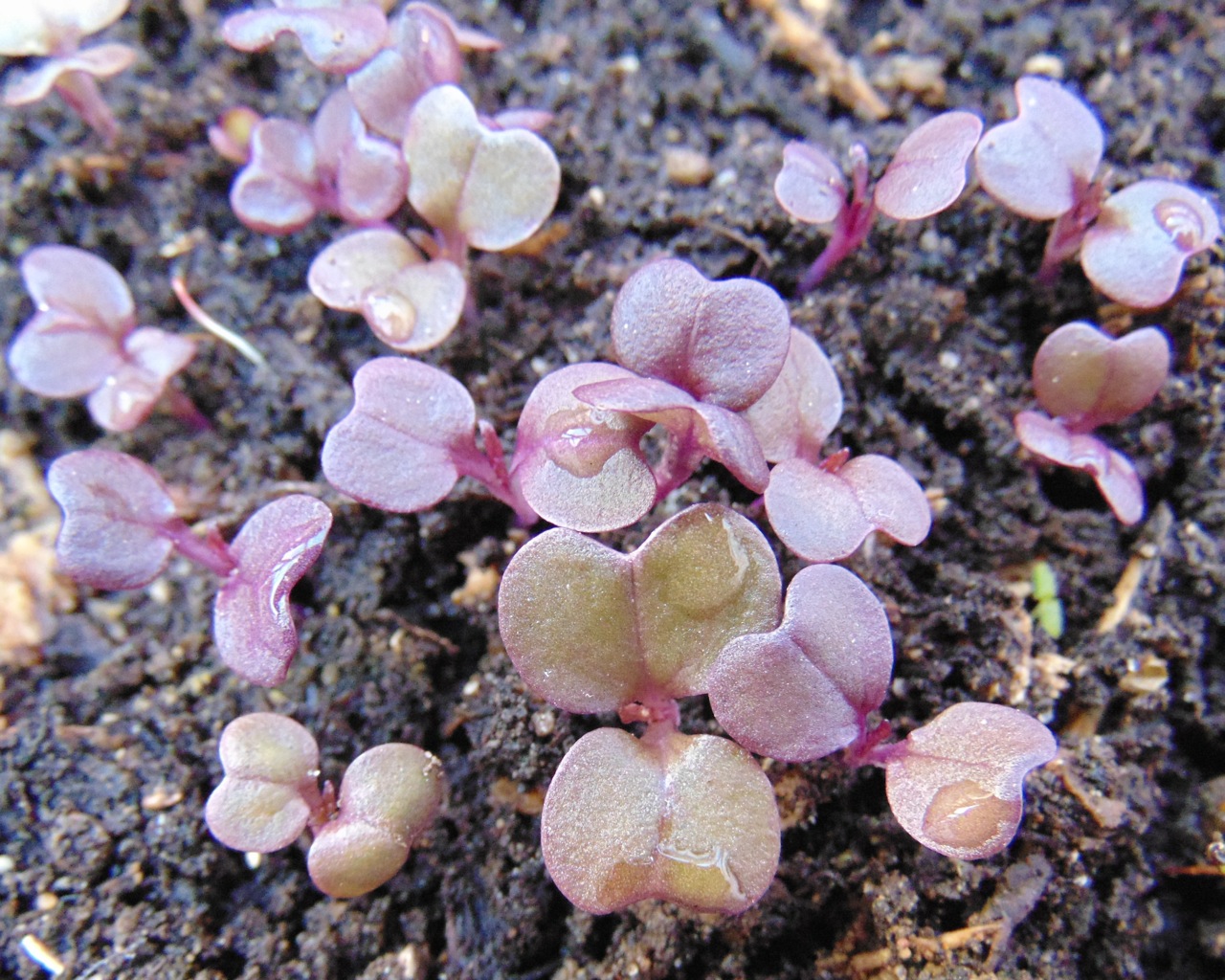
Purple Mizuna is Early Mizuna’s colorful sibling: the same feathery, serrated leaf, but flushed with purple-violet color, especially in cool weather, with a mild, slightly peppery flavor. Johnny’s and other catalogs list it as a distinct variety, and it earns its place by doing two jobs at once — salad green and ornamental — in a bed where most greens are, frankly, just green.
Purple color deepens in cool weather and fades a little in heat, which is a useful seasonal signal: the most beautiful Purple Mizuna comes from fall sowings, when cool nights paint the leaves their deepest violet. Plant it in fall for looks, in spring for speed, and either way for flavor.
If you are new to choosing between cultivars, the Varieties Matter guide explains why the name after the plant matters as much as the plant itself. And if you want the whole clan at a glance, the broader Mizuna guide covers mizuna generally.
How to grow
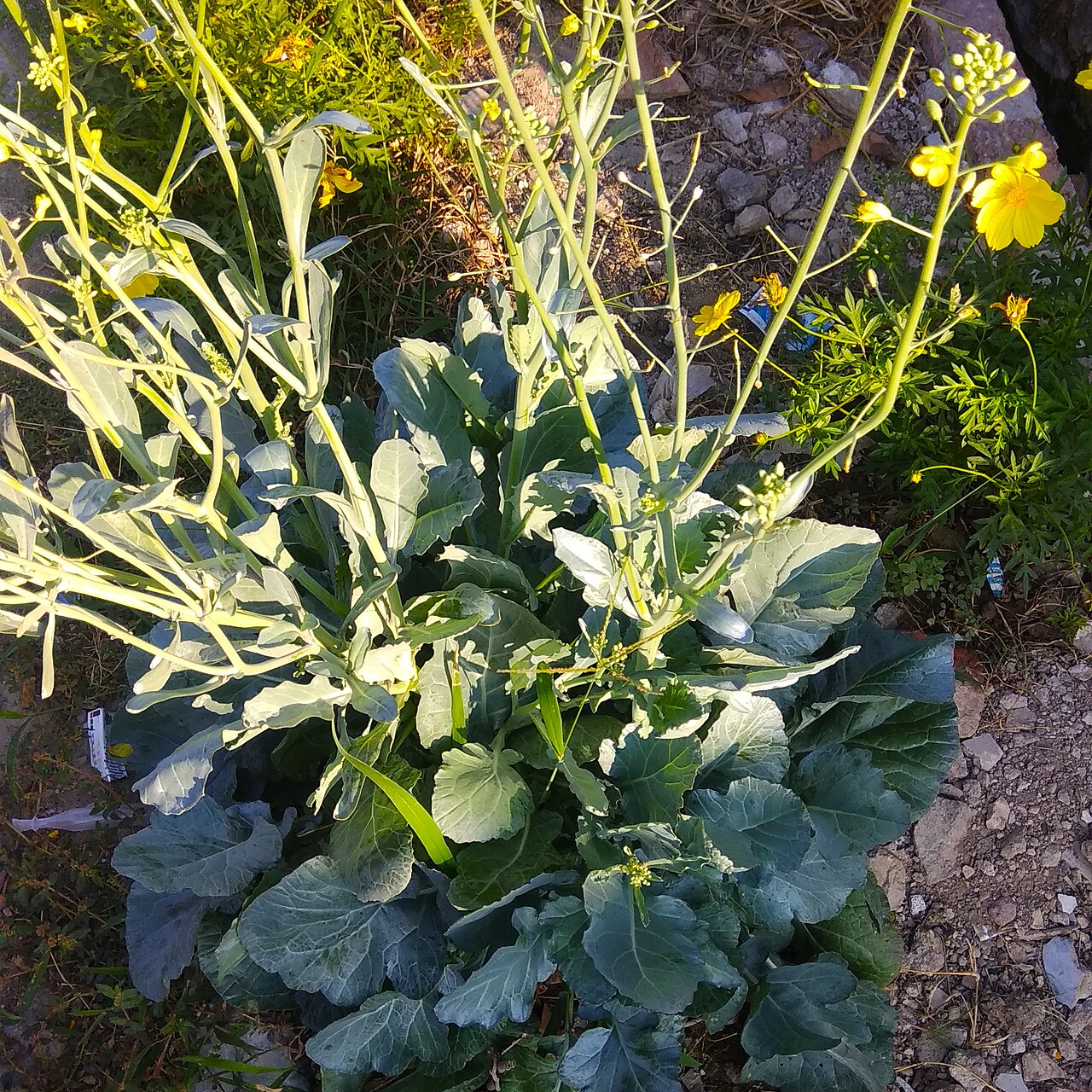
In Florida, mizuna is a cool-season star: sow it from fall through early spring, cut leaves as you need them, and let it regrow — it is one of the most forgiving cut-and-come-again greens. A spring sowing that bolts is not a failure, it is a lesson in timing, and the fall sowing will forgive you.
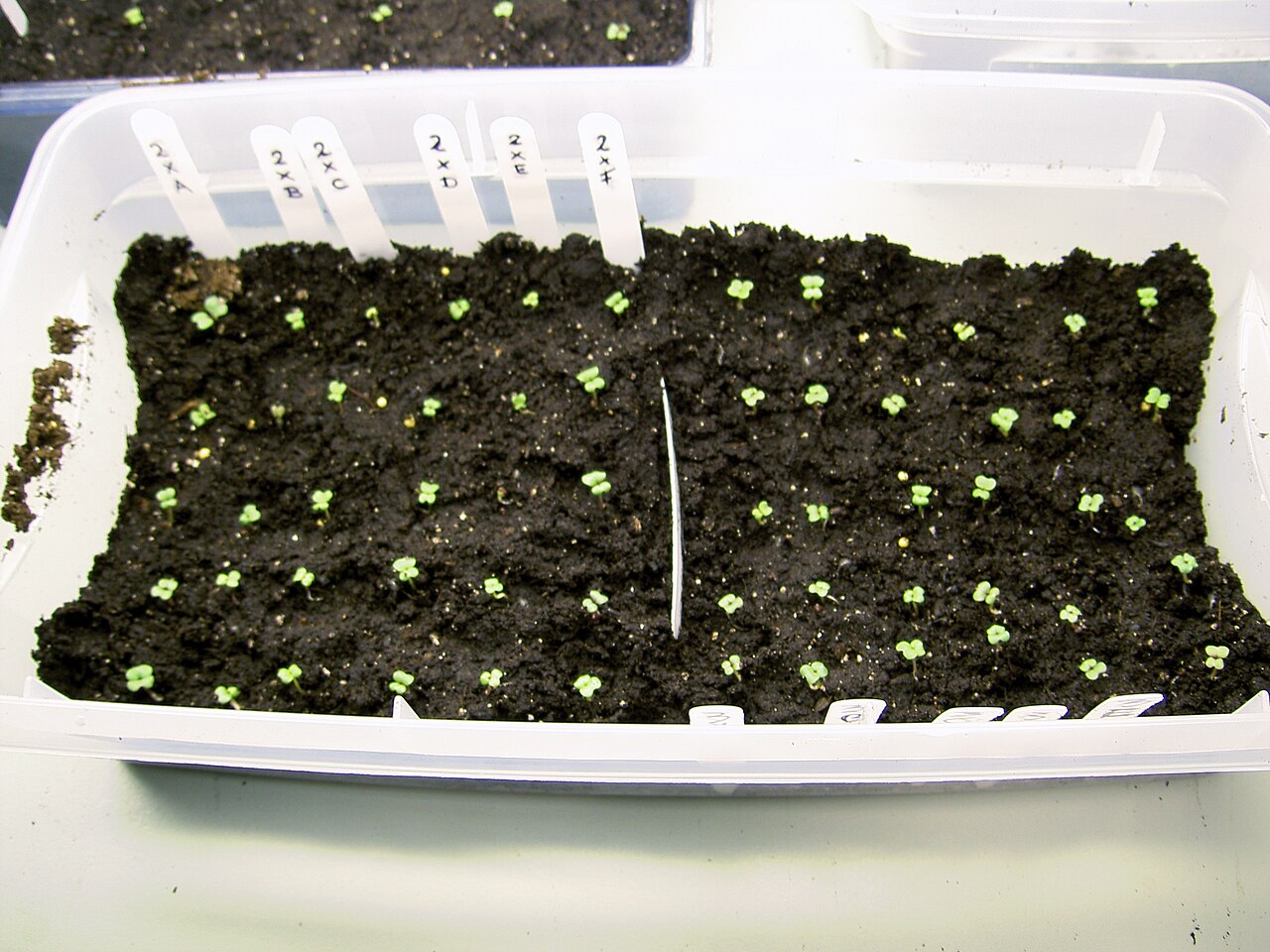
Grow it like other mizuna: rich, moist soil, 6–8 inches apart, cool weather, steady water, and succession sowings. Purple Mizuna is a touch slower to size up than Early in warm weather, so give it the coolest part of the season for the fullest color and the best flavor.
Water & feeding
Mizuna grows fast and drinks steadily. Keep the soil evenly moist, mulch to hold that moisture, and feed with compost at planting and again halfway to harvest. Dry soil plus heat is the recipe for bolting, so water before the leaves wilt, not after.
Common problems
Flea beetles and cabbage worms are the main pests; row cover at sowing time is the simplest fix. Heat fades the color and pushes bolting, so in a warm climate, plant Purple Mizuna for fall and winter, not midsummer.
Harvest
Cut baby leaves at 20–25 days or full-size leaves at 40 days. The purple holds in salads and wilts to a duskier tone when cooked — use it raw for the full color show, cooked when you want the flavor without the fanfare.
Nerdy fact: Purple Mizuna’s color comes from anthocyanins, the same pigments in red cabbage and blueberries — which means your salad green is, chemically, wearing berry sunscreen, and the deeper the purple, the cooler the nights that painted it.
Saving seeds
Purple Mizuna is Early Mizuna’s colorful sibling: the same feathery, serrated leaf, but flushed with purple-violet color, especially in cool weather, with a mild, slightly peppery flavor. Johnny’s and other catalogs list it as a distinct variety, and it earns its place by doing two jobs at once — salad green and ornamental — in a bed where most greens are, frankly, just green. As an open-pollinated mizuna it comes true from seed: in Florida, mizuna is a cool-season star — sow it from fall through early spring, cut leaves as you need them, and let it regrow. Grow it like other mizuna: rich, moist soil, 6–8 inches apart, cool weather, steady water, and succession sowings. The full method is in the Saving seeds section of the Mizuna guide.