
🍐 Quince
What it looks like
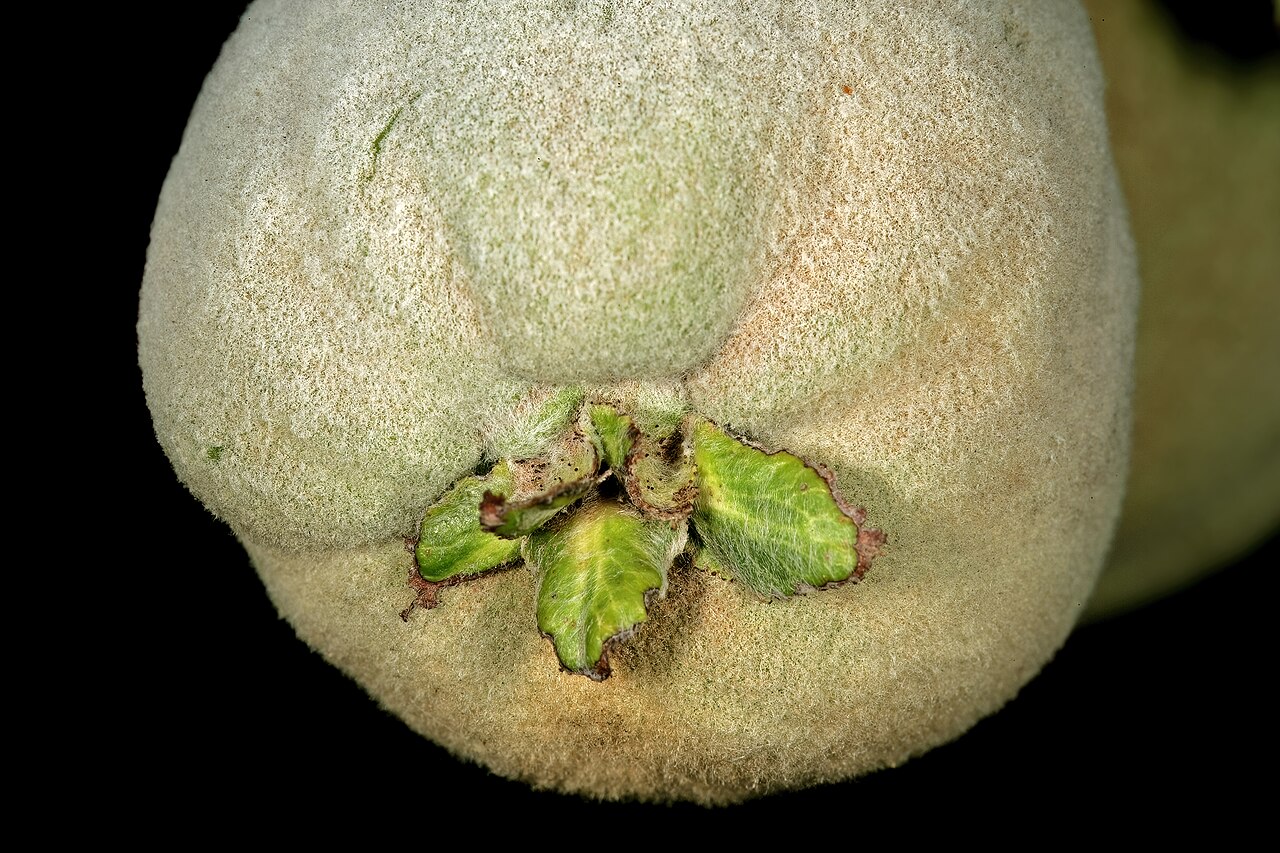
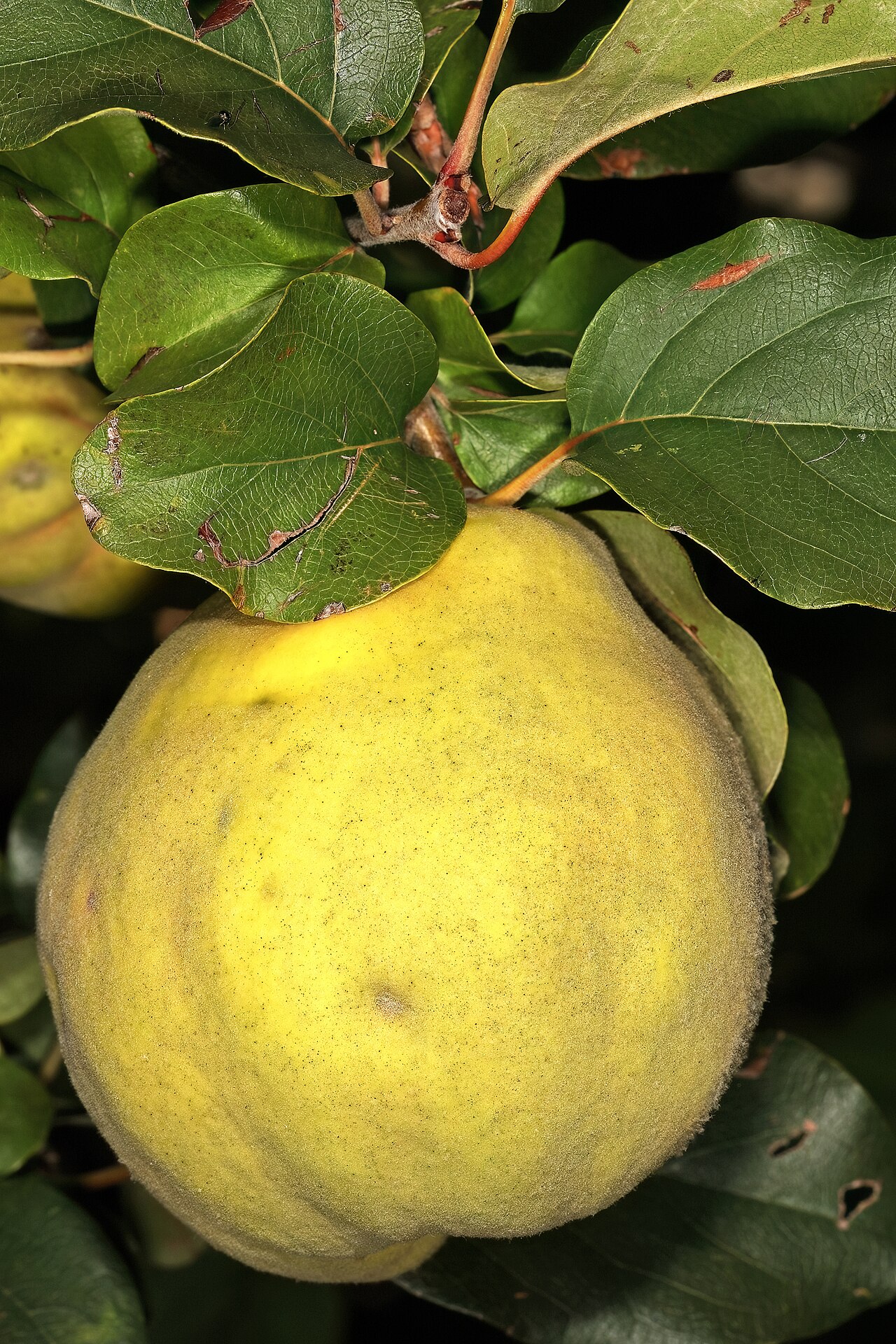
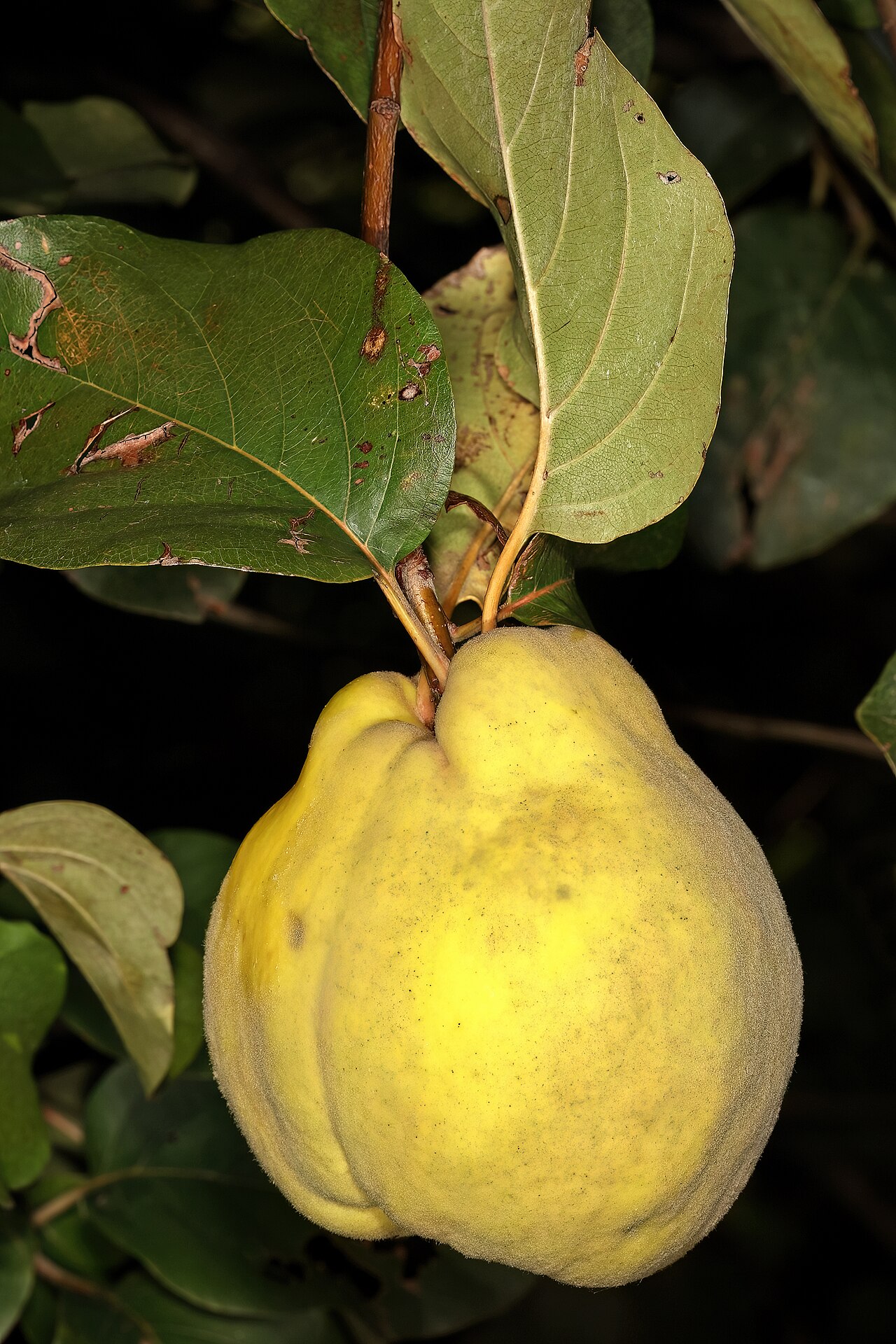
How to grow
Plant bare-root in late winter while dormant, in well-drained soil. It needs real winter chill, so it's a tough sell in most of Florida — north Florida gardeners can experiment, but expect a handsome foliage shrub rather than a fruit tree. Don't baby it; quince shrugs off neglect better than pampering.
Water & feeding
Deep watering during fruit development; established trees tolerate drought better than wet feet.
Common problems
- Fire blight — the bacterial scourge of pome fruits; prune infected wood well below the damage
- Cedar-quince rust in humid regions
- In Florida: insufficient chill means shy blooming — the main 'pest' is the climate
Harvest
Pick in fall when golden and fragrant. Raw quince is astringent enough to make your face invert — poach, bake, or jelly it and it turns pink, perfumed, and magnificent.
Browse all plant & pest guides
Saving seeds
Quince seed needs winter before it will sprout, which is the first thing to know about a fruit tree that evolved in cool mountains. Eat the fruit — or rather, cook it, since raw quince is famously astringent — and save the seeds from the core. Rinse off the pulp, let the seeds dry for a day, and then give them a cold, moist rest: mix them with damp sand or vermiculite in a bag and store them in the fridge for 60 to 90 days. That cold stretch breaks the seed’s dormancy, the same way winter does in the ground. Alternatively, sow fresh seed outdoors in fall and let nature handle the chilling.
After stratification, sow about half an inch deep in a well-draining mix and keep it moist and cool, not hot. Germination is slow and uneven — some seed sprouts in a few weeks, some takes a couple of months — so do not give up on a pot at four weeks. Seedlings grow steadily once they are up, and they are hardy little trees, but they are not copies of their parent.
That is the honesty part: a quince seedling is a genetic gamble. Named varieties like Smyrna and Pineapple are propagated by grafting or cuttings for a reason — seed from a good quince may produce fruit that is smaller, more astringent, or just different, and it will take several years to fruit before you find out. Seed is for the experiment and for rootstock, not for a guaranteed copy of the fruit you ate.
Save seed from fruit that was fully ripe and fragrant, from a healthy tree, and sow more than you need. And a Florida note, because it matters: quince needs real winter chill, and it is a marginal tree in most of Florida. It does best in north Florida, and even there it may fruit lightly or not at all in a warm winter. If you are south of Gainesville, treat quince seed as a fun experiment rather than a plan for a fruiting tree.
Varieties
Every named variety of Quince with its own growing guide:
- Orange Quince — The orange-fleshed quince: small to medium fruit with orange-yellow flesh and a rich flavor, the low-chill cooking classic.
- Smyrna Quince — The large quince: big, long pear-shaped fruit with orange-yellow flesh and a rich flavor, the low-chill quince for preserves.