
🍏 Smyrna Quince
What it looks like
Why this variety
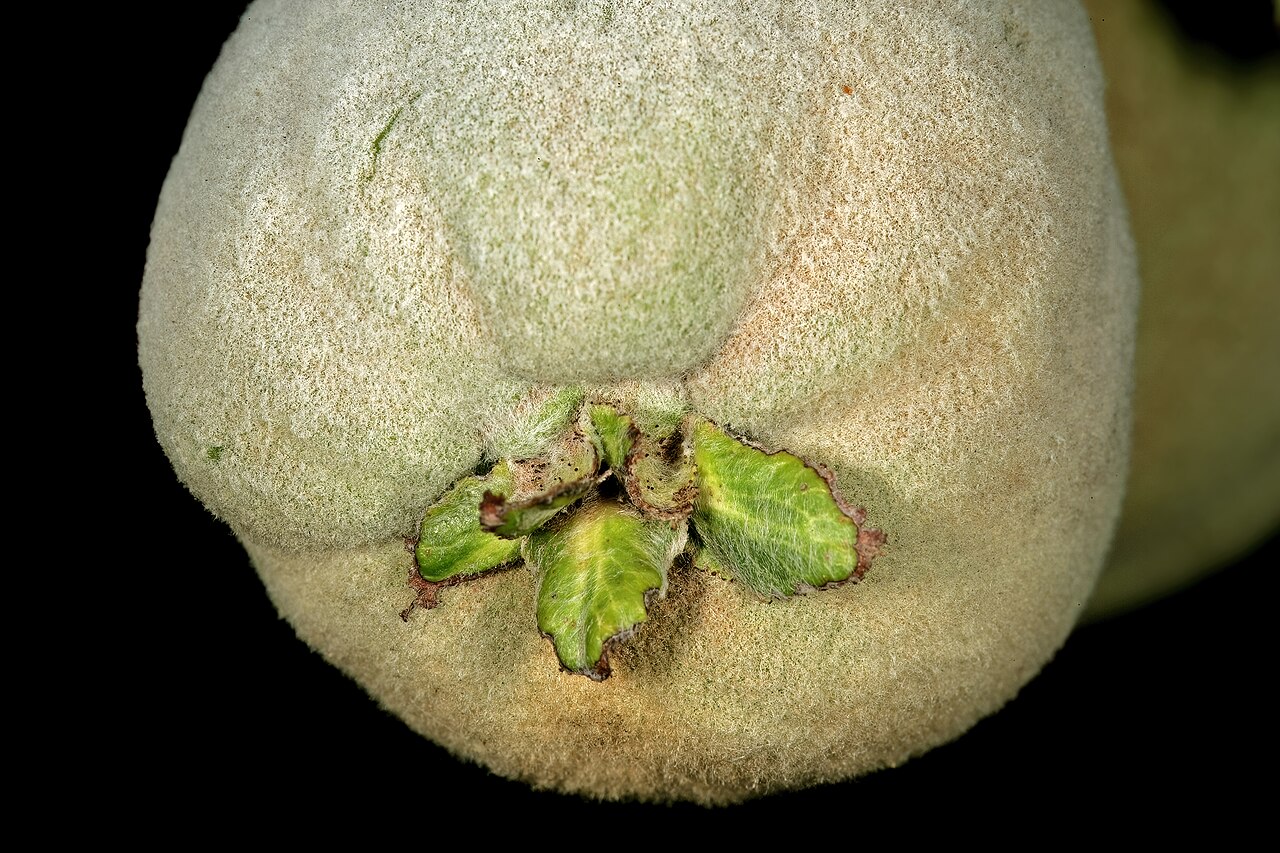
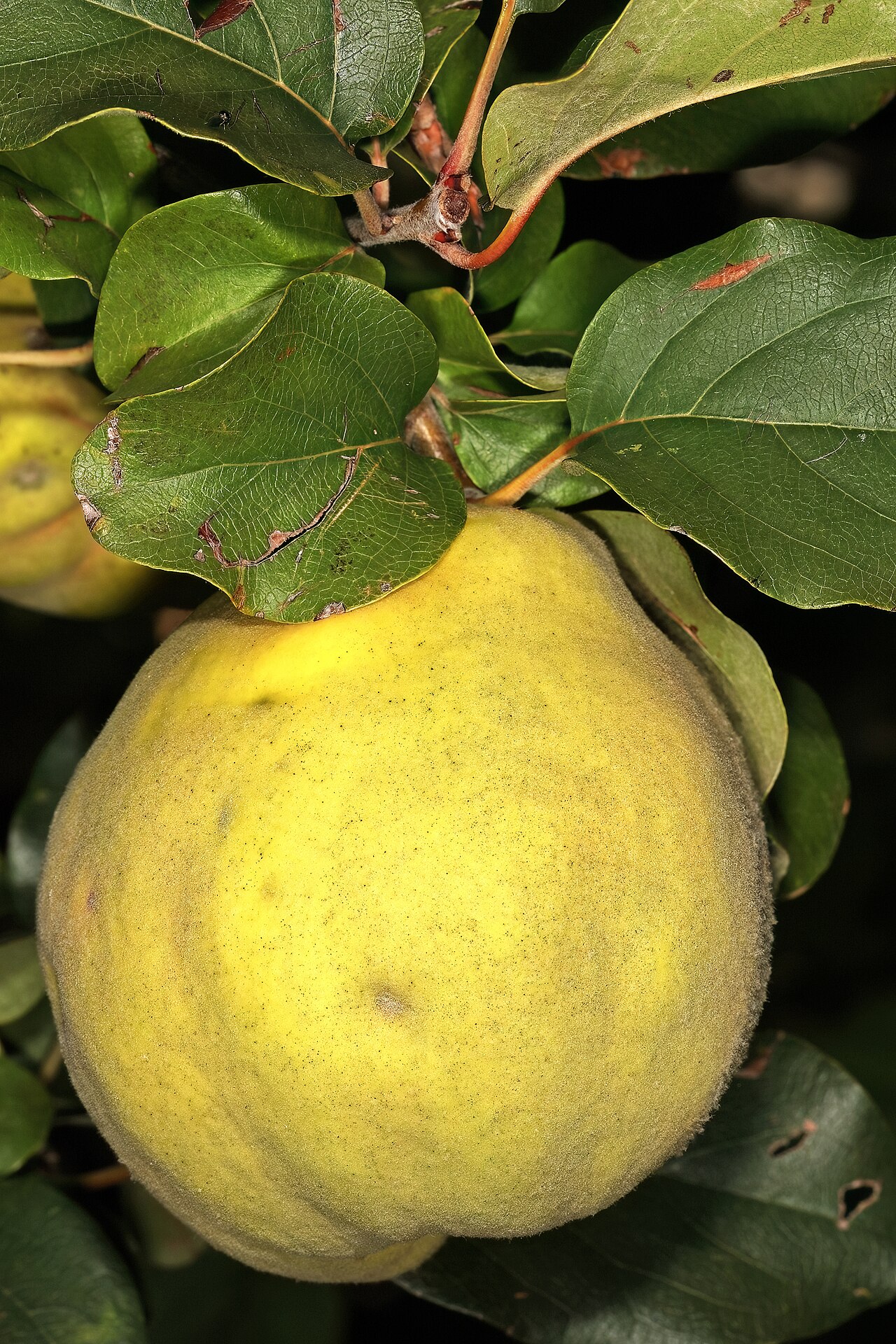
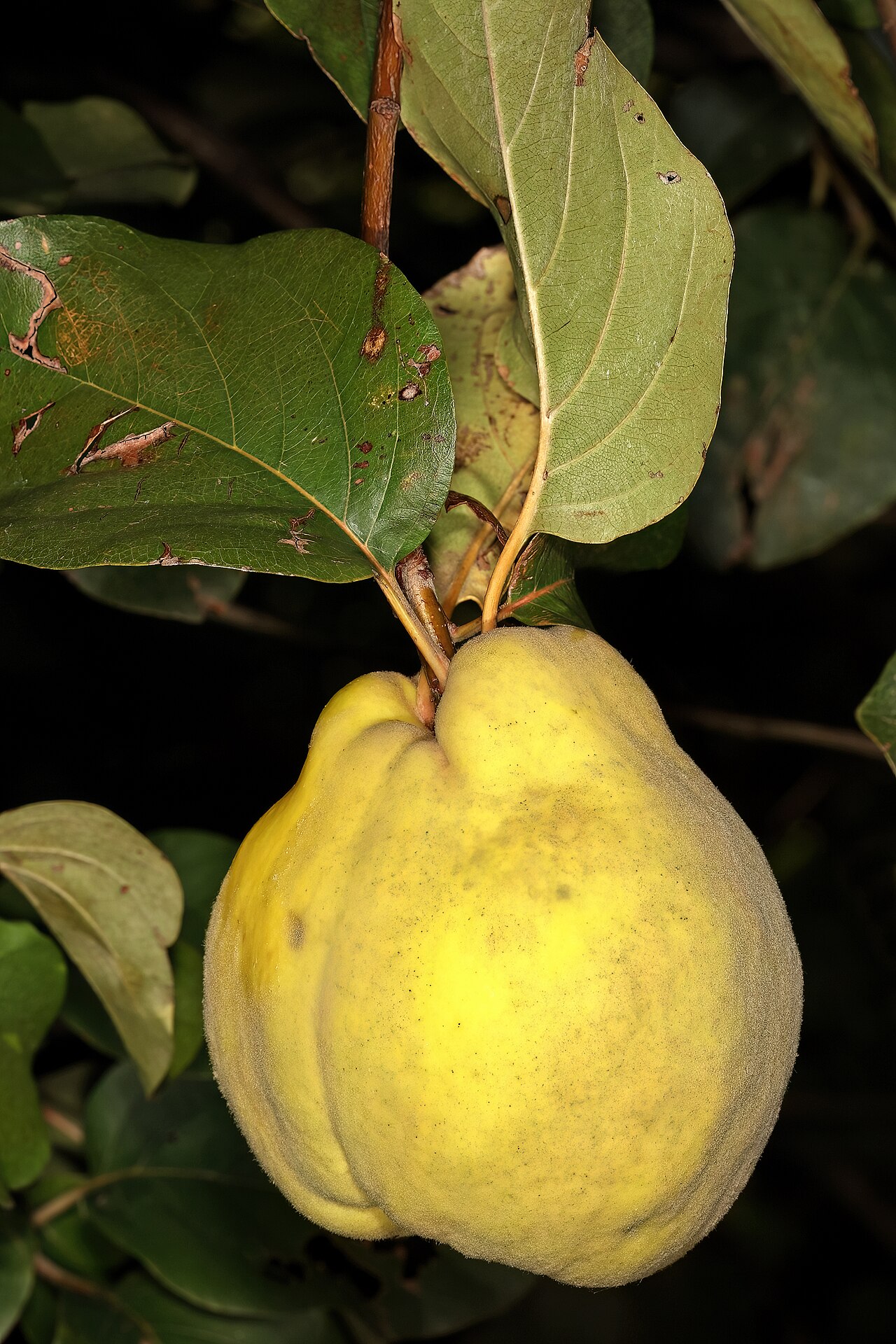
Smyrna quince is the quince for cooks who want size as well as fragrance: a large, long pear-shaped fruit with light brown fuzz covering yellow skin, orange-yellow flesh, and a rich flavor, ripening in October, on a small tree with pretty pink blossoms in spring. It was brought to the United States from Smyrna, now Izmir, Turkey, in 1887 by a California horticulturist, and it has stayed in commerce ever since because its fruit is large, tender, and fragrant — the quince a horticulturist who had tasted many quinces called his personal favorite for cooking. If you want quince for preserves, with fruit big enough to fill a pot quickly, Smyrna is the cultivar that delivers.
The trade-off is the same as all quince: cooking only, not fresh eating, and a need for chill and a cool fall that Florida mostly cannot provide. Give Smyrna full sun, drainage, steady water, and a North Florida site, and it will bear large, fragrant fruit in October, later than Orange, with a richer, more tender flesh. Cook it into jelly, membrillo, and baked quince, where its size means fewer fruit to peel for a full pot, and do not judge it raw — a quince judged raw is a quince misunderstood, and Smyrna, large and fragrant as it is, is no exception to that rule.
If you are new to choosing between cultivars, the Varieties Matter guide explains why the name after the plant matters as much as the plant itself. Smyrna is a perfect example: it is not just a quince in the abstract, it is a quince with a specific job, a specific history, and specific strengths.
Florida honesty: quince is a North Florida trial only, and Smyrna, as a low-chill type, has a better shot in North Florida than most quince — but it is still a trial, not a promise, because it needs a cool fall to ripen well. In North Florida, plant Smyrna in full sun with drainage, and treat a good October crop as a triumph. South of the Panhandle, do not bother; plant a tropical fruit instead. Smyrna is the quince to try in North Florida for preserves, with the understanding that its large fruit is a reward for a cool fall, not a guarantee.
How to grow
Plant a grafted tree in late winter or early spring, in full sun and well-drained, moderately rich soil — quince wants sun, drainage, and room for a small, twisted tree 8 to 12 feet tall, and it punishes wet feet and deep shade with thin fruit. Work worm castings and compost into a wide planting hole, stake for the first year or two, mulch thickly, and space 12 to 15 feet apart. Prune lightly to an open shape, and do not overfeed young trees, which grow wood, not fruit, on rich nitrogen. Quince is self-fruitful, so a single tree fruits on its own.
Set plants 12-15 feet apart in soil with a pH around 6.0-7.0. Work worm castings into the bed at planting and mulch to hold moisture. A well-fed quince plant rewards that care directly: steadier growth, better bloom, and a show that actually shows up.
Water & feeding
Water deeply and regularly while fruit develops — quince wants steady moisture through summer and fall, and drought causes small fruit and fruit drop. Water at the soil line, mulch thickly to hold moisture, and feed moderately: castings and compost in spring plus a balanced fruit-tree feed. Once established, quince tolerates short dry spells, but a tree that dries out while fruit swells will drop its crop.
Common problems
- Fire blight on blossoms and shoots in wet springs — prune affected wood well below the blight in dry weather, sterilize tools, and do not overfeed with nitrogen.
- Fruit drop in drought — water steadily through fruit swell, and do not let a young tree dry out.
- Hard, astringent fruit eaten raw — quince is a cooking fruit, not a fresh-eating fruit; cook it into jams, jellies, and baking, where its fragrance shines.
- Overbearing and limb breakage — thin heavy crops and prune weak, crossing limbs in winter, because a quince limb loaded with fruit snaps in wind.
- Confusion with flowering quince — fruiting quince is Cydonia oblonga, not Chaenomeles; flowering quince fruit is smaller and less suited to cooking.
Harvest
Pick when fruit turns fully golden-yellow and smells fragrant, in September to October — quince fruit is hard and astringent raw, so do not eat it out of hand and judge it; cook it, and it transforms. Make quince jelly, jam, membrillo paste, and baked quince, where its rich, floral fragrance and firm flesh shine. Fruit stores for months in a cool place, so pick as it ripens and cook through fall — a quince tree in full crop is a pantry, not just a tree.
Browse all plant & pest guides
Saving seeds
Smyrna quince is the quince for cooks who want size as well as fragrance: a large, long pear-shaped fruit with light brown fuzz covering yellow skin, orange-yellow flesh, and a rich flavor, ripening in October, on a small tree with pretty pink blossoms in spring. It was brought to the United States from Smyrna, now Izmir, Turkey, in 1887 by a California horticulturist, and it has stayed in commerce ever since because its fruit is large, tender, and fragrant — the quince a horticulturist who had tasted many quinces called his personal favorite for cooking. As a named quince it is kept true by grafting, not by seed — plant a grafted tree in late winter or early spring, in full sun and well-drained, moderately rich soil: quince wants sun, drainage, and room for a small, twisted tree 8 to 12 feet tall, and it punishes wet feet and deep shade with thin fruit. Work worm castings and compost into a wide planting hole, stake for the first year or two, mulch thickly, and space 12 to 15 feet apart. Prune lightly to an open shape, and do not overfeed young trees, which grow wood, not fruit, on rich nitrogen. Quince is self-fruitful, so a single tree fruits on its own. The full method is in the Saving seeds section of the Quince guide.